
Latest news and magazine articles
Product Discontinuation Notifications (PDNs) - Siemens, Lenze, SEW and more
In the Product Discontinuation Notifications (PDN) section, we provide information on discontinued industrial electronics, products, and product ranges that are being phased out, as well as relevant information on spare parts availability. The aim is to help maintenance teams, purchasing departments, and system managers assess potential risks at an early stage. EICHLER outlines which options may be appropriate in each individual case: repair, replacement units, spare parts supply, stockpiling, or planned modernisation.
An overview of all magazine articles in the product discontinuation notifications (PDN) section

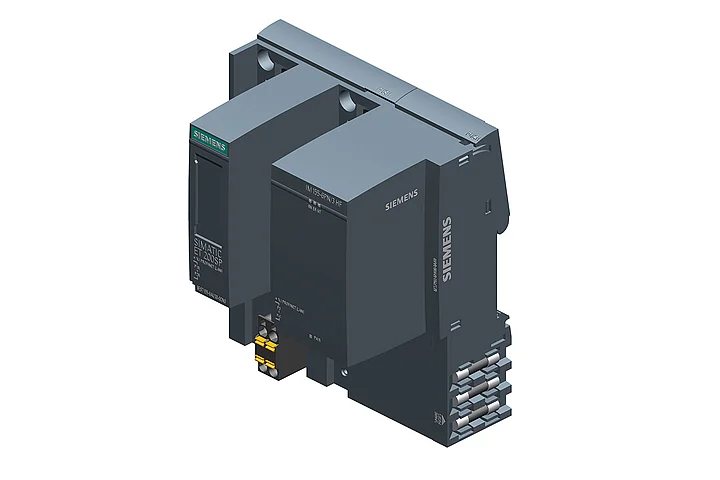
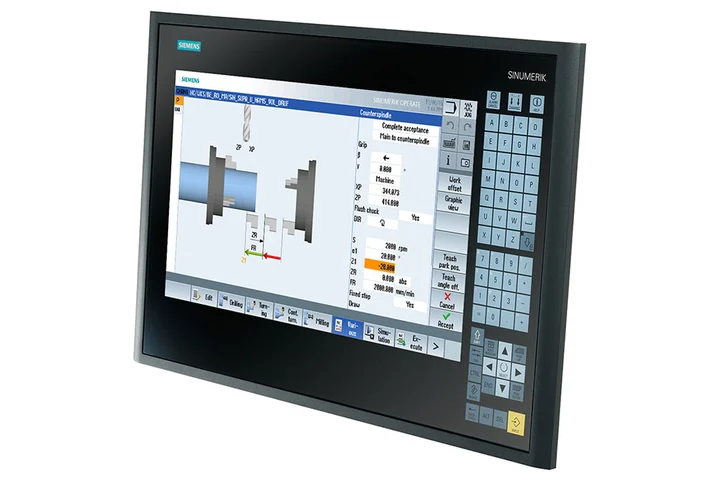
Frequently asked questions about product discontinuation notification (PDN)
A product discontinuation notification (PDN) is a manufacturer's notice announcing the discontinuation of a product, product range, or specific product variants. For industrial operators, it serves as an early warning that a component, module, or device currently in use will no longer be manufactured or supplied as standard in the future. It is therefore important not only to take note of the notification itself, but also to assess which systems, spare parts and procurement processes may be affected.
For maintenance teams, a PDN indicates that a spare part which has previously been readily available may become more difficult to source in the future. This affects not only unexpected failures, but also maintenance planning, stock management, and the risk of system breakdowns. Assessing a product discontinuation at an early stage allows companies to explore alternatives, prioritise critical systems, and determine whether repair, replacement units, stockpiling, or modernisation is the most appropriate option.
A PDN should clearly specify which products, types, part numbers or variants are affected. In addition, deadlines such as “Last Time Buy”, “final dispatch”, “End of Production” or “End of Service” are relevant, provided the manufacturer specifies them. The reasons for discontinuation, possible successor products and information on compatibility are also important. If any details are missing, they should be specifically checked before any decisions are made.
“Last Time Buy” refers to the final date by which a discontinued product can still be ordered from the manufacturer or an authorised distributor. However, this does not automatically mean that stockpiling large quantities is always the best solution. The key factors to consider are criticality of the equipment, its failure history, remaining service life, budget, shelf life and technical alternatives. A thorough assessment helps to prevent both excess stock and supply shortages.
A PDN informs about the discontinuation or end of life of a product. A PCN, or Product Change Notification, on the other hand, describes changesto an existing product, such as changes to components, manufacturing, the housing or specifications. EOL stands for “End of Life” and refers to a product's life cycle status. All three types of notification are relevant to operators, as they can affect procurement, repairs and technical approvals.
Upon receipt of a PDN, the first step should be to clarify whether the discontinued product is actually used in the company's own system and equipment, spare parts stores or bills of materials. This should be followed by priorisation based on the criticality of the system and equipment, a revies of existing stock and an assessment of the deadlines. Coordination between the engineering, procurement and production departments is essential. This creates a robust basis for decision-making rather than a purely reactive procurement process.
A successor product may be a sensible option, but it is not automatically compatible. The design, interfaces, software version, parameterisation, approvals, installation conditions and system authorisation must be checked. In existing industrial systems, a direct replacement may involve more effort that expected. Therefore, repairs, replacement units, the procurement of spare parts, stockpiling and modernisation should be objectively compared with one another.
If a product has been discontinued, repair can help ensure that existing systems continue to operate. This is particularly true for assemblies that are technically integrated, programmed or difficult to replace. Whether a repair is possible and economically viable depends on the nature of the fault, the condition of the unit, the availability of components and the feasibility of testing. A technical assessment accompanied by a cost estimate helps you make the right decision.
It makes sense to hold stock if a discontinued spare parts is required for critical equipment an no reliable alternative is available at short notice. However, this should not be done across the board. Factors such as consumption, probability of failure, storage conditions, capital tied up and technical obsolescence must be assessed. For some parts, a replacement unit or a repair-based strategy makes more sense than maintaining a large stock without a clear plan for its use.
EICHLER supports operators in assessing the technical implications of product end-of-life announcements and evaluating their options. Depending on the circumstances, options may include the repair of industrial electronics, component-level repairs, technical testing, replacement units, the supply of spare parts or stockpiling. The aim is to reach a sound decision regarding continued operation: repair, replace, stockpile specific items or prepare for modernisation.