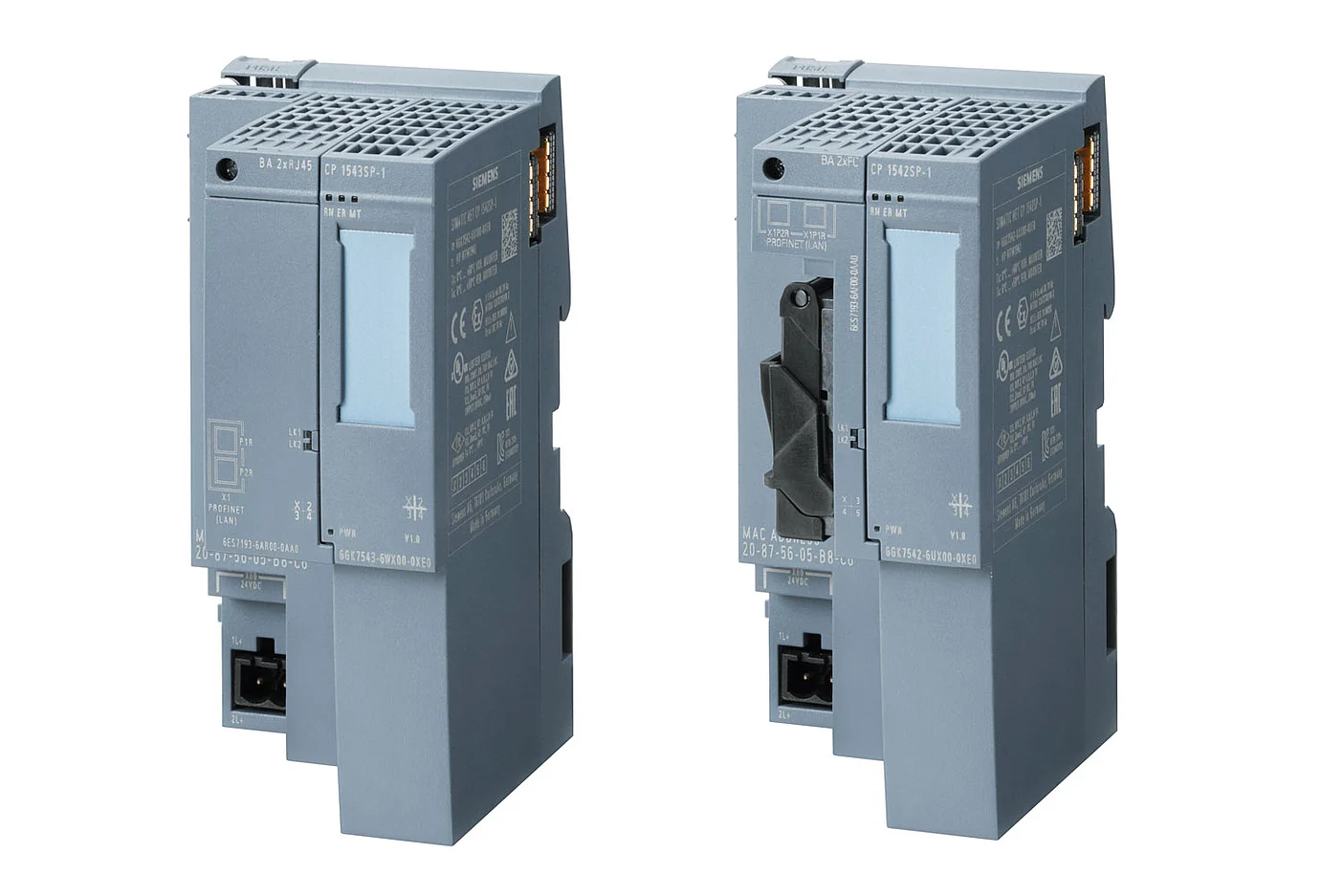
Siemens CP 1542SP-1: Product to be phased out from 1 October 2026

PDN: End-of-life for SIMATIC ET 200SP

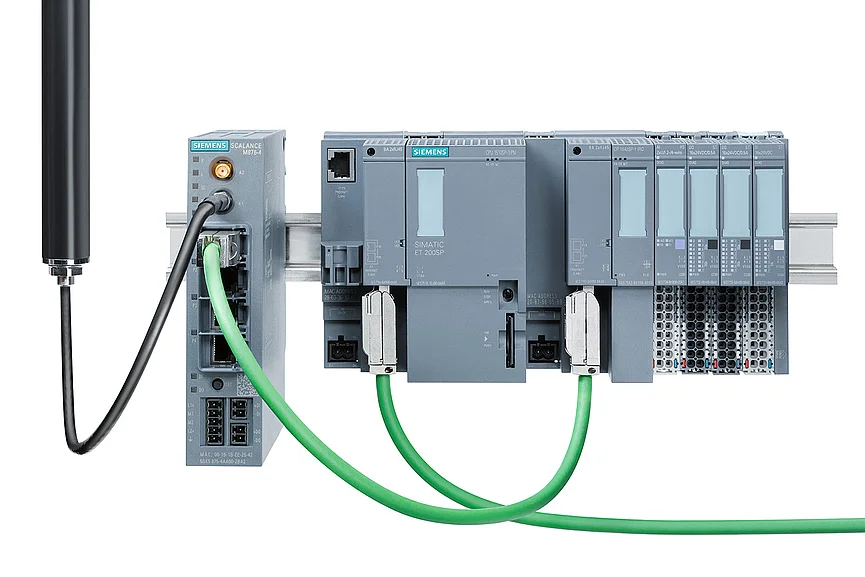
The discontinuation of the Siemens CP 1542SP-1 product concerns communication processors for SIMATIC ET 200SP systems. For operators, this does not automatically mean they need to take immediate action, but it does provide a clear reason to review installed assemblies, spare parts stocks and migration options. It is particularly important to accurately identify the MLFB, the firmware versions and the respective communication tasks within the system.

Siemens CP 1542SP-1: Product to be phased out from October 2026

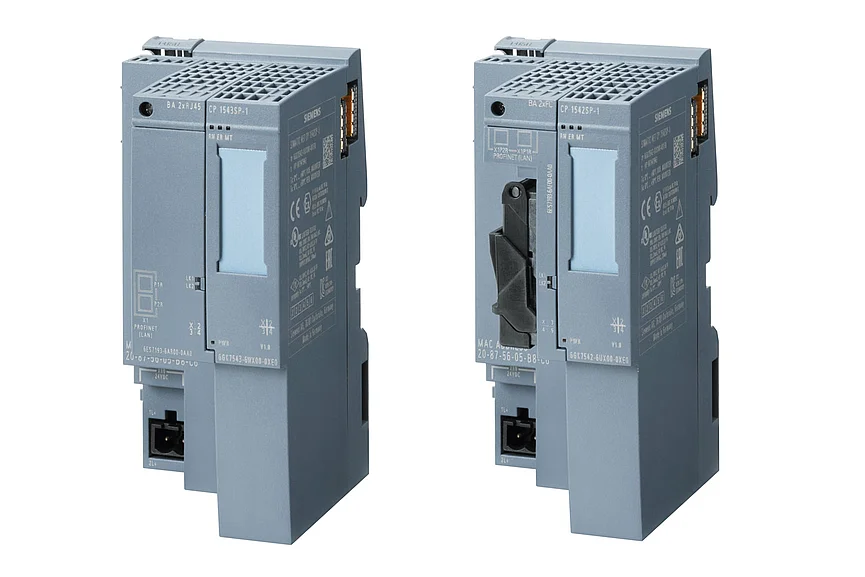
Siemens has announced the end-of-life for several SIMATIC ET 200SP communication processors. According to the product notice, the assemblies affected are the CP 1542SP-1, CP 1542SP-1 IRC and CP 1543SP-1. The Siemens notice bears the ID 110005904 and it listed in the Siemens system with the date 3 September 2026; for the affected products, the end-of-life date is shown as 1 October 2026.
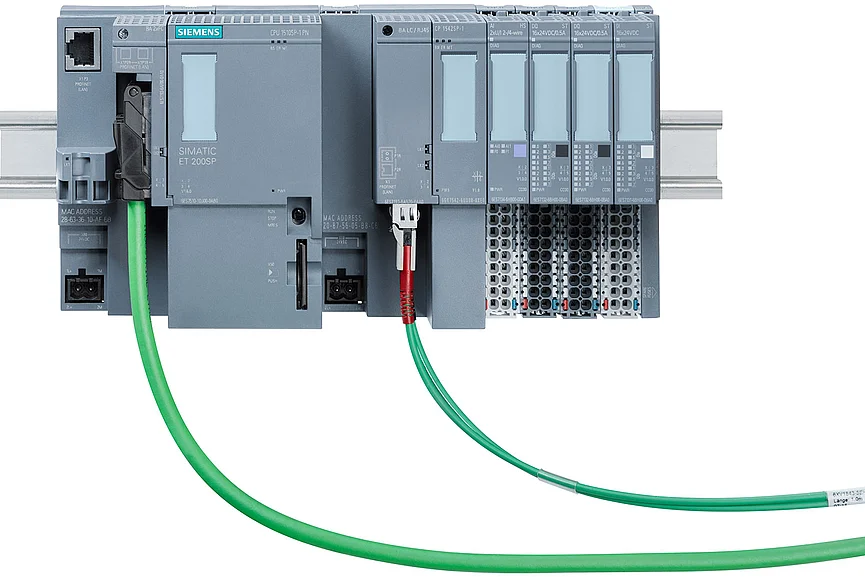
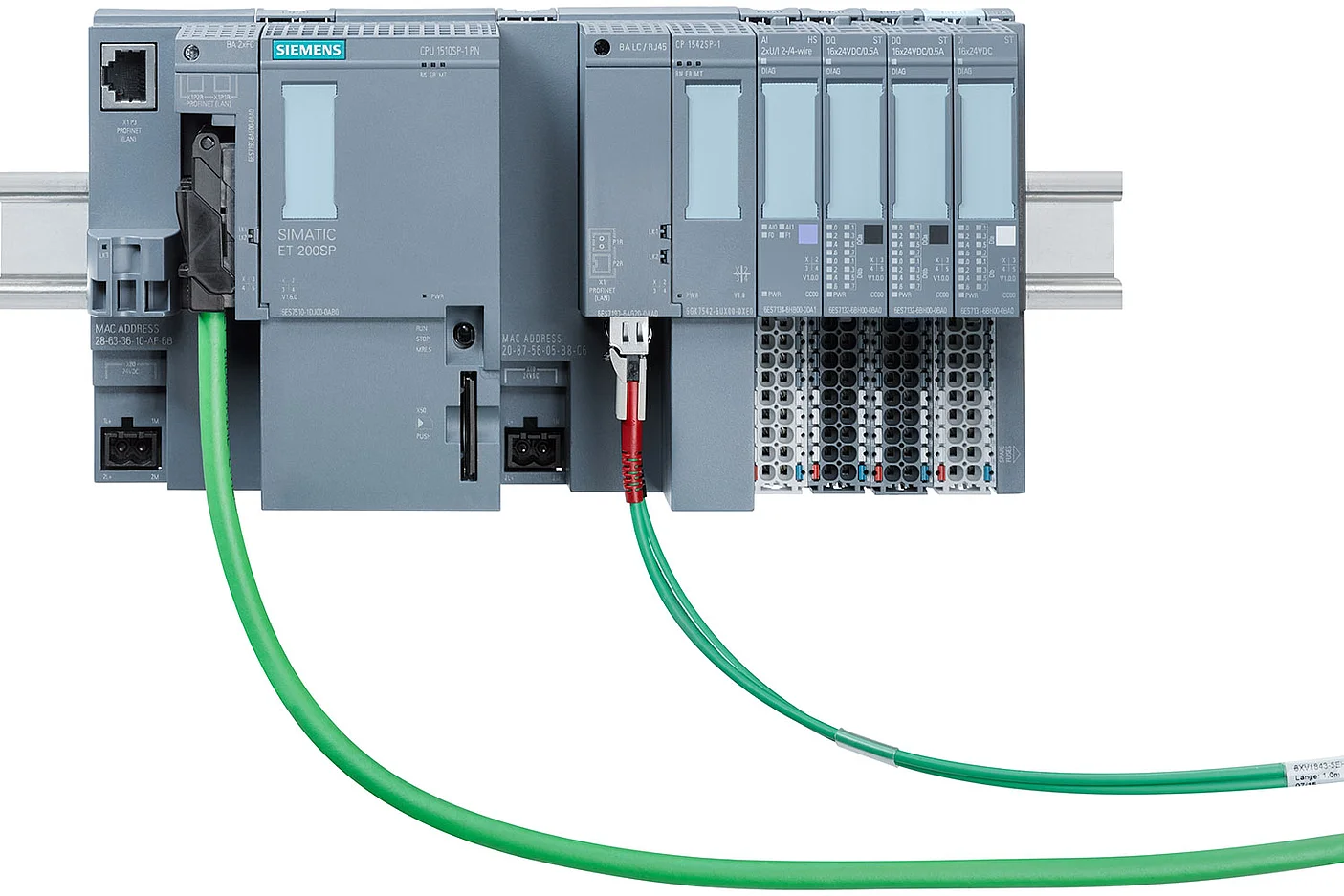
Which Siemens ET 200SP communication processors are affected?

This affects three communication processors from the SIMATIC ET 200SP range. The CP 1542SP-1 is used to connect a SIMATIC S7-ET 200SP to Industrial Ethernet. The CP 1542SP-1 IRC extends this scope of application to include telecontrol communication, including connection to control centres. The CP 1543SP-1 is also designed for Industrial Ethernet and features security functions such as a firewall and VPN.

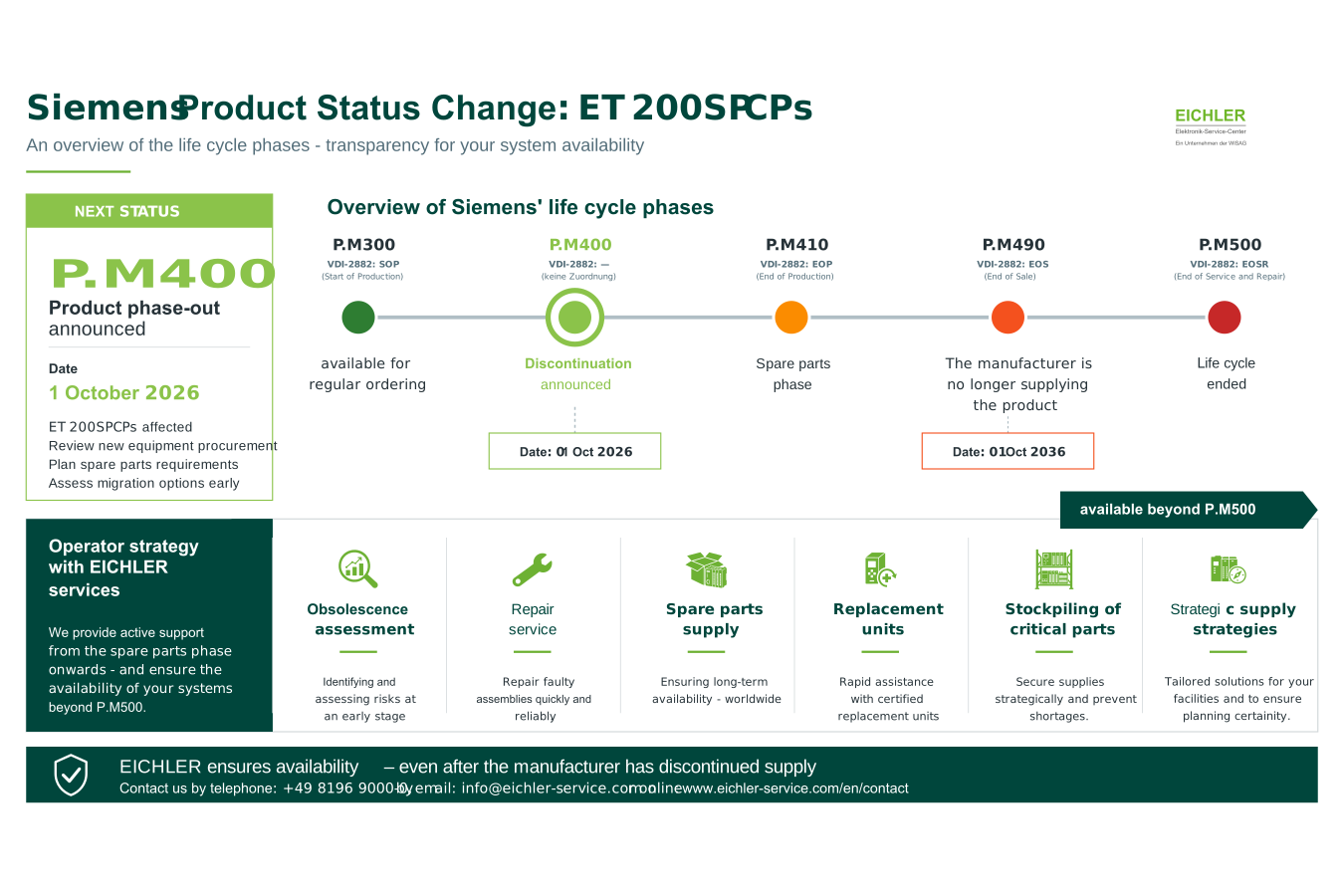
Kostenlose PDF-Infografik zur Produktstatusänderung von Siemens CP 1542SP-1 herunterladen

Download the free PDF infographic on the change in product status for the Siemens CP 1542SP-1


ProductArticle number / MLFBClassificationProduct status to dateProduct status from 1 October 2026Changes for operators
Siemens CP 1542SP-16GK7542-6UX00-0XE0Kommunikationsprozessor für SIMATIC ET 200SP an Industrial EthernetKept in stock as part of regular system and spare parts inventory prior to the announced product discontinuationDiscontinuation of product announcedCheck spare parts requirements, repair options and potential stock levels
Siemens CP 1542SP-1 IRC6GK7542-6VX00-0XE0Kommunikationsprozessor für Industrial Ethernet und Telecontrol-AnwendungenKept in stock as part of regular system and spare parts inventory prior to the announced product discontinuationDiscontinuation of product announcedAssess critical communication and telecontrol functions
Siemens CP 1543SP-16GK7543-6WX00-0XE0Kommunikationsprozessor für Industrial Ethernet mit Security-FunktionenKept in stock as part of regular system and spare parts inventory prior to the announced product discontinuationDiscontinuation of product announcedJointly review security, network and spare parts strategies

The table highlights the key change: the assemblies are not merely individual spare parts, but form part of a system's communication architecture. With the announced product end-of-life, the focus is shifting from pure procurement to a lifecycle and risk assessment. For maintenance purposes, the part number alone is not always sufficient. Depending on the system, the hardware version, firmware version, project configuration in the TIA Portal, communication partners, security configuration and network topology may all play a role.

What does 'product discontinuation' mean in system engineering practice?

A product phase-out is, first and foremost, a piece of lifecycle information provided by the manufacturer. It indicates that a product is entering a new phase in its lifecycle and should no longer be treated as a regular new product in the long term. Within the general contect of the product lifecycle, Siemens describes the ‘Announcement of product phase-out’ phase as a milestone marking the start of a ten-year spare parts commitment. Siemens Industry products will continue to be stocked for a period of ten years even after the product phase-out phase has begun. However, specific availability should always be checked for the relevant part number.

For system operators, the key question is not simply whether an assembly is still available to order, but what function it performs within the system. A communications processor can enable additional Ethernet communication, provide a seperate network connection, handle telecontrol tasks or offer security functions. If such an assembly fails, the impact often extends beyond the individual assembly, affecting communication between the controller, operator interface, control centre, engineering system or higher-level networks.

Why existing assemblies should be assessed

Many ET 200SP systems operate reliably for years. For this reason, communication assemblies can easily be overlooked in Spare Parts Management. They tend to attract less attention in day-to-day operations than power supplies, CPUs, operator panels or drive components. However, their importance can quickly become apparent in the event of a breakdown: without a suitable communication connection, diagnostics, operation, remote access or process data transmission may be restricted.

A structured assessment is therefore recommended:

  1. WHich of the affected Siemens product numbers (MLFBs) are installed in the system?
  2. Which hardware and firmware versions are currently in use?
  3. What communication function does the assembly perform?
  4. Is a tested replacement unit available?
  5. Is the system configuration fully documented and accessible?
  6. Are there any requirements relatin gto security, VPN, telecontrol or control centre communication?
  7. Would repair, a replacement unit, spare parts stockholding or modernisation be the more reliable long-term strategy?

These questions should be assessed jointly by maintenance, automation engineering and procurement teams. Procurement requires clear part numbers and priorities, while technical teams must determine whether a seemingly identical replacement part is actually compatible with the existing system configuration and communication infrastructure.

Repair, replacement or migration: no decision without a thorough assessment

There is no one-size-fits-all solution for discontinued communications processors. Repair may be a suitable option if the system is to remain operational, the existing configuration must remain unchanged and the assembly can be technically tested. However, whether component-level repair is feasible and economically viable depends on the specific nature of the fault, the condition of the device and the abiliaty to carry out the necessary testing.

A replacement unit may be a suitable option when the system needs to be brought back into operation quickly and a compatible, technically tested unit is available. The Siemens product number (MLFB), hardware version, firmware version and configuration environment must all be carefully checked for compatibility. With communications processors, simply being a physical fit is not enough.

Migration or modernisation may be the right approach if the affected assembly forms part of an older communication architecture, if security requirements need to be reassessed or if several components within a system are simultaneously approaching a critical stage in their life cycle. SUch decisions should be planned in advance rather than made only after a breakdown has occured.

According to the Siemens announcement, the product phase-out affects the CP 1542SP-1, CP 1542SP-1 IRC and CP 1543SP-1 communications processors from the SIMATIC ET 200SP range.

According to the available Siemens product data, the product phase-out takes effect on 1 October 2026.

The assemblies should no longer be regarded simply as standard spare parts. With the announced product phase-out, greater emphasis needs to be placed on spare parts strategies, repairability, stockholding and potential modernisation.

Not necessarily. The key factors are the function of the affected assembly within the system, the availability of replacement units and the specific requirements for communication, security and system availability.

Prinzipiell ja. Das lässt sich im Einzelfall nur nach technischer Prüfung beurteilen. Die Reparierbarkeit hängt vom Fehlerbild, vom Zustand der Baugruppe und von der wirtschaftlichen Sinnhaftigkeit ab.

In principle, yes. However, this can only be determined on a case-by-case basis following a technical assessment. Repairability depends on the nature of the fault, the condition of the assembly and whether the repair is economically viable.

Not always. With communications processors, factors such as hardware and firmware versions, system configuration, communication partners and security settings may also need to be taken into account.

Key information includes the full Siemens product number (MLFB), quantity required, details of the system in which the assembly is used, required condition, desired delivery or installation date and, where available, hardware and firmware versions.

What EICHLER can assess for system operators

EICHLER supports industrial system operators in assessing discontinued electronic components. Rather than offering a one-size-fits-all recommendation, the focus is on providing a sound basis for decision-making: whether to repair, replace, stock spare parts or modernise.


EICHLER can provide support in the following areas, particularly for affected Siemens ET 200SP communications processors:

  • technical assessment of faulty assemblies
  • evaluation of component-level repairability
  • preparation of a repair quotation for approval
  • assessment of potential replacement units
  • spare parts supply for discontinued components
  • stockholding of critical assemblies
  • Obsolescence Analysis of installed equipment

A thorough preliminary assessment is particularly important for communication assemblies. Information on the part number, hardware and firmware versions, nature of the fault, installation location and function within the system helps identify the most suitable solution.

Recommendation for maintenance and procurement teams

System operators should not regard the Siemens CP 1542SP-1 product phase-out as an immediate indication of a fault, but rather as an opportunity to review their installed equipment and assess potential risks. Knowing which communications processors are installed in which systems enables operators to procure spare parts more effectively, prepare repair options in advance and plan modernisation projects with greater confidence.

Early assessment is particularly worthwhile for long-serving industrial systems, systems that have undergone modifications with limited documentation, or applications with demanding requirements for remote access, control centre communication and network security. This ensures that a manufacturer's announcement does not lead to an unexpected breakdown, but instead becomes part of a structured approach to Spare Parts and Obsolescence Management.

Important documents

Repair accompanying note

Download the repair accompanying note as a PDF, or use the digital repair registration and send your defective modules to the EICHLER Service Centre for repair.

Laughing Eichler technician points to green PDF with special sale of automation technology

Your shopping basket

Loading shopping basket