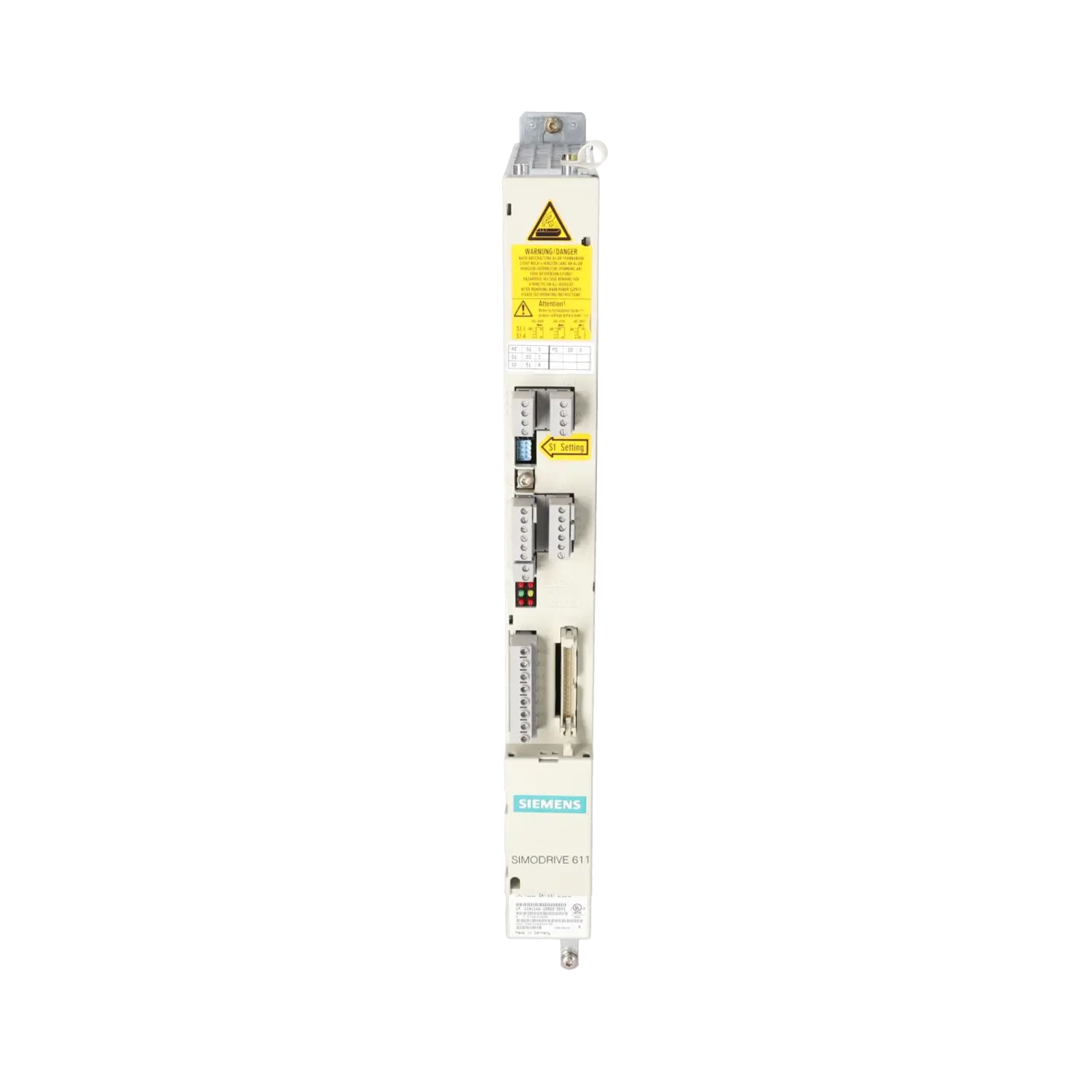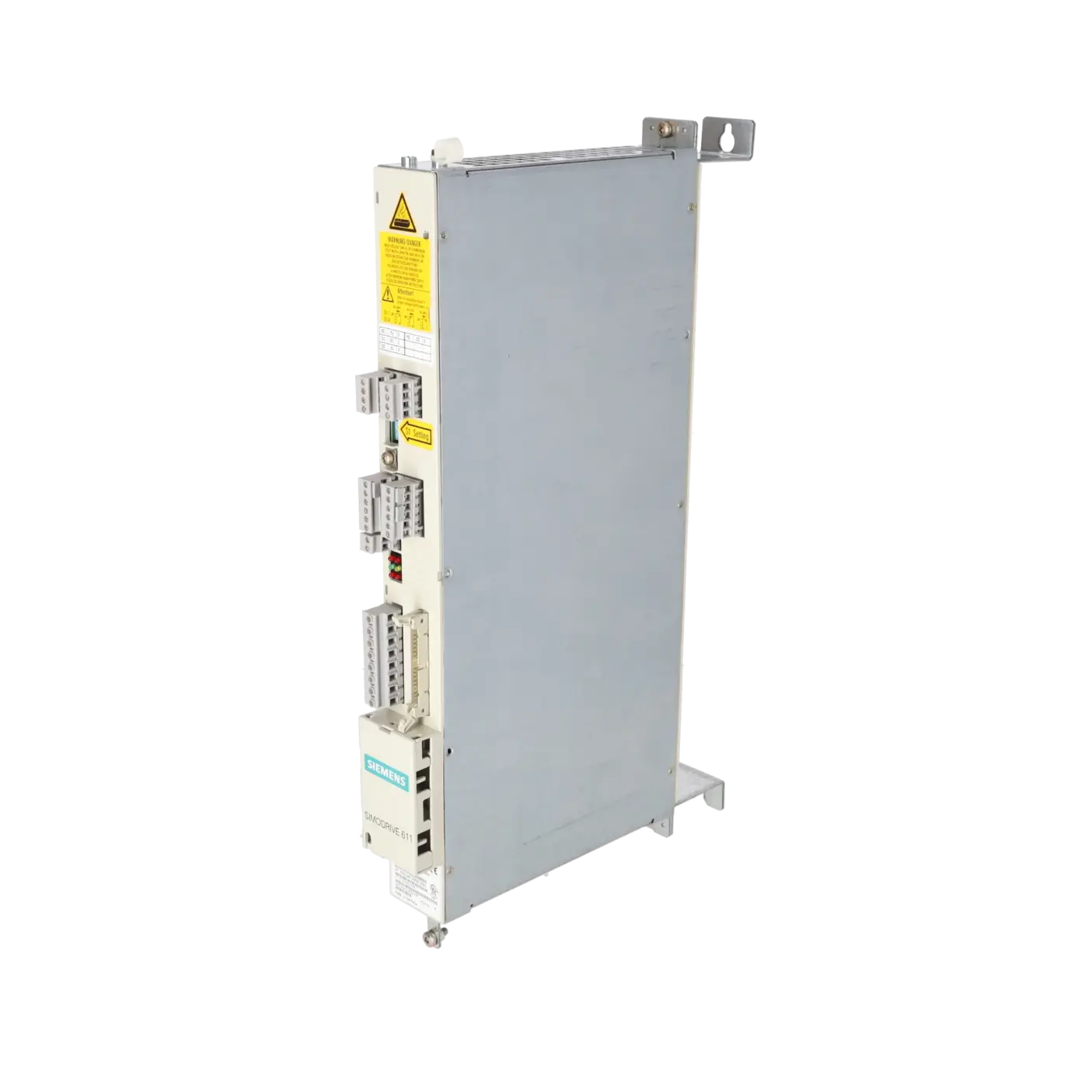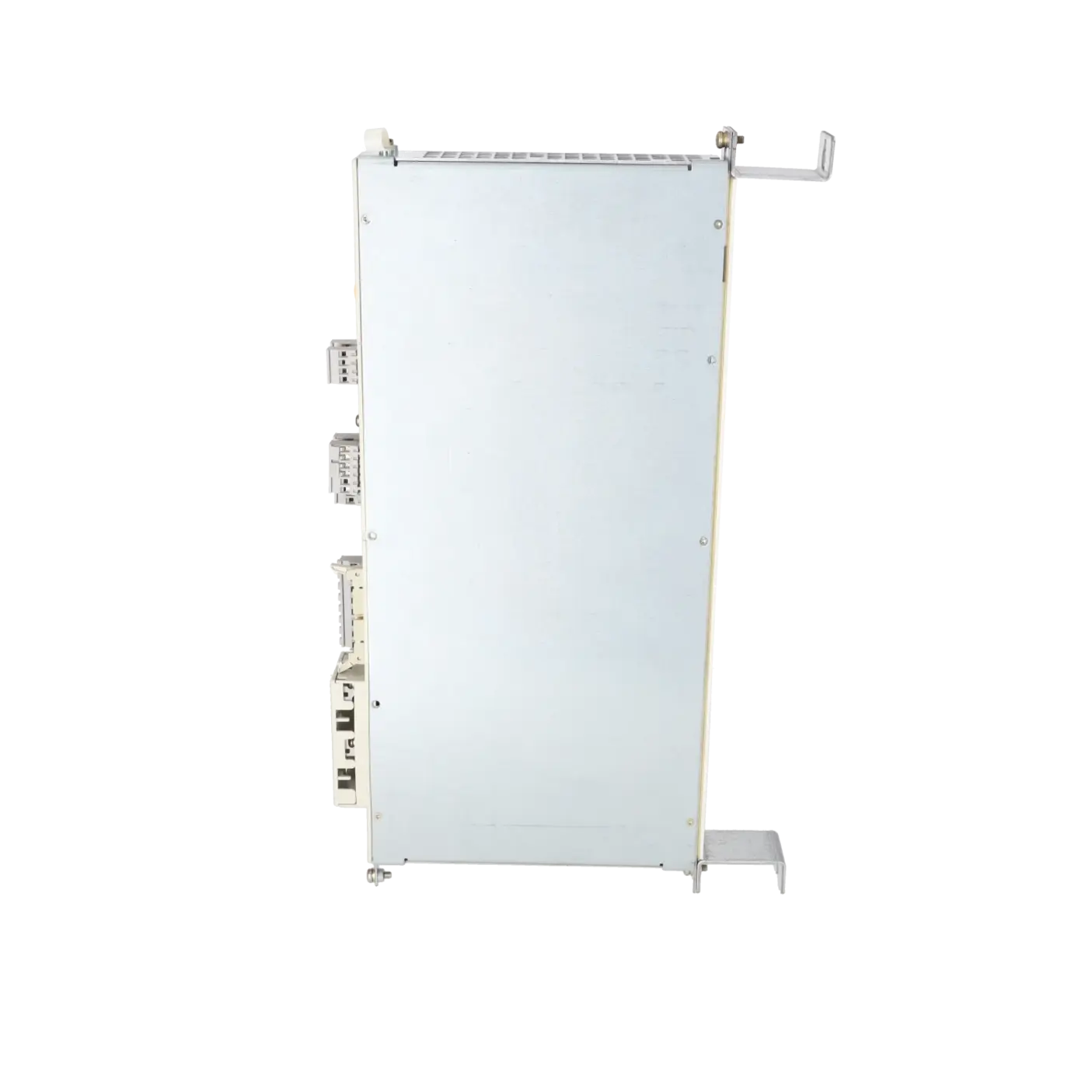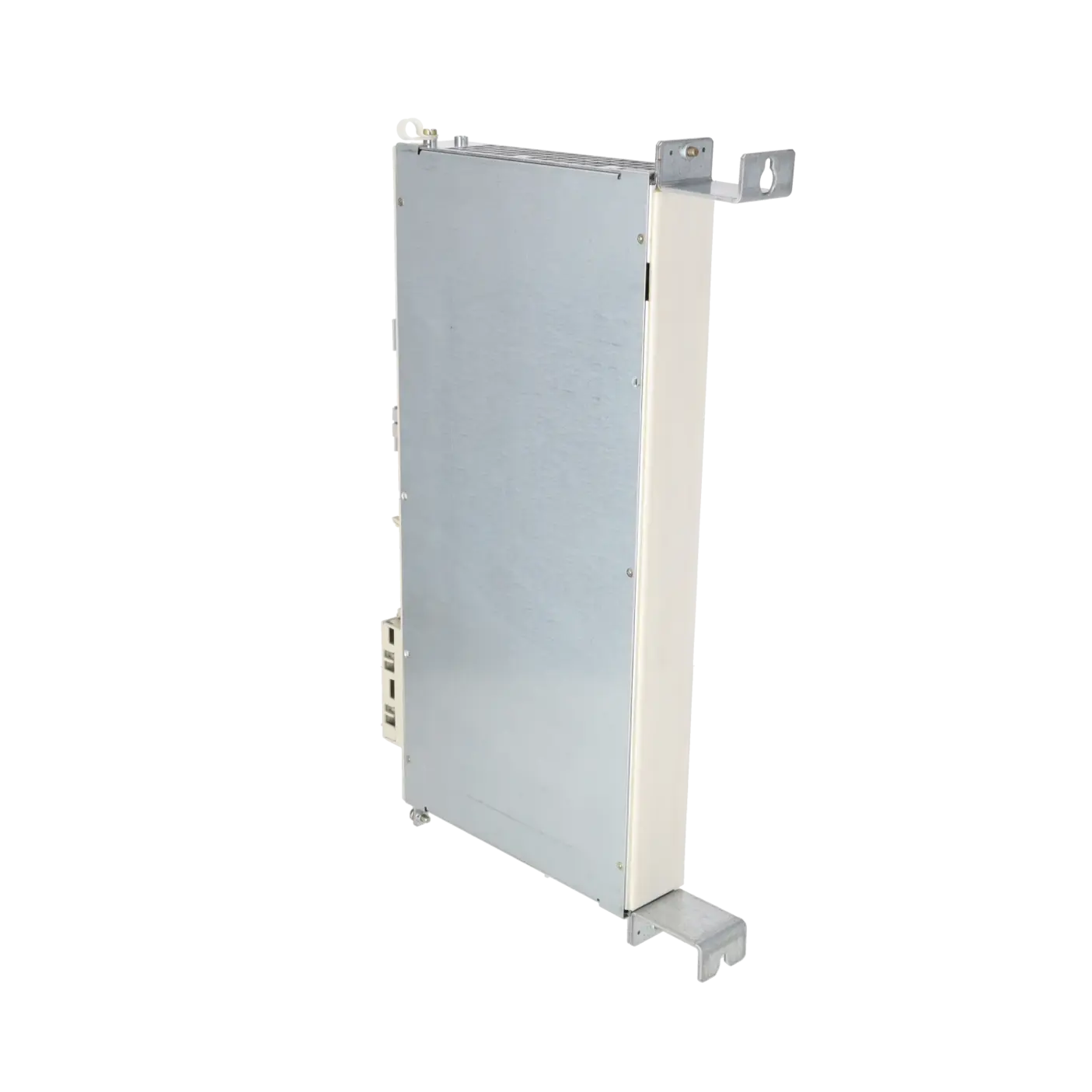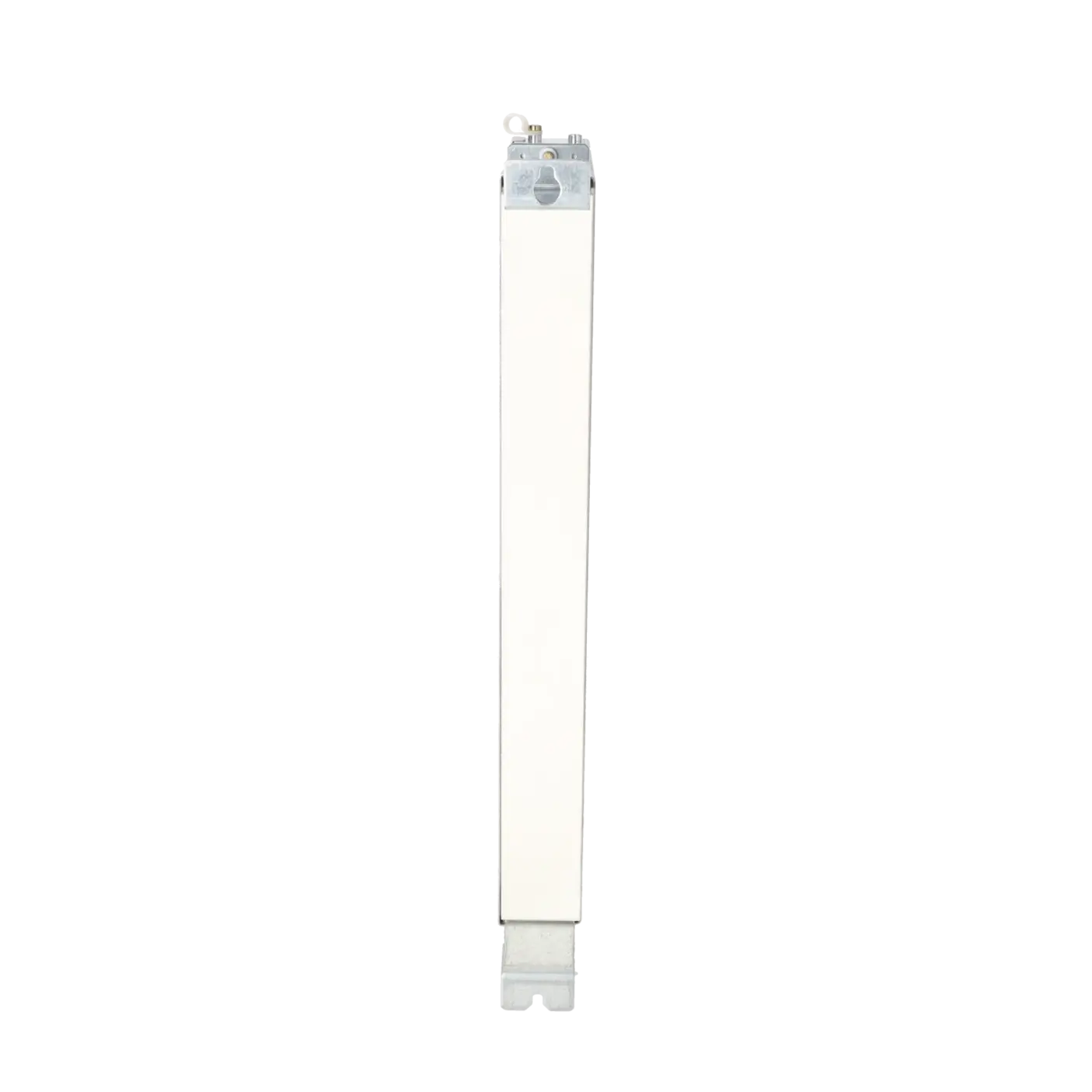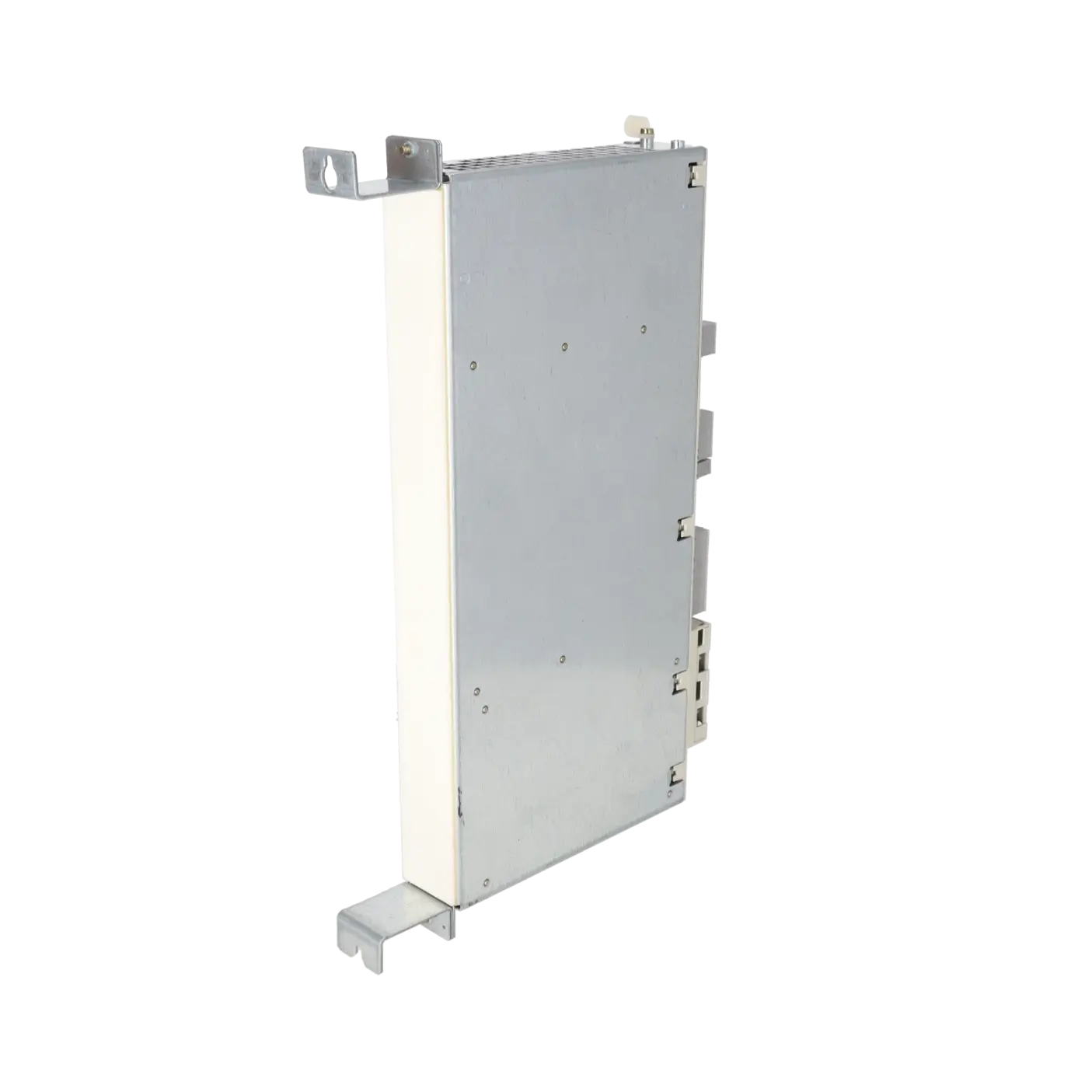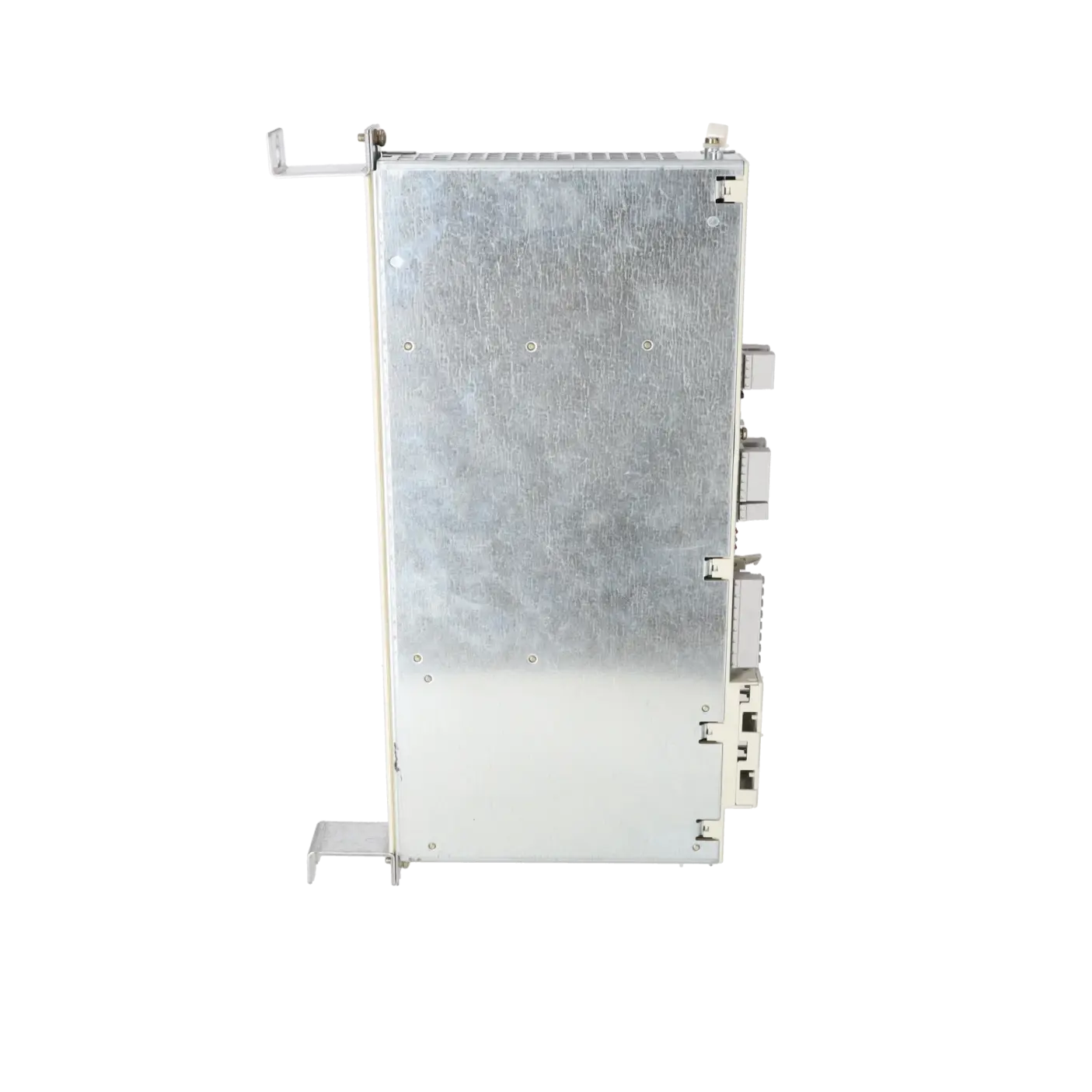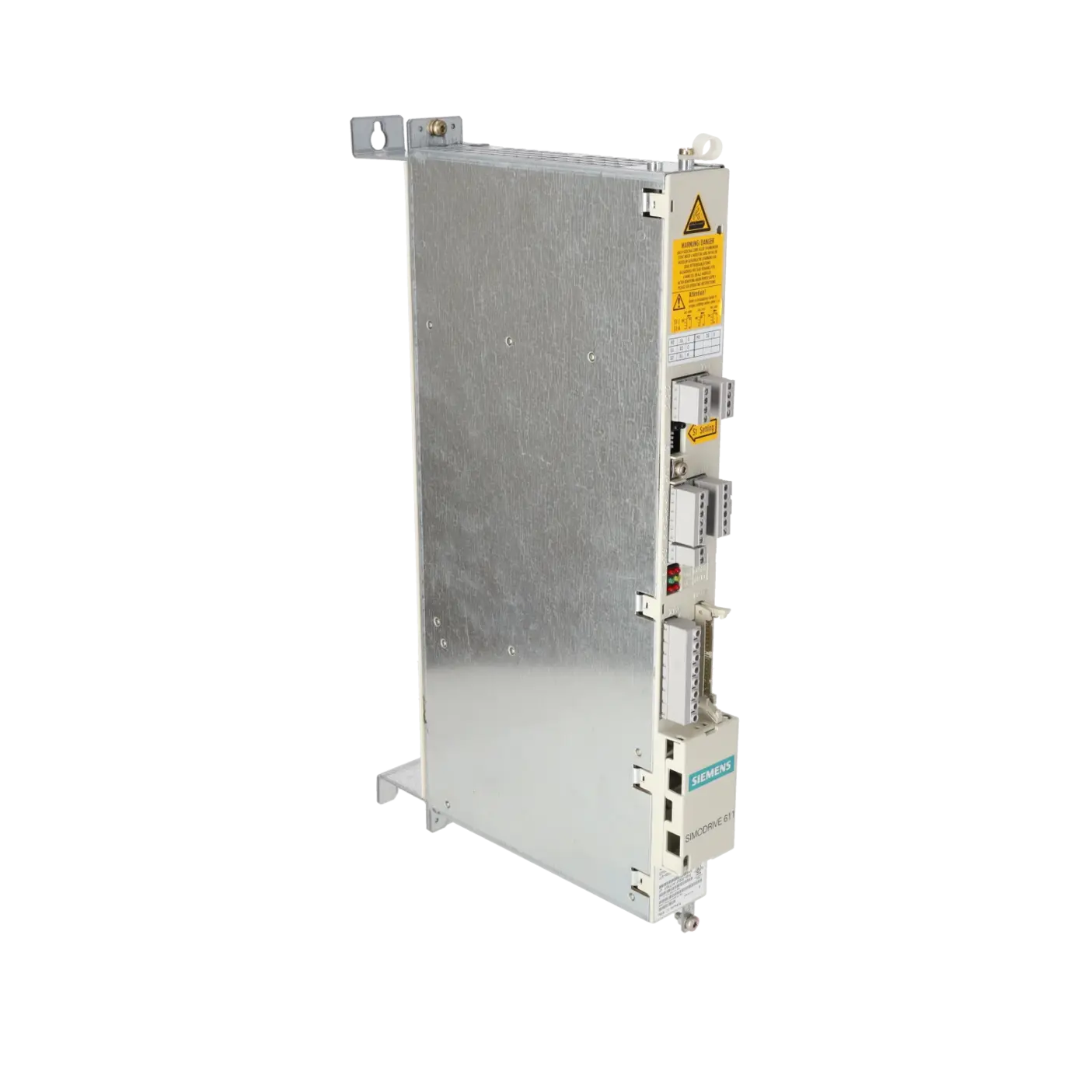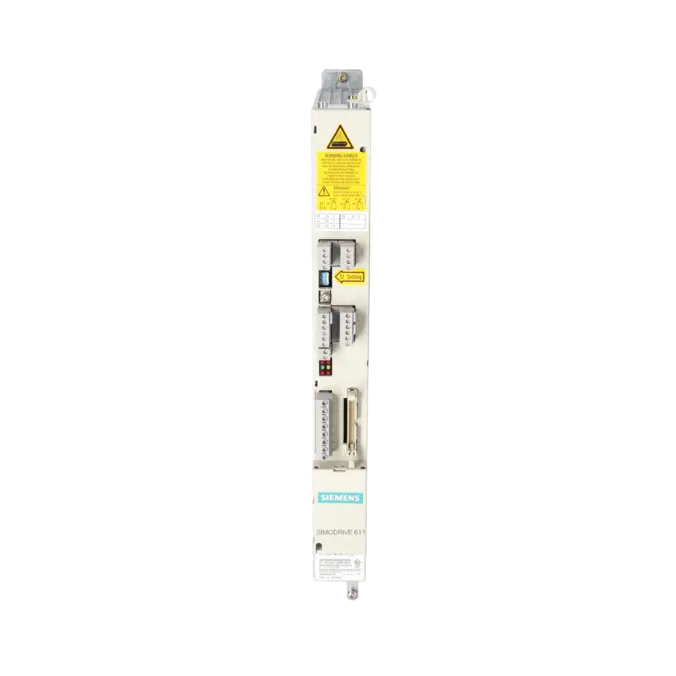
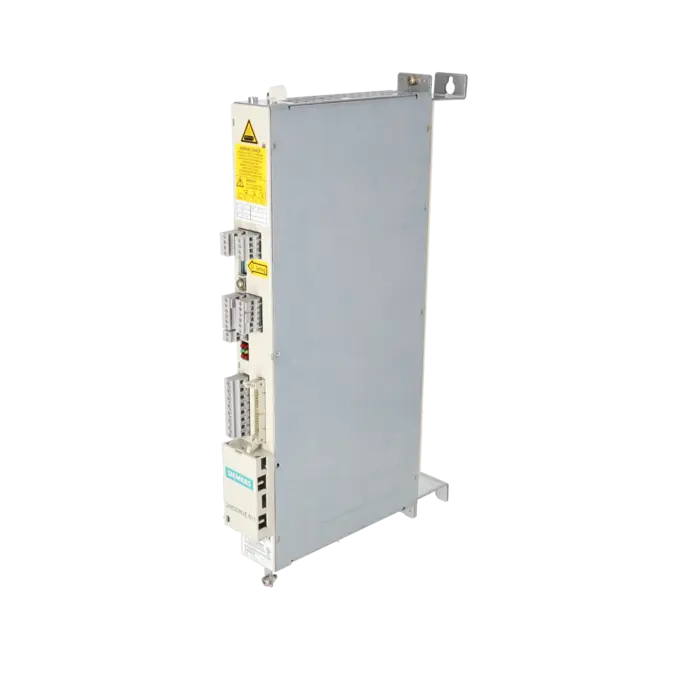
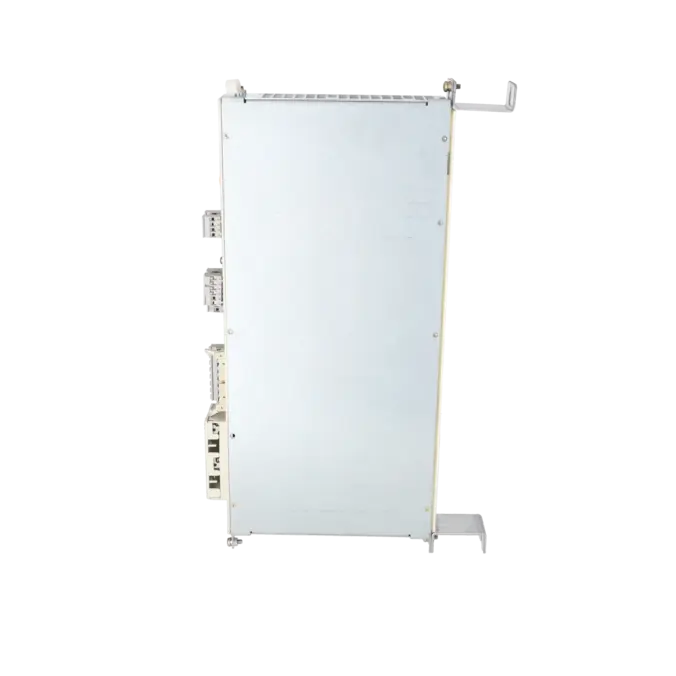
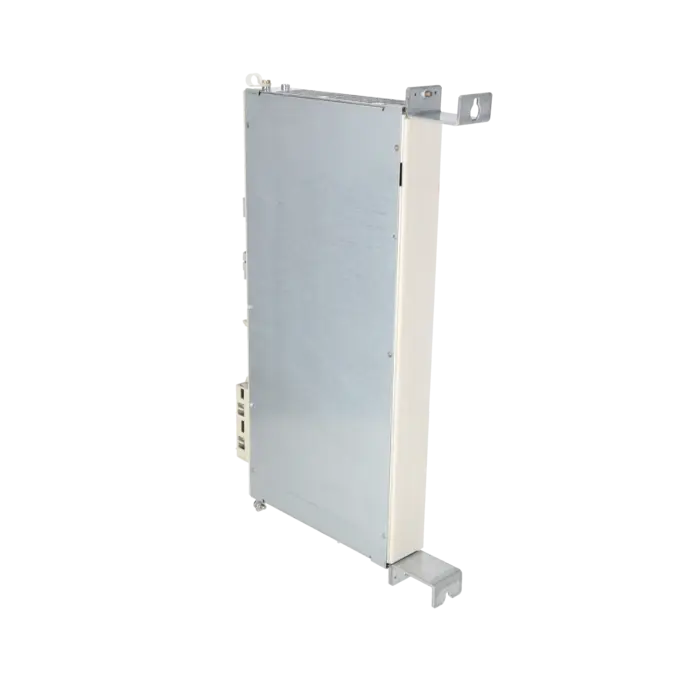
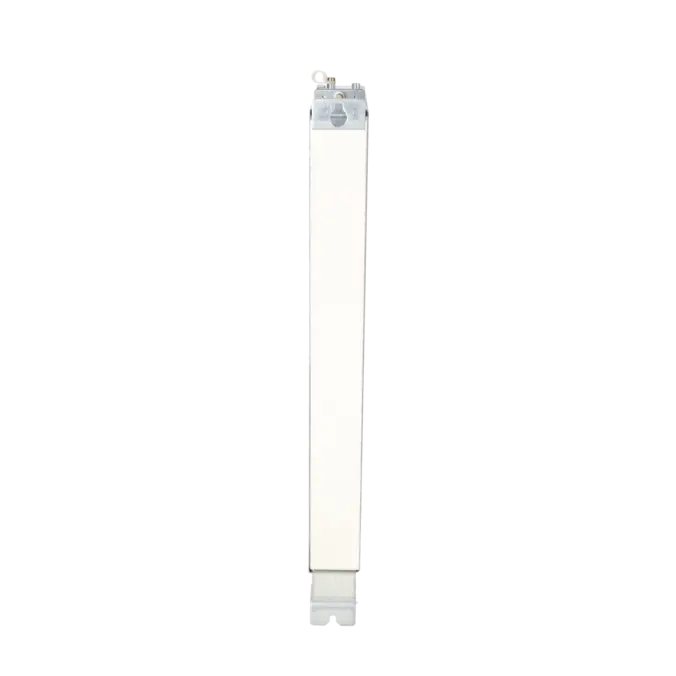
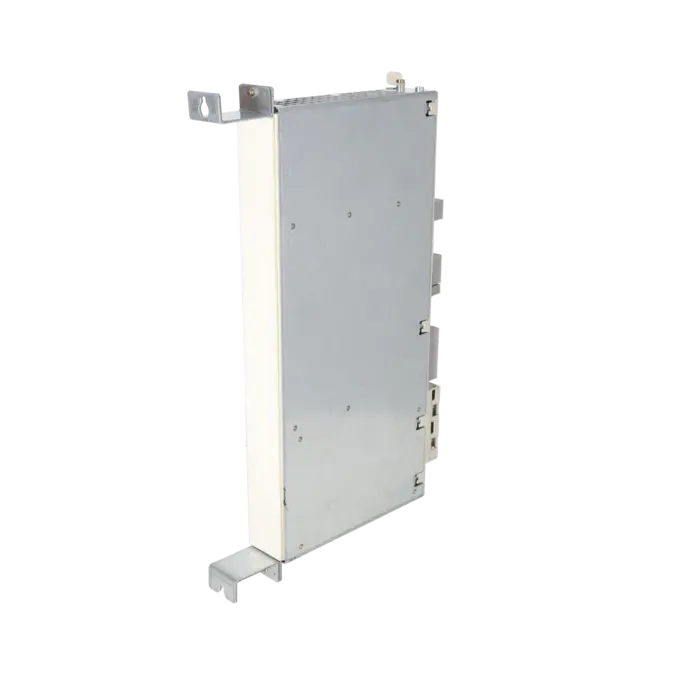
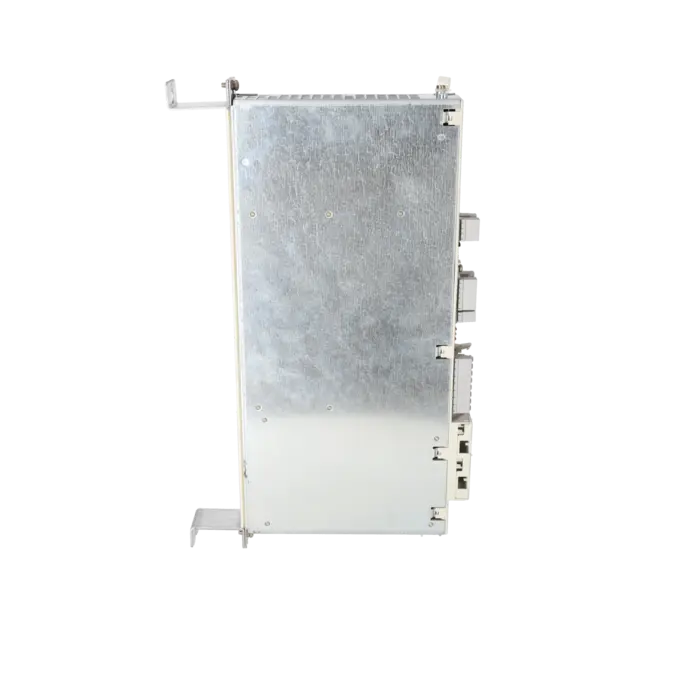
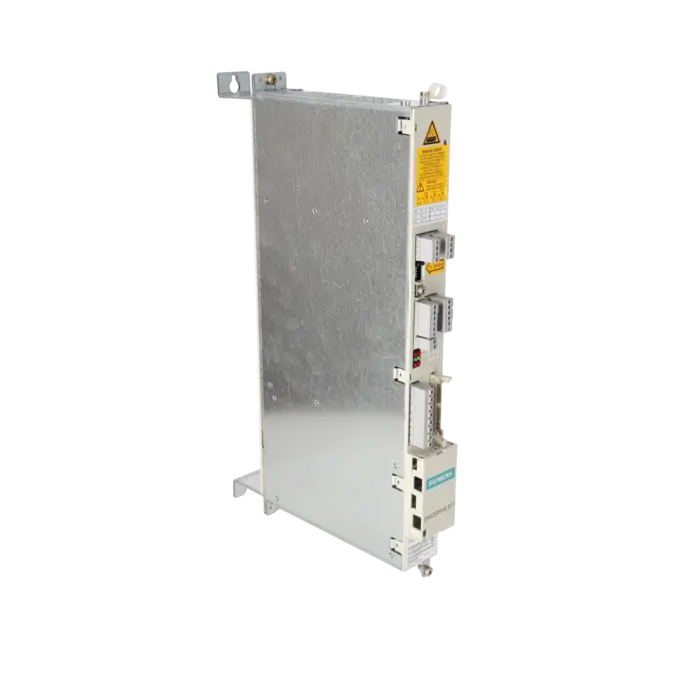
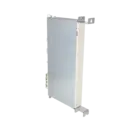
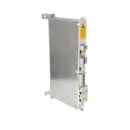
SIEMENS 6SN1146-1AB00-0BA1
- EICHLER-art.no.: K0063851
- EAN: 4025515019633
Product description
SIMODRIVE 611 INFEED MODULE, 5/10 KW, UNREGULATED, WITH INTERNAL/EXT. COOLING
Services for SIEMENS 6SN1146-1AB00-0BA1
Repair
from 1.102,70 €
to 1.984,85 €
Replacement
Used
1.755,00 €
1.667,25 €
New
SIEMENS |
6SN1146-1AB00-0BA1 –
additional product information
| Delivery information | |||
|---|---|---|---|
| Export identifier | AL: ECCN: | ||
| Net weight | 5.8 | ||
| Quantity | 1 Stück | ||
| Packaging quantity | 1 | ||
| Additional product information | |||
|---|---|---|---|
| Product status | EOP: 2015-04-01 | ||
| EAN | 4025515019633 | ||
| UPC | / | ||
| Static lot number | 85044083 | ||
| List indicator | / | ||
| Product group | 9313 | ||
| Country of origin | DE | ||
| Compliance with the substance restrictions according to RoHS directive | Since: / | ||
| Product classifications | Version | Classification | |
|---|---|---|---|
| eClass | 4 | / | |
| eClass | 5.1 | / | |
| eClass | 6.0 | / | |
| ETIM | 3 | / | |
| ETIM | 4 | / | |
| ETIM | 5 | / | |
What is 6SN1146-1AB00-0BA1 and where is it used?
6SN1146-1AB00-0BA1 is a SIEMENS SIMODRIVE 611 infeed module in the 5 kW power class. Siemens describes it as an unregulated UI/UE module with internal or external heat dissipation. Its function is to connect the SIMODRIVE 611 drive system to the three-phase mains supply and provide the DC link voltage for the downstream drive modules.
This assembly is therefore typical of older but still productive machine tools, CNC systems and servo axes based on the SIMODRIVE 611 architecture. For maintenance and purchasing departments, the exact part number is important because power rating, cooling type, installation width and switching thresholds vary significantly within the product family.
Overview of the key technical data and what they mean
Technically, 6SN1146-1AB00-0BA1 represents 5 kW rated power, 6.5 kW S6 power, and 10 kW peak power. The rated current is 12 A, the module width is 50 mm, and the weight is 6.5 kg.
For control cabinet design, the compact dimensions are also relevant: approximately 480 mm height, 289 mm depth, and a version suitable for internal/external cooling.
The module includes an integrated pulse resistor rated at 0.2 kW continuous power and 10 kW peak power. Using the selector switch, the module can be configured for 3-phase 400 V AC, 415 V AC or 480 V AC, resulting in typical DC link voltages of approximately 600 V DC or 625 V DC.
For operators, this means that the mains voltage, switch setting and thermal installation conditions must match to ensure stable infeed operation.
Product status, life-cycle status and obsolescence
For this specific article number, EICHLER lists the product status as EOP (End of Production) dated 2015-04-01.
In addition, Siemens explicitly lists 6SN1146-1AB00-0BA1 in the official discontinuation notice for the SIMODRIVE 611 converter system. At the same time, the assembly continues to be supported as a spare part in Siemens documentation.
For operators, this is a typical obsolescence management scenario where availability, test status and repairability are more important than theoretical catalogue availability.
I could not verify a Siemens-documented 1:1 successor for this exact MLFB in the reviewed Siemens sources. Therefore, any replacement should always be evaluated based on the actual machine configuration, mains supply arrangement and connected axis modules.
Available EICHLER services and when they are relevant
For 6SN1146-1AB00-0BA1, EICHLER offers several practical service options.
Repair is particularly useful when the existing module matches the machine mechanically and functionally and unplanned modifications should be avoided. EICHLER specifies a repair turnaround time of 7–10 days and provides a minimum 24-month warranty.
Exchange service is the preferred option when downtime costs are higher than the waiting time for repair; EICHLER indicates 1–3 days for this service.
Used units are attractive when an identical module is required quickly to secure spare-part availability.
New units are available on request rather than through direct pricing.
For maintenance, purchasing and production teams, this range of options provides flexibility to keep systems operational even within an obsolete product environment.
| Fault description | Possible solution |
|---|---|
| Why does my 6SN1146-1AB00-0BA1 report "Unit not ready for operation" or why is the enable signal missing? | On the 5 kW UI module, the enable signals at terminals 63, 64 and 48 are among the basic requirements for operational readiness. If the module remains disabled, first measure the 24 V signals and then check the behaviour of the internal mains contactor, the LED status indicators and the DC link. If the enable signals are missing or the contactor does not pull in correctly, the infeed remains inhibited. |
| Why does the 6SN1146-1AB00-0BA1 indicate a mains fault? | In the event of a mains fault, first check the incoming supply, the upstream fuses and the actual mains configuration. Siemens designs the NE modules for symmetrical 3-phase TN systems; for TT or IT systems, an upstream isolating transformer is required. If the supply and fuses are functioning correctly, the overvoltage limiting module should also be checked, as Siemens specifically identifies this component as a diagnostic point when a mains fault is present. |
| Why is there no DC link voltage of approximately 600 V DC? | Depending on the mains voltage setting, the module operates with typical DC link voltages of approximately 600 V DC at 400 V AC or 625 V DC at 415 V AC. If the voltage is missing or collapses, check S1.1/S1.4, the mains supply, the pre-charging circuit and the internal mains contactor. Siemens documentation and practical experience identify the yellow LED, together with an existing DC link voltage, as an important diagnostic indicator. |
| Why does the 6SN1146-1AB00-0BA1 show a DC link overvoltage condition or a red LED? | This module is unregulated. Excess braking energy is not fed back into the mains on the 5 kW module, but is dissipated through the integrated pulse resistor. Therefore, in the event of overvoltage or DC link faults, check the mains voltage setting, the switch positions and the functionality of the pulse resistor. An incorrect voltage setting or heavy braking can cause the operating thresholds to approach the monitoring limits. |
| Why does the NE module remain in fault condition despite correct 24 V enable signals? | In this case, the diagnosis should be extended to the entire drive chain. In a typical SIMODRIVE 611 application, causes discussed included AS1/AS2 ready contacts, device bus ribbon cables and a missing or empty drive configuration in the NC archive. Therefore, if the infeed module appears electrically sound, the next logical checks are the control cards, the device bus connectors and the loaded machine configuration. |
Is 6SN1146-1AB00-0BA1 a regulated or unregulated infeed module?
6SN1146-1AB00-0BA1 is an unregulated infeed module of the SIMODRIVE 611 family. This distinction is important because it directly determines the operating behaviour of the module: it provides the DC link supply for the drive system but does not operate like a regulated infeed/regenerative module with active energy feedback into the mains. During braking operations, the integrated pulse resistor therefore plays a central role. For correct spare-part selection, the article number should not simply be interpreted as an "infeed unit" but according to its specific module function.
For which supply voltages is 6SN1146-1AB00-0BA1 designed?
The module is intended for 3-phase 400 V AC, 415 V AC and 480 V AC operation. Adaptation is carried out via the S1.1 and S1.4 switch settings. Siemens specifies typical DC link voltages of approximately 600 V DC with the 400 V setting and approximately 625 V DC with the 415 V setting. For purchasing and maintenance departments, this is important because a mechanically compatible module alone is not sufficient: the mains supply, switch settings and machine parameterisation must match, otherwise faults or unstable operating conditions may occur.
Which mechanical installation dimensions are particularly important during replacement?
The most important dimensions for replacement are the 50 mm module width, approximately 480 mm height, approximately 289 mm depth, and the 6.5 kg weight. It must also be considered whether the machine uses internal or external heat dissipation. Siemens additionally shows for the 5 kW UE module that the installation arrangement differs when external cooling is used. In practice, these points are often decisive for purchasing, because an electrically similar module cannot necessarily be installed in an existing cabinet if the cooling concept or installation conditions differ.
What does EOP mean for spare-part procurement of 6SN1146-1AB00-0BA1?
In this case, EOP indicates an advanced life-cycle and discontinuation status. EICHLER lists the article with EOP: 2015-04-01, and Siemens explicitly included the module in the SIMODRIVE 611 discontinuation programme. For procurement, this means that the focus shifts away from regular serial availability towards spare-part management, repairability, functional testing and rapidly available exchange solutions. This is why reliable service processes and tested stock units become particularly important in this environment.
Is an official Siemens successor known for 6SN1146-1AB00-0BA1?
No explicitly designated 1:1 Siemens successor for 6SN1146-1AB00-0BA1 could be verified in the reviewed Siemens product, support and phase-out documentation. This is an important limitation for any procurement decision. In SIMODRIVE 611 systems, selecting a unit with a similar power rating is usually not sufficient. The cooling concept, DC link arrangement, mains supply configuration, module width and the existing system architecture are equally important. Any replacement should therefore be treated as an application-specific compatibility assessment rather than a simple part-number substitution.
When is repair more sensible than replacement for 6SN1146-1AB00-0BA1?
Repair is usually the better option when the existing module matches the machine exactly and modifications should be avoided. Replacement is primarily focused on minimising downtime. According to the EICHLER information, repairs typically require 7–10 days, while exchange units and used units are available within 1–3 days. As a result, exchange is often the faster solution when machine downtime is extremely costly, whereas repair is frequently the more economical choice when maintaining the exact original configuration, ensuring testing quality and supporting a sustainable spare-parts strategy are the main priorities.