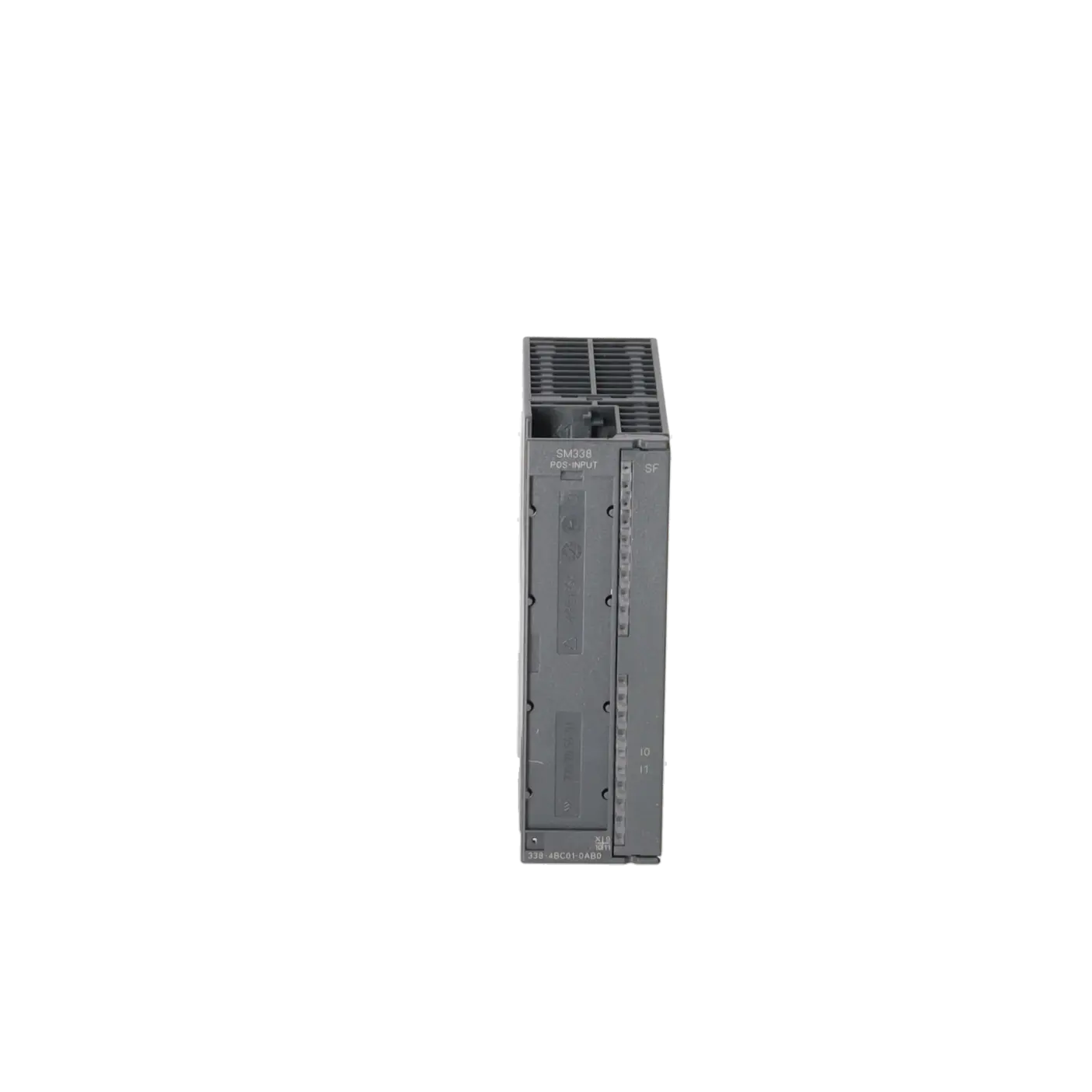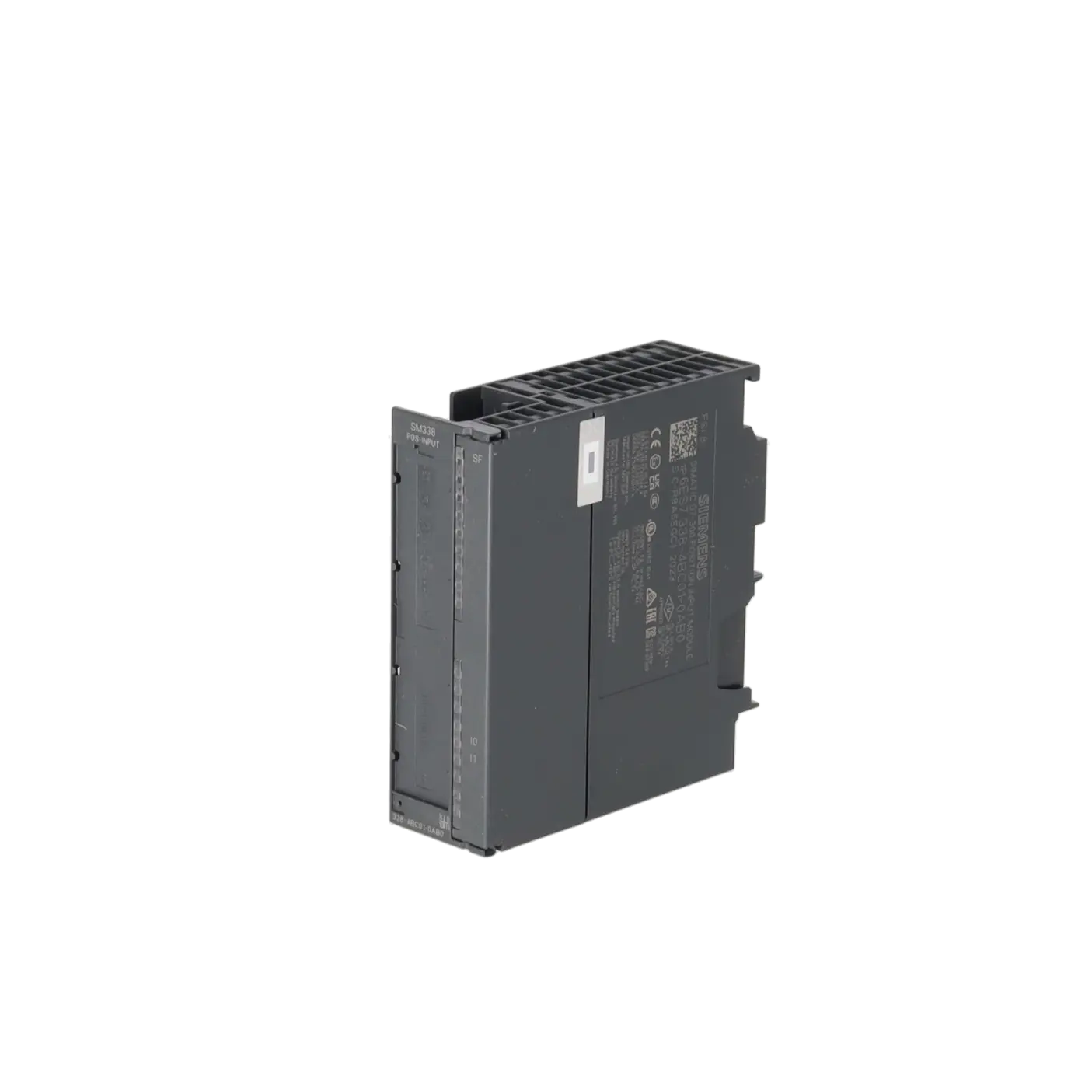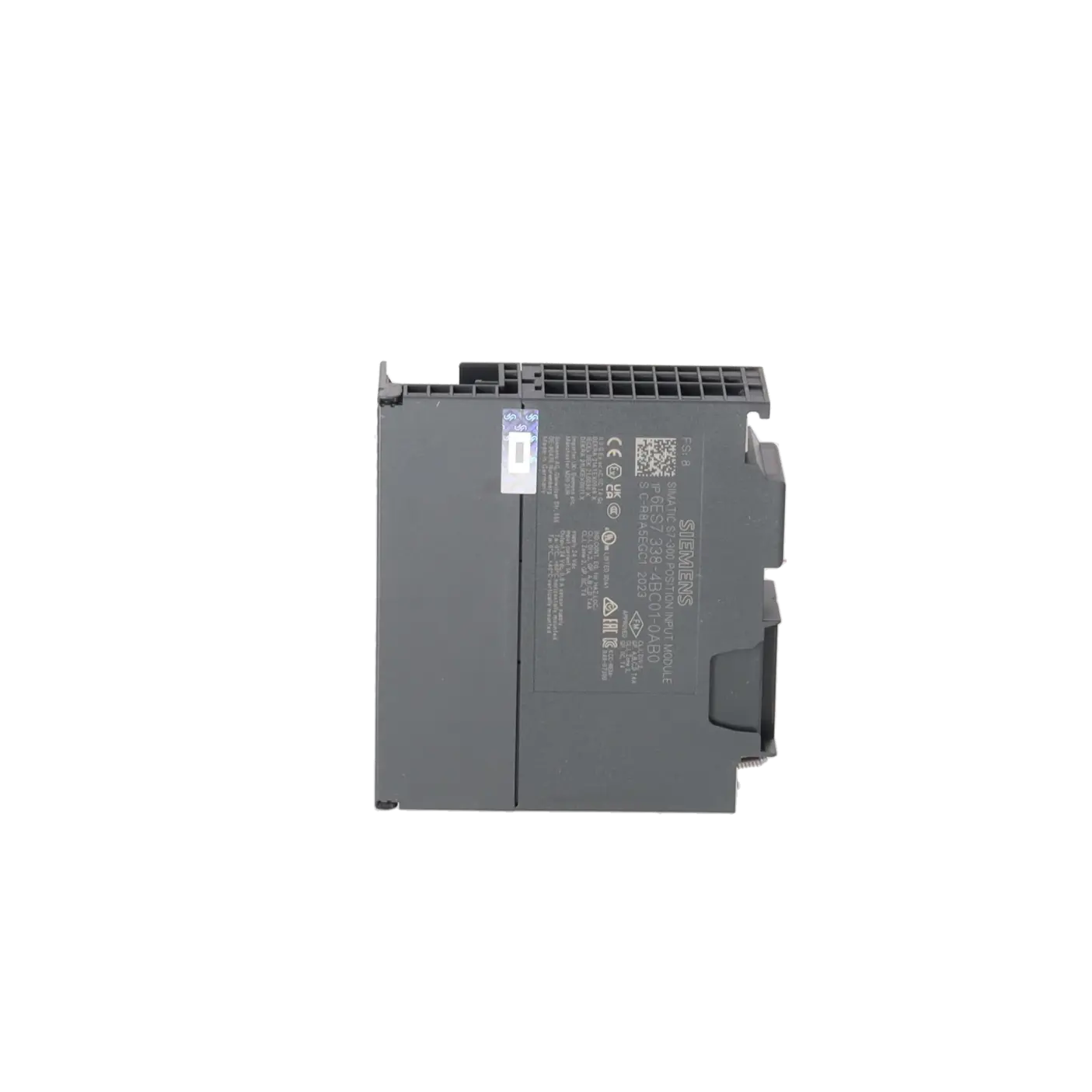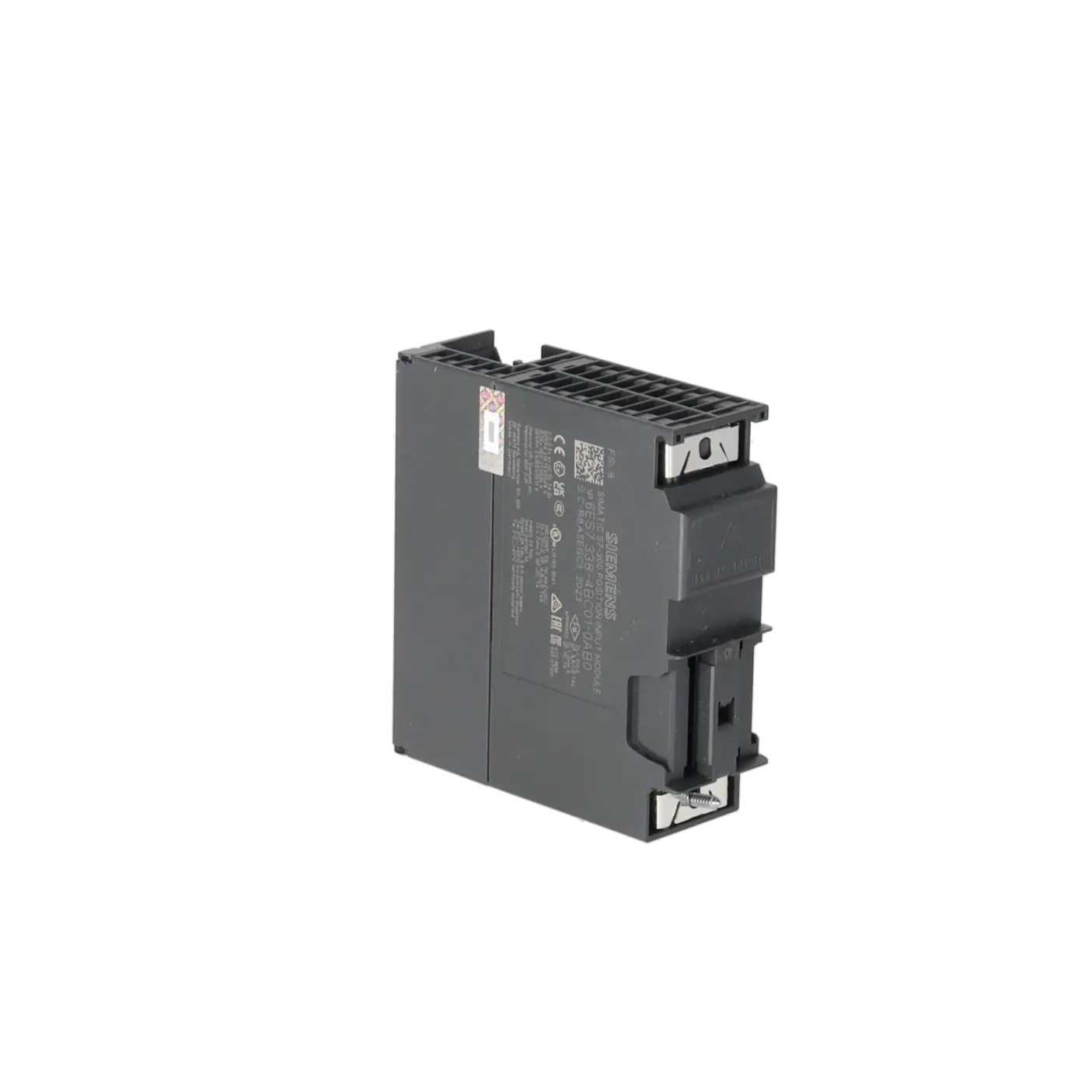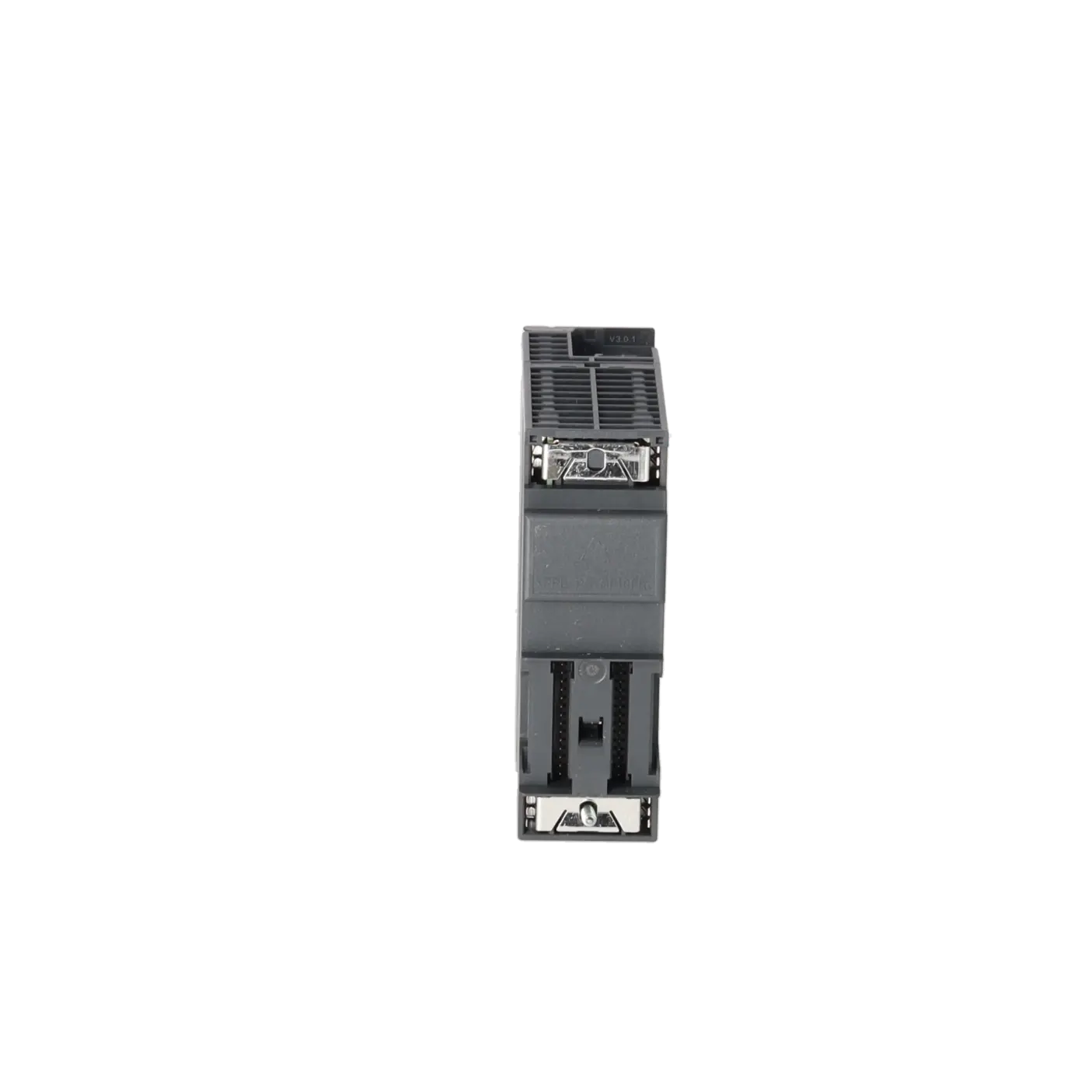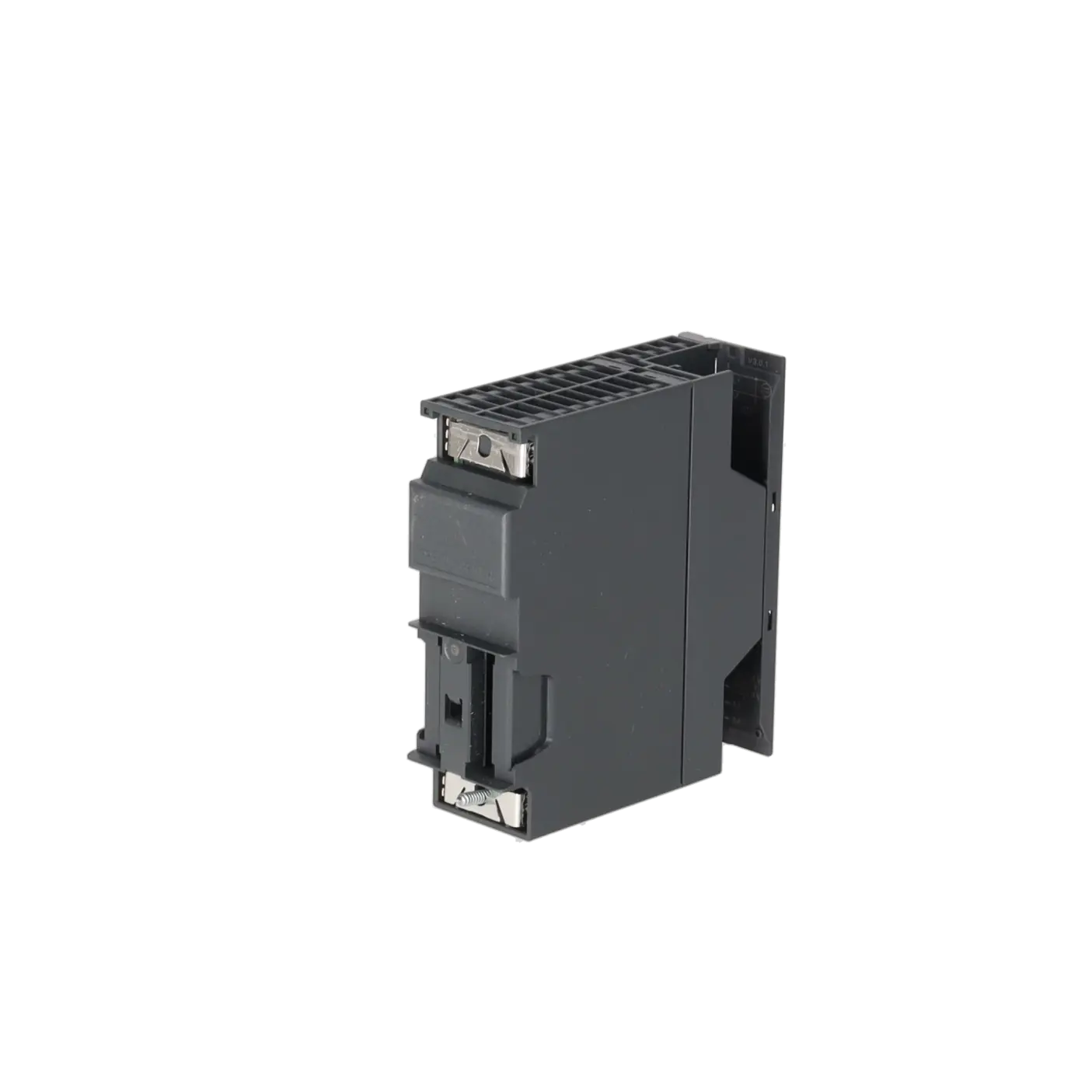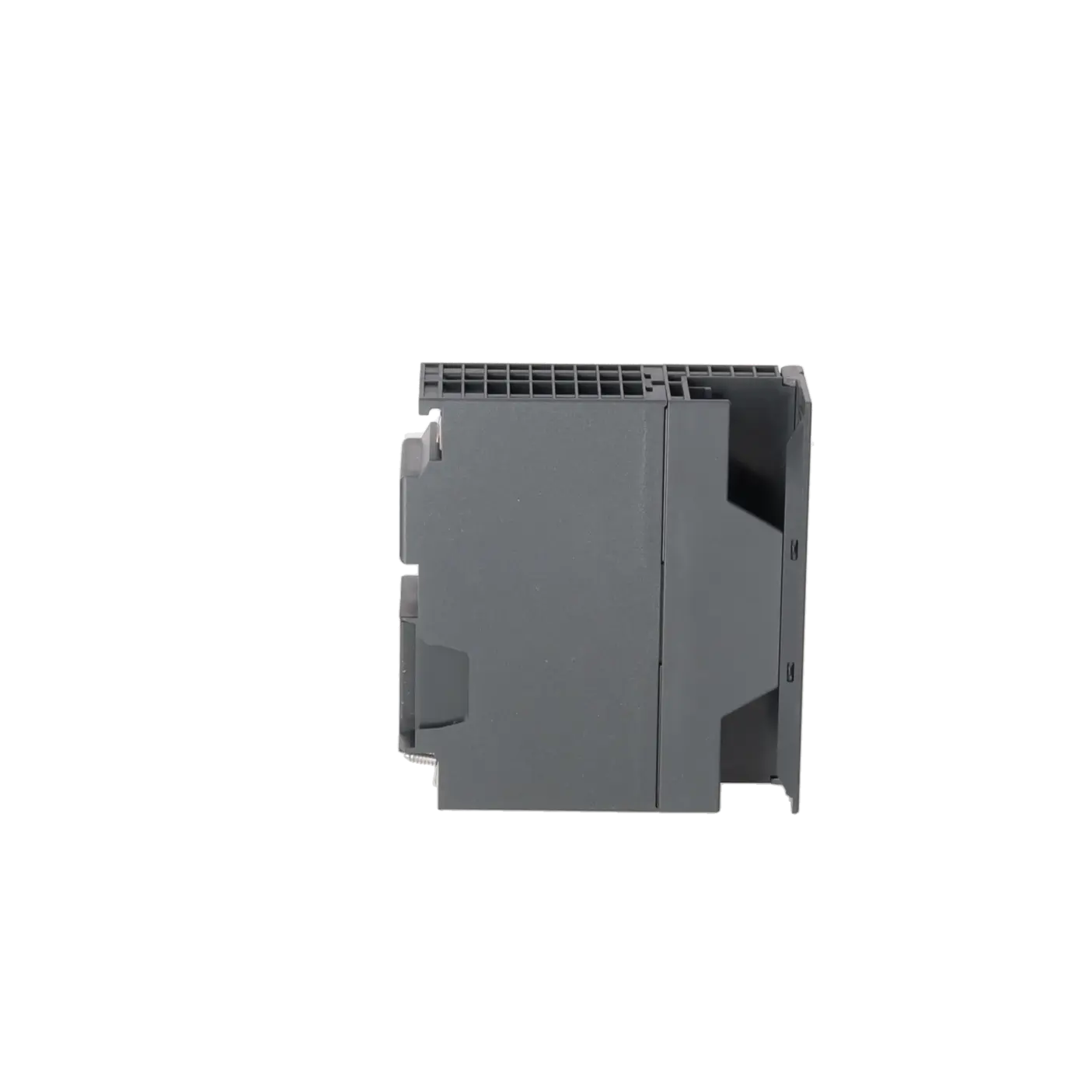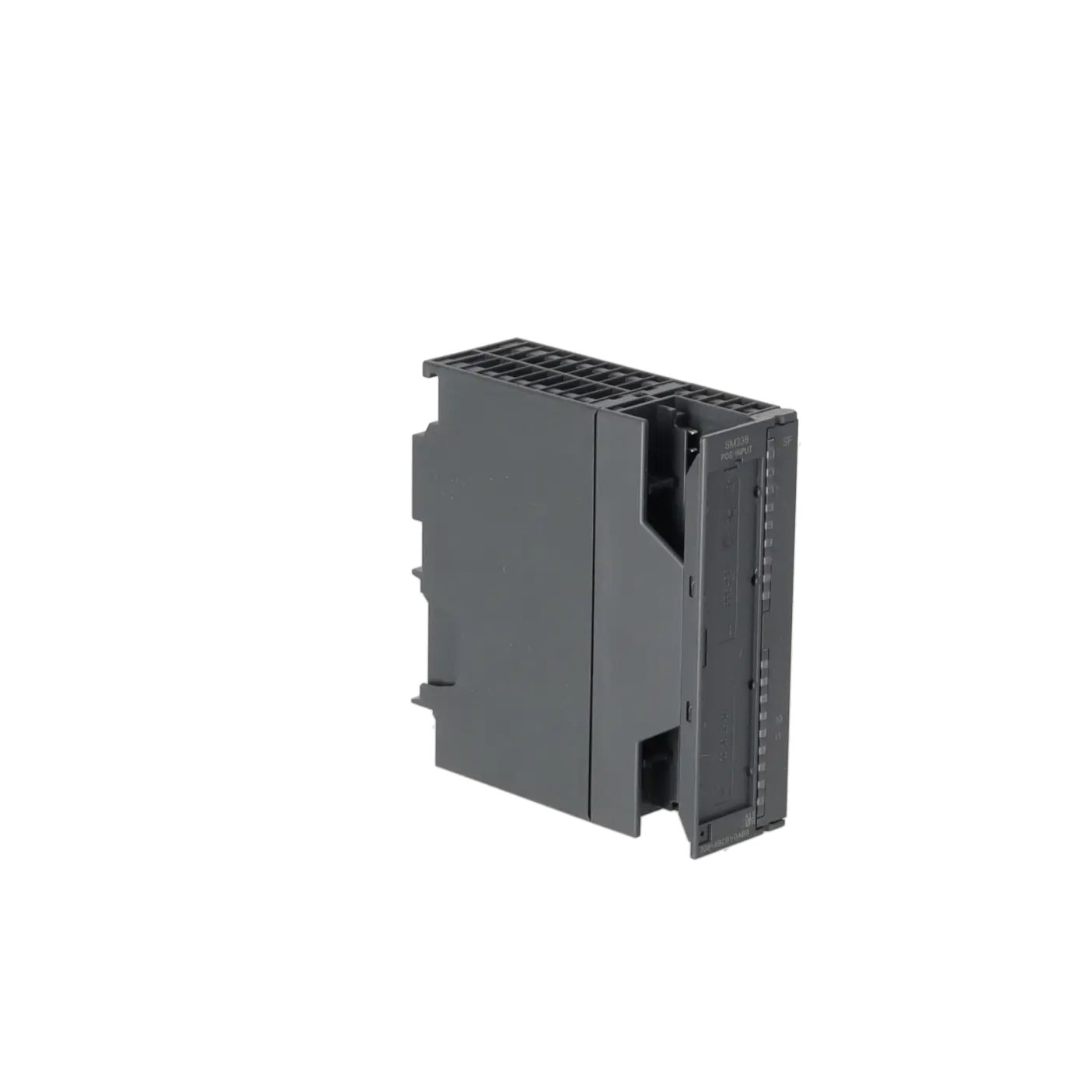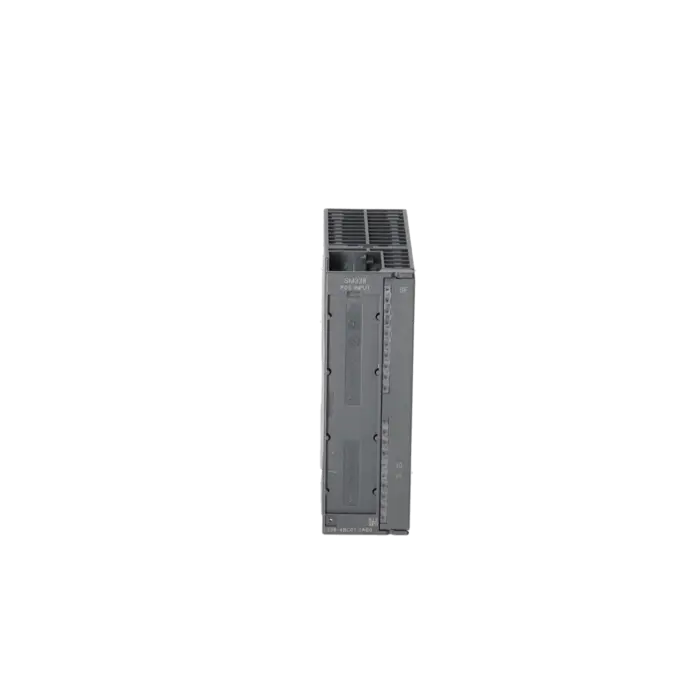
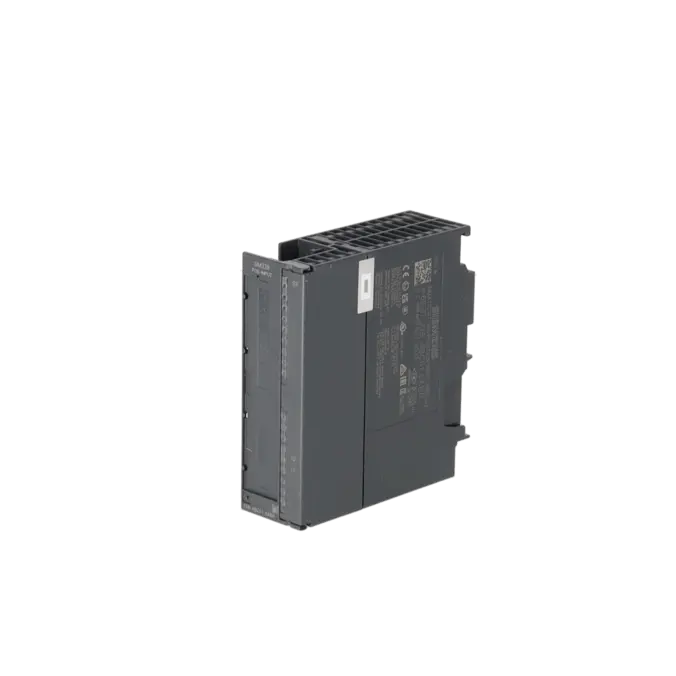
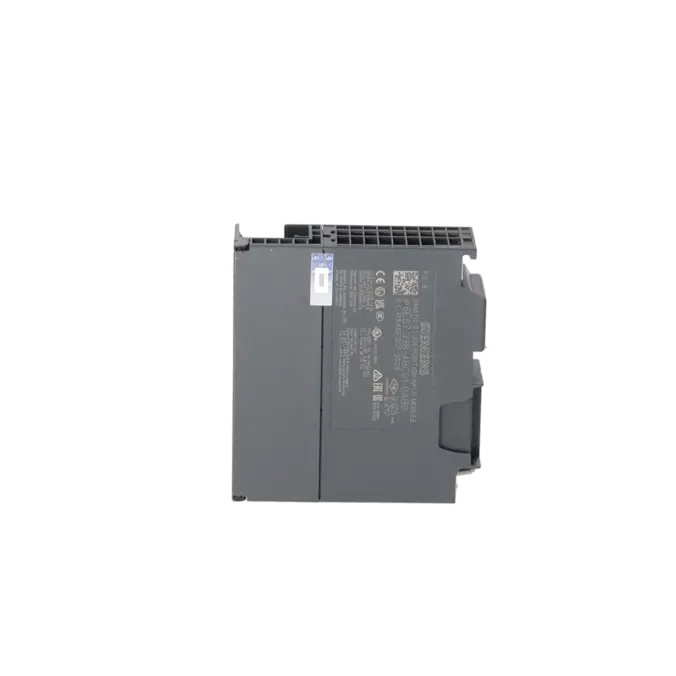
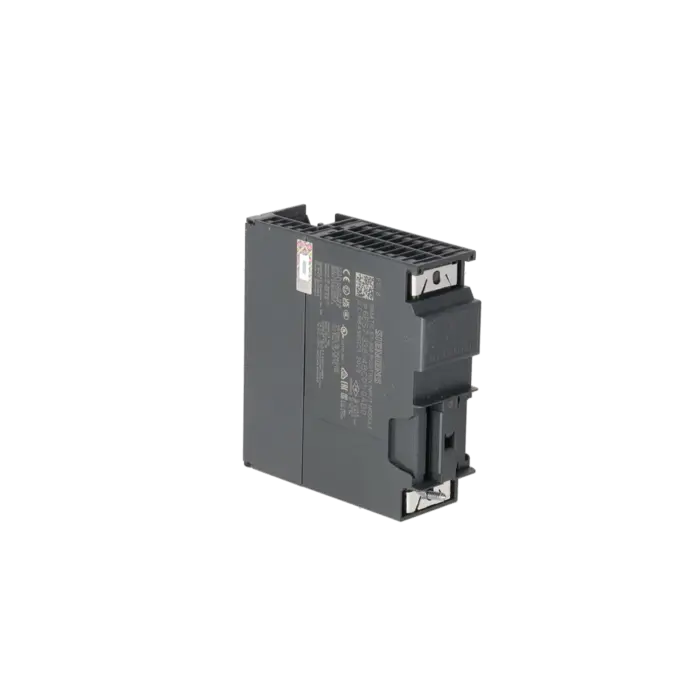
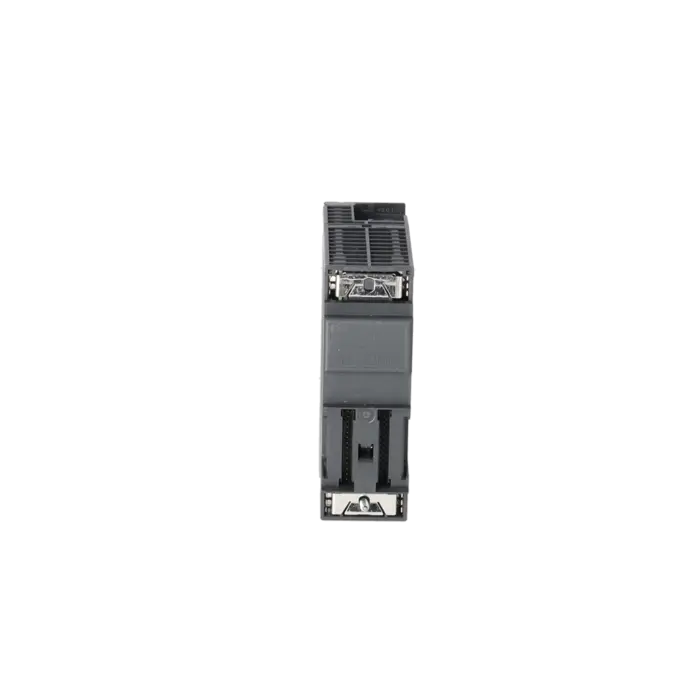
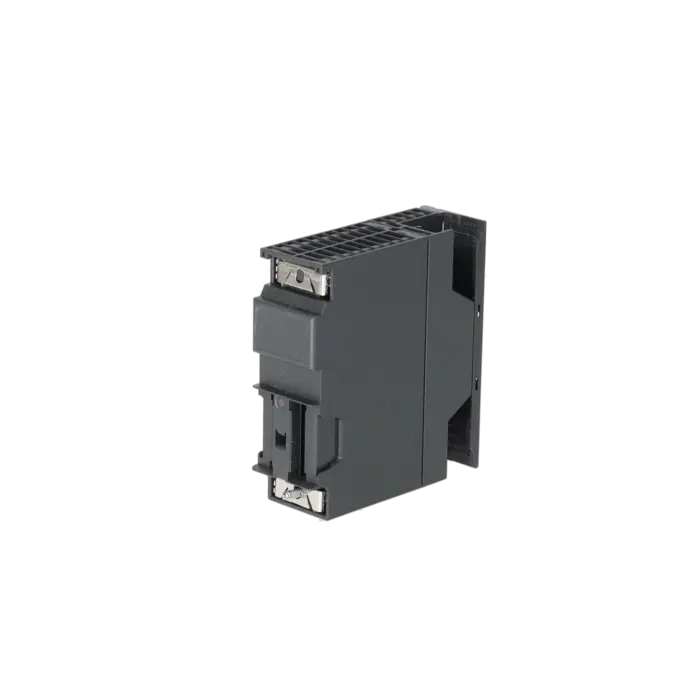
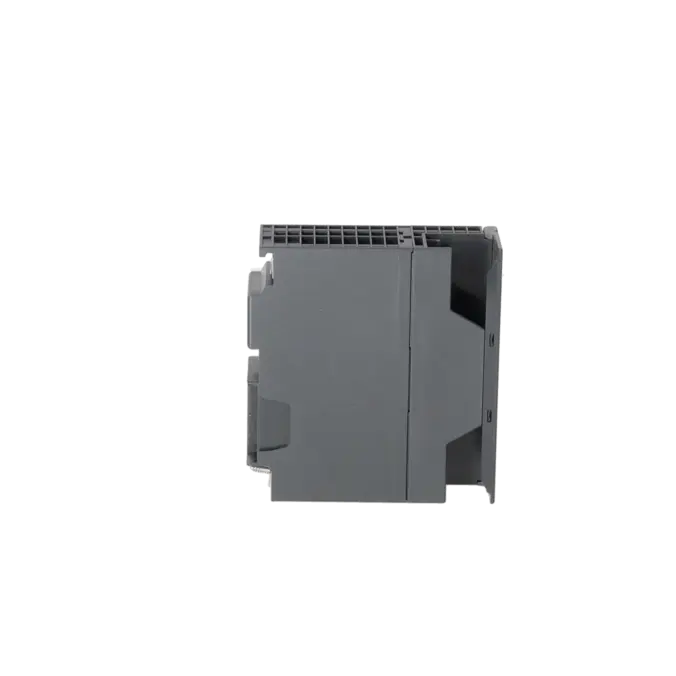
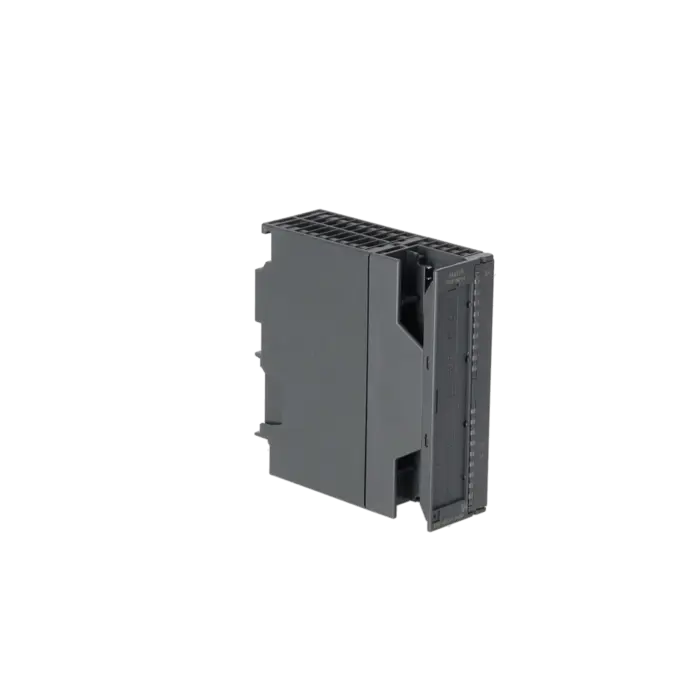

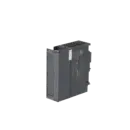
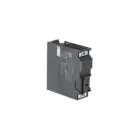
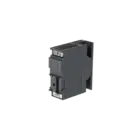

SIEMENS 6ES7338-4BC01-0AB0
- EICHLER-art.no.: K0131560
- EAN: 4025515068853
- UPC: 662643174502
Product description
SIMATIC S7-300, SIGNAL MODULE FOR 3 SSI ENCODERS FOR READING IN THE POSITION VALUE WITH 2 FREEZE INPUTS, 1X 20-POLE SUPPORTS ISOCHRONOUS MODE
Services for SIEMENS 6ES7338-4BC01-0AB0
Repair
from 324,15 €
to 583,47 €
Replacement
Used
512,83 €
384,62 €
New
569,80 €
427,35 €
SIEMENS |
6ES7338-4BC01-0AB0 –
additional product information
| Delivery information | |||
|---|---|---|---|
| Export identifier | AL: N ECCN: EAR99H | ||
| Net weight | 0.248 | ||
| Quantity | 1 Stück | ||
| Packaging quantity | 1 | ||
| Additional product information | |||
|---|---|---|---|
| Product status | EOP: 2025-10-01 | ||
| EAN | 4025515068853 | ||
| UPC | 662643174502 | ||
| Static lot number | 85389091 | ||
| List indicator | ST73 | ||
| Product group | X07Y | ||
| Country of origin | DE | ||
| Compliance with the substance restrictions according to RoHS directive | Since: 20080331 | ||
| Product classifications | Version | Classification | |
|---|---|---|---|
| eClass | 4 | 27-24-03-08 | |
| eClass | 5.1 | 27-24-22-05 | |
| eClass | 6.0 | 27-24-22-05 | |
| ETIM | 3 | / | |
| ETIM | 4 | EC001422 | |
| ETIM | 5 | EC001422 | |
What is the 6ES7338-4BC01-0AB0 and where is it used?
The 6ES7338-4BC01-0AB0 is a SIMATIC S7-300 SM 338 POS-INPUT signal module from Siemens for reading position values from up to three SSI absolute encoders. The module also provides two FREEZE inputs and supports isochronous operation, making it suitable for applications where position values must be captured accurately and with precise timing. Typical applications include format adjustment, axis and travel measurement, length measurement, position detection in conveyor and handling systems, as well as retrofit projects in existing S7-300 installations. For maintenance and procurement teams, the article number is particularly important because it identifies a specialised legacy SSI interface that often remains critical to ongoing plant operation.
Overview of the key technical data and what they mean
The module operates from a 24 V DC load supply, with an allowable range of 20.4 to 28.8 V DC. It can process up to three SSI encoders and supports 13-bit, 21-bit, and 25-bit telegrams in both Gray code and binary code formats. Configurable baud rates are 125 kHz, 250 kHz, 500 kHz, and 1 MHz. As the baud rate increases, the maximum practical shielded cable length decreases significantly, from 320 m at 125 kHz to 20 m at 1 MHz. In practice, this means that both parameterisation and wiring must match the encoder specifications precisely. The module also provides two digital FREEZE inputs, requires a 20-pin front connector, measures 40 × 125 × 120 mm, and weighs approximately 235 g.
Product status, lifecycle status and obsolescence
For the 6ES7338-4BC01-0AB0, obsolescence is now a key consideration. Siemens lists the product as a spare part and assigns the lifecycle status PM410: Product Cancellation, effective 1 October 2025. The EICHLER product page also shows an EOP (End of Product) date of 2025-10-01. Siemens does not identify a direct 1:1 successor within the S7-300 platform for this module. For migration projects to the S7-1500 platform, Siemens maps the functionality to the TM PosInput 2 (6ES7551-1AB00-0AB0). However, this is a technical migration option rather than a direct replacement and must always be evaluated against the specific application, encoder technology, and software architecture.
Available EICHLER services and when they are relevant
For this module, repair, exchange, used equipment, and new stock are particularly important because they help maintain the availability of an obsolete component in active installations. Repair is the preferred option when the existing module already matches the machine, wiring, and parameterisation and downtime needs to be resolved without extensive re-engineering. EICHLER specifies a repair turnaround time of 2–5 days and includes technical cleaning, preventive maintenance, comprehensive functional testing, and a minimum 24-month warranty. Exchange services are especially valuable when a rapid replacement is required to minimise downtime. Used modules can be a cost-effective option for spare-parts stockholding in older production lines, while new stock is attractive when procurement and production departments need to secure availability with short lead times.
| Attribute | Value |
|---|---|
| Supply voltage | |
| Load voltage L+ | |
| ● Rated value (DC) | 24 V |
| ● permissible range, lower limit (DC) | 20.4 V |
| ● permissible range, upper limit (DC) | 28.8 V |
| Input current | |
| from load voltage L+ (without load), max. | 100 mA |
| from backplane bus 5 V DC, max. | 160 mA |
| Encoder supply | |
| 24 V encoder supply | |
| ● 24 V | Yes; L+ (-0.8 V) |
| ● Output current, max. | 900 mA |
| Power loss | |
| Power loss, typ. | 3 W |
| Digital inputs | |
| Input voltage | |
| ● for signal "0" | -3 to +5V |
| ● for signal "1" | 11 to 30.2 V |
| Input current | |
| ● for signal "0", max. (permissible quiescent current) | 2 mA |
| ● for signal "1", typ. | 9 mA |
| Input delay (for rated value of input voltage) | |
| for standard inputs | |
| — at "0" to "1", min. | 300 µs |
| Cable length | |
| ● shielded, max. | 600 m |
| Encoder | |
| Number of connectable encoders, max. | 3 |
| Connectable encoders | |
| ● Absolute encoder (SSI) | Yes |
| ● 2-wire sensor | Yes |
| Encoder signals, absolute encoder (SSI) | |
| ● Cable length, shielded, max. | 320 m; 320 m at 125 kHz; 160 m at 250 kHz; 60 m at 500 kHz; 20 m at 1 MHz |
| Interrupts/diagnostics/status information | |
| Alarms | |
| ● Diagnostic alarm | Yes |
| Connection method | |
| required front connector | 20-pin |
| Dimensions | |
| Width | 40 mm |
| Height | 125 mm |
| Depth | 120 mm |
| Weights | |
| Weight, approx. | 235 g |
| Fault description | Possible solution |
|---|---|
| Why is the SF LED on the 6ES7338-4BC01-0AB0 permanently illuminated red? | A permanently illuminated SF LED indicates that the SM 338 has generated a diagnostic message. Siemens lists causes such as a missing external auxiliary voltage, incorrect parameterisation, channel faults or external errors. Check the module diagnostics in STEP 7 and, if enabled, evaluate the diagnostic alarm via OB82. It is important to distinguish between a brief illumination during the self-test after power-up and a persistent fault condition. The SF LED will only extinguish once all faults have been eliminated. |
| Why does the SM 338 report an encoder fault or channel fault? | Siemens identifies typical causes as a broken encoder cable, a disconnected encoder or a defective encoder. First check the encoder, connectors, wire pairs, shielding and the low-resistance grounding connection to the CPU. In practice, it is also advisable to verify that the affected channel is actually parameterised and assigned in the hardware configuration. Replacing the module prematurely is not recommended, as the fault is often caused by the encoder or its wiring. |
| Why does the 6ES7338-4BC01-0AB0 provide incorrect or unstable position values? | In many cases, the cause is incorrect parameterisation. The SM 338 only supports 13-bit, 21-bit or 25-bit SSI telegrams as well as Gray code or binary code. If the telegram length, coding type, scaling or number of steps per revolution do not match the encoder specifications, implausible values are likely. A documented case from the SPS forum showed exactly this issue: instead of configuring a 13-bit encoder, a device with 13-bit single-turn plus 12-bit multi-turn data had to be configured as a 25-bit encoder. Therefore, compare the encoder data sheet and the STEP 7 parameters point by point. |
| Why does the module report a missing external auxiliary voltage? | This diagnostic message appears when the L+ supply voltage is missing at the module. The SM 338 requires 24 V DC within the range of 20.4 to 28.8 V DC. Check the power supply, load-voltage wiring and the common reference ground connection to the CPU. If the integrated encoder supply is overloaded, an external power supply must be provided, as the module’s encoder supply is limited to 900 mA maximum. Without a stable L+ supply, neither reliable SSI telegrams nor dependable diagnostics are possible. |
| Why does the position value remain frozen and no longer update? | In many cases, the Freeze function is active. On the SM 338, Freeze is triggered by a rising edge at DI0 or DI1. The captured position value remains frozen until the function is acknowledged in the user program on a channel-specific basis. In Standard Mode, this is achieved by setting bits 0, 1 or 2 at the module output address. Freeze is not available in Fast Mode. Therefore, check whether Freeze has been configured, whether a digital input has been unintentionally triggered, and whether the acknowledgement logic in the program is functioning correctly. |
| Why do watchdog or timing-monitoring faults occur on the SM 338? | Siemens identifies temporary electromagnetic interference as a common cause. In such cases, inspect shielding, twisted-pair cabling, grounding and cable routing. It is also worthwhile comparing the configured baud rate with the actual cable length, as higher transmission rates significantly reduce the permissible cable length. If an existing installation is operating close to its limits, a more robust configuration with a lower baud rate and improved shield termination can significantly improve signal quality. |
Is the 6ES7338-4BC01-0AB0 still available or has it already been discontinued?
Siemens lists the 6ES7338-4BC01-0AB0 as a discontinued spare part, with an effective product cancellation date of 1 October 2025. For operators of existing installations, this means that procurement is now typically handled through specialised service and spare-parts channels. EICHLER currently offers repair services, exchange units on request, used equipment and new stock for this module. For purchasing and maintenance departments, this is important because it allows continued short-term availability and a planned spare-parts strategy despite the product’s obsolescence.
Which encoders can I connect to the 6ES7338-4BC01-0AB0?
The module is designed for up to three SSI absolute encoders. It supports 13-bit, 21-bit and 25-bit telegrams, as well as Gray code and binary code. Siemens also specifies support for connecting a 2-wire sensor. During commissioning, it is essential that the encoder type, telegram length, coding method, baud rate and monoflop time are correctly matched to the installed encoder. This is one of the most common sources of field issues. When replacing an encoder or upgrading a machine, it is therefore important to verify not only the module part number but also the complete SSI specification of the encoder.
Is the 6ES7338-4BC01-0AB0 compatible with S7-1200 or S7-1500 systems?
The module is not supported with the S7-1200 platform. There is also no direct slot-compatible replacement for the S7-1500. Instead, Siemens identifies the TM PosInput 2 (6ES7551-1AB00-0AB0) as the functional successor for applications that previously used the SM 338 to read SSI encoder position values. This means that modernisation normally requires a technical migration involving new hardware configuration and application validation rather than a simple hardware swap. Understanding this distinction is particularly important when evaluating retrofit options.
How do I read the position values from the SM 338 in STEP 7?
The SM 338 is addressed starting from its configured module base address. Siemens assigns the three encoder channels to the input area at offsets +0 bytes, +4 bytes and +8 bytes. In the user program, the values can be read using instructions such as L PED and transferred into double-word memory locations. In Standard Mode, the data double word additionally contains the Freeze status. In Fast Mode, status information such as collective fault indication, parameterisation errors and operating readiness is provided instead. For diagnostics and program testing, it is therefore important to know which operating mode has been configured.
When is repair a better option than replacement or migration for the 6ES7338-4BC01-0AB0?
Repair is particularly attractive when the module is already fully integrated into an existing machine and the primary challenge is availability rather than functionality. With discontinued S7-300 components, repair often avoids modifications to PLC hardware, wiring, parameterisation and machine acceptance procedures. This is especially valuable when downtime costs exceed the repair effort. For purchasing and production teams, it is also worth noting that EICHLER combines repair with technical cleaning, preventive maintenance, comprehensive functional testing and a minimum 24-month warranty. Migration becomes the more suitable option when a broader platform upgrade is already planned.