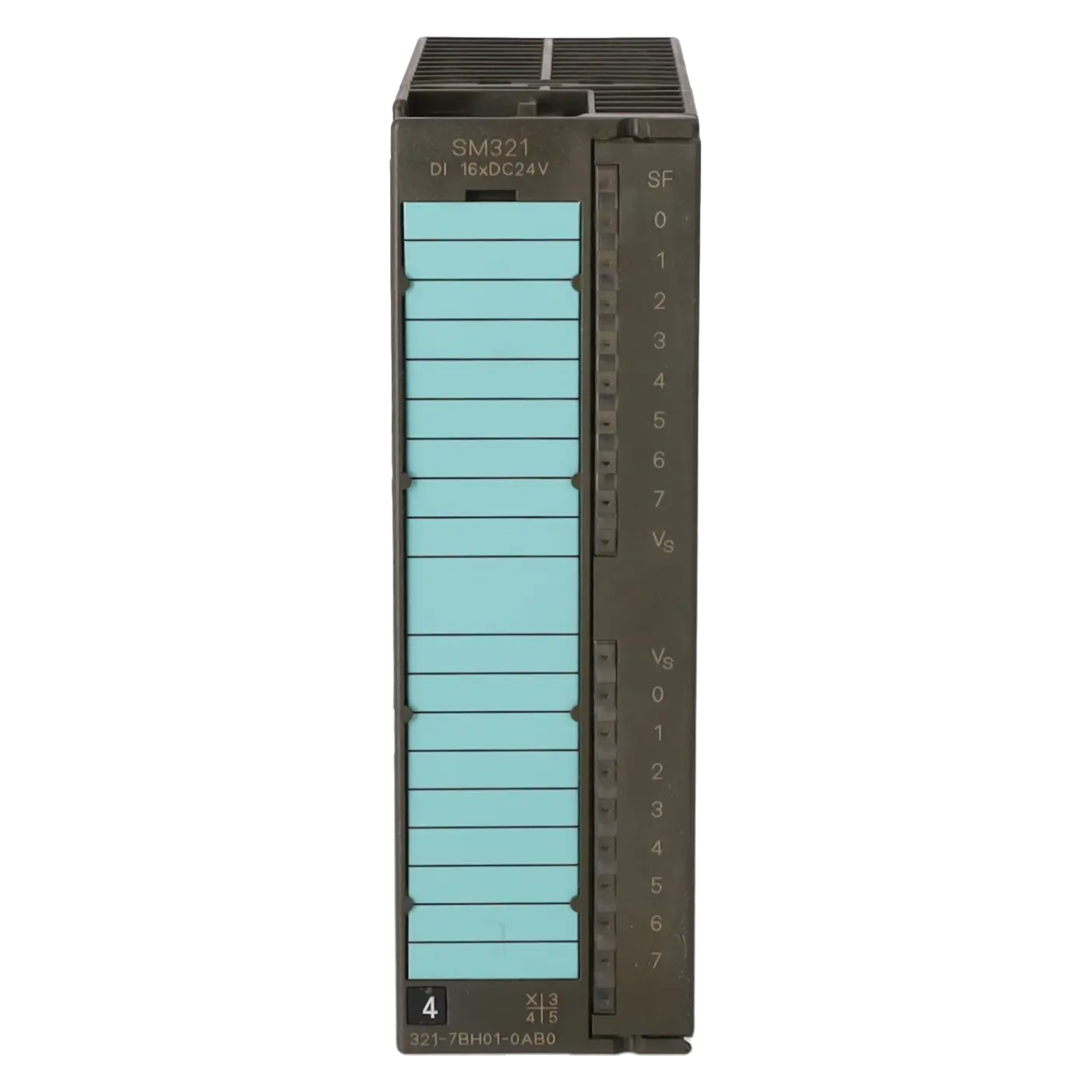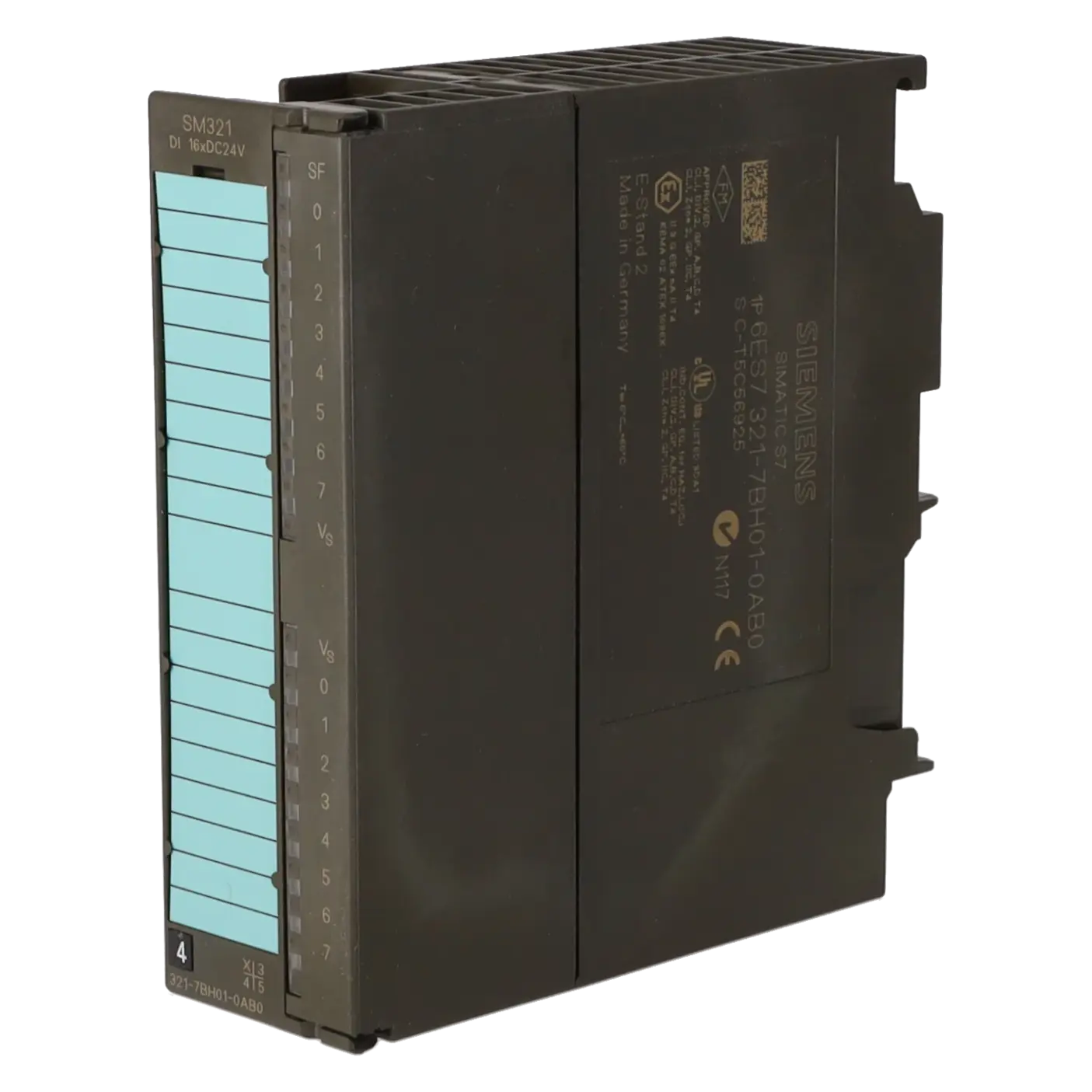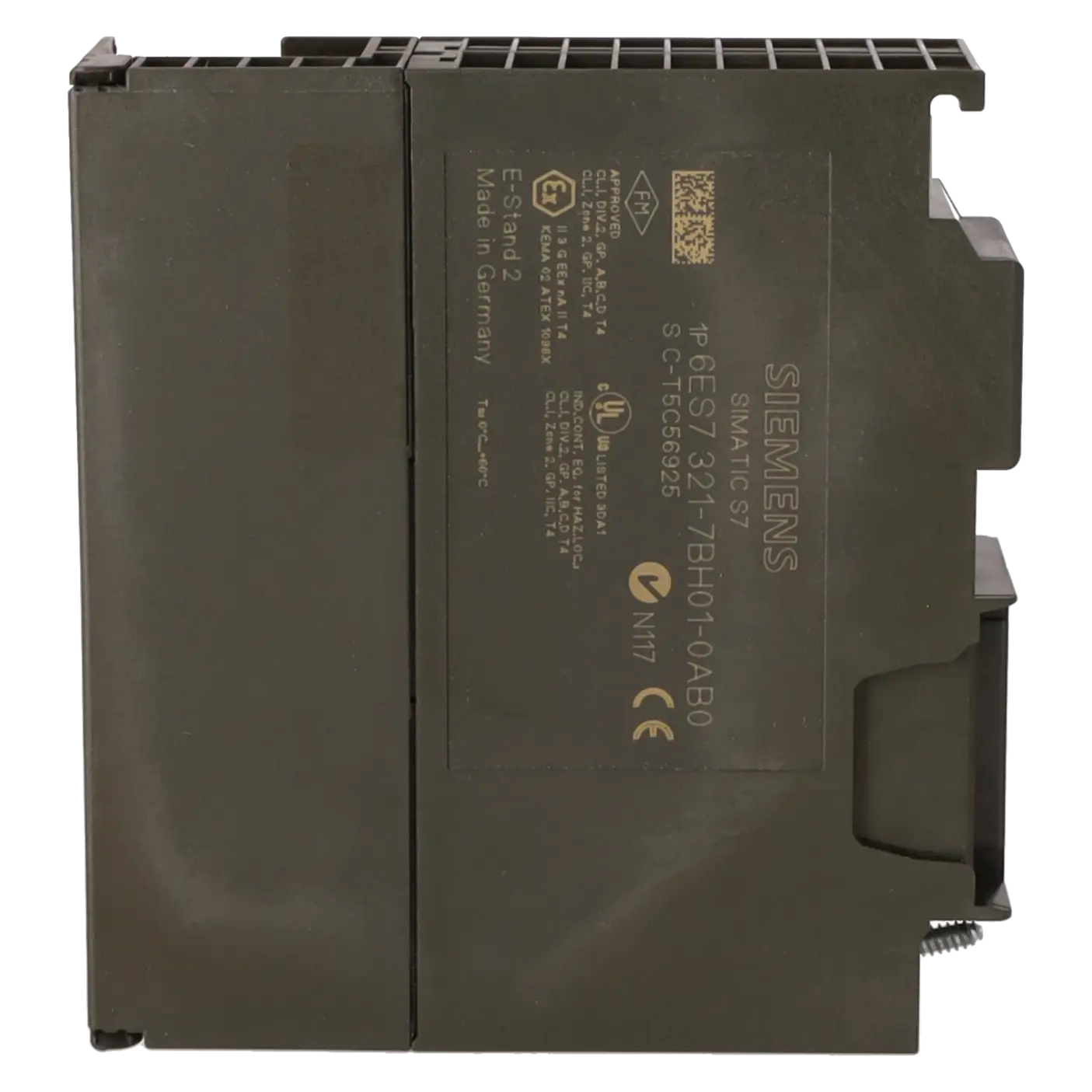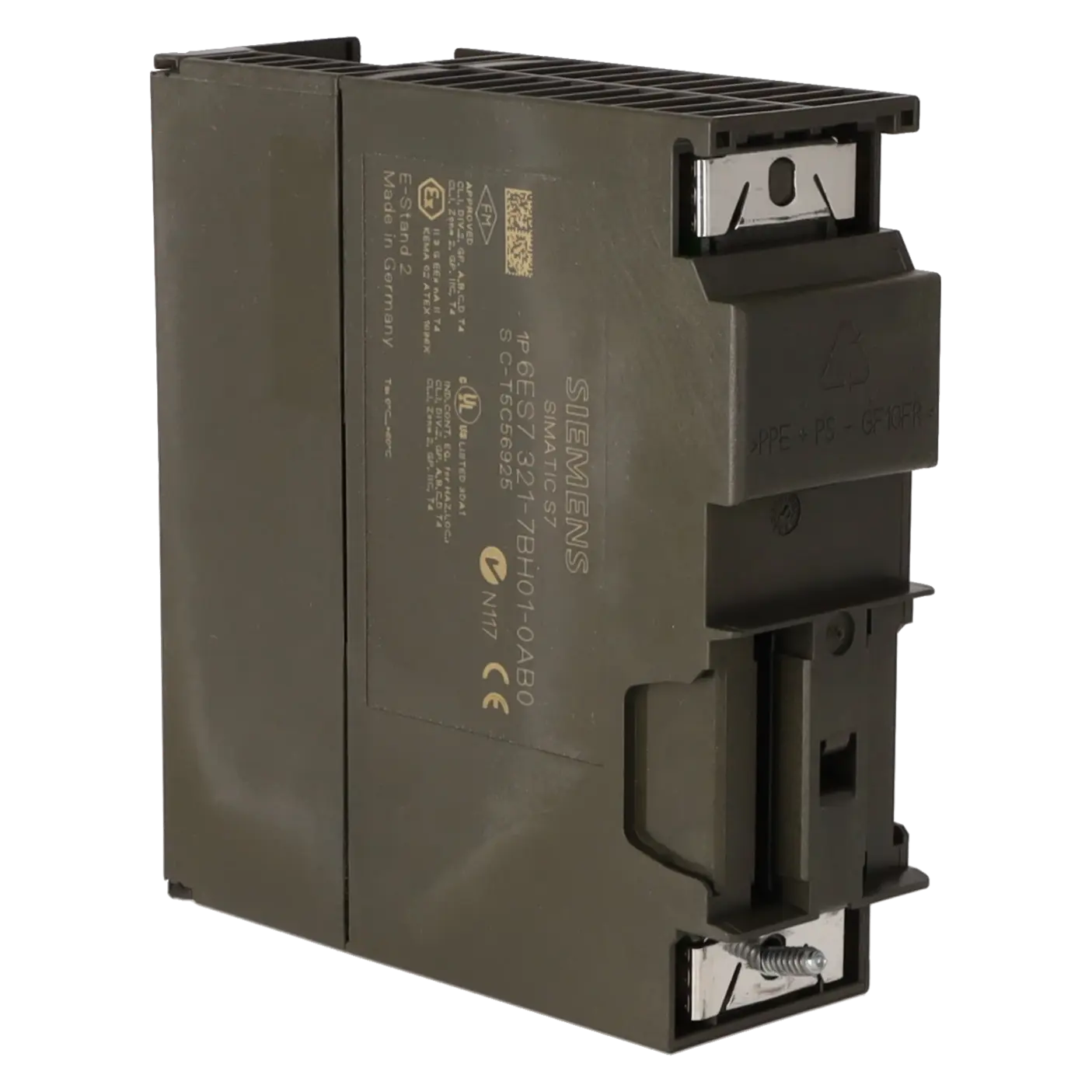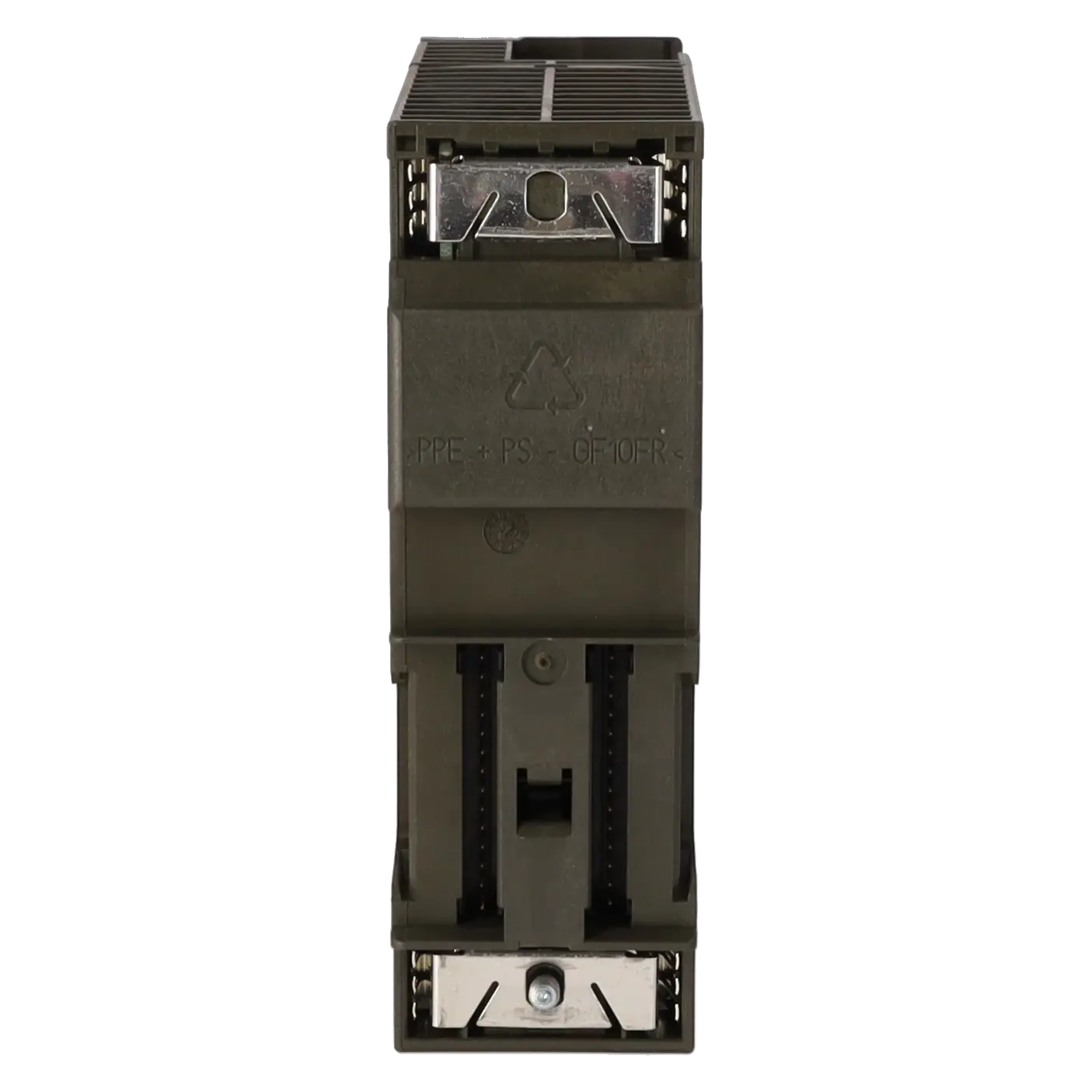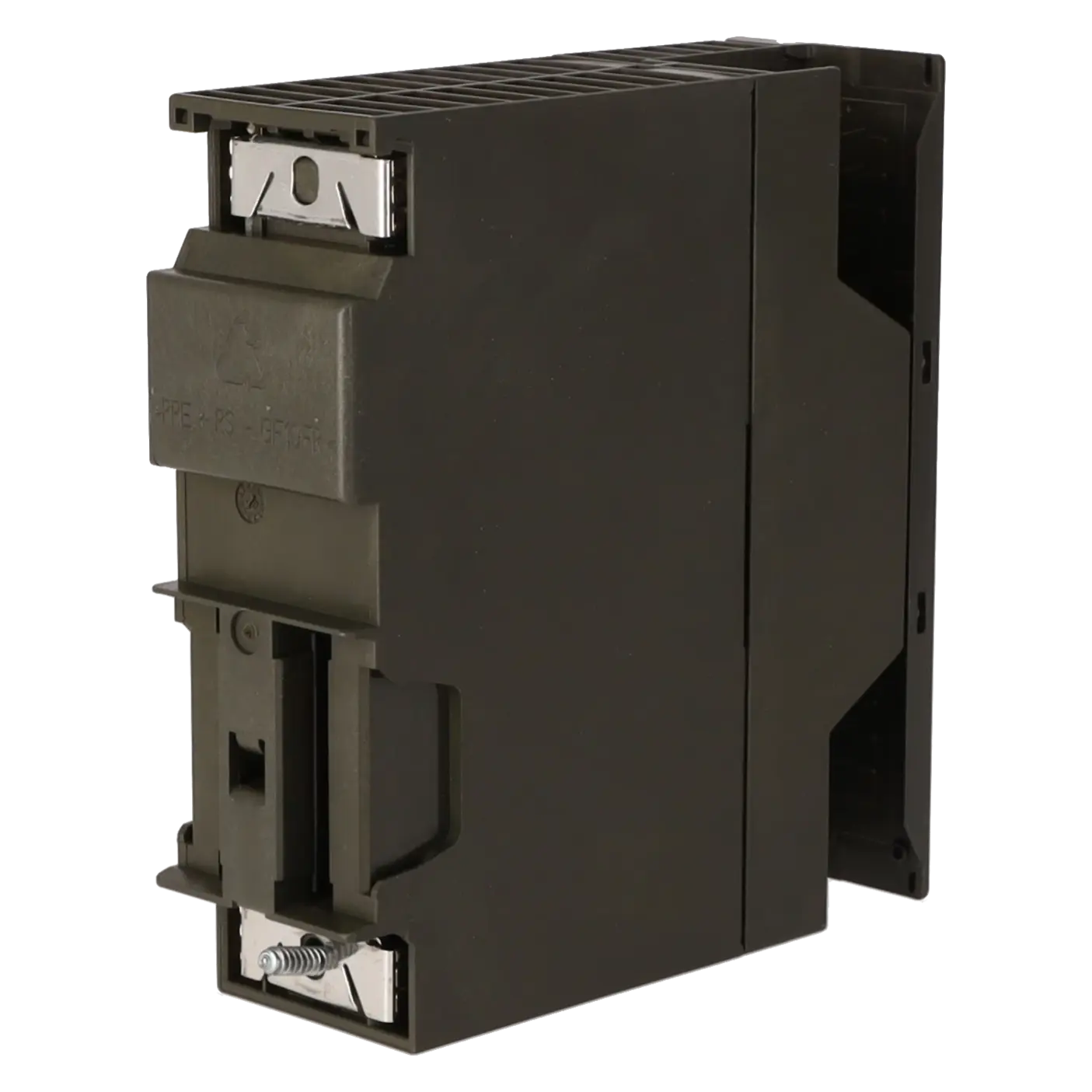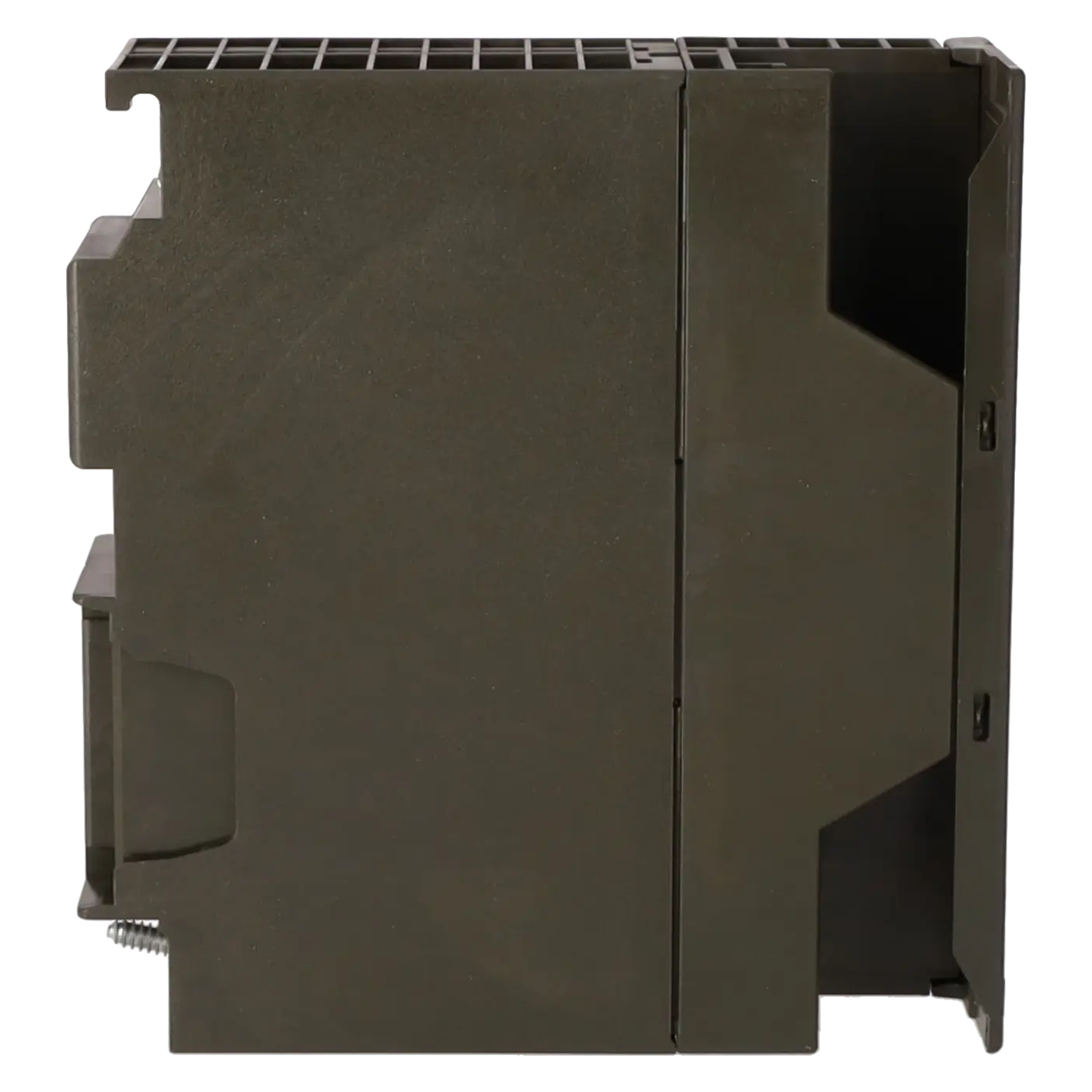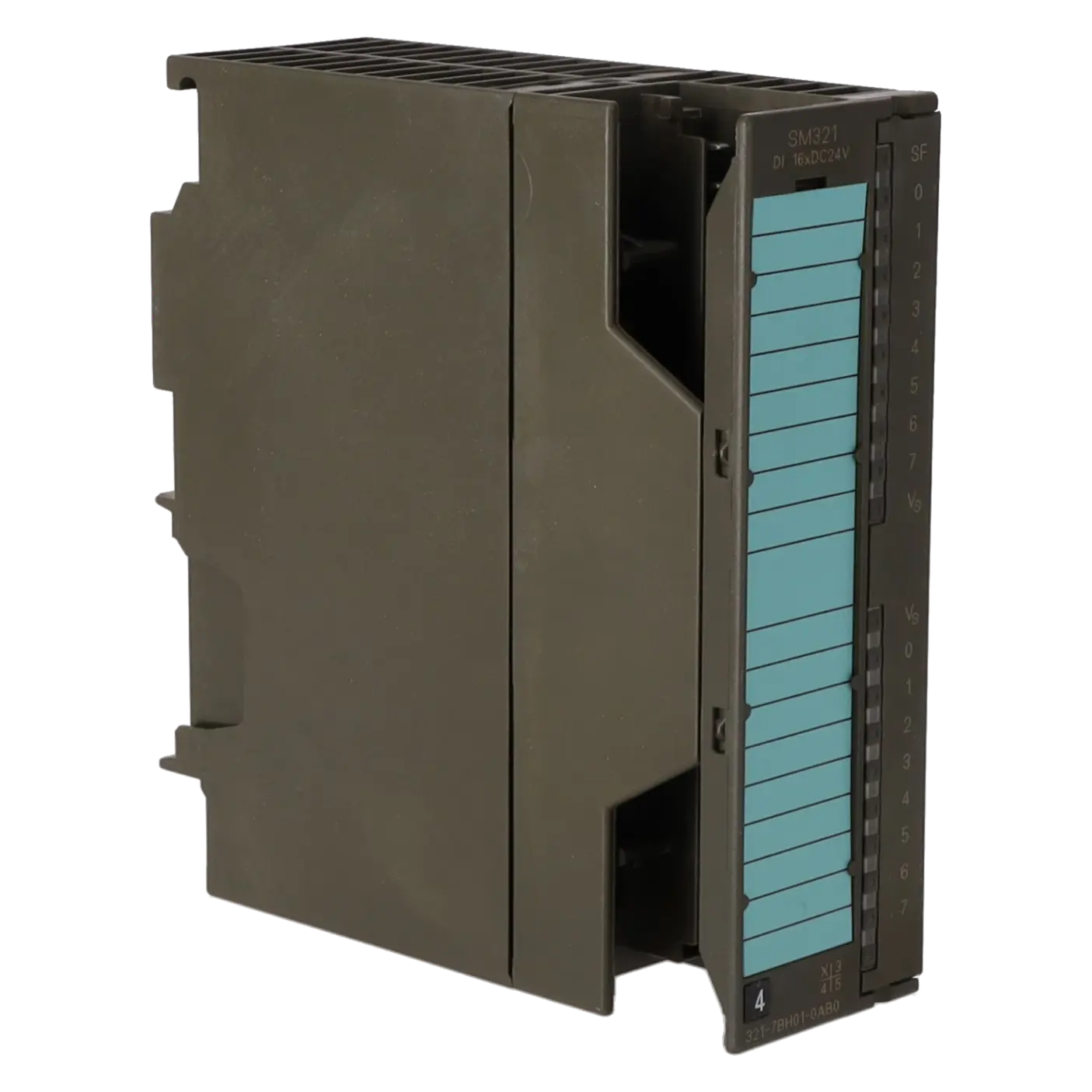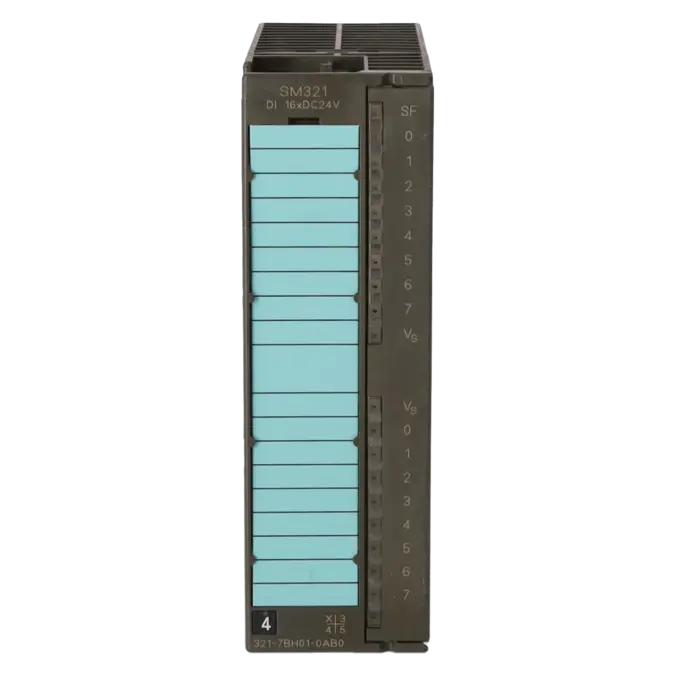
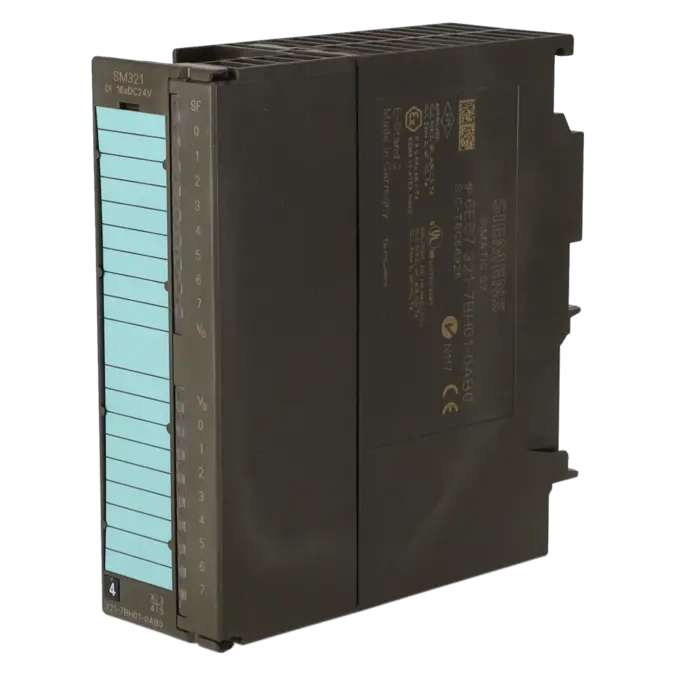
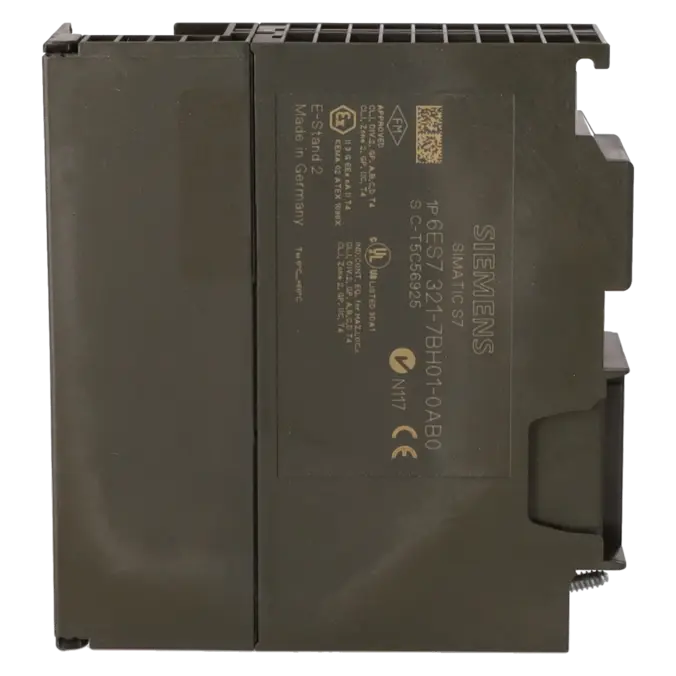
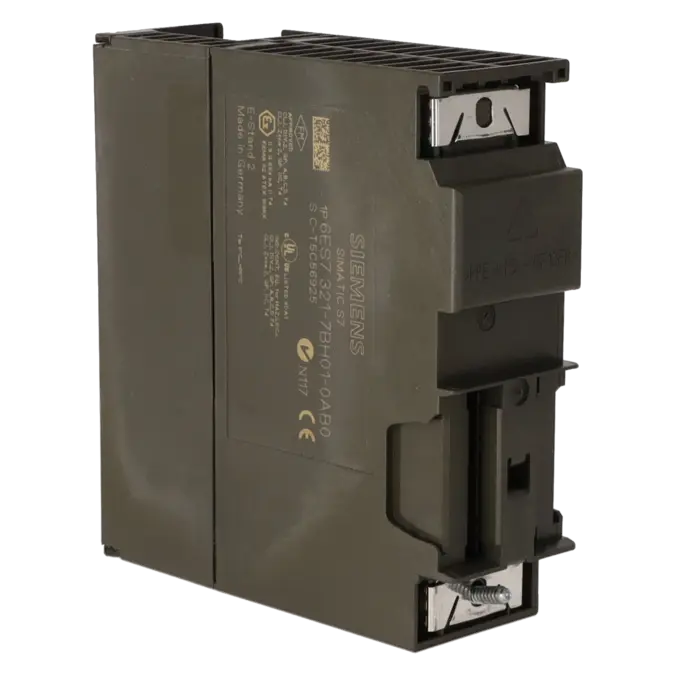
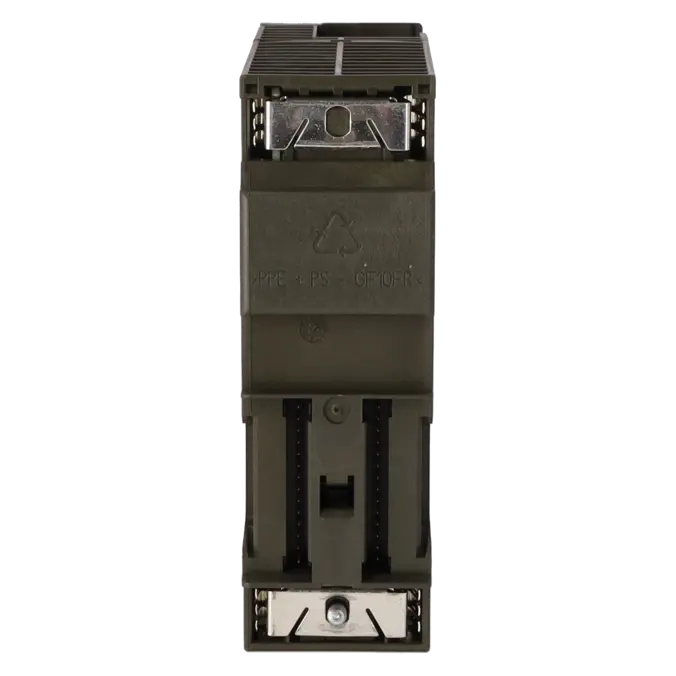
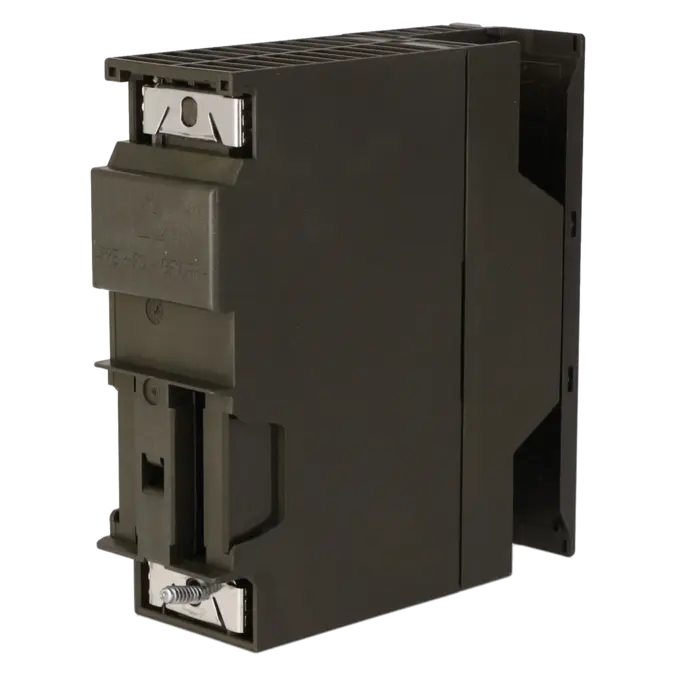
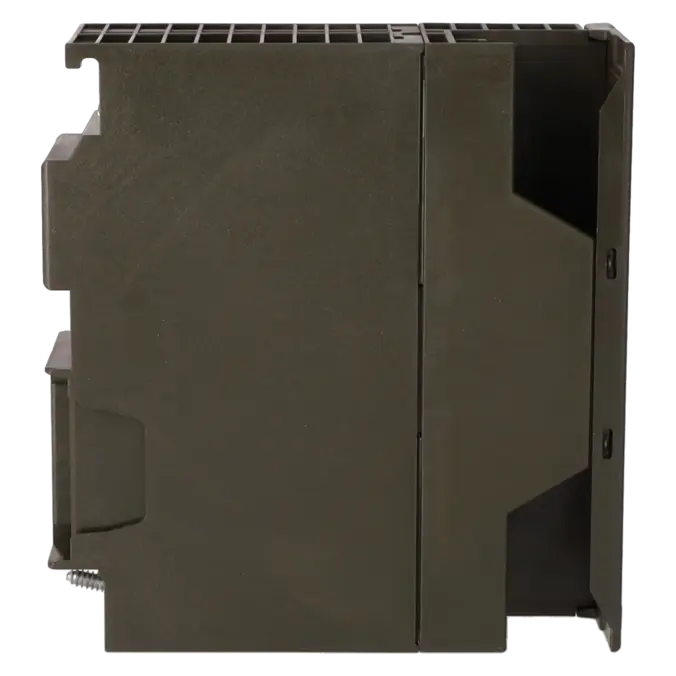
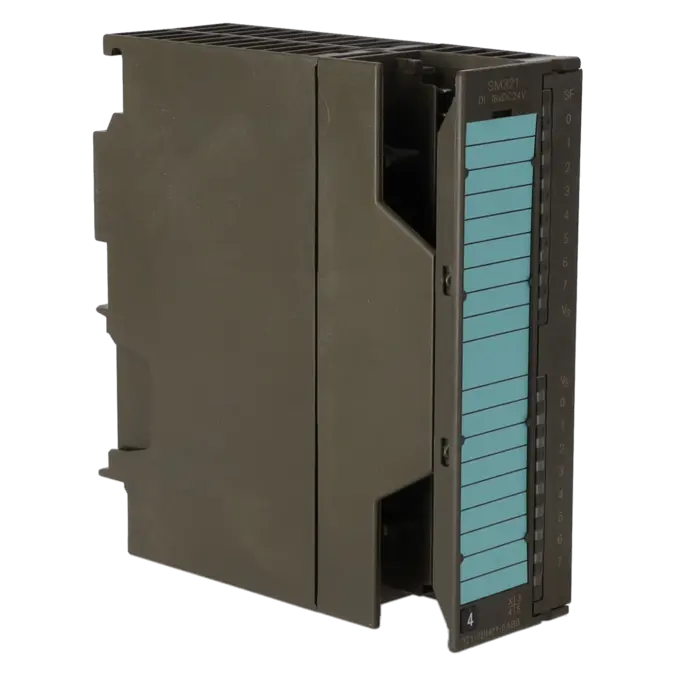
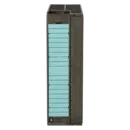
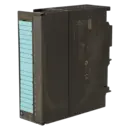

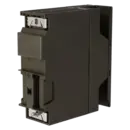

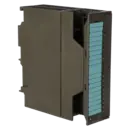
SIEMENS 6ES7321-7BH01-0AB0
- EICHLER-art.no.: K0118537
- EAN: 4025515069379
- UPC: 040892560701
Product description
SIMATIC S7-300, DIGITAL INPUT SM 321, ISOLATED, 16 DI; 24 V DC, 1X 20-POLE, PROCESS INTERRUPT, DIAGNOSTICS, SUITABLE FOR ISOCHRONOUS MODE
Services for SIEMENS 6ES7321-7BH01-0AB0
Repair
from 301,82 €
to 543,27 €
Replacement
488,27 €
366,20 €
Used
542,52 €
406,89 €
New
602,80 €
452,10 €
SIEMENS |
6ES7321-7BH01-0AB0 –
additional product information
| Delivery information | |||
|---|---|---|---|
| Export identifier | AL: N ECCN: EAR99H | ||
| Net weight | 0.248 | ||
| Quantity | 1 Stück | ||
| Packaging quantity | 1 | ||
| Additional product information | |||
|---|---|---|---|
| Product status | |||
| EAN | 4025515069379 | ||
| UPC | 040892560701 | ||
| Static lot number | 85389099 | ||
| List indicator | ST73 | ||
| Product group | 4561 | ||
| Country of origin | DE | ||
| Compliance with the substance restrictions according to RoHS directive | Since: 20080331 | ||
| Product classifications | Version | Classification | |
|---|---|---|---|
| eClass | 4 | 27-24-03-04 | |
| eClass | 5.1 | 27-24-22-04 | |
| eClass | 6.0 | 27-24-22-04 | |
| ETIM | 3 | / | |
| ETIM | 4 | EC001419 | |
| ETIM | 5 | EC001419 | |
What is the 6ES7321-7BH01-0AB0 and where is it used?
The 6ES7321-7BH01-0AB0 is a SIMATIC S7-300 SM 321 digital input module from Siemens featuring 16 digital 24 V DC inputs, electrical isolation, a 20-pin front connector, process and diagnostic interrupts, and support for synchronous and isochronous operation. The module is typically used in S7-300 racks and ET 200M stations where the status of pushbuttons, limit switches, proximity sensors or other 24 V signals must not only be acquired but also monitored with diagnostic functionality and processed with a defined response to signal changes. It is particularly useful in systems where downtime must be diagnosed quickly, signals must be monitored reliably and maintenance activities need to be prepared efficiently.
Key technical data and what it means
The module operates with a 24 V DC nominal voltage, recognises a logical "1" from 13 to 30 V and a logical "0" from -30 to +5 V. The typical input current at signal "1" is 7 mA. Particularly important in practice are the parameterisable input delays of 0.1 / 0.5 / 3 / 15 / 20 ms, which allow interference pulses to be filtered out or fast signal transitions to be detected reliably. The module supports 2-wire sensors with a permissible leakage current of up to 2 mA, allows cable lengths of up to 600 m unshielded or 1,000 m shielded, and provides wire-break diagnostics. For this monitoring function, an appropriate resistor configuration in the range of 10 to 18 kΩ is required.
Product status, life-cycle status and obsolescence
Siemens currently lists the 6ES7321-7BH01-0AB0 as a spare part with the life-cycle status "Product Cancellation". For operators, this means that the module belongs to a mature and discontinued platform but remains relevant in the context of spare parts supply and service support. As a result, spare parts strategy, repairability and replacement planning are becoming increasingly important for both purchasing and maintenance departments. Siemens identifies the SIPLUS version 6AG1321-7BH01-2AB0 as a ruggedised variant based on this module. The available Siemens product information does not identify a simple 1:1 plug-and-play successor within the S7-300 platform. For migration projects, Siemens references the 6DL1131-6BH00-0PH1 as the functional target module in the ET 200SP HA upgrade environment.
Available EICHLER services and their practical relevance
For the 6ES7321-7BH01-0AB0, EICHLER offers repair, exchange, used modules and new units. This is particularly valuable for maintenance teams when the module is still available but delivery times, production downtime or budget constraints require a rapid decision. Repair is the preferred option when the existing module should be retained or when intermittent faults need to be professionally analysed and corrected. An exchange service helps minimise downtime when an immediate replacement is required. Used and new units support spare parts strategies, especially where obsolescence is already becoming a concern. EICHLER describes its repair service as including technical cleaning, preventive maintenance, comprehensive functional testing and a minimum 24-month warranty.
| Attribute | Value |
|---|---|
| General information | |
| Product function | |
| ● Isochronous mode | Yes |
| Supply voltage | |
| Load voltage L+ | |
| ● Rated value (DC) | 24 V |
| ● permissible range, lower limit (DC) | 20.4 V |
| ● permissible range, upper limit (DC) | 28.8 V |
| ● Reverse polarity protection | Yes |
| Input current | |
| from load voltage L+ (without load), max. | 90 mA |
| from backplane bus 5 V DC, max. | 130 mA |
| Encoder supply | |
| Number of outputs | 2 |
| Type of output voltage | L+ (-2.5 V) |
| Short-circuit protection | Yes; Electronic |
| additional (redundant) feed | Yes |
| Output current | |
| ● Rated value | 120 mA |
| ● permissible range, lower limit | 0 mA |
| ● permissible range, upper limit | 150 mA |
| Power loss | |
| Power loss, typ. | 4 W |
| Digital inputs | |
| Number of digital inputs | 16 |
| Input characteristic curve in accordance with IEC 61131, type 2 | Yes |
| Number of simultaneously controllable inputs | |
| horizontal installation | |
| — up to 40 °C, max. | 16 |
| — up to 60 °C, max. | 16 |
| vertical installation | |
| — up to 40 °C, max. | 16 |
| Input voltage | |
| ● Type of input voltage | DC |
| ● Rated value (DC) | 24 V |
| ● for signal "0" | -30 to +5 V |
| ● for signal "1" | 13 to 30V |
| Input current | |
| ● for signal "1", typ. | 7 mA |
| Input delay (for rated value of input voltage) | |
| for standard inputs | |
| — parameterizable | Yes; 0.1 / 0.5 / 3 / 15 / 20 ms |
| Encoder connection | |
| ● Fixed current limitation for wire-break monitoring, min. | 10 kΩ |
| ● Fixed current limitation for wire-break monitoring, max. | 18 kΩ |
| Cable length | |
| ● shielded, max. | 1 000 m |
| ● unshielded, max. | 600 m |
| Encoder | |
| Connectable encoders | |
| ● 2-wire sensor | Yes |
| — permissible quiescent current (2-wire sensor), max. | 2 mA |
| Interrupts/diagnostics/status information | |
| Alarms | Yes |
| Diagnostics function | Yes; Parameterizable |
| Alarms | |
| ● Diagnostic alarm | Yes; Parameterizable |
| ● Hardware interrupt | Yes; Parameterizable |
| Diagnoses | |
| ● Diagnostic information readable | Yes |
| ● Wire break | Yes; to I< 1 mA |
| Diagnostics indication LED | |
| ● Group error SF (red) | Yes |
| ● Status indicator digital input (green) | Yes |
| ● Encoder supply Vs (green) | Yes |
| Potential separation | |
| Potential separation digital inputs | |
| ● between the channels | No |
| ● between the channels, in groups of | 16 |
| ● between the channels and backplane bus | Yes; Optocoupler |
| Isolation | |
| Isolation tested with | 500 V DC |
| Connection method | |
| required front connector | 20-pin |
| Dimensions | |
| Width | 40 mm |
| Height | 125 mm |
| Depth | 120 mm |
| Weights | |
| Weight, approx. | 200 g |
| Fault description | Possible solution |
|---|---|
| Why is the red SF LED lit on the 6ES7321-7BH01-0AB0 and the inputs are not responding as expected? | Siemens diagnostics identify possible causes such as a missing sensor supply, a wire break or an incorrectly configured module. Therefore, first check the sensor supply voltage (Vs), the 24 V supply (L+ / M), the wiring at the front connector and the module parameters in STEP 7. If the module has not been configured correctly in the project or has not been properly re-parameterised after replacement, the SF LED will remain active and the diagnostic data will not match the actual signal conditions. |
| Why does the SM 321 report a wire break although the sensor is connected? | This module requires a suitable resistor configuration for wire-break detection. Siemens specifies a resistor value of 10 to 18 kΩ. In addition, the leakage current of 2-wire sensors should be checked, as only sensors operating within the permissible limits can be monitored correctly. If diagnostics are enabled but the wiring is not designed for wire-break detection, fault messages may occur even though the input signal appears to function correctly. |
| Why do I receive different diagnostic messages after replacing a 6ES7321-7BH00-0AB0 with a 6ES7321-7BH01-0AB0? | Siemens explicitly describes this behaviour. The 7BH01 handles diagnostics and alarms differently from the 7BH00. In HF mode, diagnostics can be reported on a channel-specific basis, whereas outside HF mode wire-break diagnostics are reported for an entire channel group. After replacement, the hardware configuration, parameter settings, diagnostic evaluation and any associated OBs should be checked to ensure that the new module operates consistently with the existing program logic. |
| Why does the 6ES7321-7BH01-0AB0 not generate a process alarm or hardware interrupt? | Process alarms and hardware interrupts are supported by this module but must be configured correctly. Relevant factors include the alarm enable settings, the parameterisation of signal edges and diagnostic events, and, in distributed applications, the use of a suitable High Feature interface module. For HF operation in distributed systems, Siemens specifies corresponding IM 153-2 or IM 153-4 interface modules as a prerequisite. If these requirements are not met, signals may still be acquired, but the expected alarm functionality will either not occur or will not operate on a channel-specific basis. |
| Why does the module report “Module not programmed” or continue to show a fault after replacement? | This message usually indicates a configuration or parameterisation issue. Siemens states that the module must only be operated within a STEP 7 project with the correct address assignment and proper I/O configuration. After replacement or modification, the module type, start address, diagnostic parameters and integration into the rack or ET 200M station should be checked. The fault will only disappear permanently once the hardware configuration matches the actual wiring and installation. |
Is the 6ES7321-7BH01-0AB0 still available or only relevant as a spare part?
Siemens lists the module as a spare part with the life-cycle status "Product Cancellation". For operators, this does not automatically mean that it is no longer available, but it does mean that the module should be actively considered in procurement and life-cycle planning. Within the EICHLER portfolio, repair, exchange, used modules and new units are available for this product. This is particularly important when existing S7-300 or ET 200M systems must remain operational and supply security should not depend solely on the original manufacturer.
What is the difference between the 6ES7321-7BH01-0AB0 and the 6ES7321-7BH00-0AB0?
The key difference lies in diagnostics and alarm handling. Siemens notes that the diagnostic information provided by the 7BH01 may differ from that of the 7BH00 when used as a replacement. The 7BH01 supports diagnostic and hardware interrupt functions and, in the appropriate HF mode, allows more detailed channel-specific diagnostics. Anyone modifying an existing system should therefore review not only the wiring but also the program logic used to evaluate diagnostic data and the module parameter settings. This is important for both purchasing and engineering because a formally compatible part number does not automatically guarantee identical diagnostic integration within the application.
Which front connector is required for the 6ES7321-7BH01-0AB0?
The module requires a 20-pin front connector. This is important for spare parts management and service because a module can only be replaced quickly if the front connector, wiring layout and channel assignment are transferred correctly. In addition, L+, M and the sensor supply voltage (Vs) must be connected correctly. In diagnostic applications, it should also be verified that the wiring supports the enabled diagnostic functions so that no SF fault or wire-break diagnostic message is generated without an actual field fault being present.
Which sensors can be connected to the 6ES7321-7BH01-0AB0?
Siemens specifies the module as suitable for switches and 2-wire, 3-wire and 4-wire proximity sensors. For 2-wire sensors, the permissible leakage current is important; Siemens specifies a maximum of 2 mA. This makes the module suitable for many standard 24 V DC signals in machinery and process plants, such as limit positions, enable signals, status feedbacks and proximity sensor signals. When reusing existing field devices, the voltage levels, leakage current and required diagnostic functionality should also be checked to ensure that the signal processing is not only electrically compatible but is also correctly represented in the PLC diagnostics.
Can the 6ES7321-7BH01-0AB0 be used in ET 200M and isochronous applications?
Yes. Siemens describes the module as suitable for isochronous and clock-synchronised operation. However, distributed applications require certain prerequisites. For HF operation in conjunction with ET 200M systems and interface modules, Siemens specifies suitable High Feature interface modules, including certain IM 153-2 and IM 153-4 variants. For operators, this means that the module can be used in more demanding diagnostic and timing applications, but only if the overall configuration of module, interface module and project settings is compatible. This verification is particularly important before replacement or modernisation projects.
Is there a Siemens migration option for this module?
For traditional S7-300 and ET 200M installations, Siemens does not identify a simple 1:1 successor on the same platform in the available product information. However, in an official PCS 7 Remote I/O Upgrade Guideline, the 6ES7321-7BH01-0AB0 is mapped to the 6DL1131-6BH00-0PH1 in the ET 200SP HA platform. This is not a simple field replacement solution, but it provides a reliable migration path for modernisation projects where obsolescence must be addressed structurally rather than solely through spare parts procurement. For decision-makers, this offers a planned migration strategy instead of relying exclusively on reactive replacement purchasing.