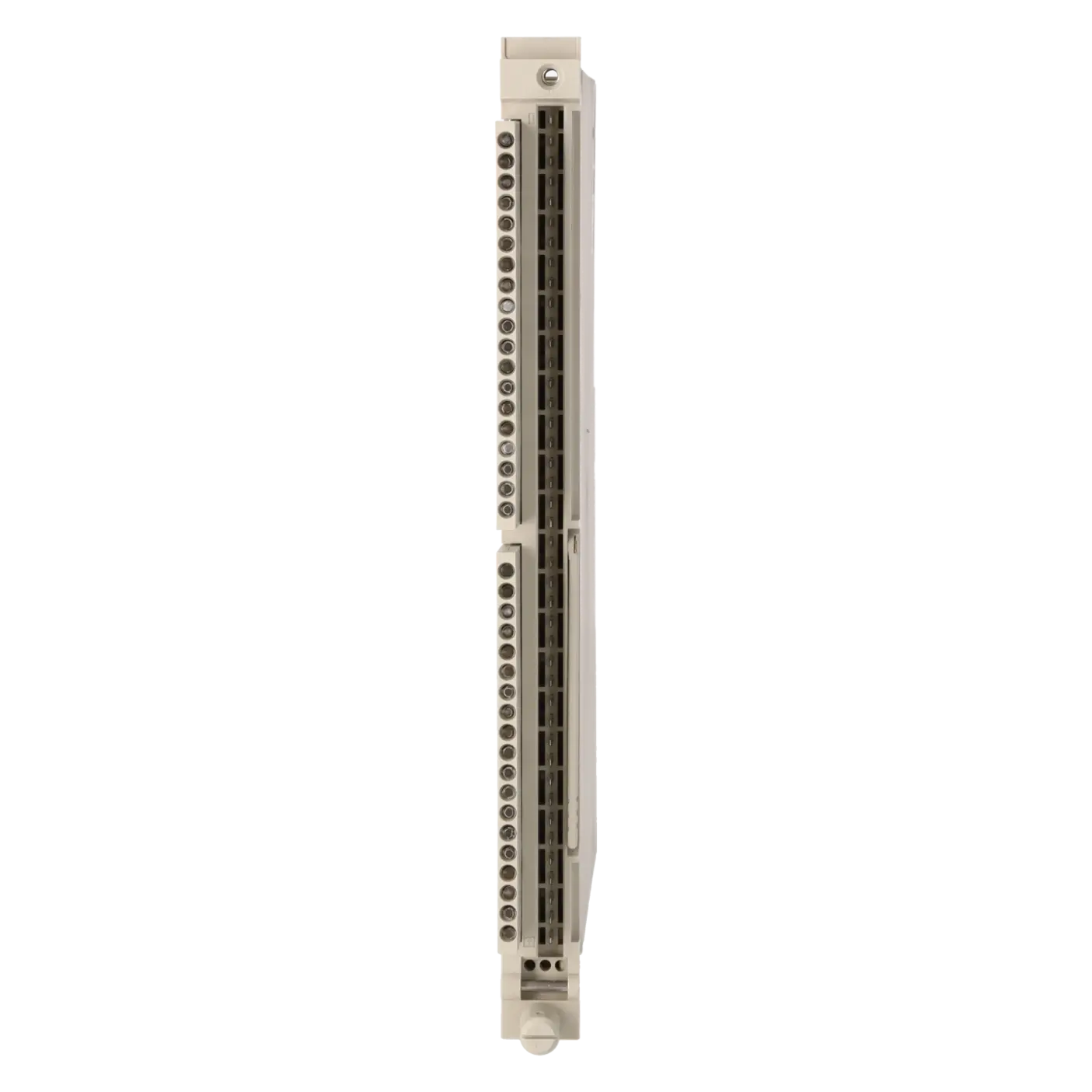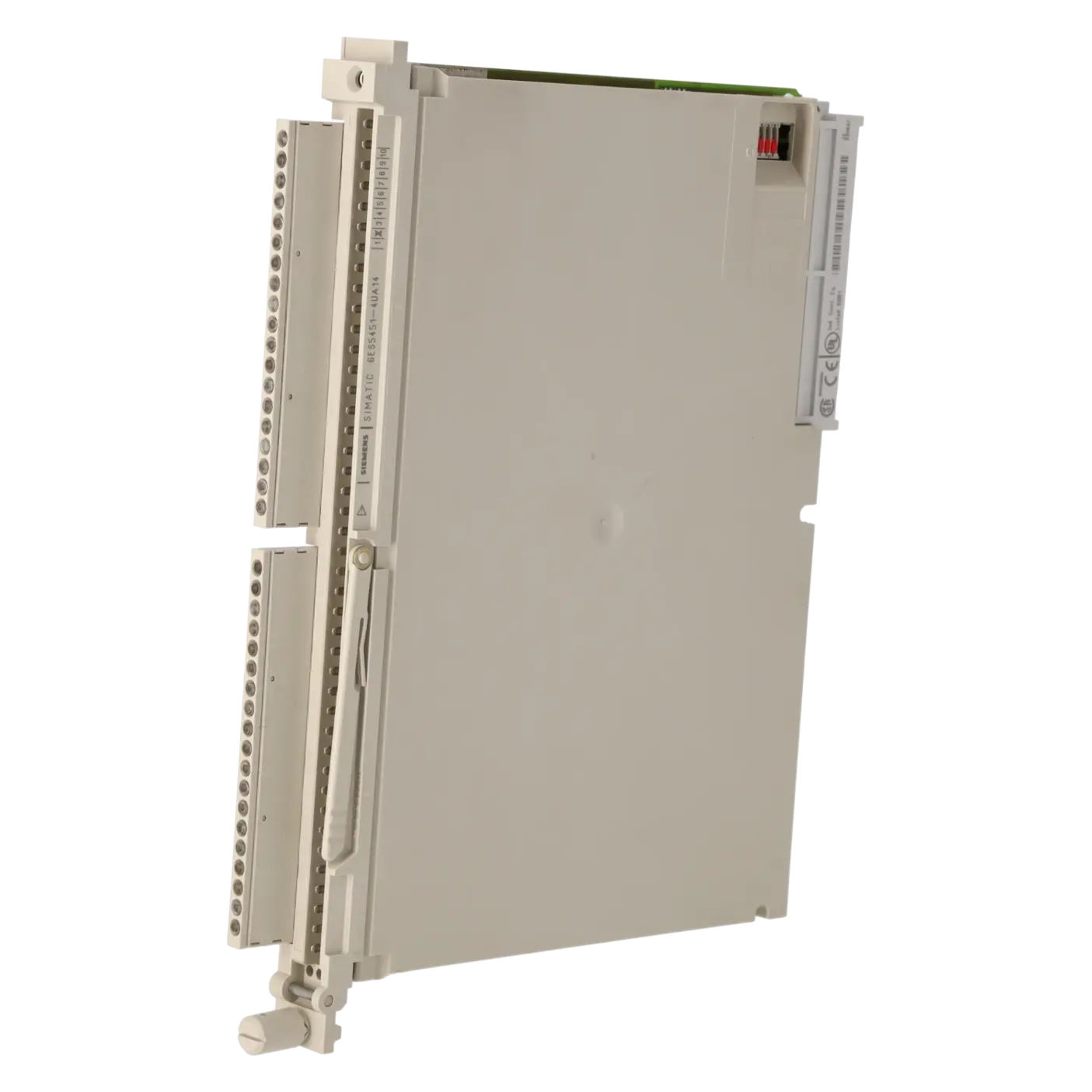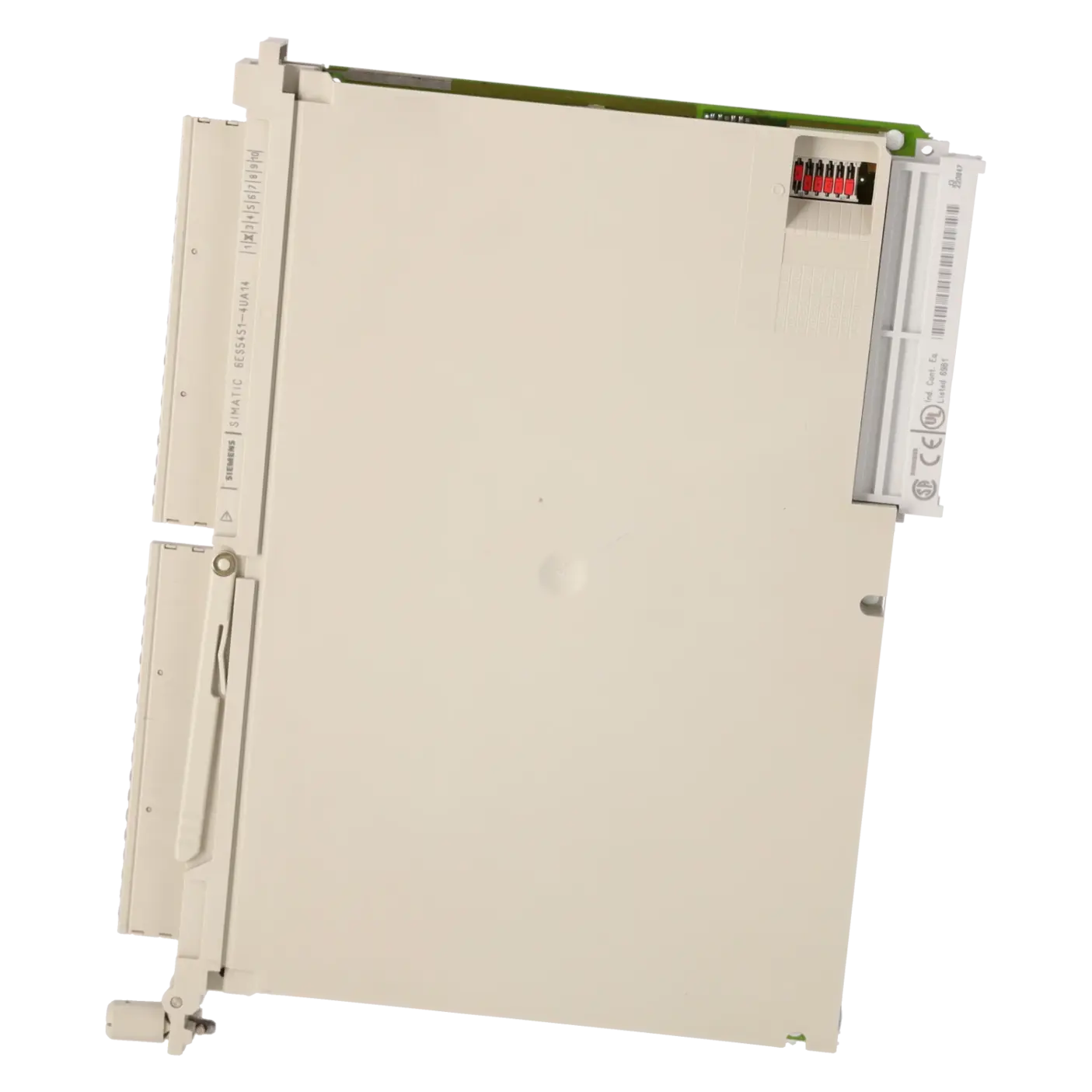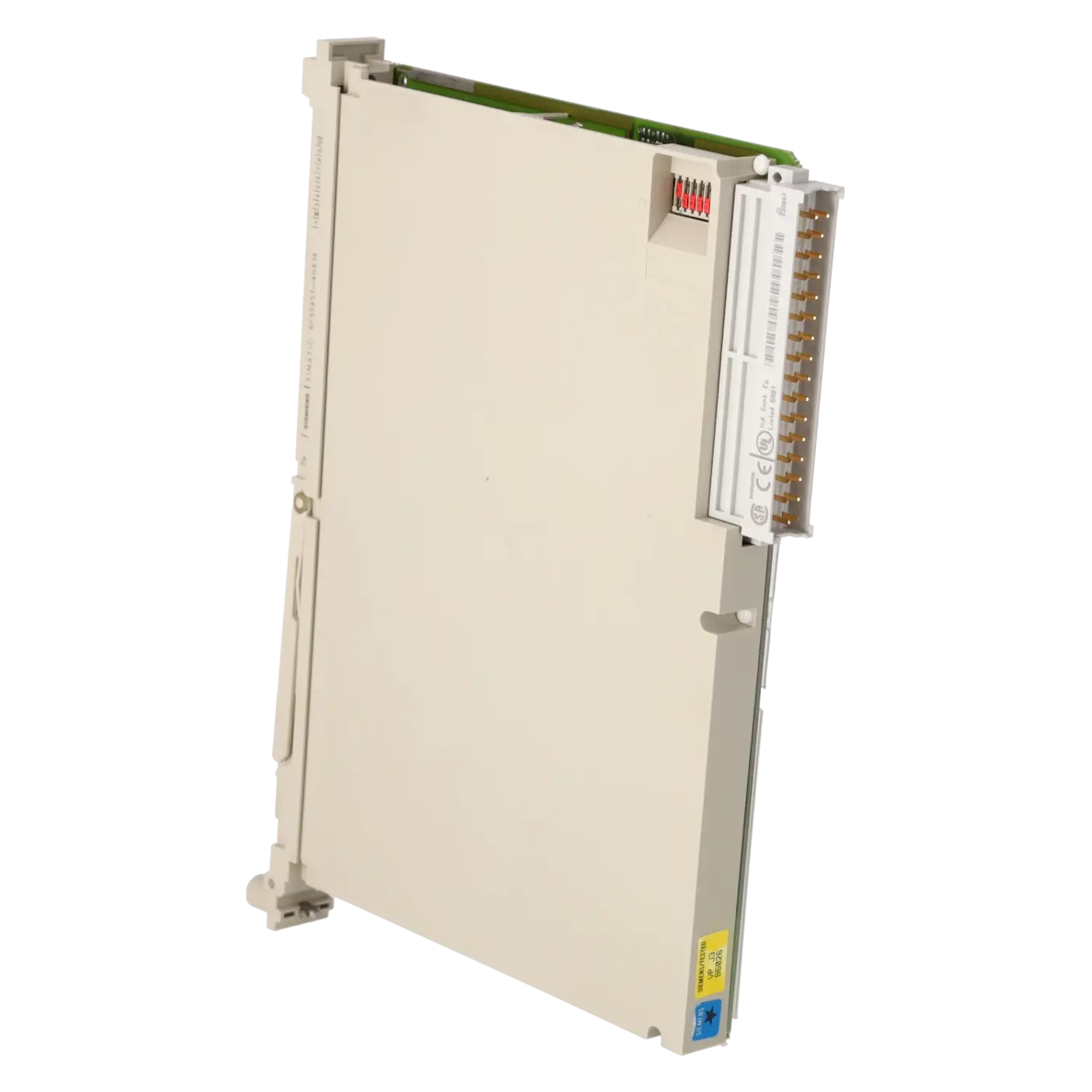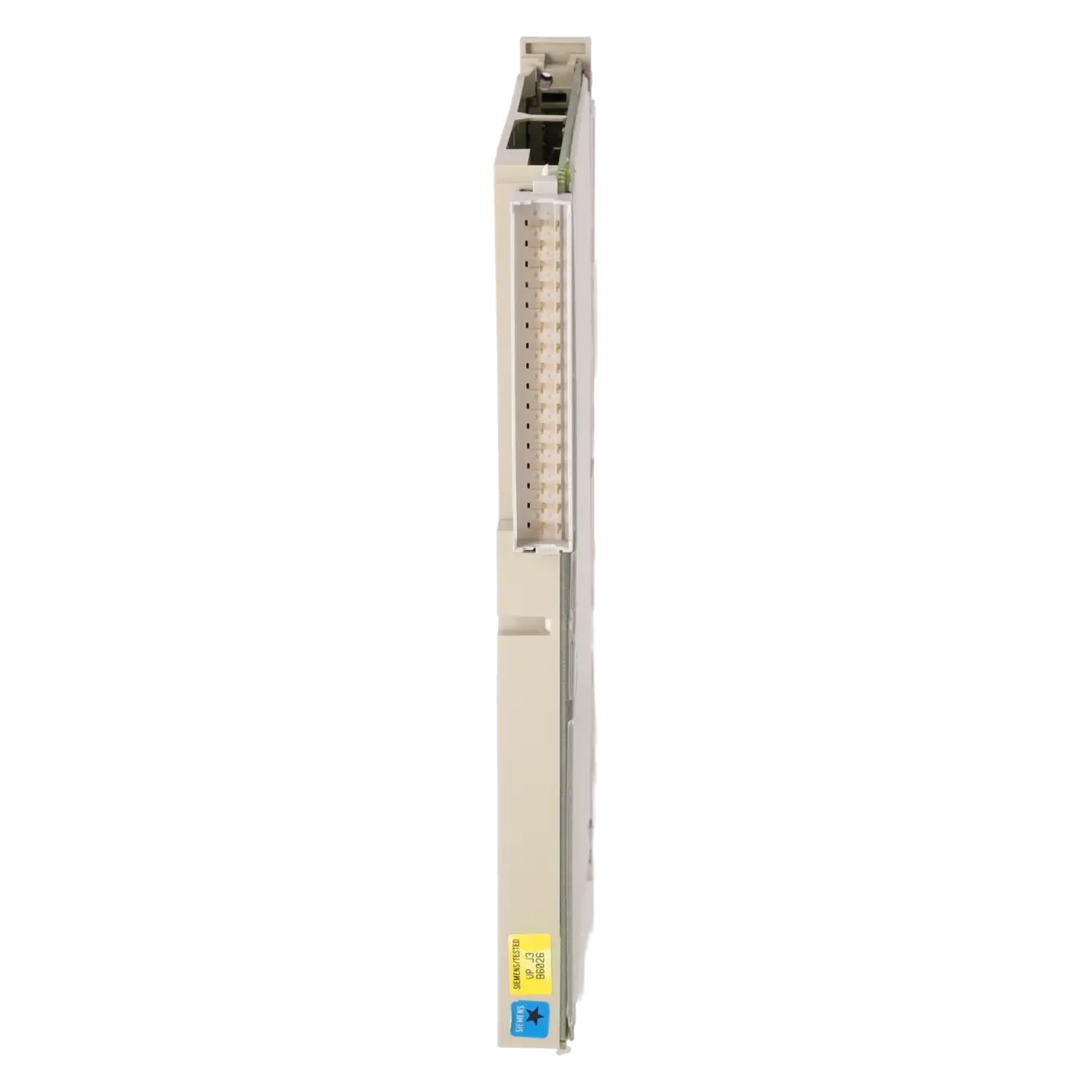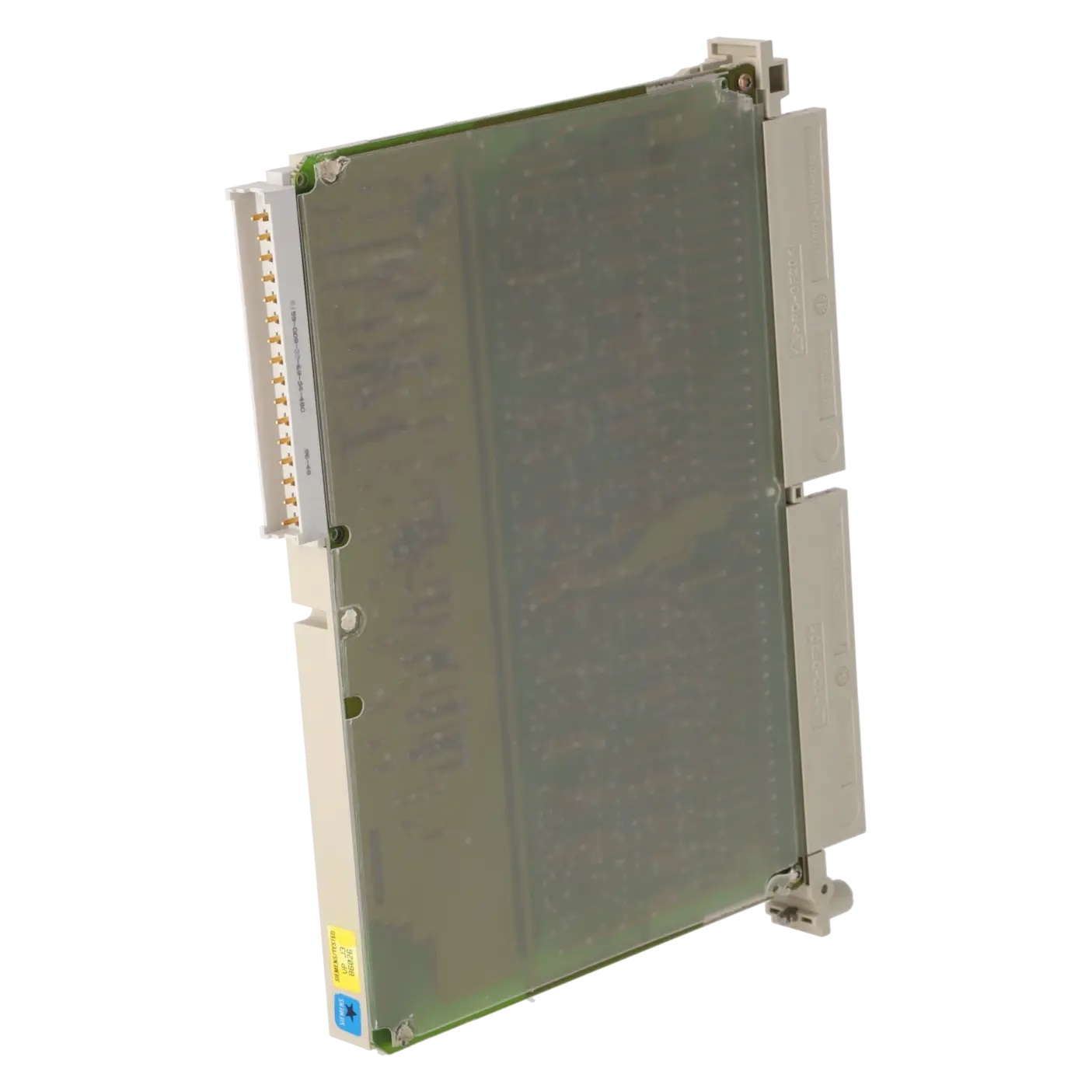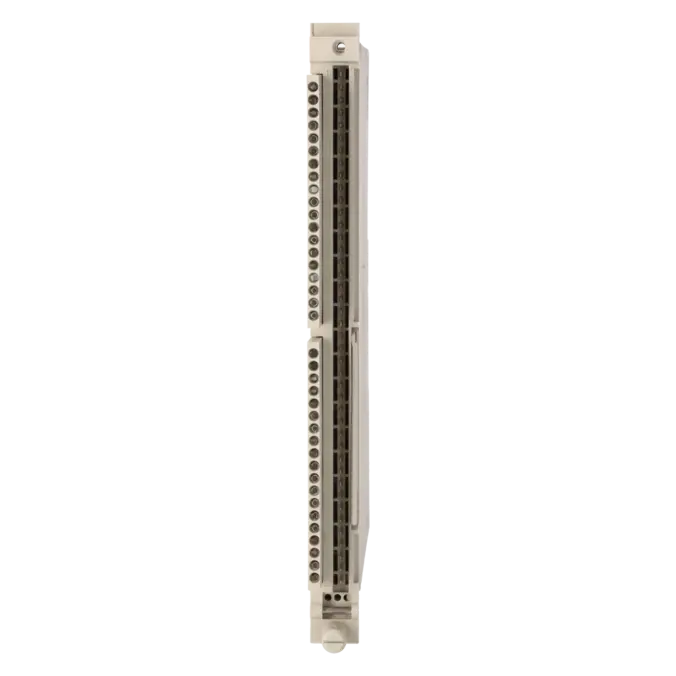
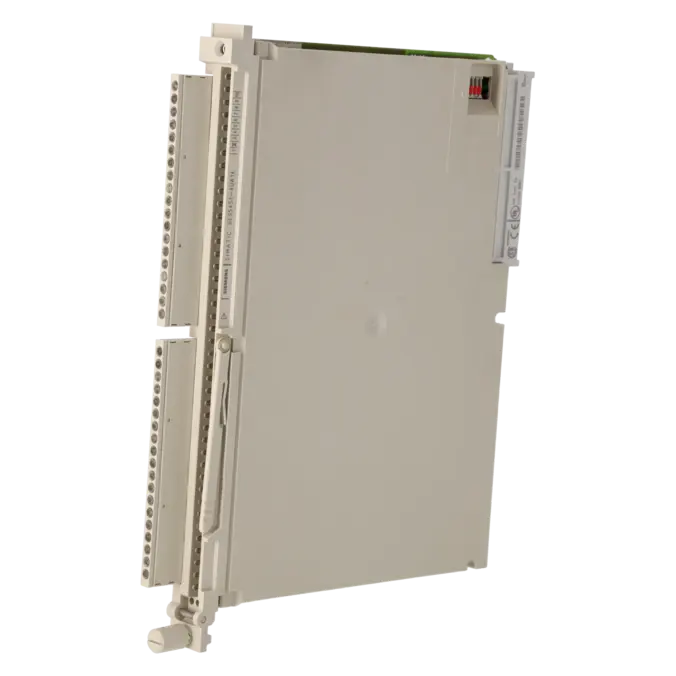
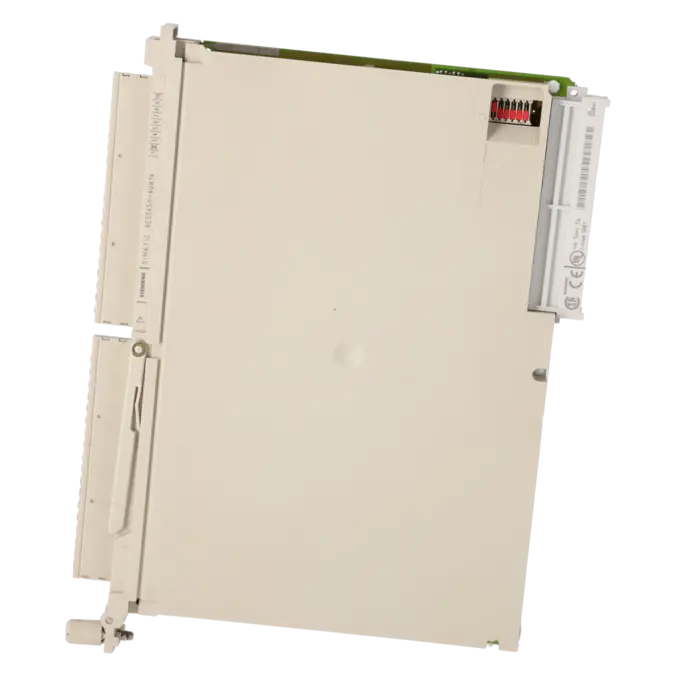
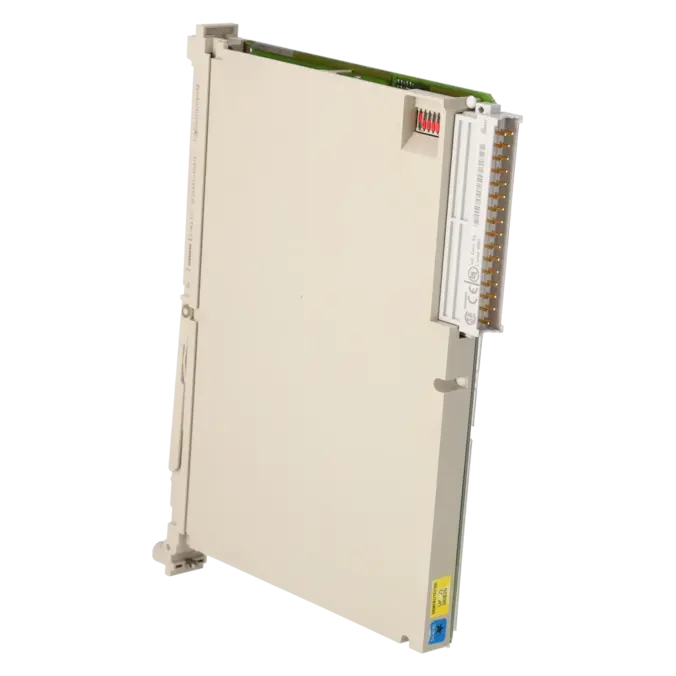
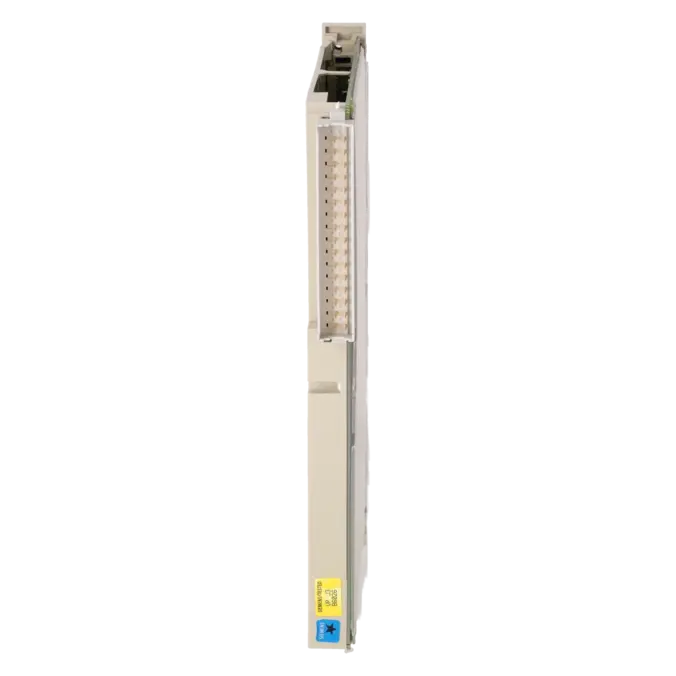
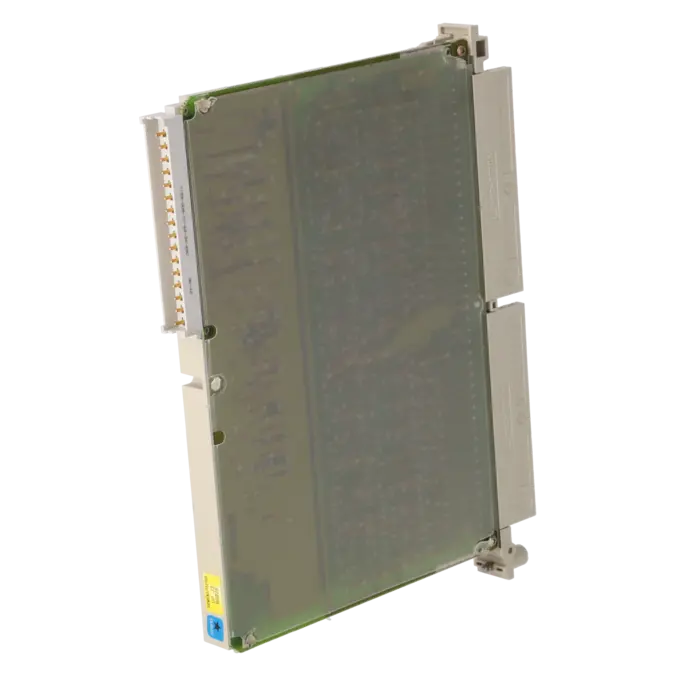



SIEMENS 6ES5451-4UA14
- EICHLER-art.no.: K0117544
- EAN: 4025515116073
Product description
SIMATIC S5,DIGITALOUTPUT 451-4 ISOLATED COMPACT DESIGN 32 OUPUTS 24 V DC/0.5 A
Services for SIEMENS 6ES5451-4UA14
SIEMENS |
6ES5451-4UA14 –
additional product information
| Delivery information | |||
|---|---|---|---|
| Export identifier | AL: ECCN: | ||
| Net weight | 1.9 | ||
| Quantity | 1 Stück | ||
| Packaging quantity | 1 | ||
| Additional product information | |||
|---|---|---|---|
| Product status | EOP: 2006-10-01 | ||
| EAN | 4025515116073 | ||
| UPC | / | ||
| Static lot number | 85389091 | ||
| List indicator | / | ||
| Product group | 4225 | ||
| Country of origin | / | ||
| Compliance with the substance restrictions according to RoHS directive | Since: / | ||
| Product classifications | Version | Classification | |
|---|---|---|---|
| eClass | 4 | / | |
| eClass | 5.1 | / | |
| eClass | 6.0 | / | |
| ETIM | 3 | / | |
| ETIM | 4 | / | |
| ETIM | 5 | / | |
What is 6ES5451-4UA14 and where is it used?
The 6ES5451-4UA14 is a digital output module from Siemens' SIMATIC S5 product family. It provides 32 digital outputs in a compact design and is rated for 24 V DC at 0.5 A per output. It is primarily used in existing installations based on S5-135U and S5-155U systems. Siemens also states that the U-periphery can be used in an S5-115U via an adapter housing. Typical applications include the control of contactors, solenoid valves, indicator lamps and other 24 V actuators in machines and industrial systems where fast replacement or cost-effective repair is more important than an immediate full migration.
Overview of the key technical data and what it means in practice
The module operates with a 20 to 30 V DC supply voltage and provides 32 outputs with short-circuit monitoring. Siemens specifies a permissible switching current of 5 mA to 0.5 A per output, 0.22 A maximum for lamp loads, and 4 A total current per group of 8 outputs. In practice, this means that the module is very well suited to standard 24 V control tasks but is not intended for high-current loads without interposing relays. The permissible unshielded cable length of 400 m, the 24 V enable input F+/F-, the red short-circuit indicator for each group of 8 outputs, and the H+ signalling output all support commissioning, diagnostics and systematic troubleshooting. The module is also electrically isolated.
Product status, life-cycle status and obsolescence
For the 6ES5451-4UA14, the EICHLER product page lists a product status of EOP dated 1 October 2006. Siemens also identifies the module in the SiePortal as a discontinued product without a direct successor. For operators of older S5 installations, this means that the module often remains operationally important in the field but clearly falls within the scope of active obsolescence management. No plug-compatible manufacturer successor is specified. Instead, Siemens documents migration paths using peripheral adapters, for example to suitable digital output modules in S7-300, S7-400, S7-1500 or ET 200SP systems. For maintenance and purchasing departments, long-term supply security is therefore just as important as current procurement.
Available EICHLER services and when they are relevant
When an S5 system must be returned to operation quickly while retaining the existing control architecture, repair is often the most economical and fastest option. EICHLER specifies a typical repair turnaround time of 2 to 5 days for this module. The service includes technical cleaning, preventive maintenance, comprehensive functional testing and a minimum 24-month warranty. In addition, exchange, refurbished and currently also new units are available as procurement options through the shop. An optional test report for digital input/output modules can also be selected. For maintenance personnel, this reduces troubleshooting effort and restart time. For purchasing departments and decision-makers, it improves protection against unplanned downtime without immediately having to initiate a complete migration project.
| Fault Description | Possible Solution |
|---|---|
| Why do the outputs of the 6ES5451-4UA14 not switch even though STEP 5 sets the output? | First check the 24 V load supply at the module, the correct slot or byte addressing, and the wiring of the affected actuator. In S5 systems, the cause is often not the logic itself, but the assignment of slot, output byte, or external supply, meaning the signal is set in the software but does not reach the hardware side. |
| Why are all outputs suddenly 0 and the BASP indication is active? | BASP indicates a command output disable. Siemens describes that, in this state, all digital outputs are set to 0. Typical checkpoints are therefore the CPU status RUN/STOP, the control-system power supply, and possible undervoltage or restart situations. As long as BASP is active, the output module remains disabled on the output side, even if the user program provides correct switching signals. |
| Why does the S5 report an address error or QVZ after a card replacement or loose front connector? | With DC I/O modules, the enable inputs F+ and F- must be wired correctly. Siemens specifies pins 1 and 2 and jumper X20 for this purpose. If the enable voltage is missing or the front connector is not properly locked, the module is not correctly detected or is switched off; if the enable signal is lost, a QVZ may also occur on the CPU. |
| Why is the red short-circuit LED illuminated even though I cannot find a real short circuit? | For the 451-4UA14, Siemens identifies a known effect with a specific revision level: the red short-circuit indicator may briefly illuminate during power-up or, in individual cases, even remain permanently lit although no real short circuit is present. Therefore, in addition to checking the load wiring, the revision level of the module should also be verified, and the diagnosis should be confirmed by voltage measurement, load disconnection and signal evaluation at the H+ output. |
| Why does only the last output card work, or why does an entire module in the line not function? | In practice, the cause is often not the outputs themselves but the bus module, backplane bus connector, terminal module, 24 V module supply, or slot-related addressing. Especially in S5 systems, empty slots must be included in the count, and a fault may remain at the slot even after the actual card has been cross-swapped. Therefore, first check the supply, bus connectors and slot logic before assessing the module itself as defective. |
Is the 6ES5451-4UA14 still in the active Siemens life cycle?
No. The EICHLER product page lists the module with an EOP (End of Production) status dated 1 October 2006. Siemens also classifies the 6ES5451-4UA14 as a discontinued product without a direct replacement part. In practice, this means that the module remains relevant for procurement and repair, but from an organisational perspective it should be included in a structured spare-parts, risk and migration management strategy.
Is there a direct Siemens successor for the 6ES5451-4UA14?
Siemens does not specify a direct plug-compatible successor. Instead, Siemens documents migration solutions using peripheral adapters. The Siemens documentation lists suitable 32-channel 24 V DC digital output modules from the S7-300, S7-400, S7-1500 and ET 200SP product families as target modules. This is important for operators because, although a direct 1:1 replacement is not available, a structured migration path to current platforms remains possible.
What loads can the module switch safely?
The 6ES5451-4UA14 is designed for 24 V DC and 0.5 A per output. Siemens additionally specifies a switching current range of 5 mA to 0.5 A, a maximum of 0.22 A for lamp loads, and a total current of 4 A per group of 8 outputs. These values clearly indicate that the module is intended for standard control and signalling loads. For larger loads, high inrush currents or heavy-duty field devices, interposing relays or an appropriate load distribution concept should be used.
How can I quickly check whether the actual problem is the enable signal or BASP?
A quick initial check consists of four points: Is the CPU in RUN? Is BASP active? Is the front connector properly locked? Are F+ and F- correctly supplied, or is X20 correctly set? Siemens states that when BASP is active, all digital outputs are forced to 0. Likewise, if the enable signal at F+ and F- is missing, the module can no longer be addressed correctly; the loss of the enable signal may also cause a QVZ condition on the CPU. In many cases, this allows an apparent hardware fault to be distinguished very quickly from an enable or operating-state issue.
Which procurement and service options are suitable for an obsolete S5 output module?
For obsolete S5 hardware, the most practical options are repair, exchange, refurbished units and, where still available, new stock. EICHLER offers all of these options for the 6ES5451-4UA14. For repairs, EICHLER specifies a turnaround time of 2 to 5 days, including technical cleaning, preventive maintenance, functional testing and a minimum 24-month warranty. This is particularly worthwhile when downtime costs exceed the cost of targeted repair and when the machine must continue operating in its existing S5 environment in the short term.