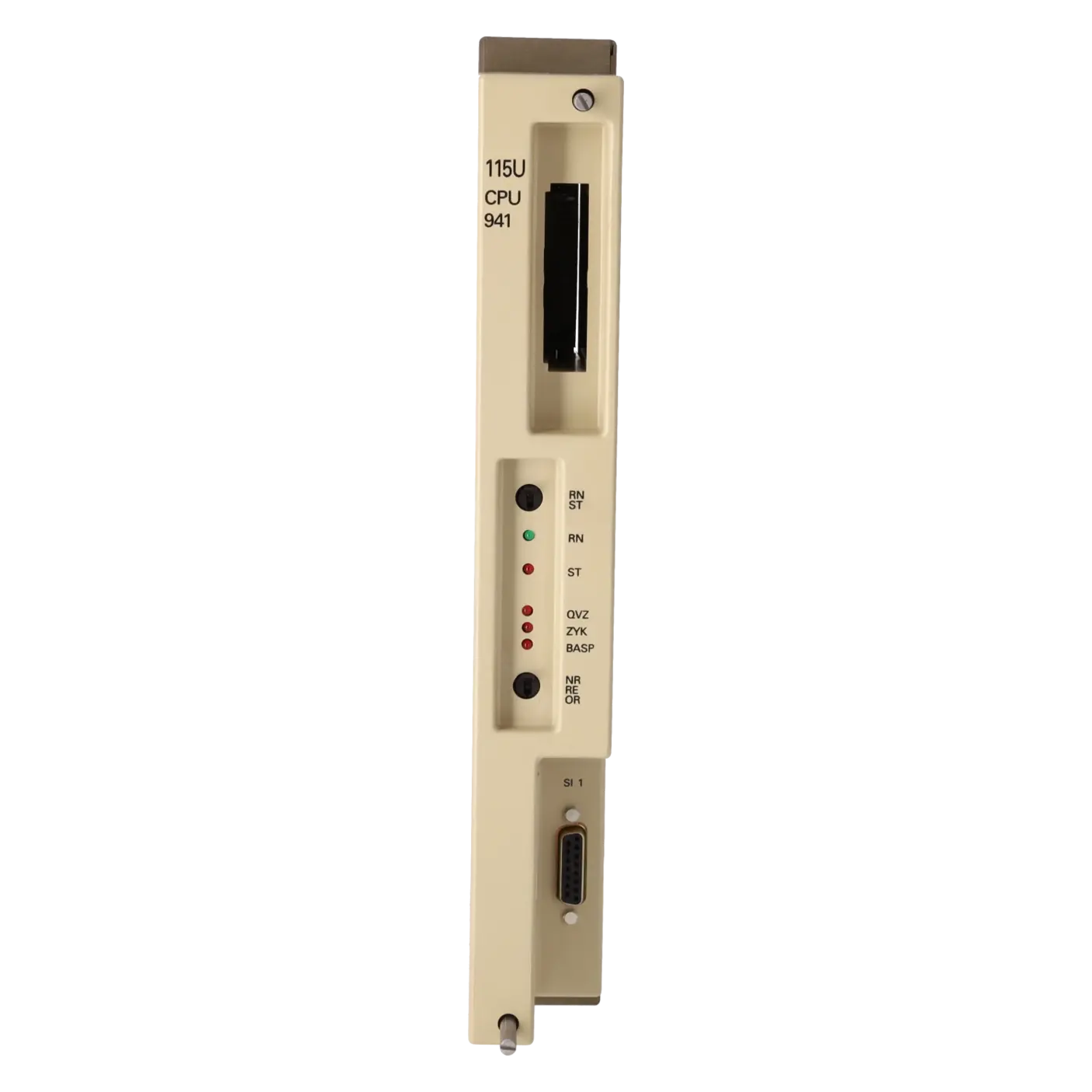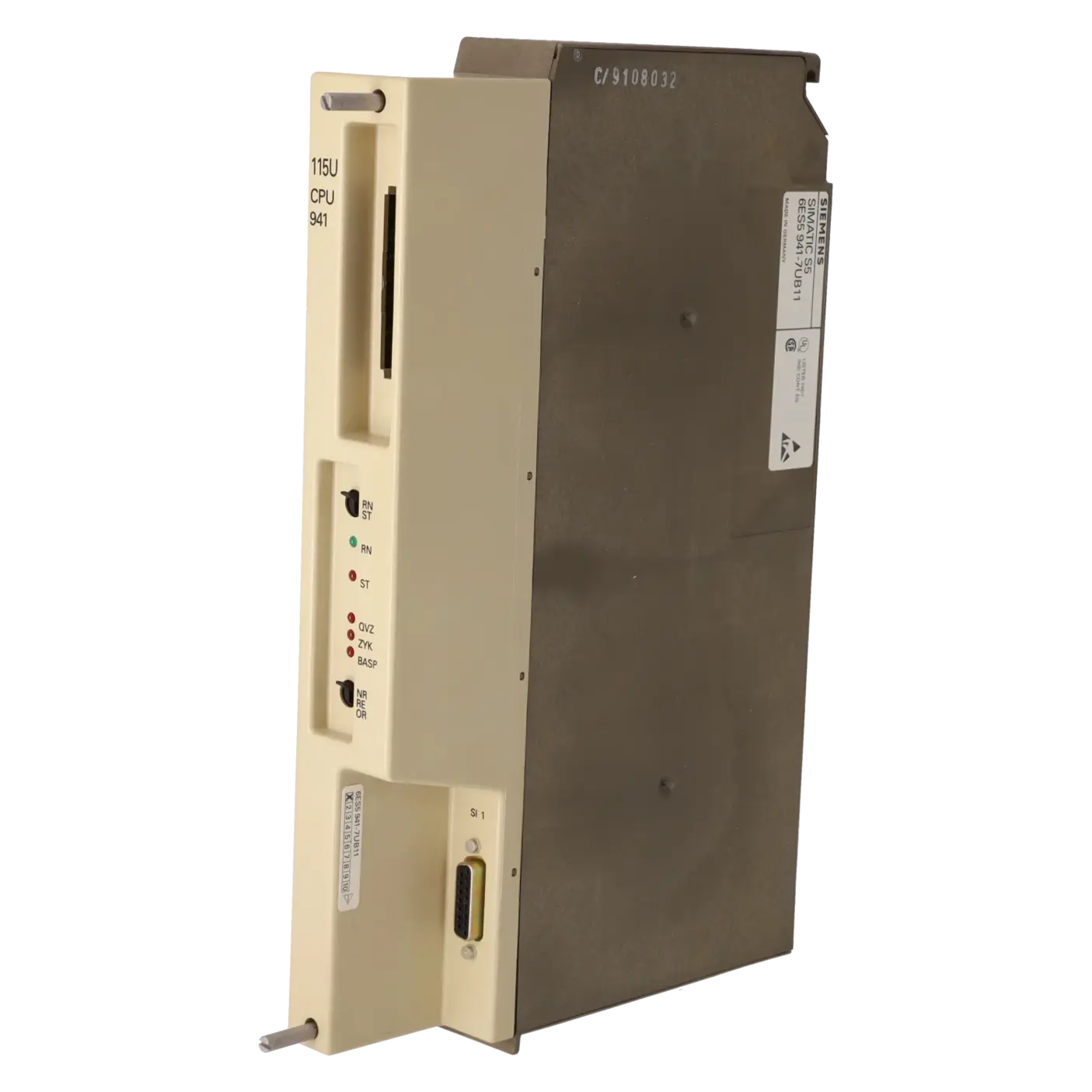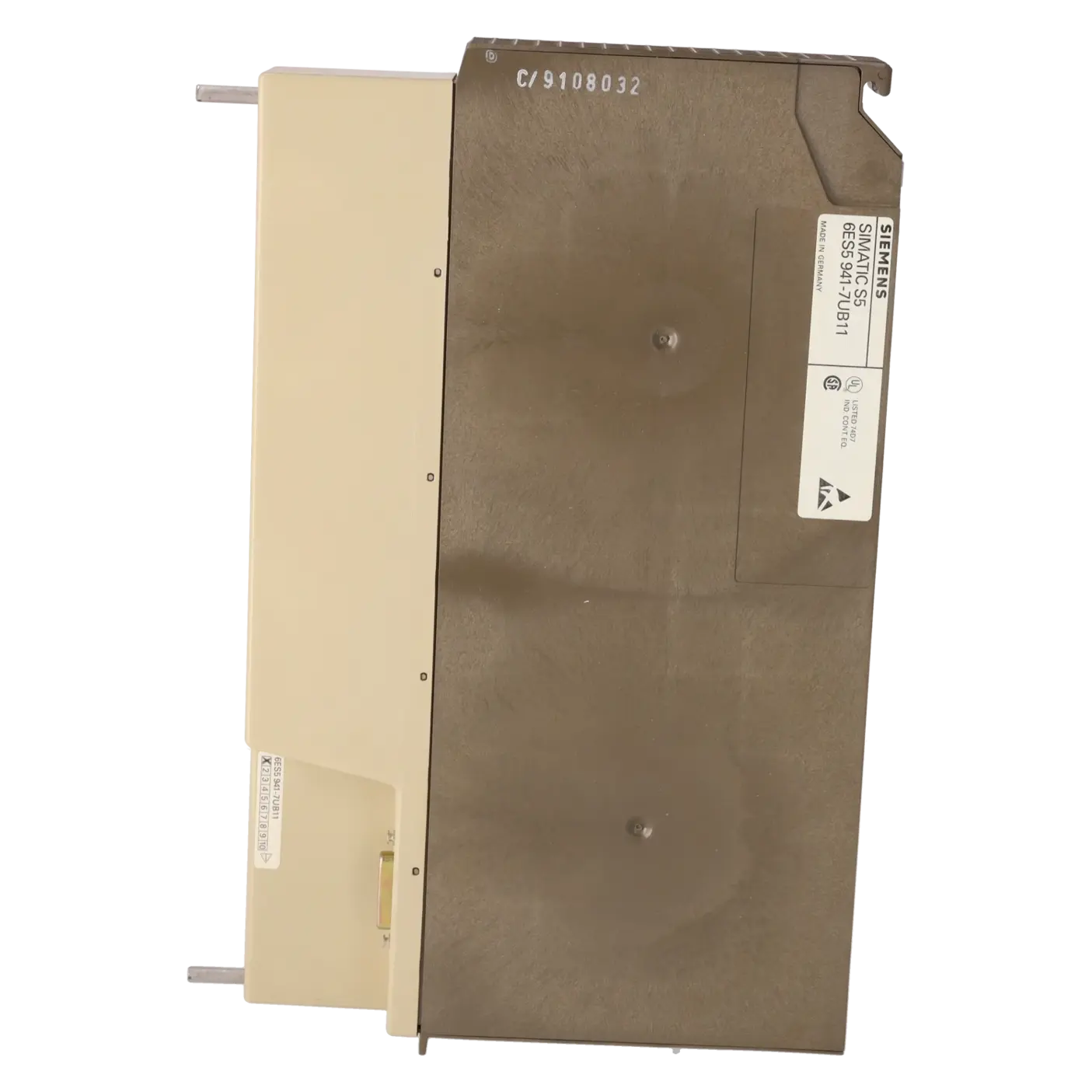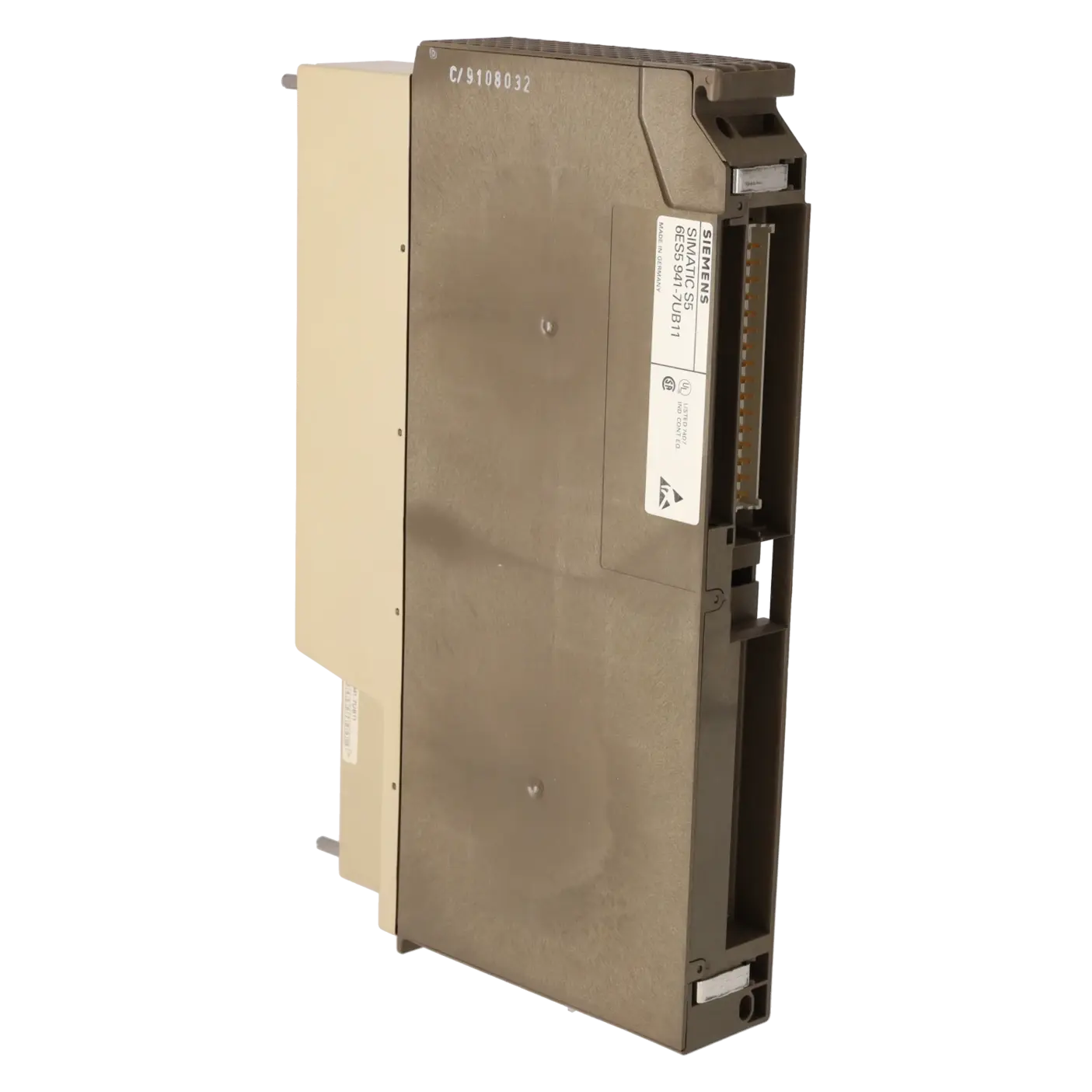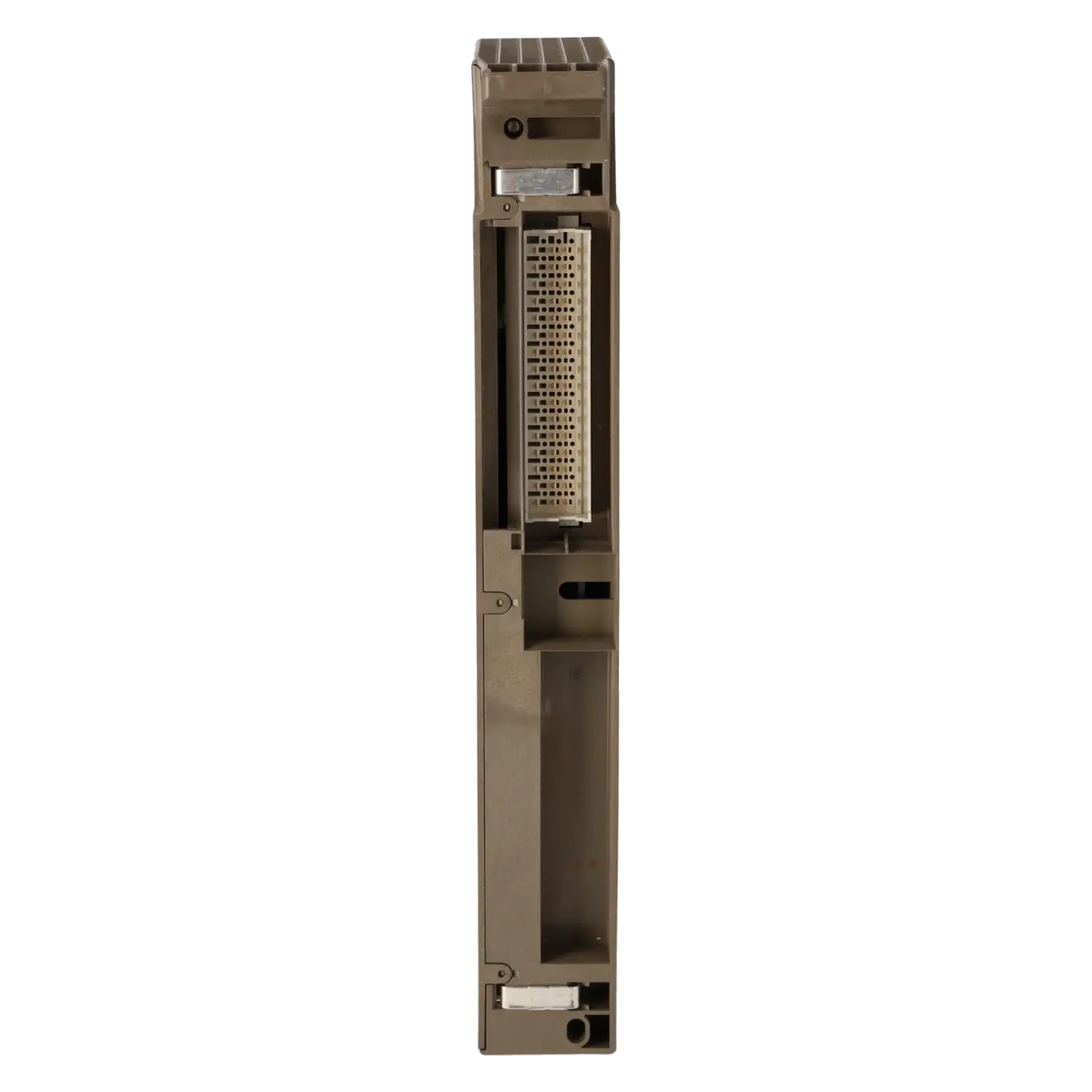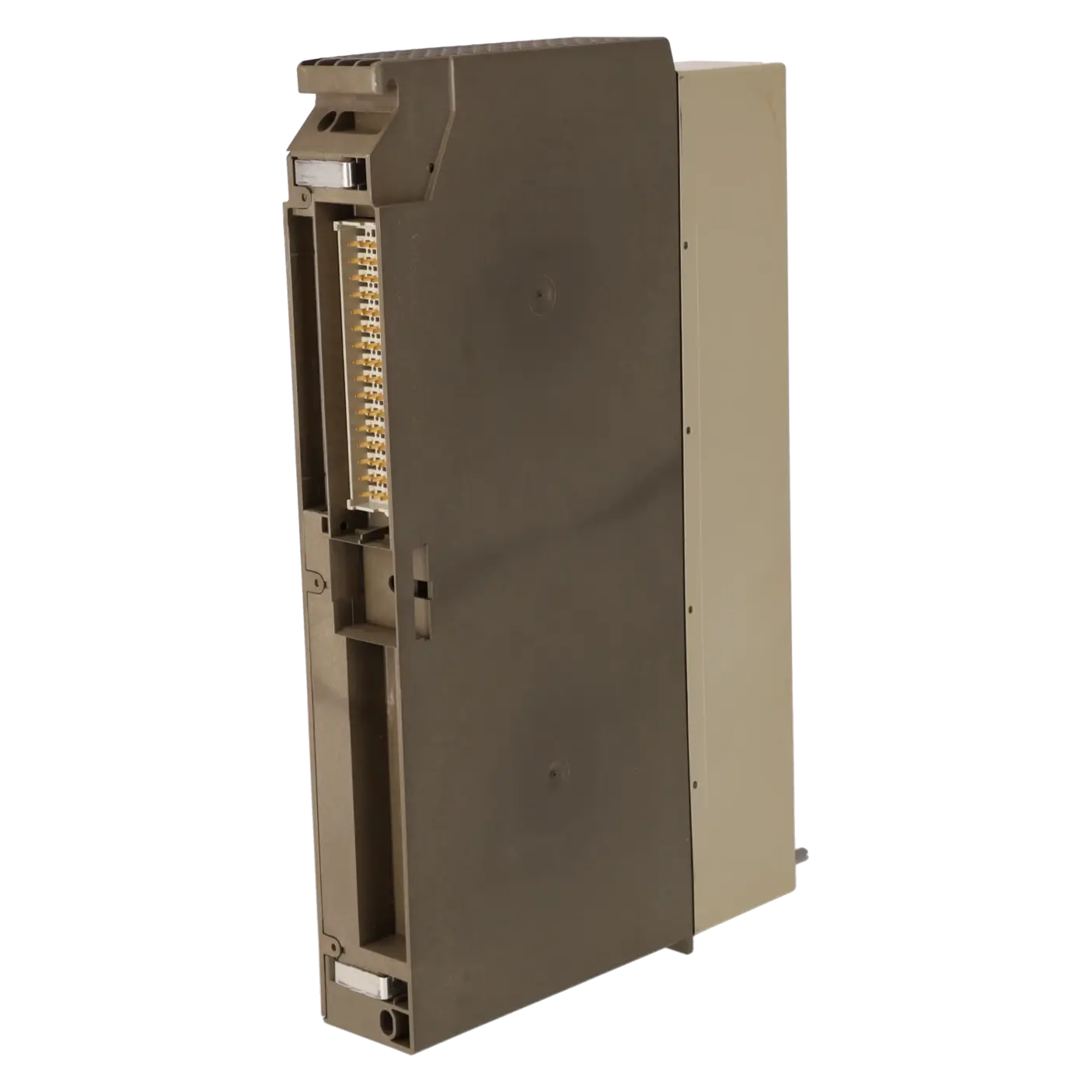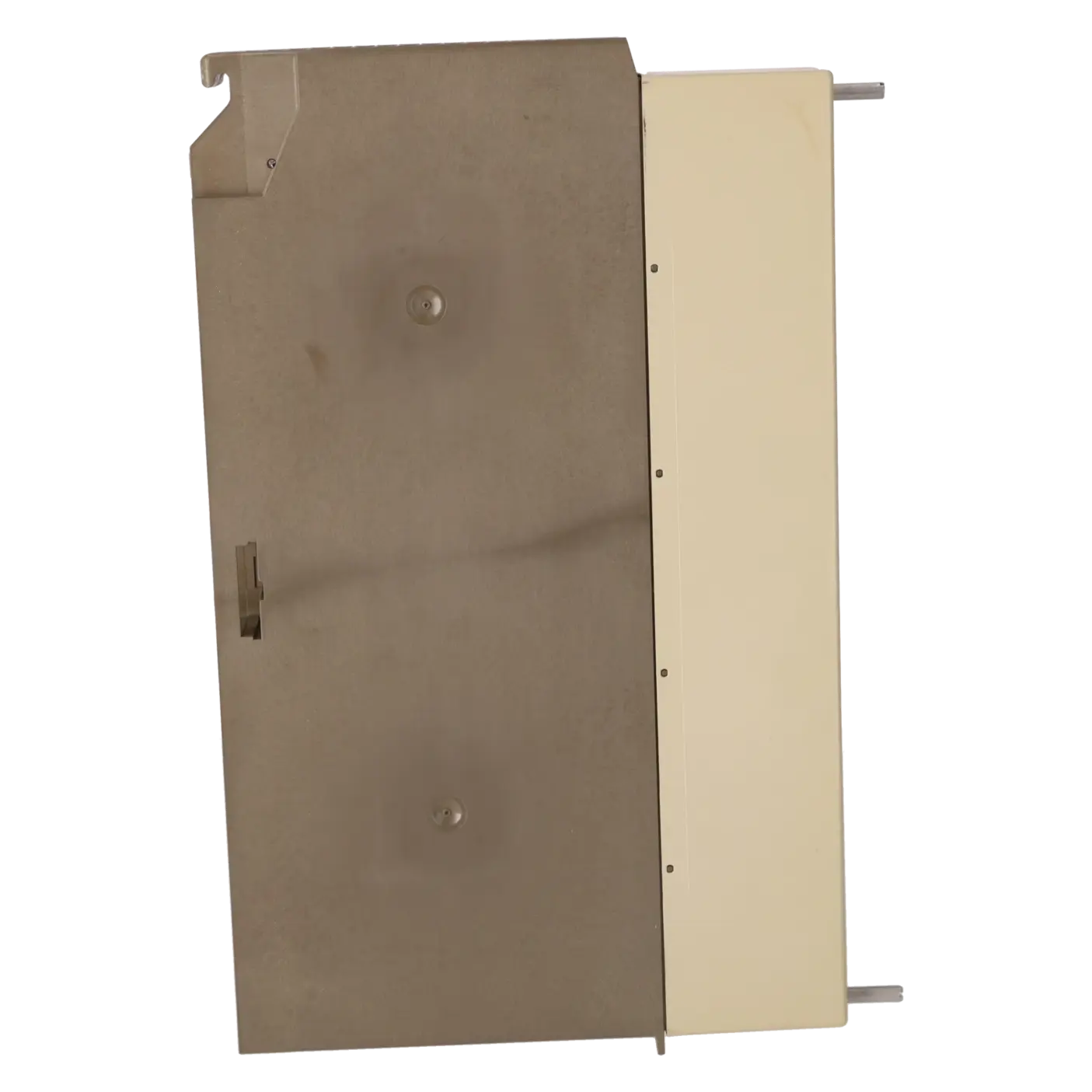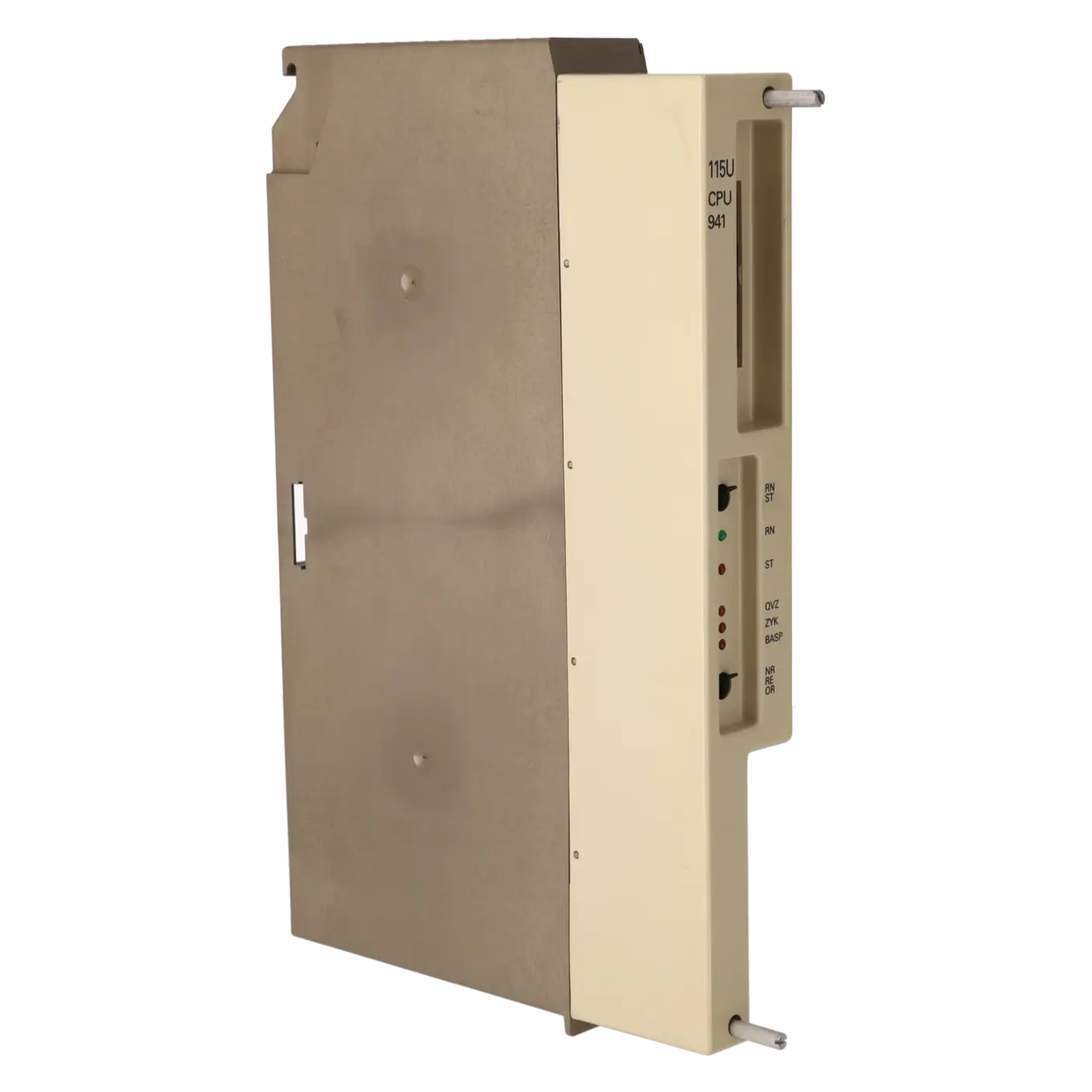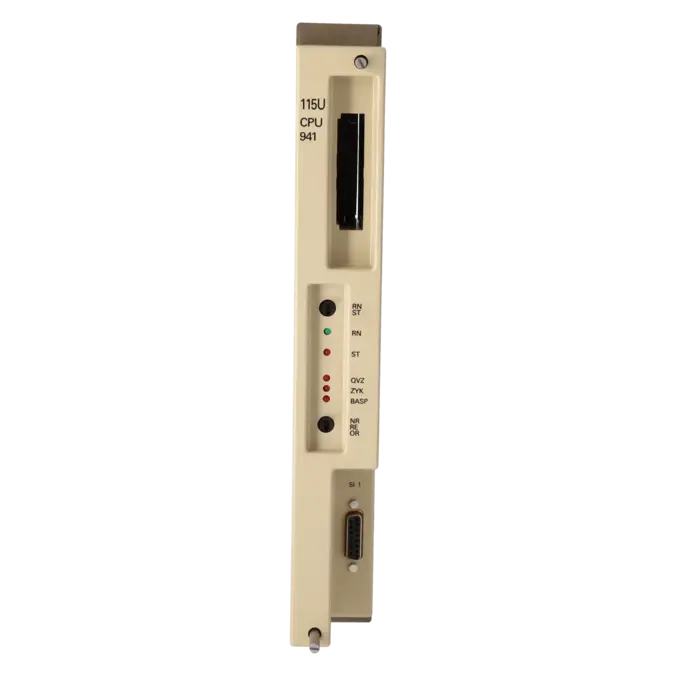
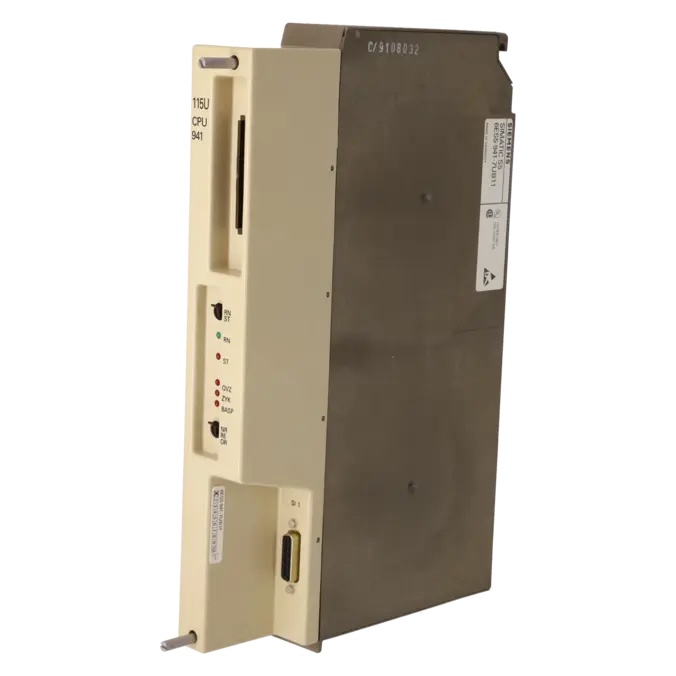
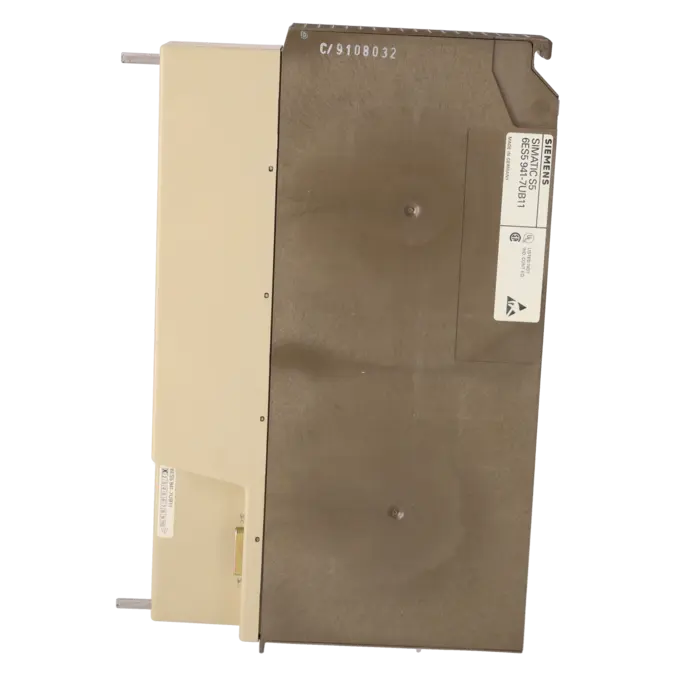
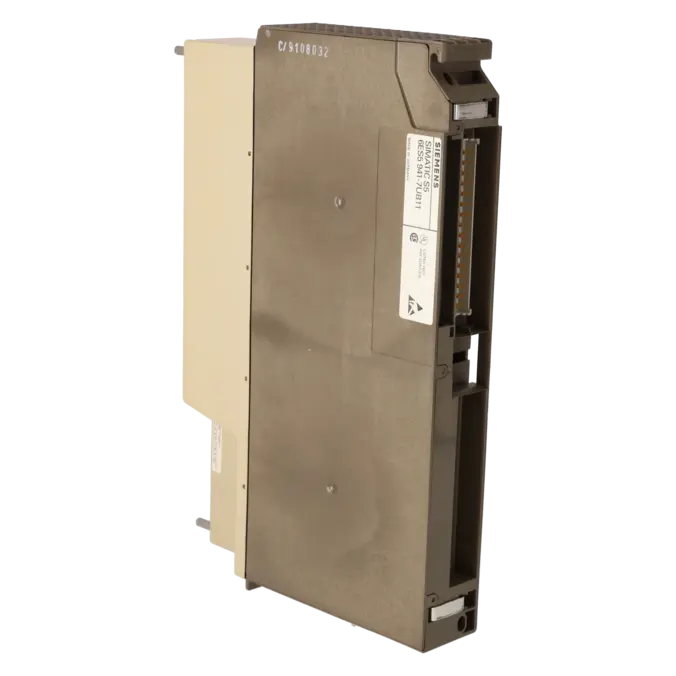
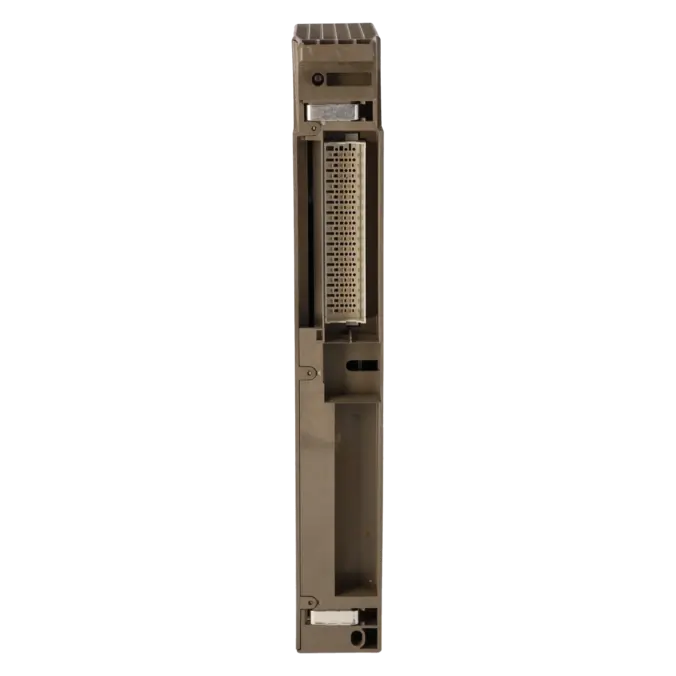
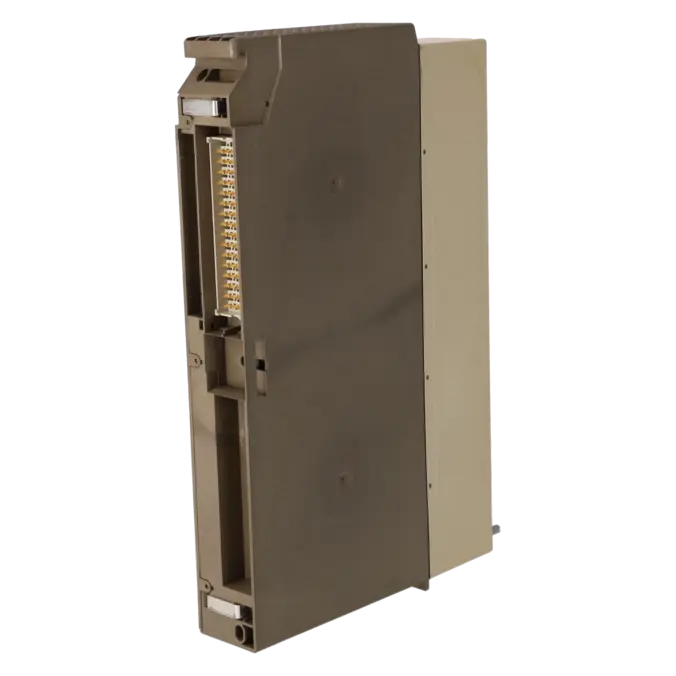
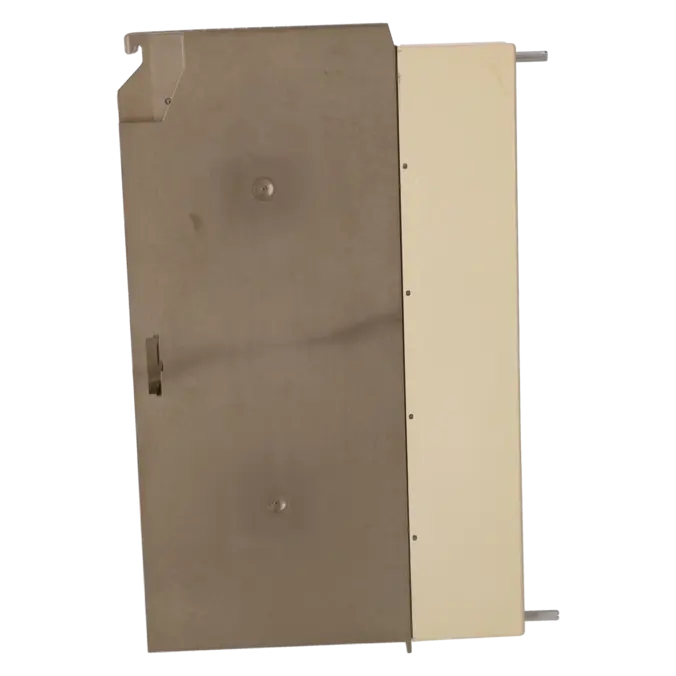
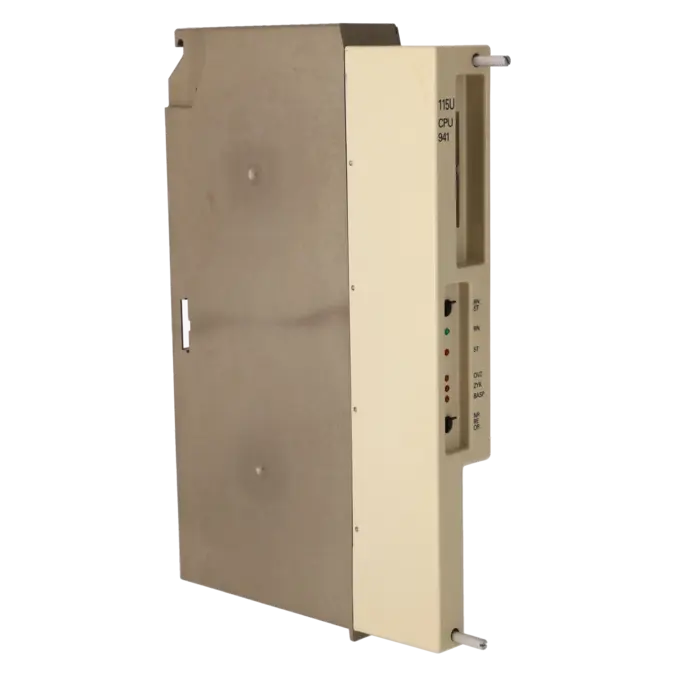

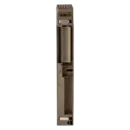
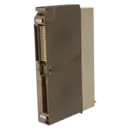

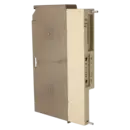
SIEMENS 6ES5941-7UB11
- EICHLER-art.no.: K0001667
- EAN: 4025515055860
Product description
SIMATIC S5, CPU 941 CENTRAL PROCESSING UNIT FOR S5-115U 2 KB RAM
Services for SIEMENS 6ES5941-7UB11
SIEMENS |
6ES5941-7UB11 –
additional product information
| Delivery information | |||
|---|---|---|---|
| Export identifier | AL: ECCN: | ||
| Net weight | 0.761 | ||
| Quantity | 1 Stück | ||
| Packaging quantity | 1 | ||
| Additional product information | |||
|---|---|---|---|
| Product status | EOP: 2005-10-01 | ||
| EAN | 4025515055860 | ||
| UPC | / | ||
| Static lot number | 85371091 | ||
| List indicator | / | ||
| Product group | 4235 | ||
| Country of origin | DE | ||
| Compliance with the substance restrictions according to RoHS directive | Since: / | ||
| Product classifications | Version | Classification | |
|---|---|---|---|
| eClass | 4 | / | |
| eClass | 5.1 | / | |
| eClass | 6.0 | / | |
| ETIM | 3 | / | |
| ETIM | 4 | / | |
| ETIM | 5 | / | |
What is the 6ES5941-7UB11 and where is it used?
The 6ES5941-7UB11 is a SIEMENS SIMATIC S5 CPU 941 central processing unit designed for the S5-115U system. The module executes the user program and therefore performs the central control function within the rack. Siemens explicitly identifies the CPU 941 as one of the four CPU variants available for the S5-115U platform, while the EICHLER product description further specifies it as a CPU 941 central processing unit for S5-115U with 2 KB of RAM. As a result, the module is particularly relevant in existing SIMATIC S5 installations that remain in productive operation and where breakdowns must be resolved quickly without immediately migrating the entire control architecture to a newer platform.
Overview of the key technical data and what it means
The CPU 941 provides 2 KB of internal RAM for the user program and additionally supports memory submodules. RAM, EPROM and EEPROM memory modules can each accommodate up to 8,192 instructions, giving a maximum total capacity of 9,216 instructions. In practical terms, this means the CPU is intended for small to medium-sized S5 applications rather than the significantly larger programs supported by later CPU generations. Siemens also specifies approximately 2.2 µs per binary operation, 60 to 200 µs per word operation, 2,048 flag bits, 128 timers, 128 counters and a serial interface for connecting programming devices, operator panels or SINEC L1 networks. These specifications are particularly important when maintenance engineers need to assess performance reserves, memory limitations or communication constraints in legacy installations.
Product status, life-cycle status and obsolescence
For the 6ES5941-7UB11, the EICHLER product page lists an EOP (End of Production) date of 1 October 2005. In the available Siemens product information, the module is also classified as a spare part, underlining the advanced life-cycle stage of the SIMATIC S5 platform. For operators, this means that the CPU falls firmly into the area of obsolescence management, where availability, tested replacement parts and repair capability become more important than traditional new-product procurement. Siemens does not identify a plug-compatible 1:1 successor for this specific CPU in the referenced documentation. In the Siemens migration guide from S5 to S7-1500, the CPU 1513-1 PN is listed as a recommended modernisation target, but explicitly as a migration path rather than a direct replacement.
Available EICHLER services and when they are relevant
For this CPU, EICHLER offers repair, exchange, used parts and new parts. Repair is specified with a turnaround time of 2–5 days and includes technical cleaning, preventive maintenance, comprehensive functional testing and a minimum 24-month warranty. An optional test report for the CPU/central processing unit is also available. This is particularly valuable when an existing installation is to remain on the S5 platform and downtime, recommissioning effort and modification risks must be kept to a minimum. An exchange service is the preferred option when the machine must be returned to operation faster than a repair cycle would allow. Used parts can be an attractive solution for cost-conscious procurement strategies and spare-parts stocking.
| Fault Description | Possible Solution |
|---|---|
| Why does my 6ES5941-7UB11 go into STOP with a QVZ fault? | A QVZ fault typically indicates a peripheral timeout. Siemens identifies two main causes: the program is attempting to access a non-existent peripheral byte, or an I/O module fails to acknowledge a request. The CPU stores the affected module address in SD 103. If OB23 is not present, the CPU switches to STOP when a QVZ fault occurs. First check whether the addressed module is physically installed, whether all connectors are properly seated and whether the peripheral power supply is stable. Also verify that the addressing used in the STEP 5 program matches the actual hardware configuration. Afterwards, evaluate the USTACK and system data and test or replace the suspected module as required. |
| Why is BASP active and why do the outputs remain disabled? | Within the S5-115U, BASP indicates that the outputs are inhibited. Siemens describes this condition for both STOP and RESTART modes. BASP is only cleared after OB21 or OB22 has been processed successfully. If BASP appears immediately after power-up and remains active, check the CPU operating state, start-up behaviour, rack connections, power supply and the basic functionality of the system. If programming-device access is also unavailable, the fault is usually more serious than a simple operating error and may originate from the CPU, backplane bus or power supply. |
| Why is the STOP LED on my CPU 941 flashing or flickering? | Siemens makes a clear distinction here: a flickering STOP LED generally indicates a faulty CPU, whereas a flashing STOP LED points to a memory module fault. Following an Overall Reset, the CPU checks its program memory. If the fault remains, first inspect the installed memory module, verify its contents and ensure that it is seated correctly. If a properly performed reset and a verified memory module do not restore normal operation, suspicion increasingly points towards a defect within the CPU itself. |
| Why does the 6ES5941-7UB11 fail to return to RUN after power is restored? | If memory buffering is unavailable during a power-up sequence, the S5 may remain in RE mode with a memory fault. Siemens also states that after installing or replacing a battery while the PLC is switched off and without an external supply present, an Overall Reset is required; otherwise, the CPU will not enter RUN mode. In addition, reports from the PLC community indicate that some S5 systems may request a memory reset after power is restored following a supply interruption during RUN operation. Therefore, check the backup battery, back up the program, perform the correct reset procedure and reload the valid program data if necessary. |
| Why does the CPU enter STOP with a ZYK fault? | ZYK indicates that the cycle time limit has been exceeded. Siemens states that this occurs when the actual program execution time becomes greater than the configured monitoring time. Typical causes include endless loops, inefficient block nesting or program modifications that unnecessarily increase cycle duration. Siemens recommends reviewing the application program for loops and call structures, adjusting the cycle monitoring time if appropriate and ensuring that the relevant organisational blocks are configured correctly. Following any program modification, it is particularly important to verify that newly added code does not exceed the performance capabilities of the CPU 941. |
Is the 6ES5941-7UB11 still available as a new part?
The module is listed by EICHLER as a new part. At the same time, the product has been in EOP (End of Production) status for many years, meaning that the availability of new parts can fluctuate significantly. For purchasing and maintenance departments, this is a clear indication that availability should be checked at an early stage and that repair, exchange services and tested used parts should also be considered as part of the procurement strategy.
Is repair often more sensible than a complete replacement for the 6ES5941-7UB11?
For an S5 CPU with EOP status, repair is often an economically attractive option because the existing control logic, wiring and commissioning environment can remain unchanged. The EICHLER product page specifies a repair turnaround time of 2–5 days, including technical cleaning, preventive maintenance, comprehensive functional testing and a minimum 24-month warranty. For operators maintaining an existing SIMATIC S5 infrastructure, this can involve significantly less disruption to production, validation processes and spare-parts management than a complete modernisation project.
Which software and interface are required for the 6ES5941-7UB11?
The S5-115U is programmed using the STEP 5 programming system. Siemens explicitly describes STEP 5 as the standard programming environment for the SIMATIC S5 family. Communication with the CPU is carried out via its serial interface, which can be used to connect programming devices, operator terminals and monitoring devices. The interface also supports SINEC L1 communication. For service and maintenance work, it is therefore important to have not only the correct software but also the appropriate hardware interface for the S5 communication port.
Can I replace the 6ES5941-7UB11 directly with an S7 CPU?
A direct plug-compatible replacement cannot be derived from the available Siemens documentation. In the Siemens migration guide from SIMATIC S5 to S7-1500, the CPU 1513-1 PN is mentioned only as a reference target for modernisation. In practice, this means that a migration to S7 is a full migration project involving the review of hardware, I/O, application software, communications and commissioning procedures rather than a simple 1:1 CPU replacement within the existing S5 rack.
How can I determine whether the CPU or the memory module is causing the problem?
Siemens provides a very useful diagnostic distinction for the S5-115U: if the STOP LED flickers, the CPU itself is the more likely cause. If the STOP LED flashes, the fault is more likely related to the memory module. Following a reset, it should also be verified that the program has been loaded correctly and that the installed memory module matches the CPU configuration. This distinction helps determine whether the memory module should be investigated first or whether a CPU repair or replacement should be considered immediately.
Can the 6ES5941-7UB11 retain flags, timers and counters during a power failure?
Yes, but only under the specified conditions. Siemens specifies 2,048 flag bits, 128 timers and 128 counters for the CPU 941, and these areas can be configured as partially or fully retentive. This requires proper buffering by the backup battery. If this buffering is lost, memory-related issues may occur after power is restored, or the CPU may fail to restart with the expected retained data. In practice, this means that whenever operators experience unexpected cold starts, lost machine states or unexplained behaviour, checking the condition of the backup battery should always be one of the first diagnostic steps.