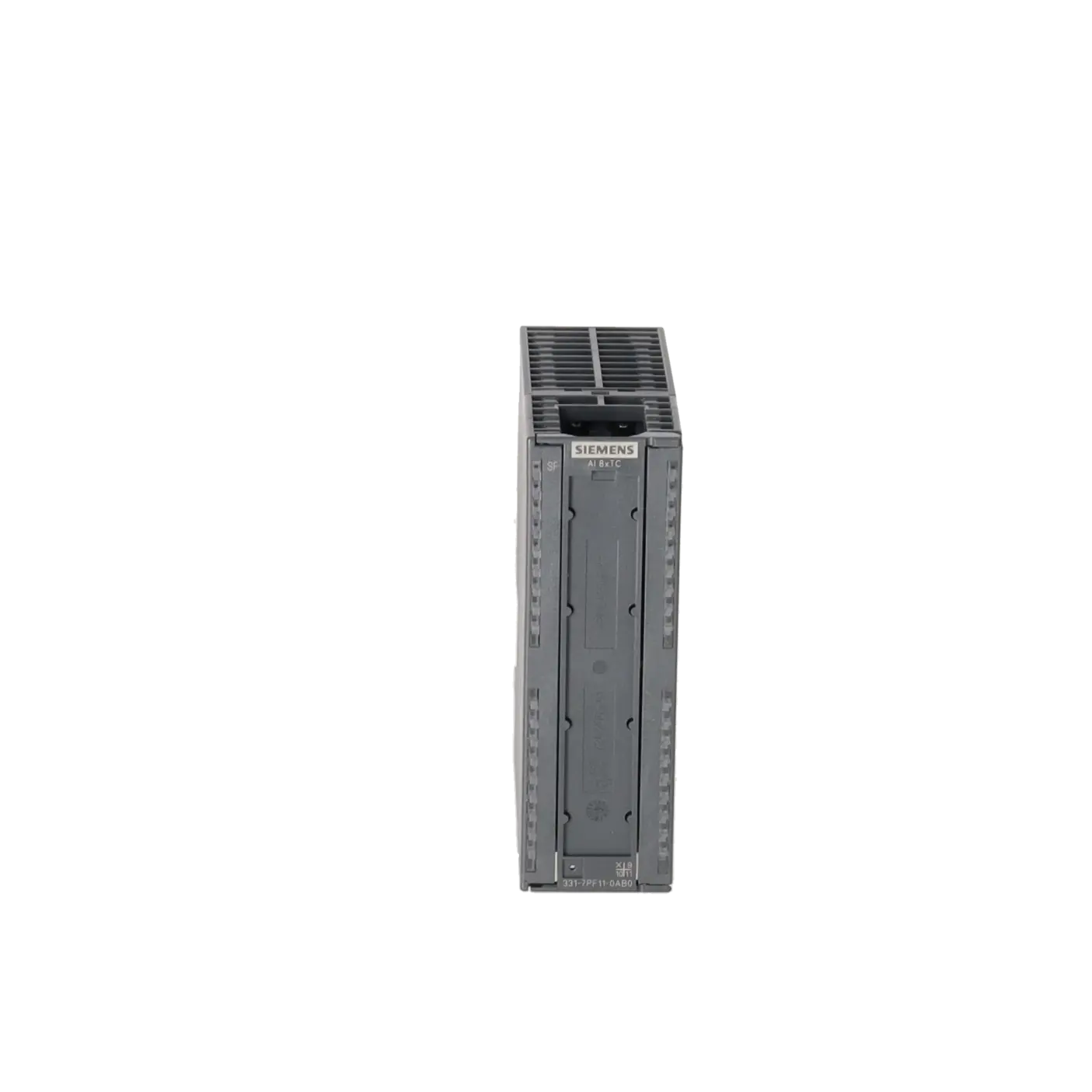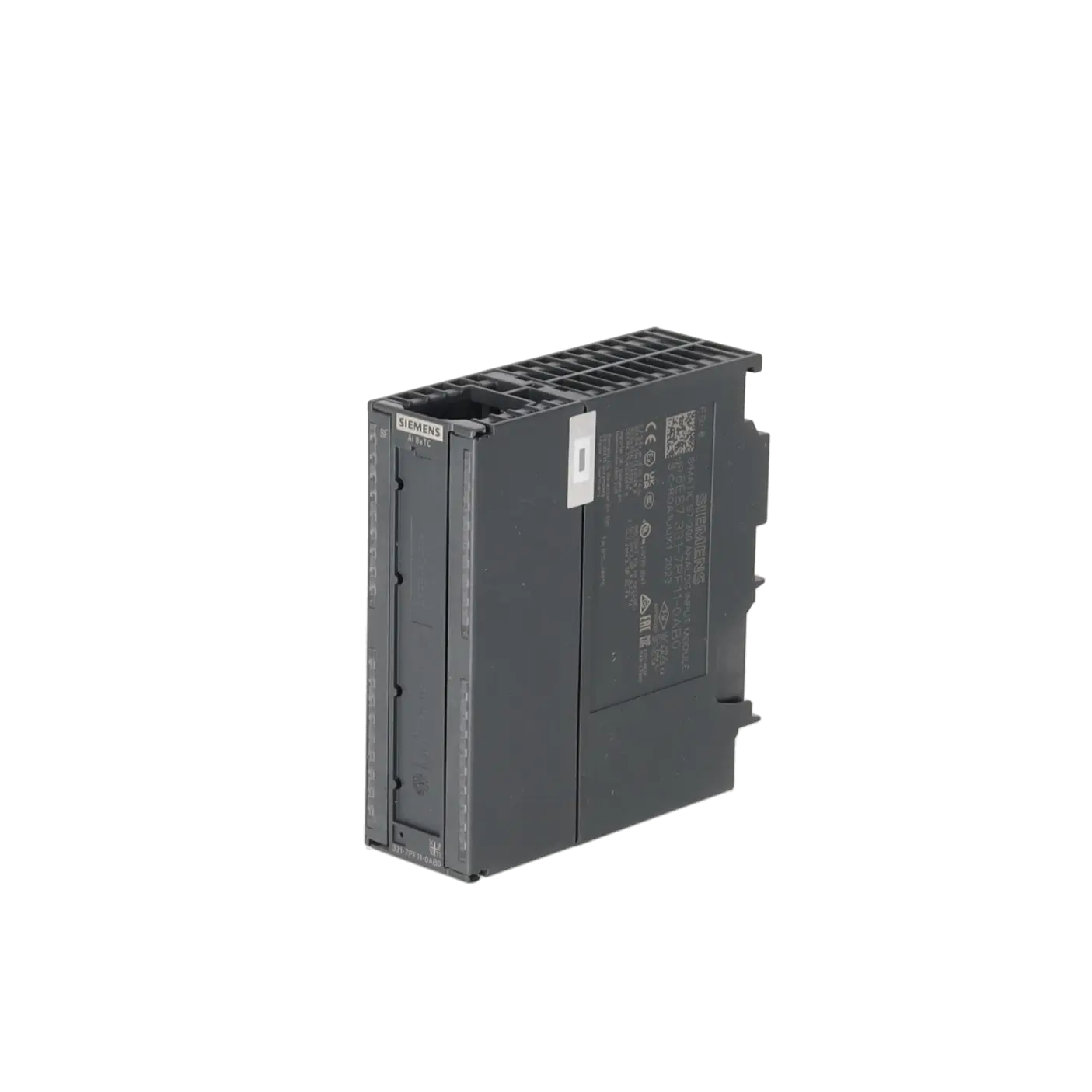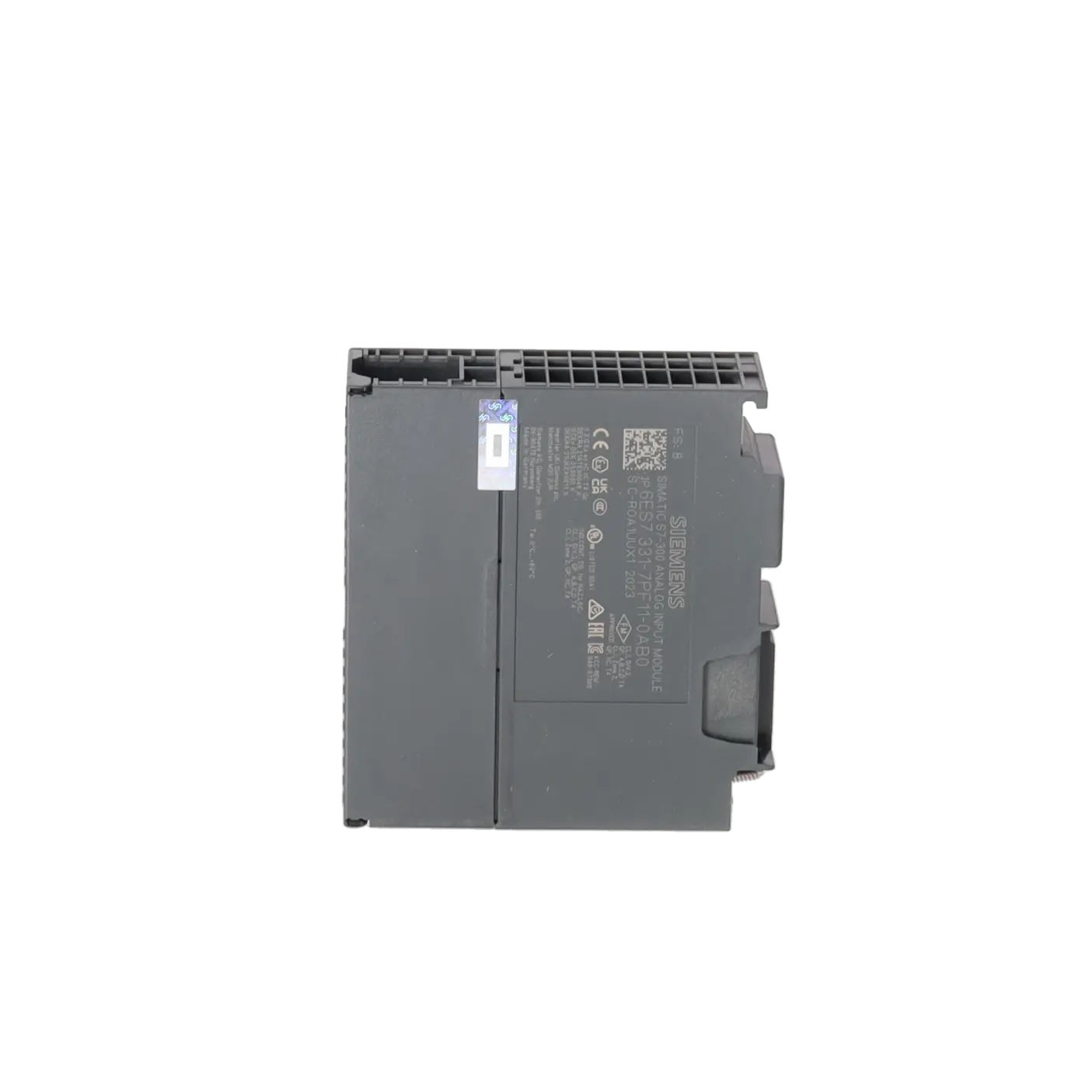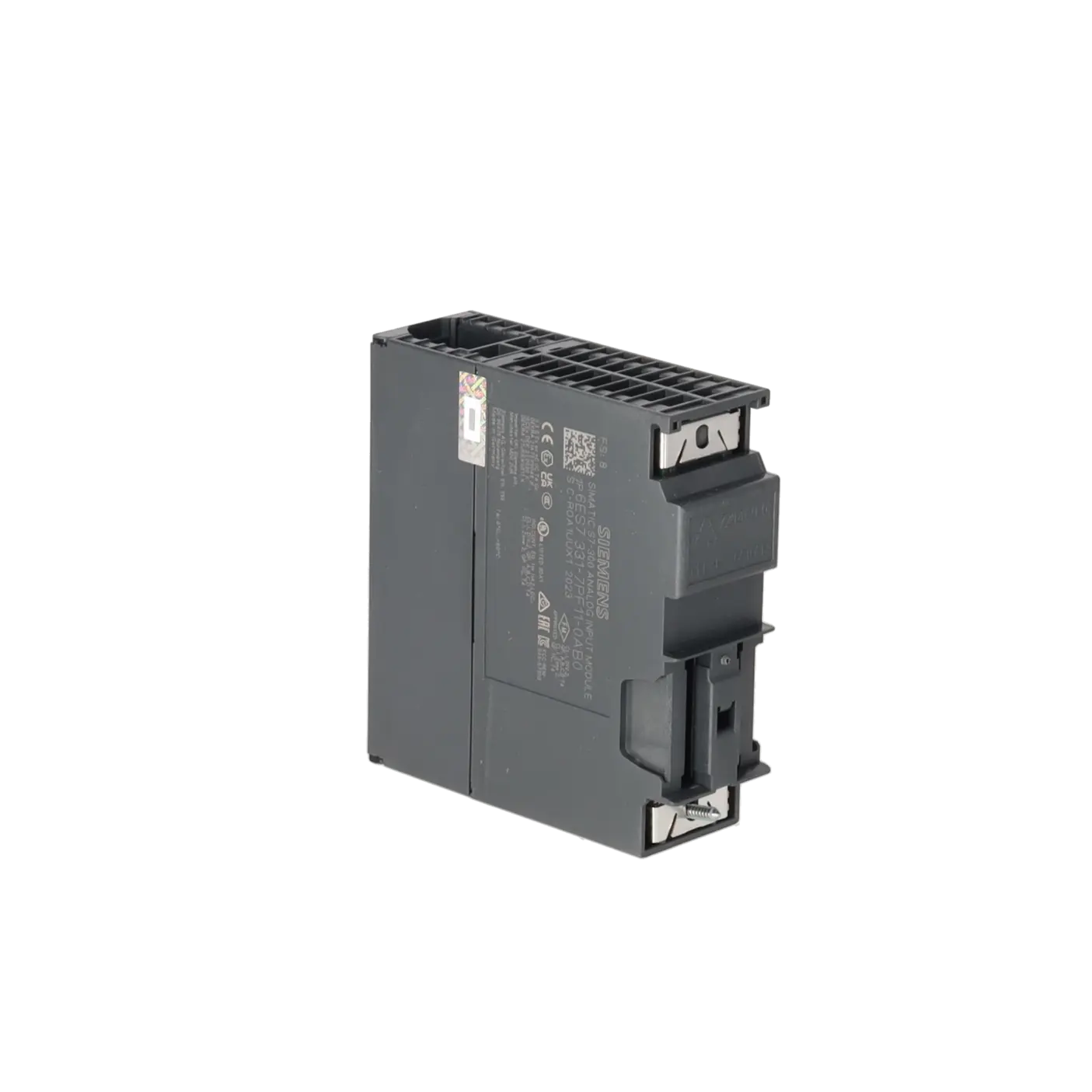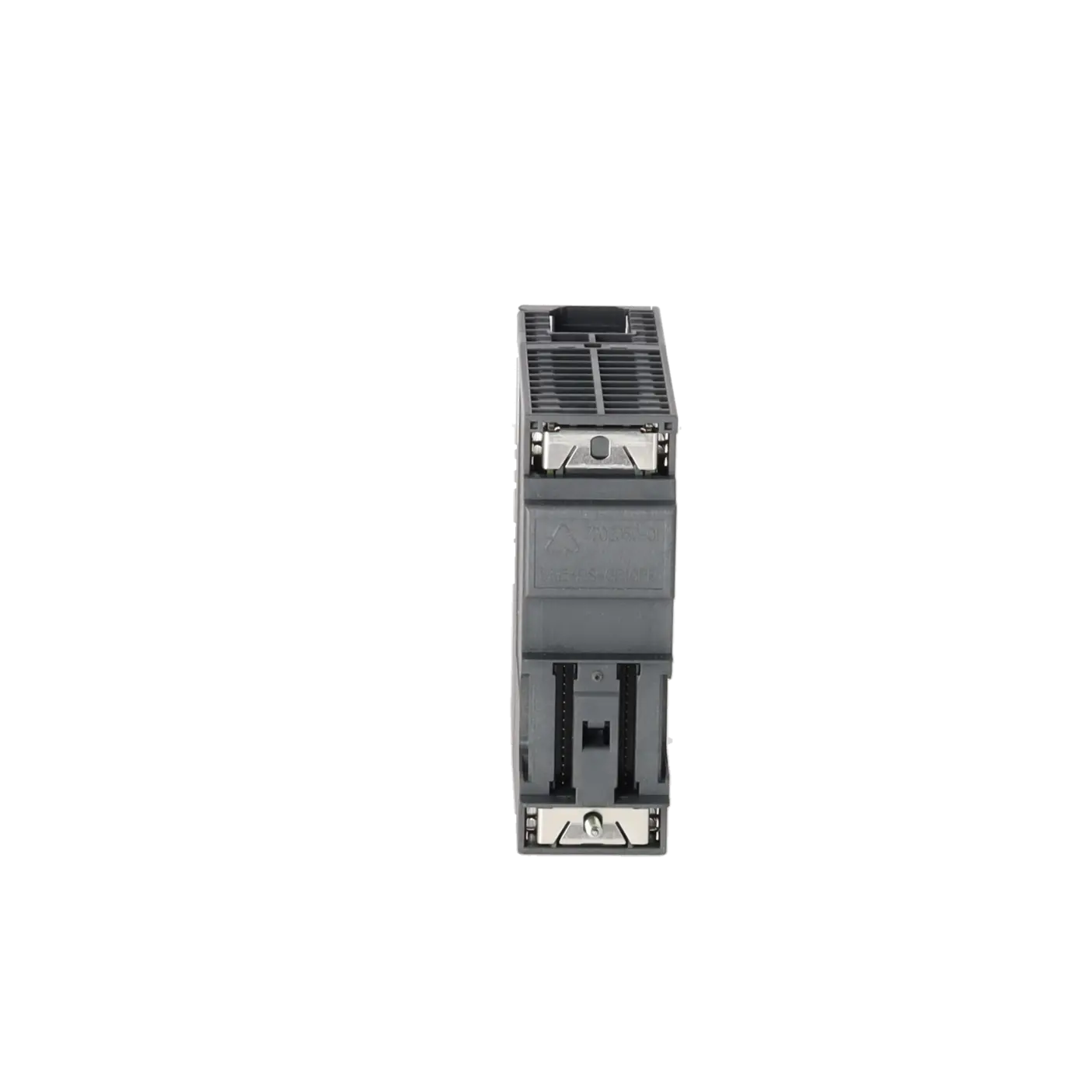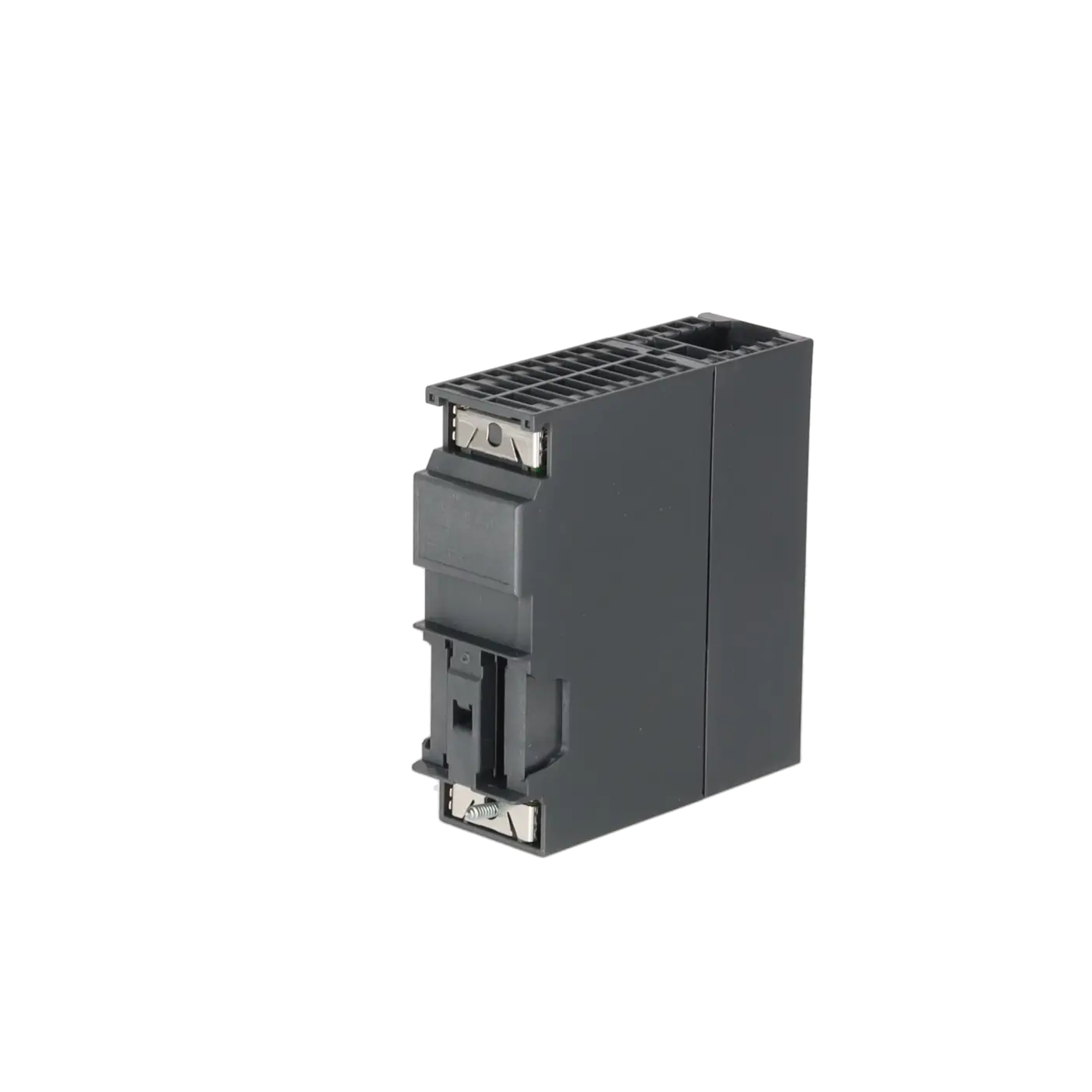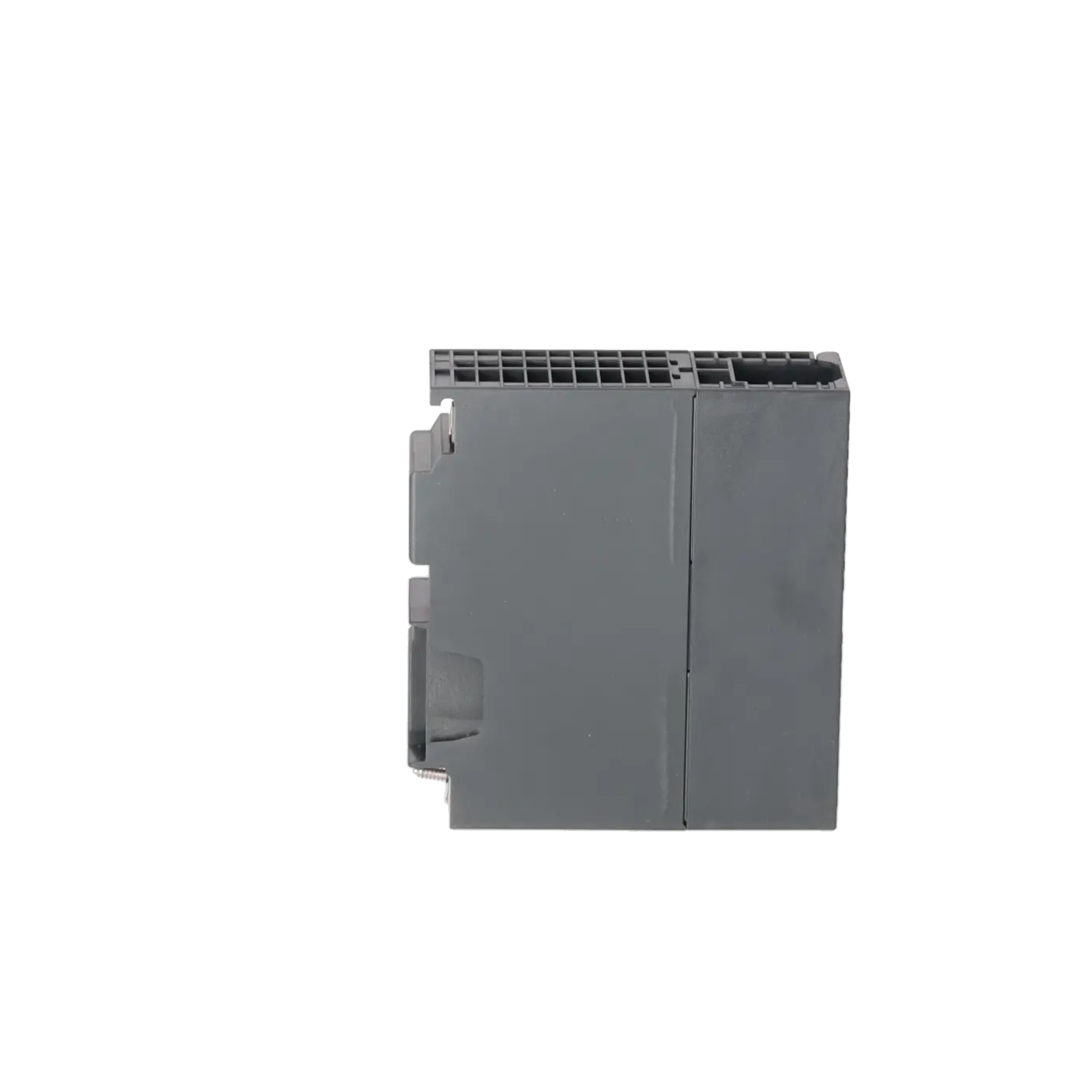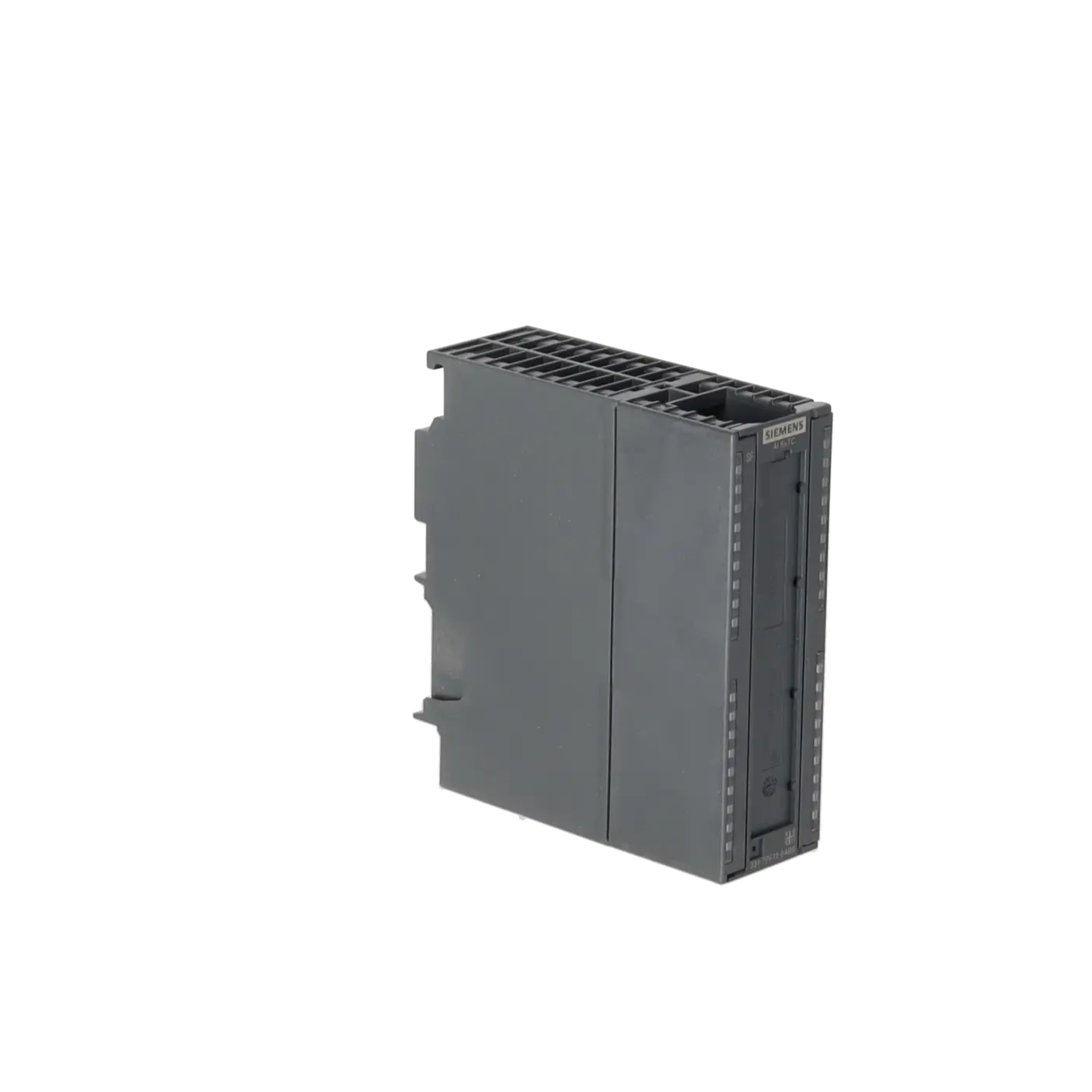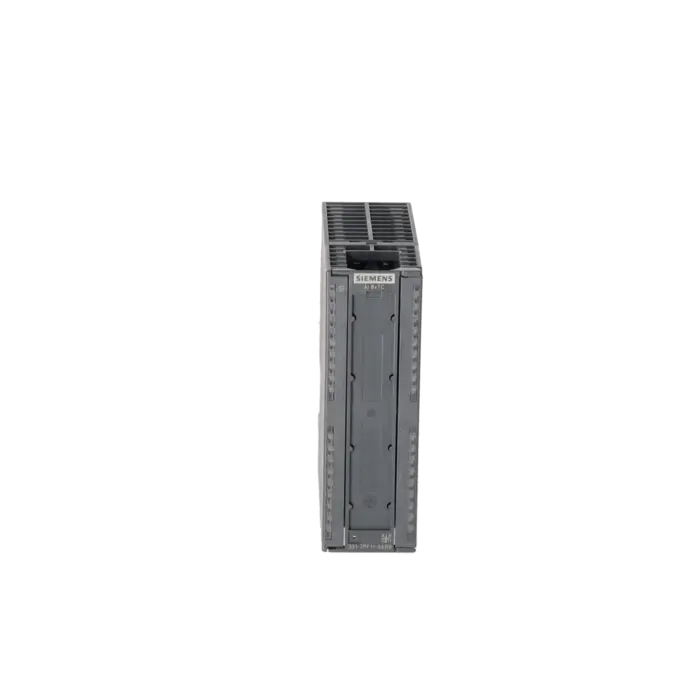
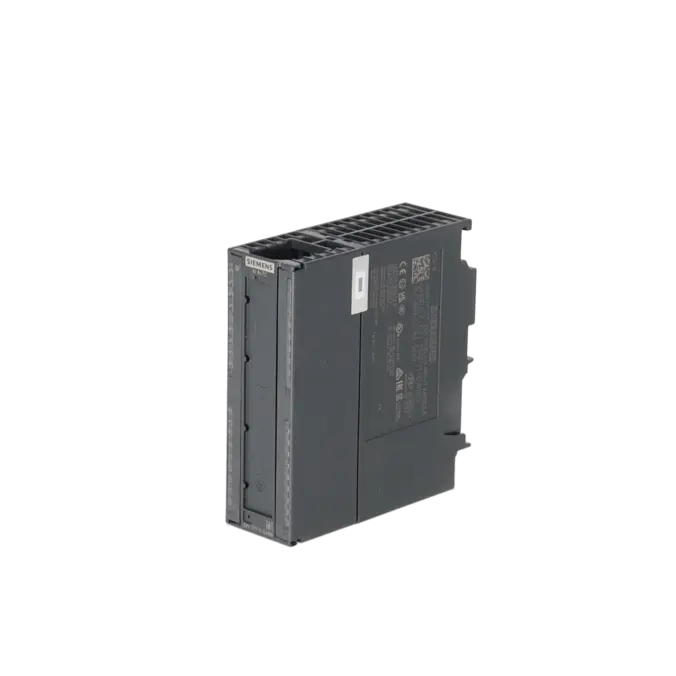
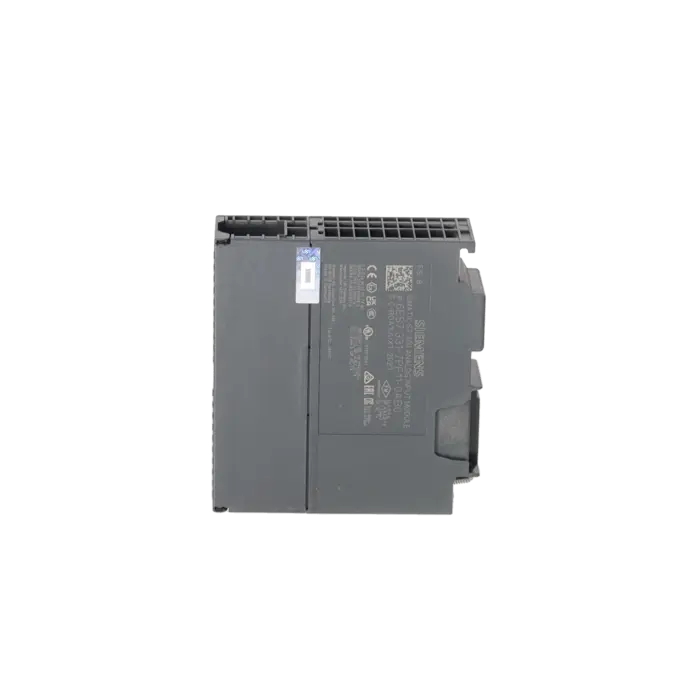
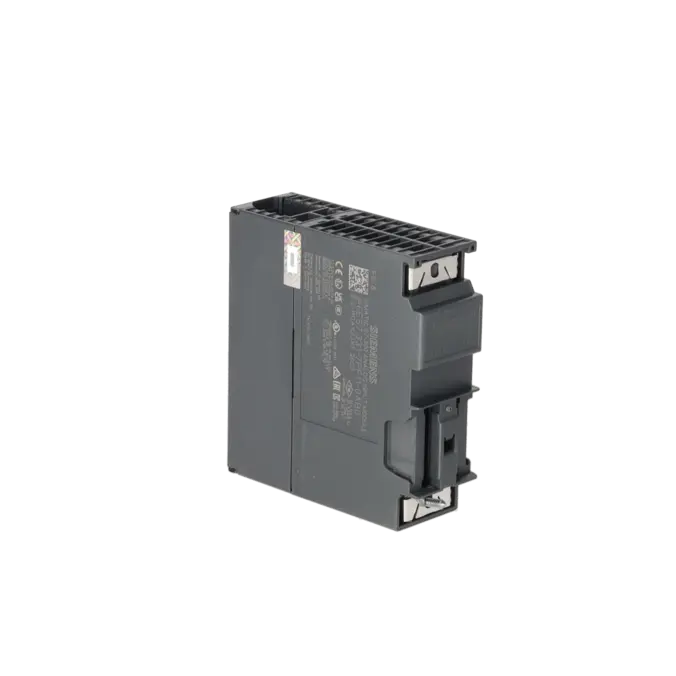
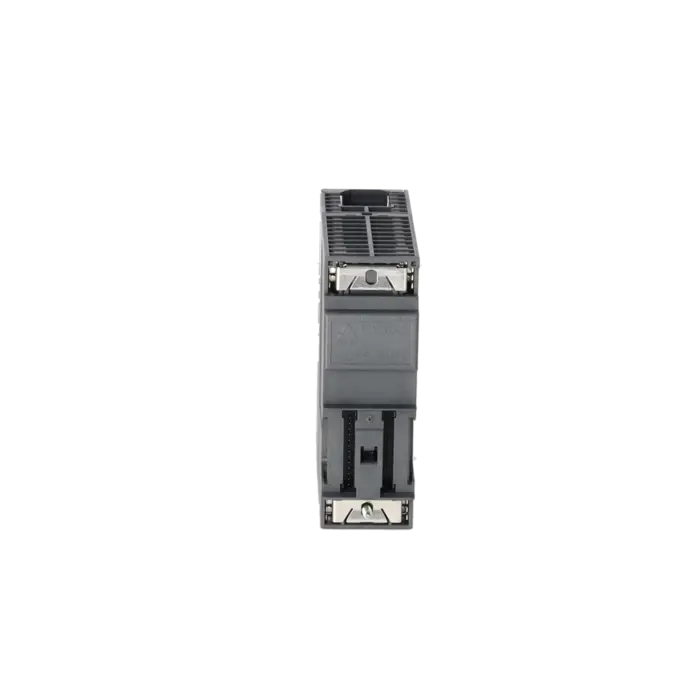
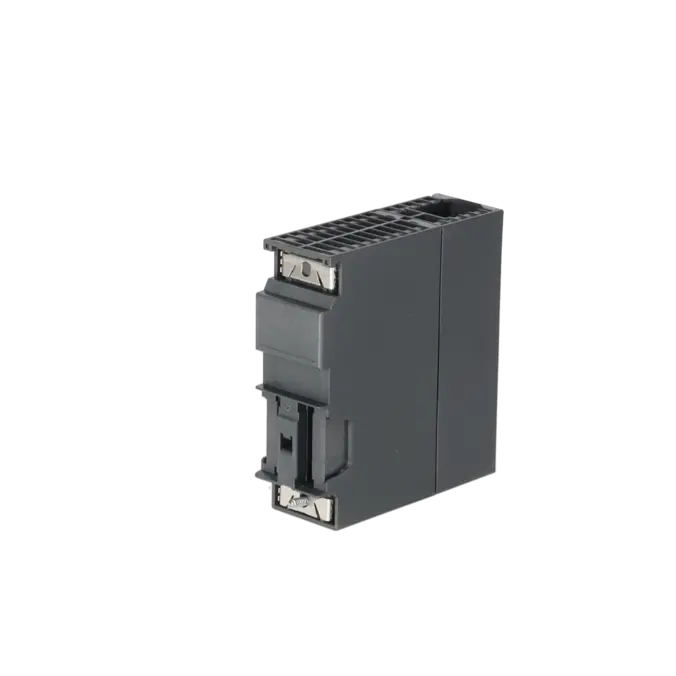
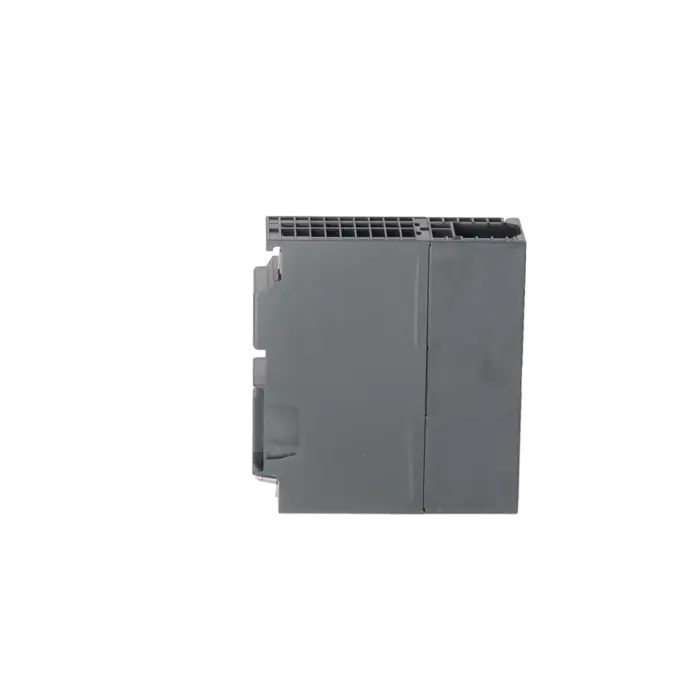
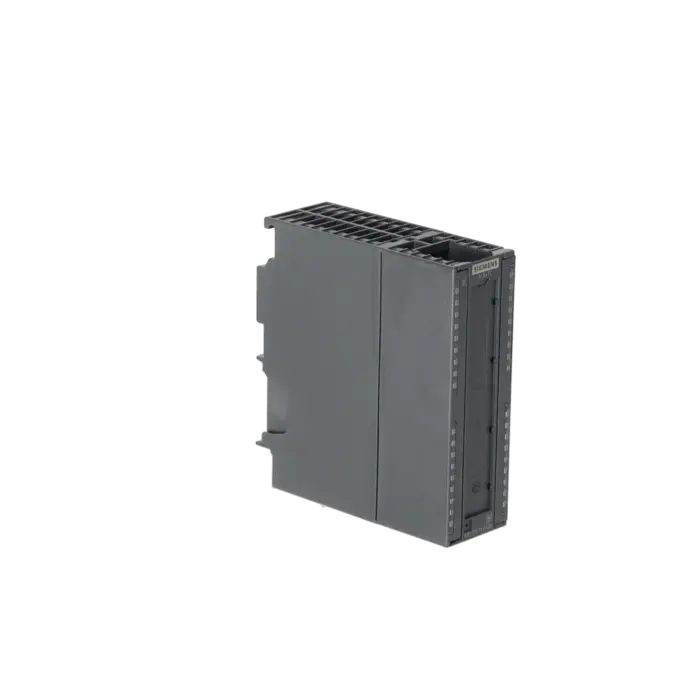
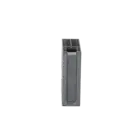
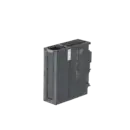
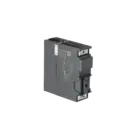
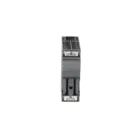
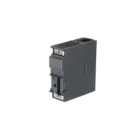
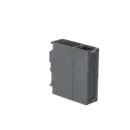
SIEMENS 6ES7331-7PF11-0AB0
- EICHLER-art.no.: K0171265
- EAN: 4025515072027
- UPC: 662643177930
Product description
SIMATIC S7-300, ANALOG INPUT SM 331, ISOLATED, 8 AI THERMOCOUPLES TYPE B, E, J, K, L, N, R, S, T TXK/TXK (L) ACCORDING TO GOST 16 BIT, 50MS, 1X 40-POLE
Services for SIEMENS 6ES7331-7PF11-0AB0
Repair
from 563,62 €
to 1.014,51 €
Replacement
1.120,88 €
840,66 €
Used
1.245,43 €
934,07 €
New
1.383,80 €
1.037,85 €
SIEMENS |
6ES7331-7PF11-0AB0 –
additional product information
| Delivery information | |||
|---|---|---|---|
| Export identifier | AL: N ECCN: EAR99H | ||
| Net weight | 0.324 | ||
| Quantity | 1 Stück | ||
| Packaging quantity | 1 | ||
| Additional product information | |||
|---|---|---|---|
| Product status | EOP: 2025-10-01 | ||
| EAN | 4025515072027 | ||
| UPC | 662643177930 | ||
| Static lot number | 85389091 | ||
| List indicator | ST73 | ||
| Product group | 4561 | ||
| Country of origin | DE | ||
| Compliance with the substance restrictions according to RoHS directive | Since: 20080331 | ||
| Product classifications | Version | Classification | |
|---|---|---|---|
| eClass | 4 | 27-24-03-05 | |
| eClass | 5.1 | 27-24-22-01 | |
| eClass | 6.0 | 27-24-22-01 | |
| ETIM | 3 | / | |
| ETIM | 4 | EC001420 | |
| ETIM | 5 | EC001420 | |
What is 6ES7331-7PF11-0AB0 and where is it used?
The 6ES7331-7PF11-0AB0 is a SIMATIC S7-300 SM 331 analogue input module from Siemens designed for the direct acquisition of thermocouple signals. The module is electrically isolated, operates on 24 V DC, features 8 analogue inputs, and is connected via a 40-pin front connector.
Typical applications include temperature measurement in furnaces, heating systems, dryers, extruders, packaging machines, process systems, and distributed I/O structures with ET 200M, wherever multiple temperature measuring points must be acquired reliably and close to the PLC. For maintenance personnel, the module is particularly relevant when existing S7-300 or ET 200M systems need to remain in operation, be safeguarded, or be repaired at short notice.
Overview of the key technical data and what it means
The module processes 8 thermocouple channels with 16-bit resolution and a specified conversion time of 50 ms. According to Siemens, the measurement type and parameters can be configured per channel group. Supported thermocouple types include B, E, J, K, L, N, R, S, T and TXK/TXK(L); Siemens module data additionally lists C and U as linearised characteristics.
For practical use, the module provides internal or external temperature compensation, supports cable lengths of up to 100 m, and offers diagnostic functions, a red SF LED, as well as hardware and diagnostic alarms. This allows the module not only to measure temperatures but also to be integrated into comprehensive diagnostic, alarm, and limit-value monitoring concepts.
Product status, life-cycle status and obsolescence
For operators of older systems, the life-cycle status is particularly important. On the evaluated EICHLER product page, 6ES7331-7PF11-0AB0 is listed with the product status EOP: 2025-10-01. In the current Siemens data sheet, the module is also explicitly classified as a spare part.
This indicates an advanced stage in the product life cycle and makes a proactive spare parts and repair strategy advisable.
A direct 1:1 slot-compatible successor within traditional S7-300 or ET 200M racks is not identified in the Siemens sources reviewed. For modernisation projects, Siemens specifies a migration path to ET 200SP HA, specifically the AI 16xTC/8xRTD 2-/3-/4-wire HA (6DL1134-6JH00-0PH1), optionally in combination with the I/O adapter 6EZ2041-8HR35-3AE0.
It is important to note that this is a modernisation or upgrade solution, not a simple plug-and-play replacement within the same S7-300 rack.
Available EICHLER services and when they are relevant in practice
For this module, EICHLER offers repair, exchange, used units, and new units.
Repair is particularly suitable when the existing configuration should be retained and the original module can continue to be used economically. According to the product page, the repair service includes technical cleaning, preventive maintenance, comprehensive functional testing, and a minimum 24-month warranty.
The exchange service is generally the fastest option in the event of an unexpected breakdown, as a fully tested replacement unit can be provided in advance.
Used units are suitable for cost-sensitive spare parts strategies, while new units are of interest when a defined equipment condition is required for critical spare parts inventories or standardised procurement processes.
At the time of retrieval, the product page listed exchange units, used units, and new units with an availability of 1–3 days.
| Attribute | Value |
|---|---|
| General information | |
| Product function | |
| ● Isochronous mode | No |
| Supply voltage | |
| Load voltage L+ | |
| ● Rated value (DC) | 24 V |
| ● Reverse polarity protection | Yes |
| Input current | |
| from load voltage L+ (without load), max. | 240 mA |
| from backplane bus 5 V DC, max. | 100 mA |
| Power loss | |
| Power loss, typ. | 3 W |
| Analog inputs | |
| Number of analog inputs | 8 |
| permissible input voltage for voltage input (destruction limit), max. | 75 V; 20 V DC permanent, 75 V DC for max. 1 s (duty factor 1:20) |
| Constant measurement current for resistance-type transmitter, typ. | 0.7 mA |
| Input ranges | |
| ● Voltage | No |
| ● Current | No |
| ● Thermocouple | Yes |
| ● Resistance thermometer | No |
| ● Resistance | No |
| Input ranges (rated values), voltages | |
| ● 0 to +10 V | No |
| ● 1 V to 5 V | No |
| ● 1 V to 10 V | No |
| ● -1 V to +1 V | No |
| ● -10 V to +10 V | No |
| ● -2.5 V to +2.5 V | No |
| ● -250 mV to +250 mV | No |
| ● -5 V to +5 V | No |
| ● -50 mV to +50 mV | No |
| ● -500 mV to +500 mV | No |
| ● -80 mV to +80 mV | No |
| Input ranges (rated values), currents | |
| ● 0 to 20 mA | No |
| ● -10 mA to +10 mA | No |
| ● -20 mA to +20 mA | No |
| ● -3.2 mA to +3.2 mA | No |
| ● 4 mA to 20 mA | No |
| Input ranges (rated values), thermocouples | |
| ● Type B | Yes |
| ● Type C | Yes |
| ● Type E | Yes |
| ● Type J | Yes |
| ● Type K | Yes |
| ● Type L | Yes |
| ● Type N | Yes |
| ● Type R | Yes |
| ● Type S | Yes |
| ● Type T | Yes |
| ● Type U | Yes |
| ● Type TXK/TXK(L) to GOST | Yes |
| Input ranges (rated values), resistance thermometer | |
| ● Cu 10 | No |
| ● Ni 100 | No |
| ● Ni 1000 | No |
| ● LG-Ni 1000 | No |
| ● Ni 120 | No |
| ● Ni 200 | No |
| ● Ni 500 | No |
| ● Pt 100 | No |
| ● Pt 1000 | No |
| ● Pt 200 | No |
| ● Pt 500 | No |
| Input ranges (rated values), resistors | |
| ● 0 to 150 ohms | No |
| ● 0 to 300 ohms | No |
| ● 0 to 600 ohms | No |
| ● 0 to 6000 ohms | No |
| Thermocouple (TC) | |
| Temperature compensation | |
| — parameterizable | Yes |
| — internal temperature compensation | Yes |
| — external temperature compensation with Pt100 | Yes |
| — external temperature compensation with compensations socket | Yes |
| — for definable comparison point temperature | Yes |
| Characteristic linearization | |
| ● parameterizable | Yes |
| — for thermocouples | Type B, E, J, K, L, N, R, S. T, U, C |
| Cable length | |
| ● shielded, max. | 100 m |
| Analog value generation for the inputs | |
| Integration and conversion time/resolution per channel | |
| ● Resolution with overrange (bit including sign), max. | 16 bit; Two's complement |
| ● Integration time, parameterizable | Yes |
| ● Basic conversion time (ms) | Up to 4 channels: 10 ms per module, 5 channels upwards: 190 ms per module |
| ● Interference voltage suppression for interference frequency f1 in Hz | 400 / 60 / 50 Hz |
| Errors/accuracies | |
| Operational error limit in overall temperature range | |
| ● Voltage, relative to input range, (+/-) | ±1 K |
| ● Thermocouple, relative to input range, (+/-) | Type T: ±0.18%, Type U: ±0.15%, Type E: ±0.12%, Type J: ±0.12%, Type L: ±0.17%, Type K: ±0.15%, Type N: ±0.17%, Type R: ±0.08%, Type S: ±0.10%, Type B: ±0.13%, Type C: ±0.10%, TXK/XK(L): ±1.00% accuracy in the lower range of the characteristic curve |
| Basic error limit (operational limit at 25 °C) | |
| ● Thermocouple, relative to input range, (+/-) | Type T: ±0.13%, Type U: ±0.08%, Type E: ±0.05%, Type J: ±0.04%, Type L: ±0.06%, Type K: ±0.04%, Type N: ±0.04%, Type R: ±0.03%, Type S: ±0.03%, Type B: ±0.05%, Type C: ±0.02%, TXK/XK(L): ±0.67 % accuracy in the lower range of the characteristic curve |
| Interrupts/diagnostics/status information | |
| Diagnostics function | Yes; Parameterizable |
| Alarms | |
| ● Diagnostic alarm | Yes; Parameterizable per group |
| ● Limit value alarm | Yes; Parameterizable |
| ● Hardware interrupt | Yes; Parameterizable, channels 0 to 7 |
| Diagnoses | |
| ● Diagnostic information readable | Yes |
| Diagnostics indication LED | |
| ● Group error SF (red) | Yes |
| Potential separation | |
| Potential separation analog inputs | |
| ● between the channels | Yes |
| ● between the channels, in groups of | 2 |
| ● between the channels and backplane bus | Yes |
| ● between the channels and the power supply of the electronics | Yes |
| Isolation | |
| Isolation tested with | 500 V DC |
| Connection method | |
| required front connector | 40-pin |
| Dimensions | |
| Width | 40 mm |
| Height | 125 mm |
| Depth | 120 mm |
| Weights | |
| Weight, approx. | 272 g |
| Fault description | Possible solution |
|---|---|
| Why does the 6ES7331-7PF11-0AB0 report a wire break or an SF fault even though the sensor is connected? | First check the parameterisation of the wire-break monitoring and the group diagnostics. Siemens describes specific characteristics of the open-circuit monitoring function for this module. In addition, the wiring at the front connector, the continuity of the thermocouple, the terminal position of the compensation point, and the CPU diagnostic buffer should be checked. If diagnostics are enabled, OB82 is also relevant, as detailed fault information can be read there. |
| Why does the module display incorrect or heavily drifting temperature values? | A common cause is incorrect cold-junction compensation. With thermocouples, additional thermoelectric voltages are generated at transitions between different metals. If the wiring changes to copper within the connection box, the reference junction must be compensated correctly, for example by using external temperature compensation. Siemens also points out that when external compensation is used via the COMP terminals, only one thermocouple type per group may be used. |
| Why do I get 7FFF, overflow values, or seemingly maximum temperature readings at the input? | This often indicates an incorrect measurement type, an unsuitable thermocouple type, a wire break, or a measured value outside the valid characteristic curve range. Practical cases from the PLC environment show that such values can also occur in thermally critical applications or with incorrect configuration. Check the STEP 7 parameterisation for each channel group, the actual thermocouple type connected, the scaling in the user program, and the diagnostic messages generated by the module. |
| Why does a wiring fault affect several channels at the same time? | The module uses channel-group-based parameterisation. Siemens states that certain parameters apply to all channels within a group. As a result, a wiring or configuration error may affect an entire group, causing collective faults, implausible values, or diagnostic alarms. When troubleshooting a group fault, always check not only the affected channel but also the neighbouring channels within the same group. |
| Why are the measured values offset or unstable even though the module is functioning correctly? | Before replacing the module, check the cable shielding, grounding, cable routing, reference junction, and sensor condition. Siemens recommends proper compensation and the use of shielded thermocouple cables up to 100 m in length. In long-running installations, the sensor side is often the critical factor: aged thermocouples, poor terminal connections, or unsuitable compensation cables are more likely to cause measurement errors than the module itself. |
Is 6ES7331-7PF11-0AB0 still regularly available?
The module is listed as a spare part in the Siemens documentation reviewed. The EICHLER product page additionally indicates the product status EOP: 2025-10-01. For operators, this means that procurement is still possible, but it should no longer be considered permanently risk-free. Particularly for critical systems, a combination of an available spare part, a repair strategy, and a clear obsolescence plan is therefore advisable.
Which thermocouples are supported by the module?
The product description lists B, E, J, K, L, N, R, S, T, and TXK/TXK(L). Siemens module data additionally specifies configurable linearisation for C and U thermocouple types. What matters is not only the sensor type itself, but also the correct measurement type selection, proper cold-junction compensation, and correct wiring right up to the front connector. Only when these factors match will reliable temperature values be obtained.
Which front connector is required for 6ES7331-7PF11-0AB0?
The module requires a 40-pin front connector. Depending on the connection technology, Siemens specifies the 6ES7392-1AM00-0AA0 screw-terminal version and the 6ES7392-1BM01-0AA0 spring-terminal version. Siemens also offers the bundle 6ES7331-7PF11-4AB1, which includes the module together with the 40-pin screw-type front connector 6ES7392-1AM00-0AA0. For spare-parts management and pre-wiring, this is an important consideration, as a missing or incorrect front connector can unnecessarily delay commissioning or replacement.
Can the module also be used in ET 200M?
Yes. Siemens lists the module within both the SIMATIC S7-300 and ET 200M product families. In the Siemens documentation reviewed, it is also referenced as an ET 200M module. This is particularly relevant for operators of distributed I/O systems who wish to continue using existing ET 200M stations. For modernisation projects, Siemens additionally provides documented adapter and comparison solutions for migration to ET 200SP HA.
Does the module need to be calibrated?
Siemens describes the SM 331 modules as being factory-calibrated; under normal circumstances, no recalibration is required. If temperature readings appear implausible, the sensor side should therefore be checked first: thermocouple type, reference junction, compensation cable, shielding, addressing, and parameterisation. Only once these factors have been confirmed as correct should a more detailed module analysis be considered. This saves time and helps avoid unnecessary module replacement.
Is there a Siemens migration option to newer hardware?
Yes. For upgrade scenarios, Siemens documents a migration path from ET 200M to ET 200SP HA. For the 6ES7331-7PF11-0AB0, Siemens specifies the 6DL1134-6JH00-0PH1 as the corresponding migration module; the 6EZ2041-8HR35-3AE0 I/O adapter can also be used. Siemens explicitly states, however, that this comparison should not be interpreted as a 1:1 compatibility guarantee. Before any migration, the data-sheet values, channel count, wiring, and actual system functionality must therefore be compared in detail.