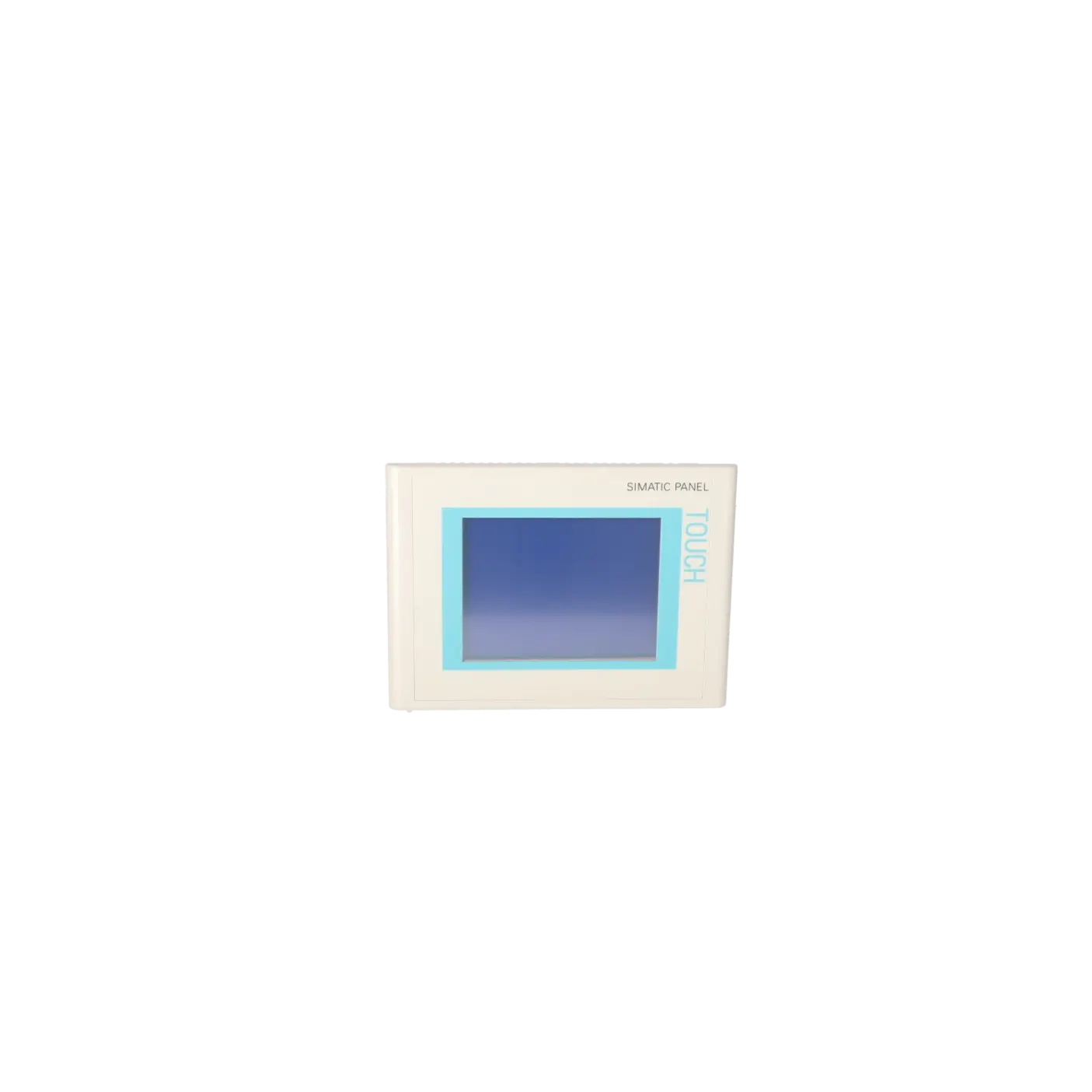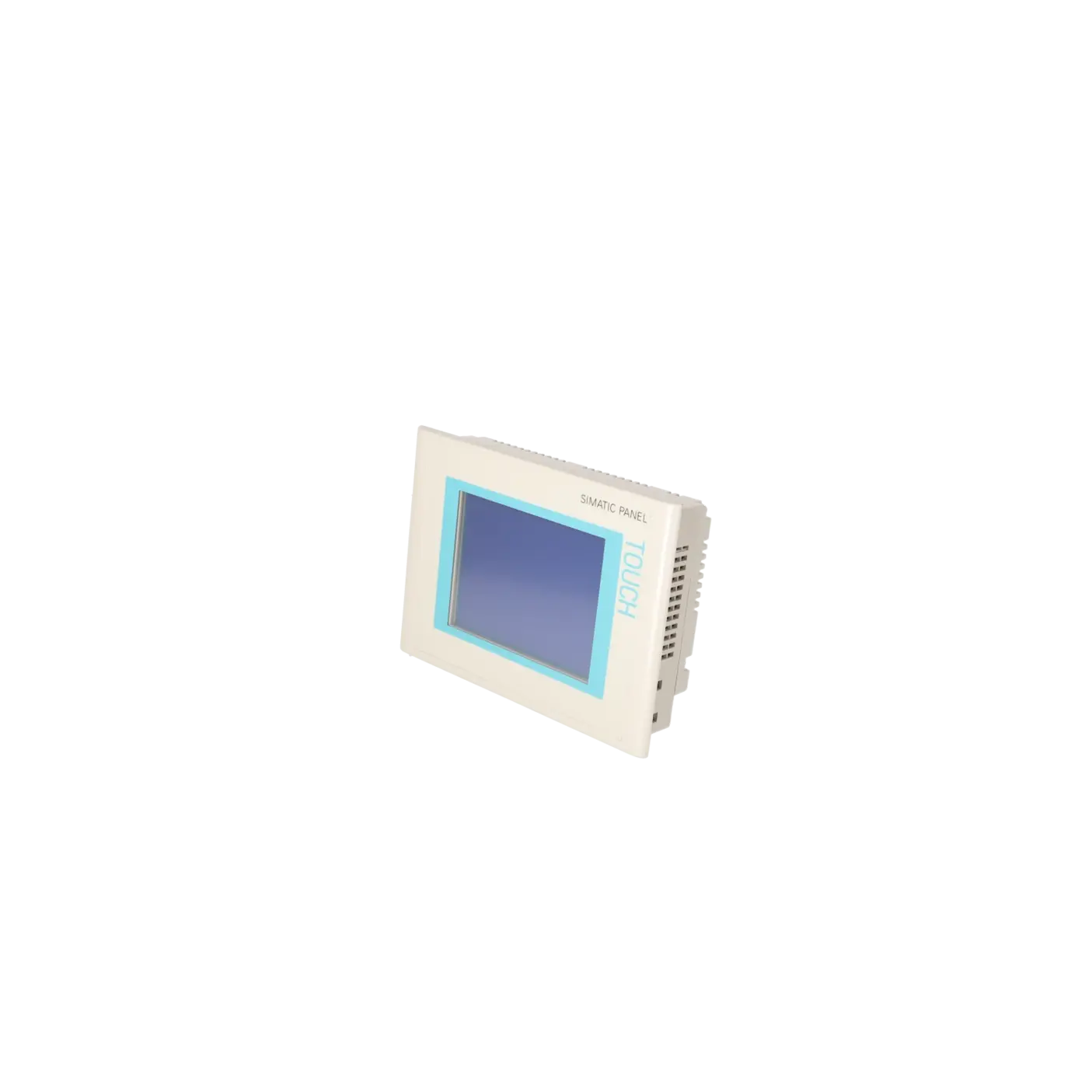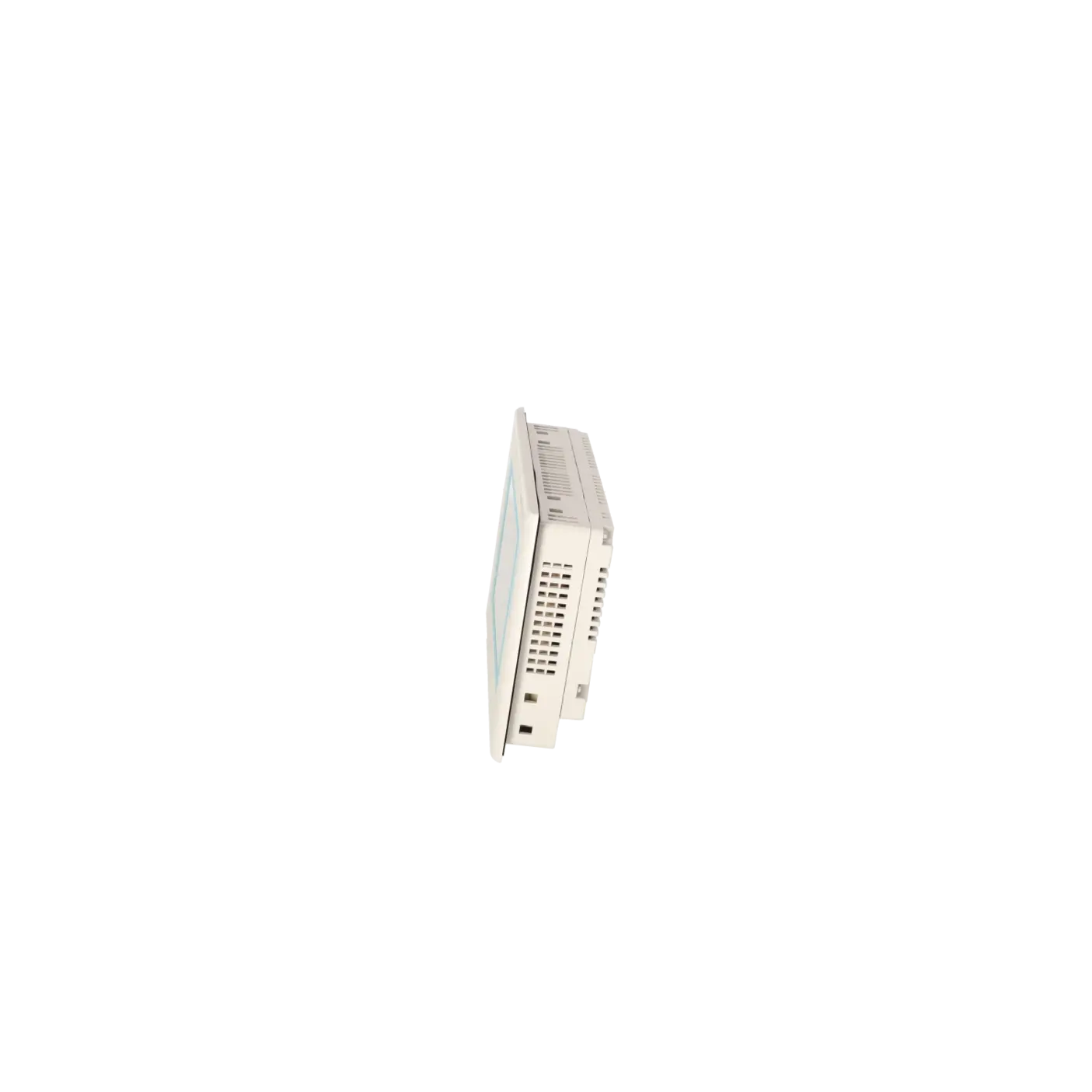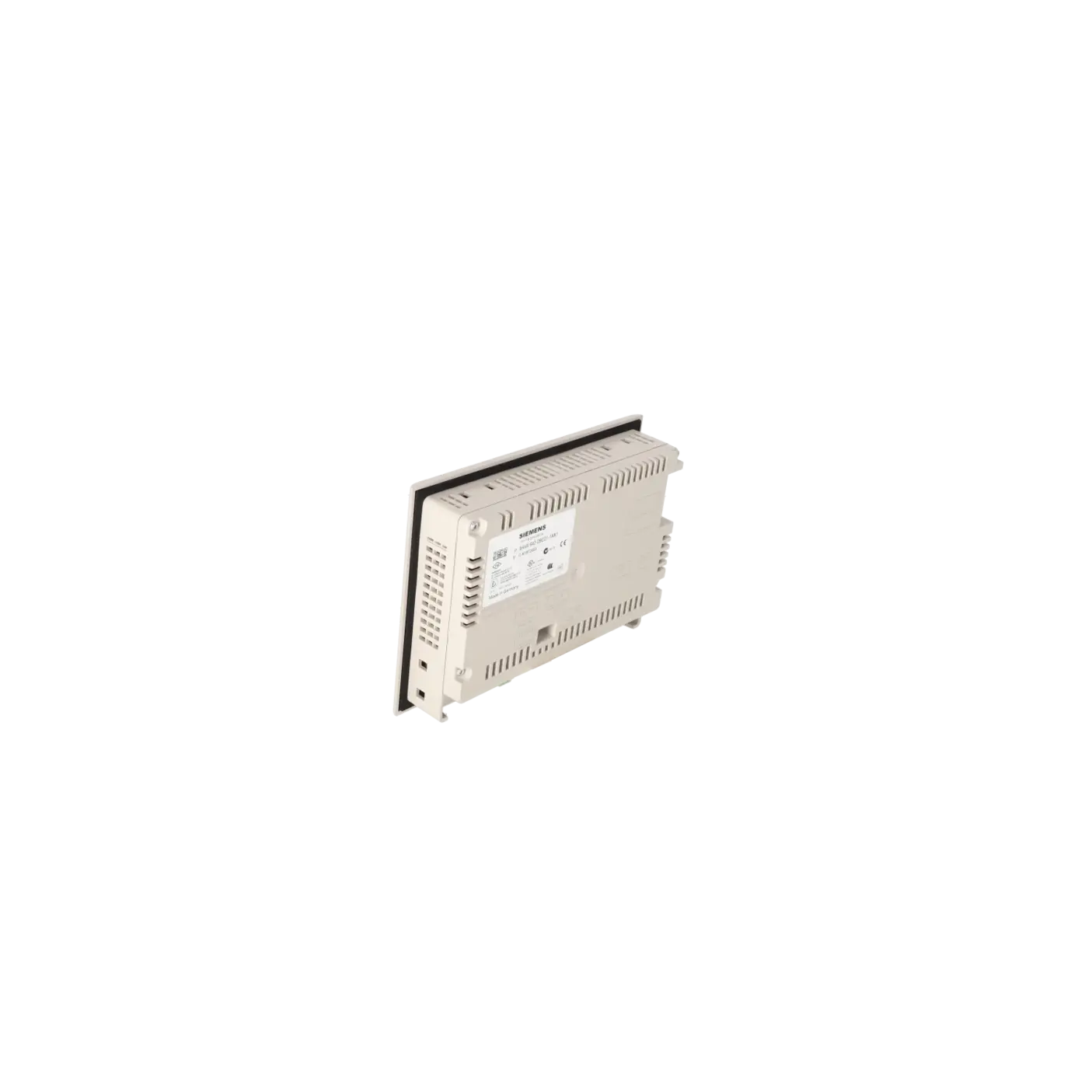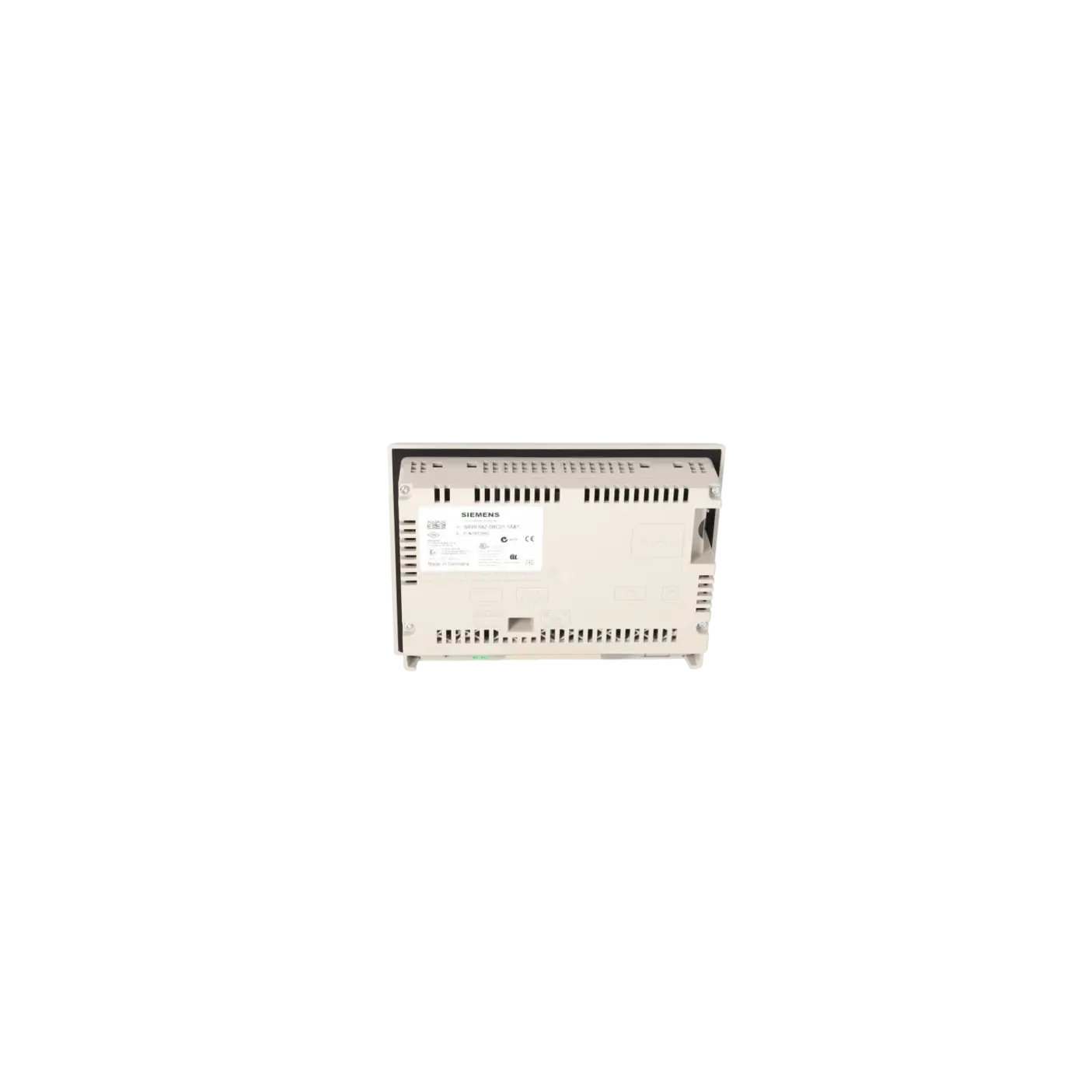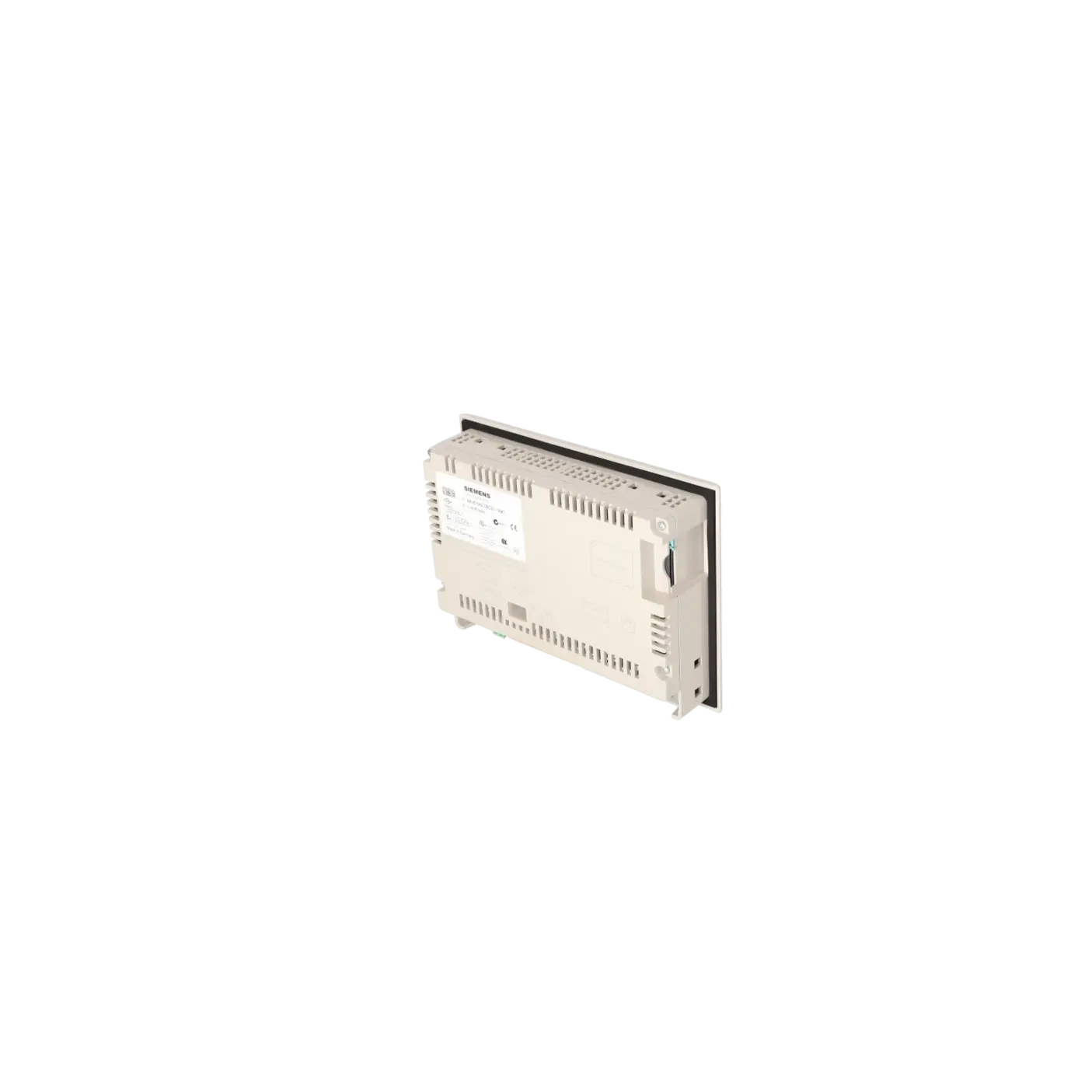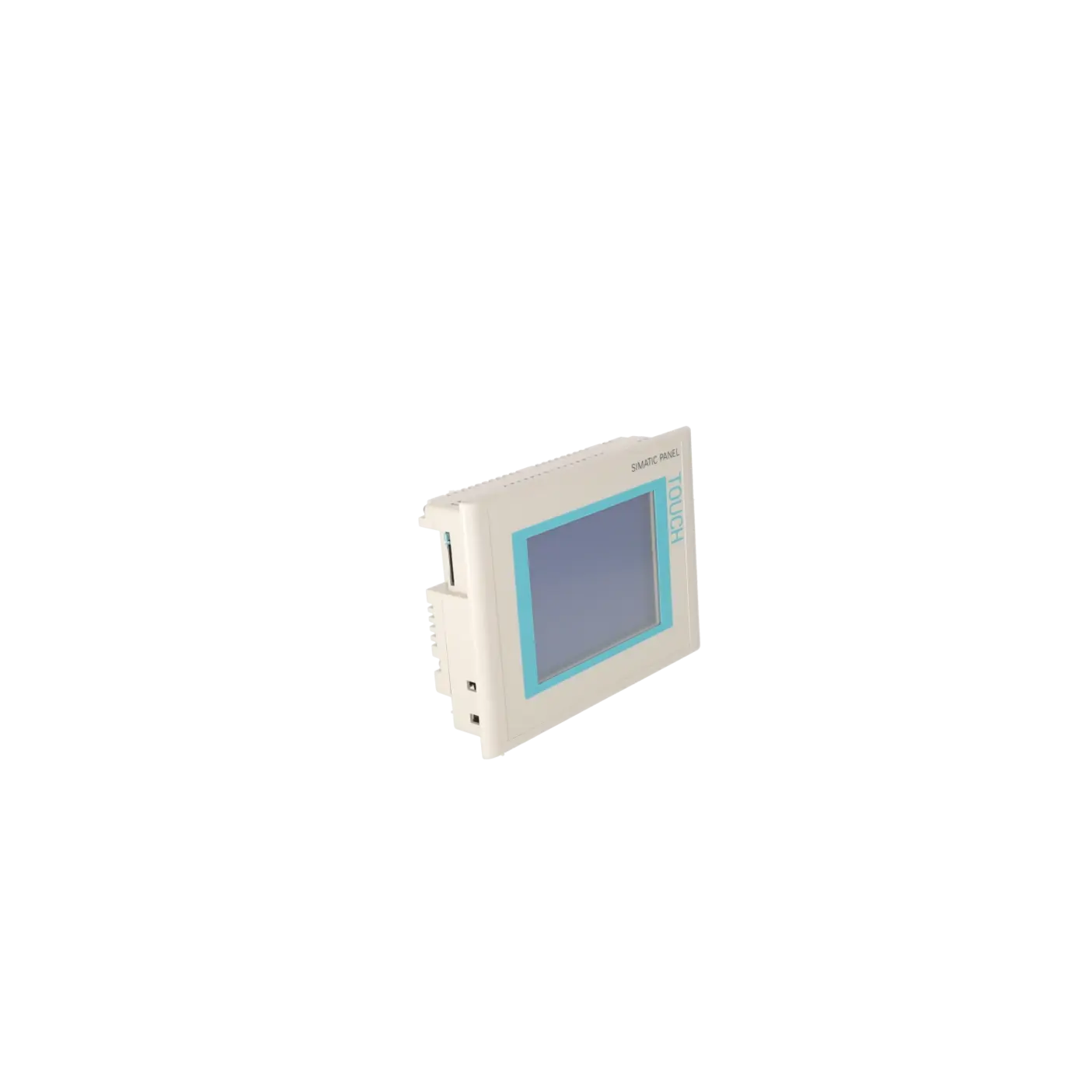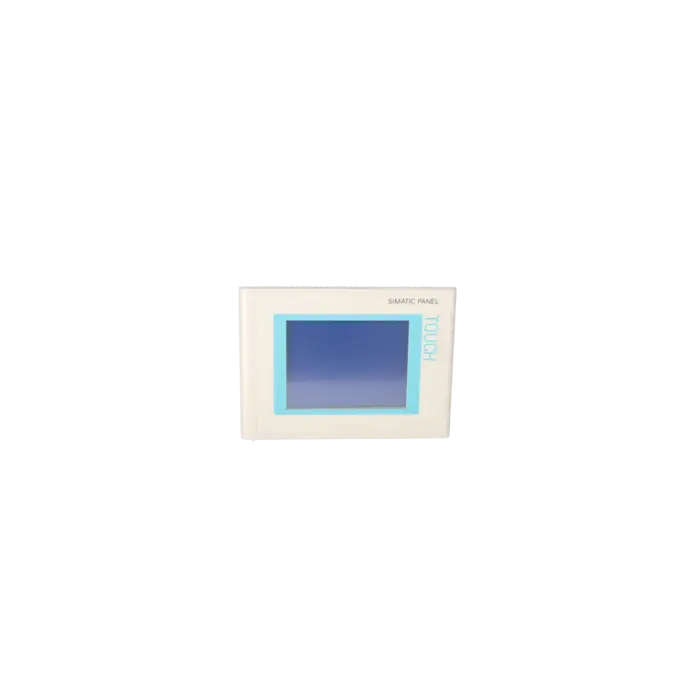
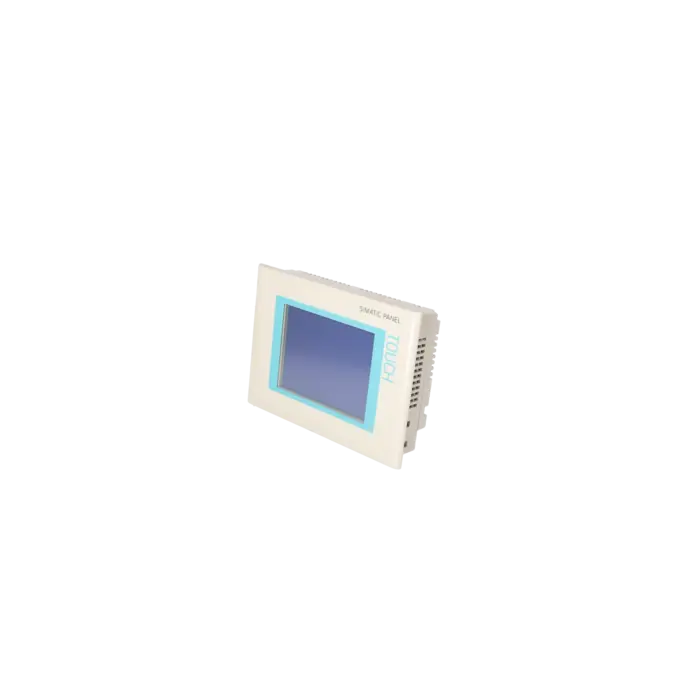
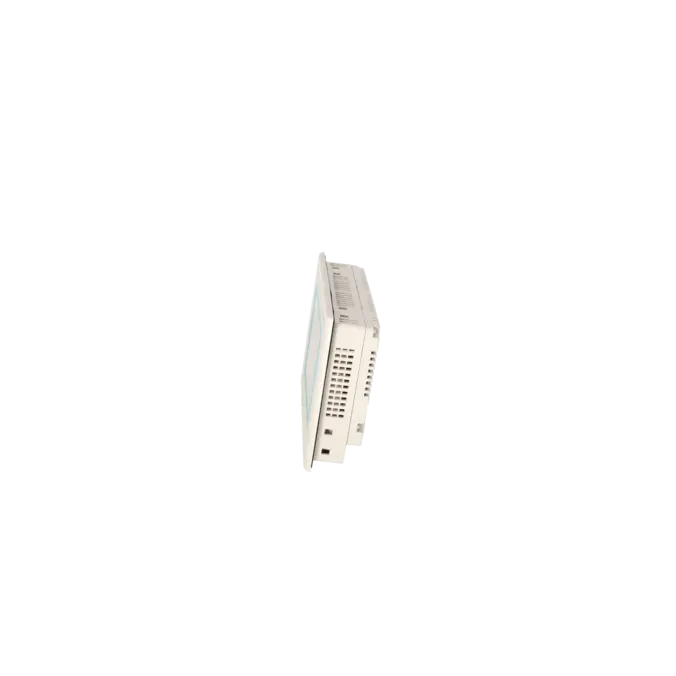
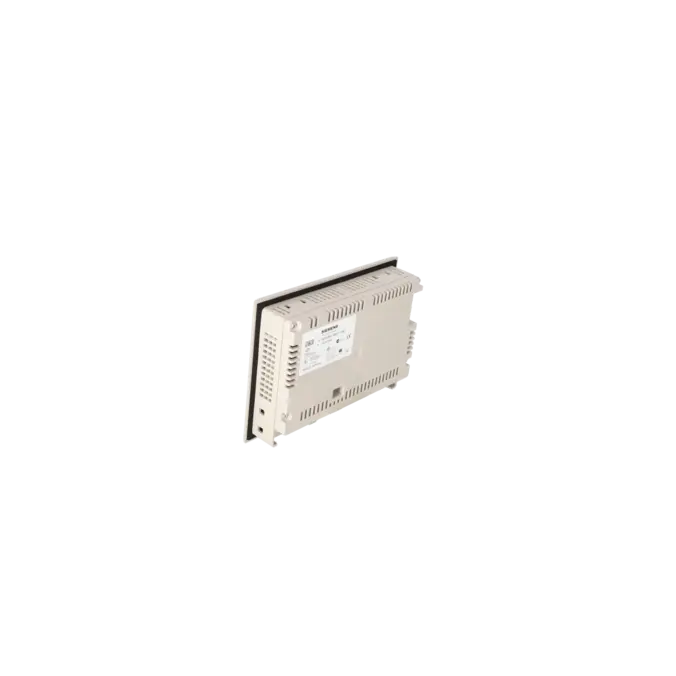
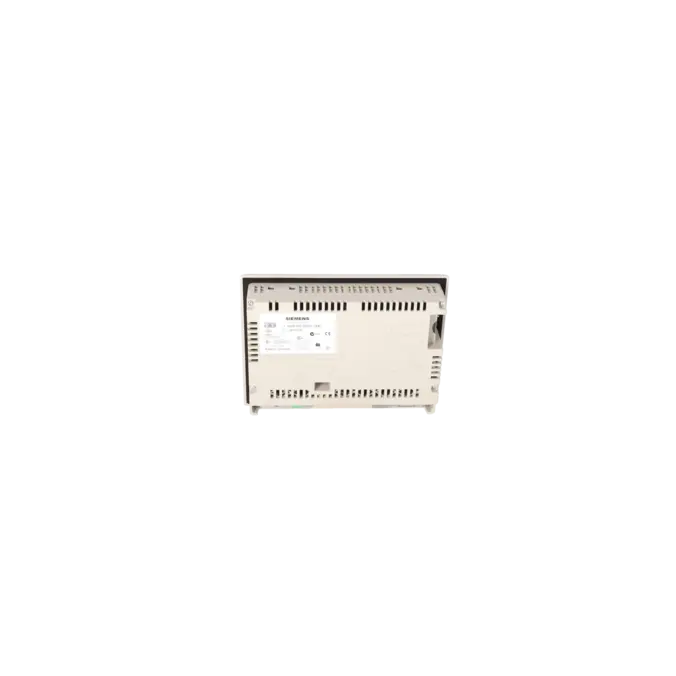
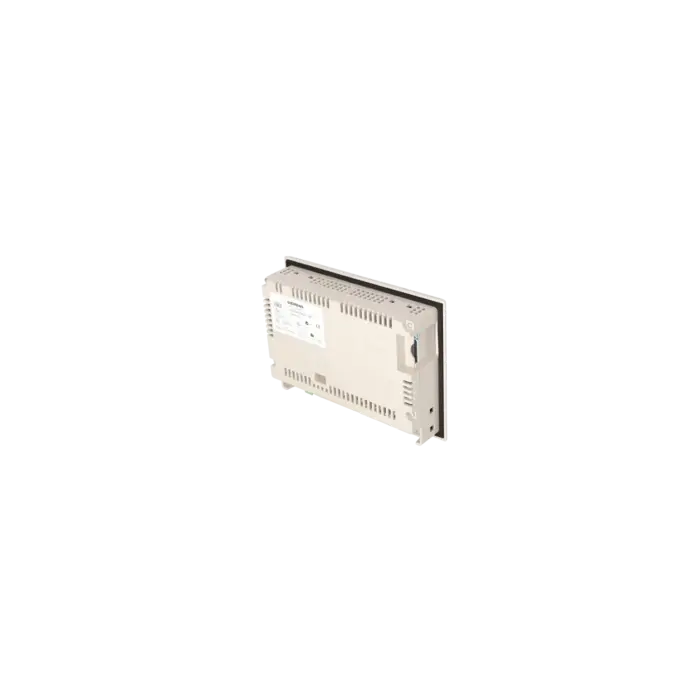
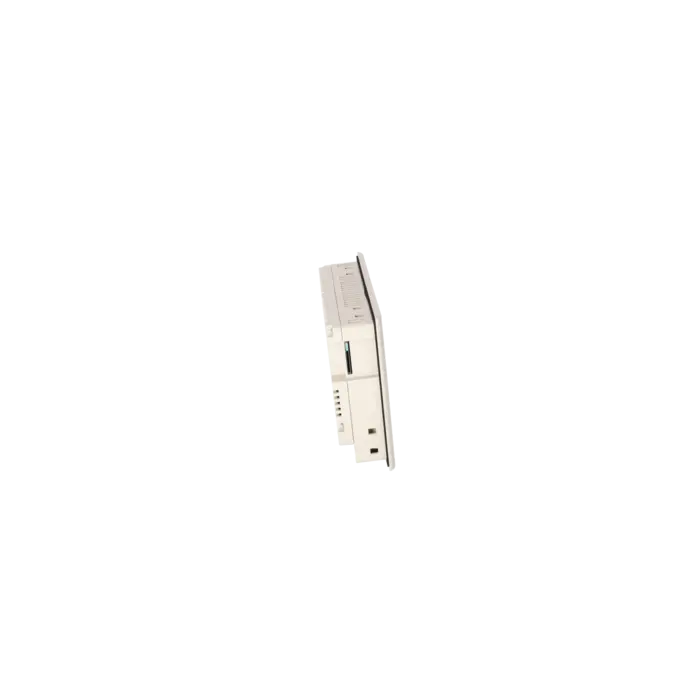
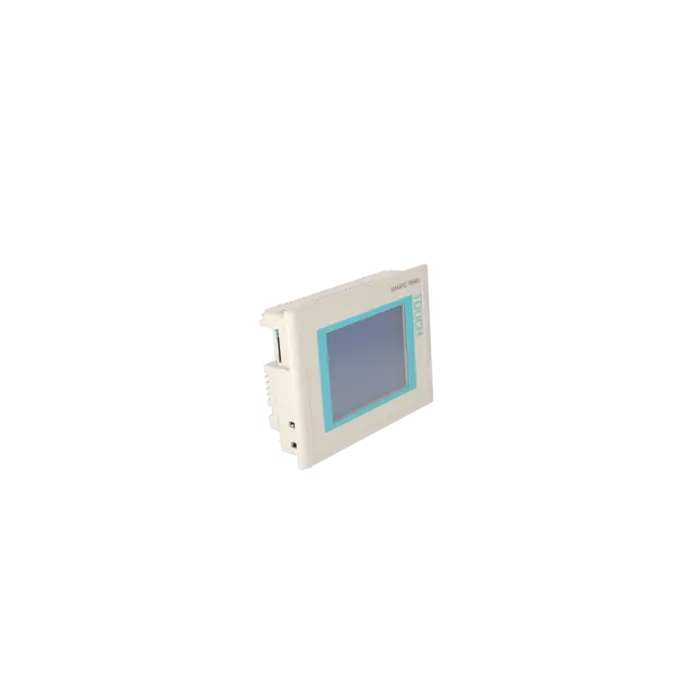





SIEMENS 6AV6642-0BC01-1AX1
-
SIEMENS | HMI | Touch Panels
- EICHLER-art.no.: K0219214
- EAN: 4025515076490
- UPC: 662643396843
Product description
SIMATIC TP 177B 6" DP BLUE MODE STN DISPLAY MPI/PROFIBUS DP PROTOCOL RS485/RS422/USB INTERFACE PRINTER INTERFACE SLOT FOR MMC CONFIGURABLE WITH WINCC FLEXIBLE 2005
Services for SIEMENS 6AV6642-0BC01-1AX1
Repair
from 1.220,87 €
to 2.197,57 €
Replacement
1.339,20 €
1.272,24 €
Used
1.488,00 €
1.413,60 €
New
SIEMENS |
6AV6642-0BC01-1AX1 –
additional product information
| Delivery information | |||
|---|---|---|---|
| Export identifier | AL: N ECCN: 5D002ENCU | ||
| Net weight | 1.01 | ||
| Quantity | 1 Stück | ||
| Packaging quantity | 1 | ||
| Additional product information | |||
|---|---|---|---|
| Product status | EOP: 2021-02-15 | ||
| EAN | 4025515076490 | ||
| UPC | 662643396843 | ||
| Static lot number | 85371098 | ||
| List indicator | ST9.80 | ||
| Product group | 4356 | ||
| Country of origin | DE | ||
| Compliance with the substance restrictions according to RoHS directive | Since: 20080331 | ||
| Product classifications | Version | Classification | |
|---|---|---|---|
| eClass | 4 | 27-36-01-02 | |
| eClass | 5.1 | 27-24-23-02 | |
| eClass | 6.0 | 27-24-23-02 | |
| ETIM | 3 | / | |
| ETIM | 4 | EC001412 | |
| ETIM | 5 | EC001412 | |
What is 6AV6642-0BC01-1AX1 and where is it used?
The 6AV6642-0BC01-1AX1 is a SIEMENS SIMATIC TP177B 6" DP Blue Mode Touch Panel for machine and system operation. The device is designed for visualisation tasks where operators need to display process values, enter data, acknowledge alarms or manage recipes. Typical applications include existing installations with SIMATIC S7-200, S7-300 or S7-400 controllers where HMI communication is carried out via MPI or PROFIBUS DP. For maintenance personnel, the panel is particularly relevant when existing visualisation systems must remain in operation despite the age of the platform. For purchasing departments, the exact part number is important because TP177B variants differ significantly in terms of interfaces, display technology and engineering environment.
Overview of the key technical specifications and their significance
The panel features a 5.7-inch STN display with a resolution of 320 × 240 pixels and 4 blue-grey shades. It is not a colour TFT display but a robust Blue Mode monochrome display, which is sufficient for many older machine concepts where clear operating screens are more important than graphics-intensive interfaces. Operation is performed via an analogue resistive touch screen, making it suitable for use with gloves or a stylus in many industrial environments. The device is powered by 24 V DC and has a nominal current consumption of 0.24 A. Relevant communication interfaces include RS422, RS485 and USB, while PROFINET is not available. The front panel provides IP65 protection, while the rear is rated IP20. User memory capacity is 2 MB, and the backlight is specified with an MTBF of 50,000 hours at 25 °C.
Product status, life-cycle status and obsolescence status
For the 6AV6642-0BC01-1AX1, the product page specifies an EOP (End of Production) date of 15 February 2021. In current Siemens life-cycle documentation, the device is listed with PLM status P.M490. Siemens defines P.M410 as product cancellation and P.M490 as product discontinuation within the HMI product life-cycle model. For procurement and plant operation, this means that purchasing new units is no longer the standard approach, and continued operation increasingly depends on spare-part management, repair services, exchange units and planned migration strategies. As the manufacturer-recommended successor within the Comfort Panel family for the TP177B Mono product class, Siemens specifies the SIMATIC HMI TP700 Comfort, 6AV2124-0GC01-0AX0. This is particularly relevant for operators planning long-term standardisation rather than simply replacing a failed device.
Available EICHLER services and when they are relevant in practice
For this panel, EICHLER offers several practical options: repair, exchange, used equipment and new units on request. Repair services are specified with a turnaround time of 1–3 days and include technical cleaning, preventive maintenance, comprehensive functional testing and a minimum 24-month warranty. This option is particularly attractive when the existing project, installation cut-out and communication architecture are to remain unchanged. An exchange unit becomes attractive when downtime costs exceed the time required for repair. Used units are useful when obsolescence has already become a factor and a functioning replacement is needed quickly. The optional test report provides an additional level of assurance for purchasing, quality assurance and documentation requirements in regulated production environments.
| Attribute | Value |
|---|---|
| Product type designation | TP177B 6" DP Blue Mode |
| Customer-specific configuration | Yes |
| Display | |
| Design of display | STN |
| Screen diagonal | 5.7 in |
| Color display | No |
| Number of colors | 4; Blue levels |
| Resolution (pixels) | |
| ● Horizontal image resolution | 320 pixel |
| ● Vertical image resolution | 240 pixel |
| Backlighting | |
| ● MTBF backlighting (at 25 °C) | 50 000 h |
| Control elements | |
| Control elements | Touch screen |
| Keyboard fonts | |
| ● System keys | Yes |
| ● Numeric keyboard | Yes |
| ● alphanumeric keyboard | Yes |
| ● hexadecimal keyboard | Yes |
| ● Multi-key operation | No |
| Touch operation | |
| ● Design as touch screen | Yes; analog, resistive |
| Connection type | |
| ● Type of connection for mouse/keyboard/barcode reader | USB / USB / USB |
| Installation type/mounting | |
| Mounting position | vertical |
| maximum permissible angle of inclination without external ventilation | 35° |
| Supply voltage | |
| Type of supply voltage | DC |
| Input current | |
| Current consumption (rated value) | 0.24 A |
| Starting current inrush I²t | 0.5 A²·s |
| Processor | |
| Processor type | ARM, 200 MHz |
| Memory | |
| Type of memory | Flash / RAM |
| Memory available for user data | 2 048 kbyte |
| Time of day | |
| Clock | |
| ● Type | Hardware clock, synchronizable, no battery backup |
| ● retentive | No |
| ● synchronizable | Yes |
| Interfaces | |
| Interfaces/bus type | RS 232 optional, 1x RS 422, 1x RS 485 (max. 12 Mbit/s) |
| Number of industrial Ethernet interfaces | 0 |
| Number of RS 485 interfaces | 1 |
| Number of RS 422 interfaces | 1 |
| Number of USB interfaces | 1; Up to 1 GB |
| PC card slot | No |
| CF card slot | No |
| Multimedia card/SD card slot | combined, from E-status 016 in connection with WinCC flexible 2008 SP1, MMC max. 128 MB / SD max. 512 MB |
| With software interfaces | No |
| Protocols | |
| Supports protocol for PROFINET IO | No |
| PROFIsafe | No |
| PROFIBUS | Yes |
| EtherNet/IP | Yes |
| Protocols (Ethernet) | |
| ● TCP/IP | Yes |
| Protocols (terminal link) | |
| ● Sm@rtServer | Yes |
| Further protocols | |
| ● MODBUS | Yes |
| Degree and class of protection | |
| IP (at the front) | IP65 |
| IP (rear) | IP20 |
| NEMA (front) | NEMA 4x, NEMA 12 (when installed) |
| Standards, approvals, certificates | |
| CE mark | Yes |
| UL approval | Yes |
| cULus | Yes |
| EAC (formerly Gost-R) | No |
| Suitable for safety functions | No |
| Use in hazardous areas | |
| ● ATEX Zone 2 | No; certificate no longer available as of 1 October 2020 |
| ● ATEX Zone 22 | No; certificate no longer available as of 1 October 2020 |
| ● FM Class I Division 2 | Yes |
| Marine approval | |
| ● Germanischer Lloyd (GL) | Yes; only valid up to and including the HW release (see MLFB release notes in SIOS)! |
| ● American Bureau of Shipping (ABS) | Yes; only valid up to and including the HW release (see MLFB release notes in SIOS)! |
| ● Bureau Veritas (BV) | Yes; only valid up to and including the HW release (see MLFB release notes in SIOS)! |
| ● Det Norske Veritas (DNV) | Yes; only valid up to and including the HW release (see MLFB release notes in SIOS)! |
| ● Lloyds Register of Shipping (LRS) | Yes; only valid up to and including the HW release (see MLFB release notes in SIOS)! |
| ● Polski Rejestr Statkow (PRS) | No; only valid up to and including the HW release (see MLFB release notes in SIOS)! |
| Ambient conditions | |
| Ambient temperature during operation | |
| ● min. | 0 °C |
| ● max. | 50 °C |
| Ambient temperature during storage/transportation | |
| ● min. | -20 °C |
| ● max. | 60 °C |
| Relative humidity | |
| ● Operation, max. | 90 % |
| Operating systems | |
| pre-installed operating system | Windows CE |
| configuration / header | |
| Message indicator | Yes |
| Alarm system (incl. buffer and acknowledgment) | Yes |
| Process value display (output) | Yes |
| Process value default (input) possible | Yes |
| Recipe management | Yes |
| Configuration software | |
| ● Configuration tool | WinCC flexible Compact Version 2005 or higher (to be ordered separately) |
| ● STEP 7 Basic (TIA Portal) | No |
| ● STEP 7 Professional (TIA Portal) | No |
| ● WinCC flexible Compact | Yes |
| ● WinCC flexible Standard | Yes |
| ● WinCC flexible Advanced | Yes |
| ● WinCC Basic (TIA Portal) | No |
| ● WinCC Comfort (TIA Portal) | Yes |
| ● WinCC Advanced (TIA Portal) | Yes |
| ● WinCC Professional (TIA Portal) | Yes |
| Languages | |
| Online languages | |
| ● Number of online/runtime languages | 5 |
| Project languages | |
| ● Languages per project | 32 |
| Functionality under WinCC (TIA Portal) | |
| Libraries | Yes |
| Task planner | Yes |
| Help system | Yes |
| ● Number of characters per info text | 70 |
| Message system | |
| ● Number of alarm classes | 32 |
| ● Number of messages | 2 000 |
| ● Bit messages | Yes |
| — Number of bit messages | 2 000 |
| ● Analog messages | Yes |
| — Number of analog messages | 50 |
| ● Telegram message procedure Alarm S | No |
| ● System messages HMI | Yes |
| ● System messages PLC | Yes |
| ● System event, more (SIMATIC S7, SINUMERIK, SIMOTION, ... ) | No |
| ● Lines | 1 |
| ● Number of characters per message | 80 |
| ● Number of process values per message | 8 |
| ● Acknowledgment groups | |
| — Number of acknowledgement groups | 99 |
| ● Message indicator | Yes |
| ● acoustic feedback | No |
| ● First/last value | Yes |
| Recipe management | |
| ● Number of recipes | 100 |
| ● Data records per recipe | 200 |
| ● Entries per data record | 200 |
| ● Recipe memory | 32 KB integrated Flash, expandable |
| Variables | |
| ● Number of variables per device | 1 000 |
| ● Number of variables per screen | 50 |
| ● Number of variables | 1 000 |
| ● Initial values | 1 000 |
| ● Type Date & Time | 1 000 |
| ● Limit values | Yes |
| ● Multiplexing | Yes |
| ● Structures | No |
| Images | |
| ● Number of configurable images | 500 |
| ● Permanent window/default | Yes |
| ● Start screen configurable | Yes |
| ● Image selection by PLC | Yes |
| ● Image number in the PLC | Yes |
| Image objects | |
| ● Text objects | 2 500 text elements |
| ● Number of I/O fields per image | 50 |
| ● Number of date/time fields | 30 |
| ● Index of screen context | No |
| ● Return | Yes |
| ● Graphics object | Bit maps, icons, icon (full-screen), vector graphics |
| — Icons | 500 |
| — Icon (full screen) | 50 |
| Complex image objects | |
| ● Status/control | With SIMATIC S7 |
| ● dynamic objects | Diagrams, bar graphs, sliders, analog display, invisible buttons |
| — Number of objects per project | 500 |
| — Number of curve diagrams per image | 5 |
| ● Methods | Trend |
| ● Bar graphs | |
| — Number of bars per chart | 5 |
| ● Sliders | |
| — Number of slides per image | 0 |
| ● Pointer instruments | |
| — Number of analog indicators per image | 0 |
| ● Limit value lines | Yes |
| ● Number of alphanumerical fields | 1 000 |
| — alphanumeric fields per image | 100 |
| ● Number of numerical fields | 1 000 |
| — numerical fields per image | 100 |
| ● Number of password fields | 1 000 |
| ● Number of visible switches per project | 1 000 |
| — visible switches per image | 100 |
| — hidden switches per image | 100 |
| ● Number of status switches per project | 1 000 |
| — Number of status switches per image | 100 |
| ● Number of selector switches per project | 1 000 |
| — Selector switches per image | 100 |
| ● Number of decade switches per project | 0 |
| — Decade switches per image | 0 |
| ● Number of signal lamps per project | 1 000 |
| — Signal lamps per image | 100 |
| Attributes for dynamic objects | |
| ● Color change | Yes |
| ● X/Y movement | Yes |
| ● Hide | Yes |
| ● Angle of rotation | No |
| Lists | |
| ● Number of text lists per project | 300 |
| ● Number of text lists per image | 10 |
| ● Number of entries per text list | 30 |
| ● Number of graphics lists per project | 100 |
| ● Number of graphic lists per image | 10 |
| ● Number of entries per graphics list | 30 |
| Security | |
| ● Number of user groups | 50 |
| ● Number of user rights | 32 |
| ● Password export/import | Yes |
| Data carrier support | |
| ● PC card | No |
| ● CF card | No |
| Logging through printer | |
| ● Recording/Printing | Alarms, report (shift report), hardcopy |
| Transfer (upload/download) | |
| ● Transfer of configuration | MPI/PROFIBUS DP, serial, USB, by means of external storage medium, automatic transfer recognition |
| Process coupling | |
| ● Connection to controller | S5, S7-200, S7- 300/400, Win AC, SINUMERIK, SIMOTION, Allen Bradley (DF1), Mitsubishi (FX), Telemecanique (ADJUST), Modicon (Modbus), for further non-Siemens drivers, see section on "System interfaces" |
| ● S7-1200 | Yes |
| ● S7-1500 | No |
| ● S7-200 | Yes |
| — PPI (point-to-point) | Yes |
| — PPI network | No |
| — MPI | Yes |
| — PROFIBUS DP | Yes |
| — Ethernet | No |
| ● S7-300/400 | Yes |
| — MPI | Yes |
| — PROFIBUS DP | Yes |
| — PROFINET | No |
| ● S5 | Yes; only PROFIBUS DP |
| — serial | No |
| — PROFIBUS DP | Yes |
| ● TI 505 | No |
| ● Allen Bradley (DF1) | Yes |
| ● Allen Bradley (DF485) | Yes |
| ● Mitsubishi (FX) | Yes |
| ● Telemecanique (ADJUST) | No |
| ● Telemecanique (Uni-Telway) | Yes; Only in combination with WinCC flexible |
| ● OMRON (LINK/Multilink) | Yes |
| ● Modicon (Modbus) | Yes |
| Functions | |
| ● Key repeat | No |
| ● TAB sequence | Yes |
| ● Calculating functions | Yes |
| ● Animate | Yes |
| ● Menu tree editor | Yes |
| ● Unit switchover | No |
| Service tools/configuration aids | |
| ● Clean screen | Yes |
| ● Touch calibration | Yes |
| ● Backup/Restore manually | Yes |
| ● Simulation | Yes |
| ● Device switchover | Yes |
| ● Delta transfer | Yes |
| ● Monitoring function for battery and memory | No |
| ● Trace (operation archive) | No |
| Expandability/openness | |
| ● Open Platform Program | Yes |
| Peripherals/Options | |
| Peripherals | Printer |
| SIMATIC HMI MM memory card: Multi Media Card | Yes |
| Additional software components loadable | Yes |
| Dimensions | |
| Width of the housing front | 212 mm |
| Height of housing front | 156 mm |
| Mounting cutout, width | 198 mm |
| Mounting cutout, height | 142 mm |
| Overall depth | 44 mm |
| Weights | |
| Weight (without packaging) | 0.8 kg |
| Fault description | Possible solution |
|---|---|
| Why does my TP177B respond inaccurately or fail to activate buttons correctly? | If the panel does not register touch inputs accurately, the first step is to perform a touch calibration via the Loader or Control Panel. Siemens describes a recalibration procedure using five calibration points. If the deviation remains after recalibration, this is more likely to indicate a hardware fault within the touch system or a mechanical issue. In such cases, repair or replacement is usually more effective than reloading the project. |
| Why does the TP177B remain stuck at “Connecting to host…” or why can the transfer software not find the device? | Check the transfer mode, interface settings, DP/MPI address and communication channel. The TP177B requires both the panel and the engineering PC to use the same communication method. For USB communication, Siemens only approves the driver supplied with WinCC flexible, and the panel should be connected before the PC. For serial communication or OS updates, an RS422/RS485 connection using a PC/PPI cable is often required. Incorrect baud rate settings can also prevent communication. |
| How can I recover a TP177B that shows a white screen or no longer starts after an interrupted update? | A white screen or a panel that no longer boots often indicates a damaged or incomplete device image. Siemens recommends using ProSave or performing an OS update with a factory reset. If no valid image remains on the device, the operating system must be reinstalled via RS485 using a PC/PPI cable. Existing data should be backed up beforehand, as a factory reset deletes the current contents of the panel. |
| Why does backup or restore not work on the TP177B? | For backup and restore operations, the device type, communication method and transfer mode must match exactly. Siemens notes that restoring a backup may overwrite existing panel data and can also affect licence keys. It is also important to determine whether editable project upload was originally enabled or whether only an image backup is available. If back-transfer is not supported, restoring a previously saved image via ProSave or memory card is often the only option. |
| Why does my TP177B no longer respond to touch input even though the display is still running? | If the visualisation remains visible but the touch function no longer works, the fault can often be narrowed down quickly. According to the technical specifications, the TP177B supports the use of a USB mouse. If operation via a USB mouse works correctly, the fault is likely related to the touch digitiser rather than the entire panel. In some practical cases, a firmware or operating system update has provided temporary relief; however, for a permanent failure, repairing the touch system or replacing the panel is usually the more economical solution. |
Is 6AV6642-0BC01-1AX1 still available as a new device?
The device is no longer part of the active standard product portfolio. On the EICHLER product page, new units are only offered on request, while repair, exchange and used equipment are presented as the primary procurement options. Siemens also lists the panel in the advanced life-cycle status P.M490. In practical terms, this means that repaired, refurbished or exchange units are often more readily available than factory-new stock when a replacement is required at short notice.
Which successor is specified for the TP177B 6" DP Blue Mode?
In the Siemens Comfort Panel migration guide, the TP700 Comfort, 6AV2124-0GC01-0AX0, is specified as the successor for the TP177B Mono product class. This becomes particularly relevant when an installation is not only being repaired but is also being prepared for long-term modernisation. It is important to note that a successor is not simply a direct part-number replacement; project migration, display format, operator screens and installation requirements must also be evaluated.
Which software is required to configure or maintain 6AV6642-0BC01-1AX1?
Siemens specifies WinCC flexible Compact from version 2005 as the classic engineering tool for this panel. According to the technical documentation, WinCC flexible Standard and WinCC flexible Advanced are also supported. Additional Siemens information lists WinCC Comfort, WinCC Advanced and WinCC Professional within the TIA Portal environment as supported engineering platforms, while STEP 7 Basic and STEP 7 Professional are not specified as panel configuration tools. For service work, backups and operating system updates, ProSave remains an essential utility.
Which interfaces and controllers are supported by the panel?
The TP177B 6" DP Blue Mode is designed primarily for existing MPI/PROFIBUS DP environments. The available physical interfaces are RS422, RS485 and USB. Siemens lists compatibility with S7-200, S7-300/400, S5 via PROFIBUS DP, SINUMERIK, SIMOTION and various third-party drivers. PROFINET is not part of the standard functionality of this particular variant. This makes the exact article number especially important during spare-part procurement, because changing from a PN/DP version to a DP Blue Mode version affects not only the display technology but also the communication platform.
When is repair more sensible than migrating to a newer panel?
Repair is usually the better option when the system must be returned to operation quickly and the existing project, installation cut-out, wiring and communication structure are to remain unchanged. This is particularly true for isolated failures in otherwise stable existing installations. Migration to a Comfort Panel becomes more attractive when multiple devices are affected, life-cycle risks are increasing or a broader visualisation modernisation project is already planned. Since EICHLER offers repair, exchange and used units for this model, while Siemens provides a defined Comfort Panel successor, maintenance and purchasing teams can select the most appropriate path based on downtime requirements, budget and long-term strategy.