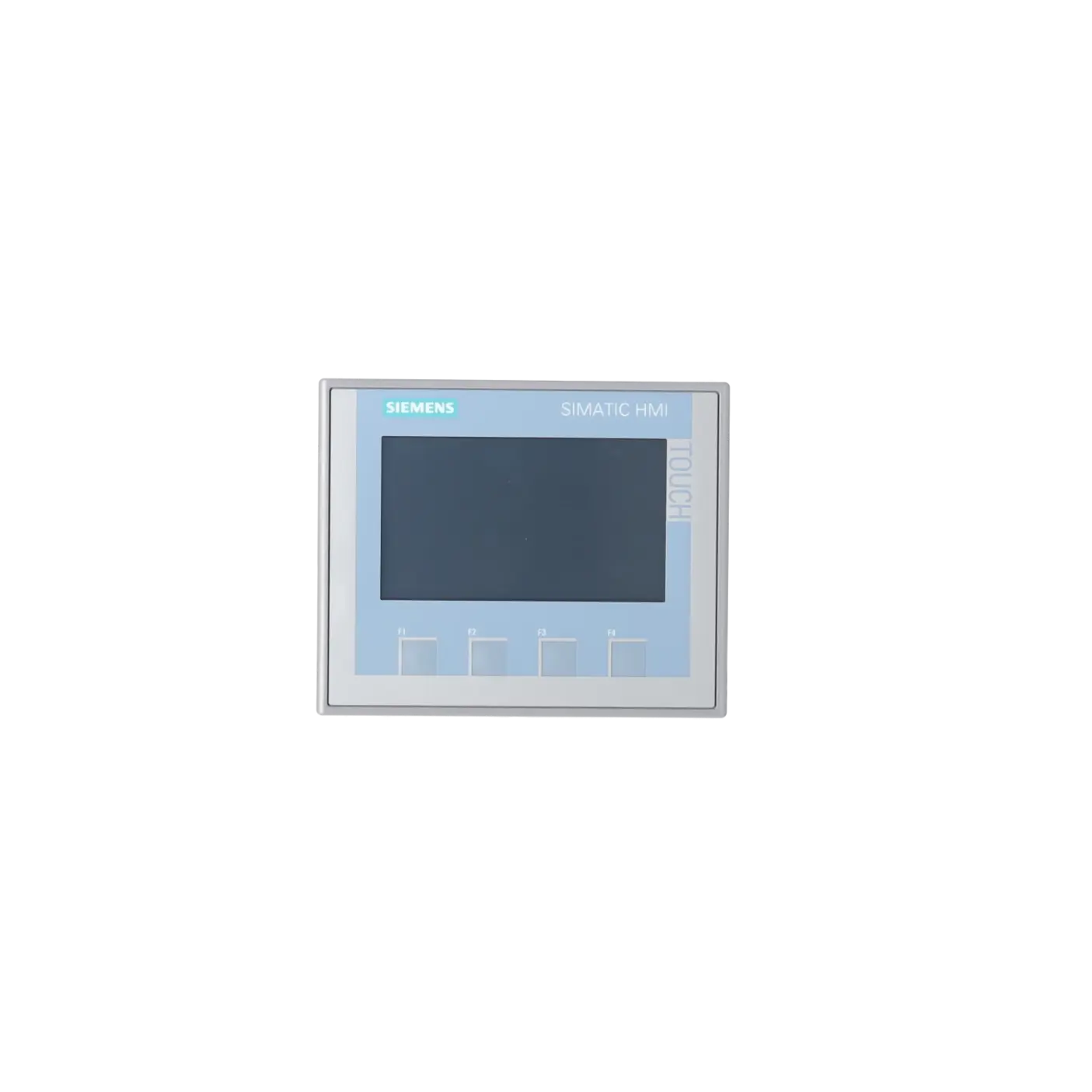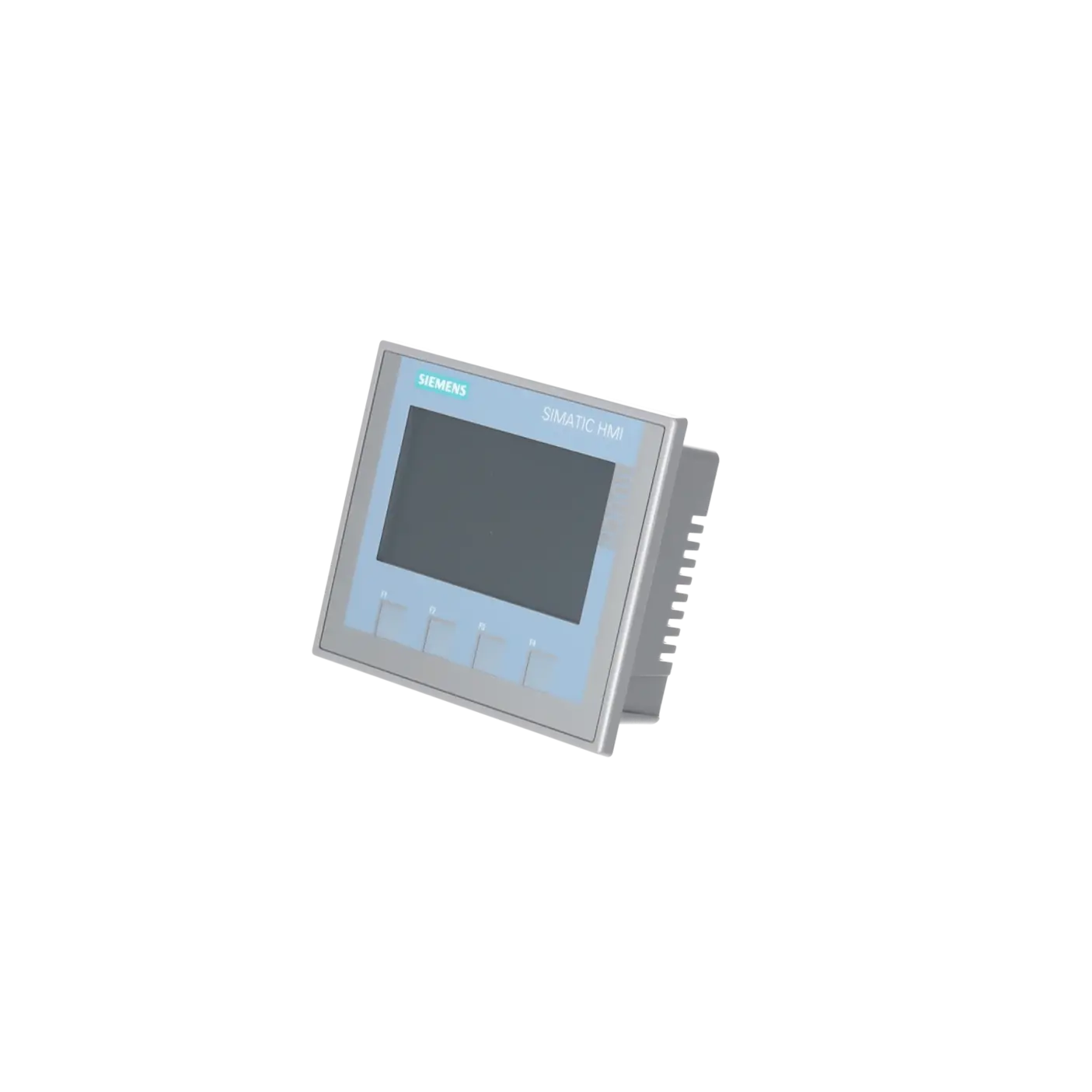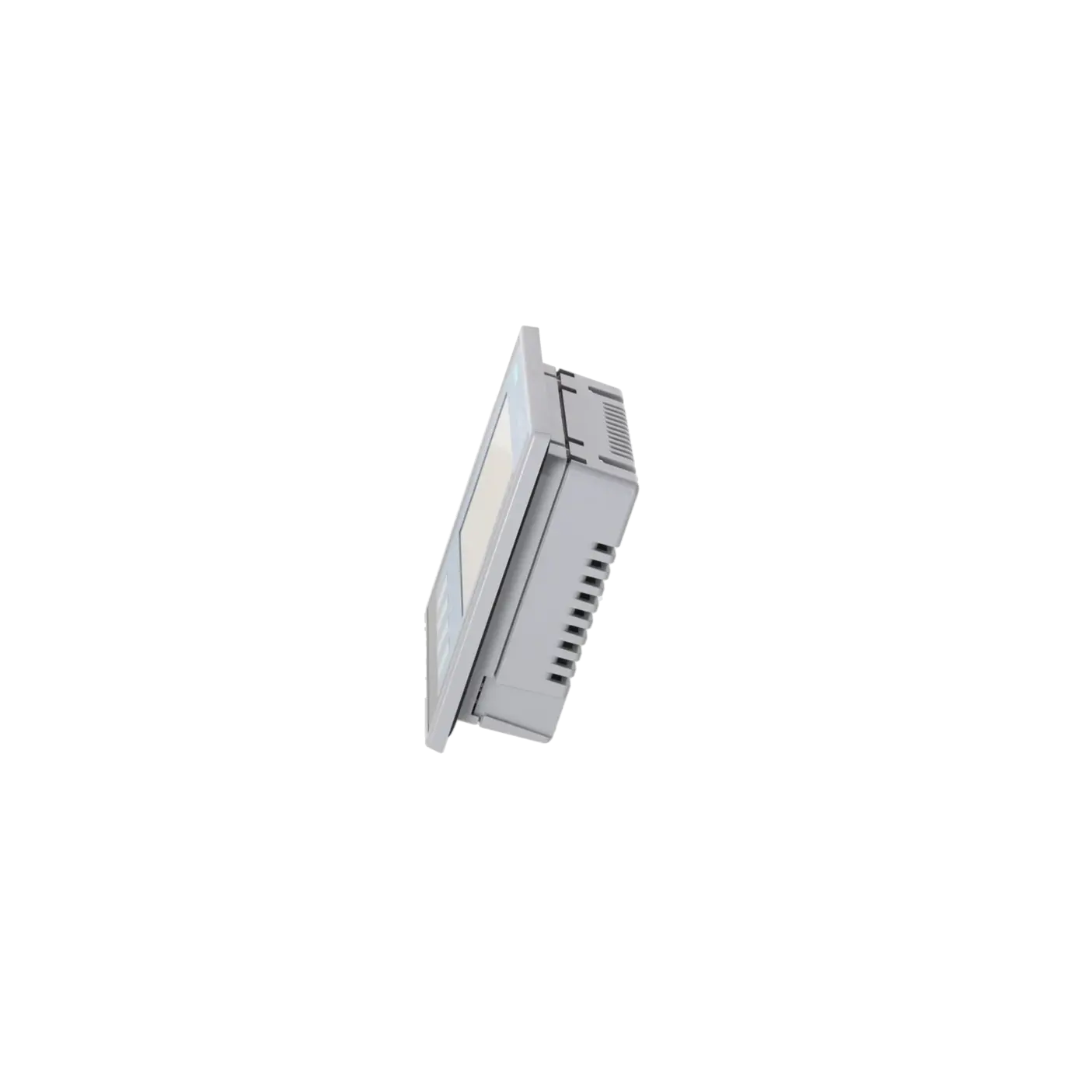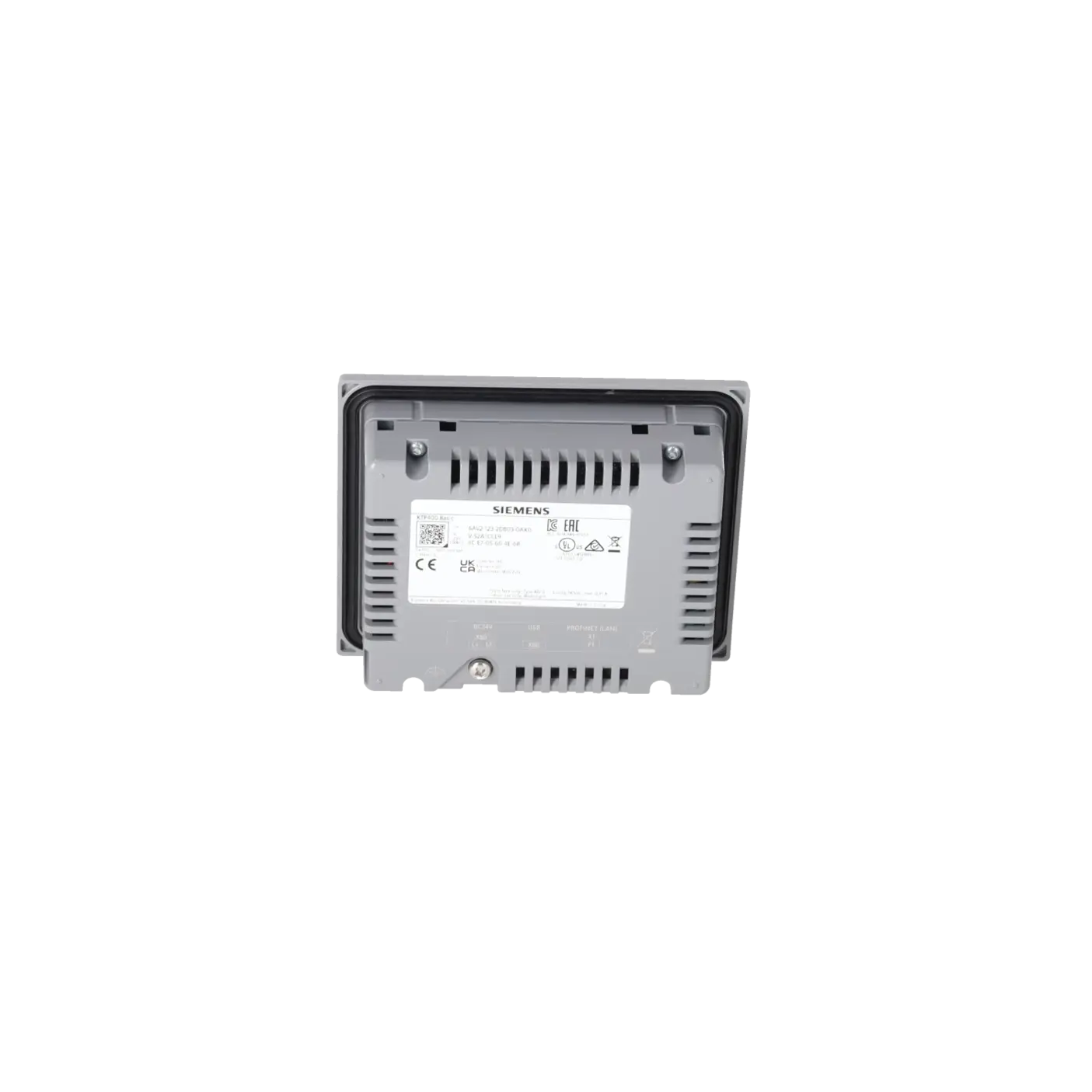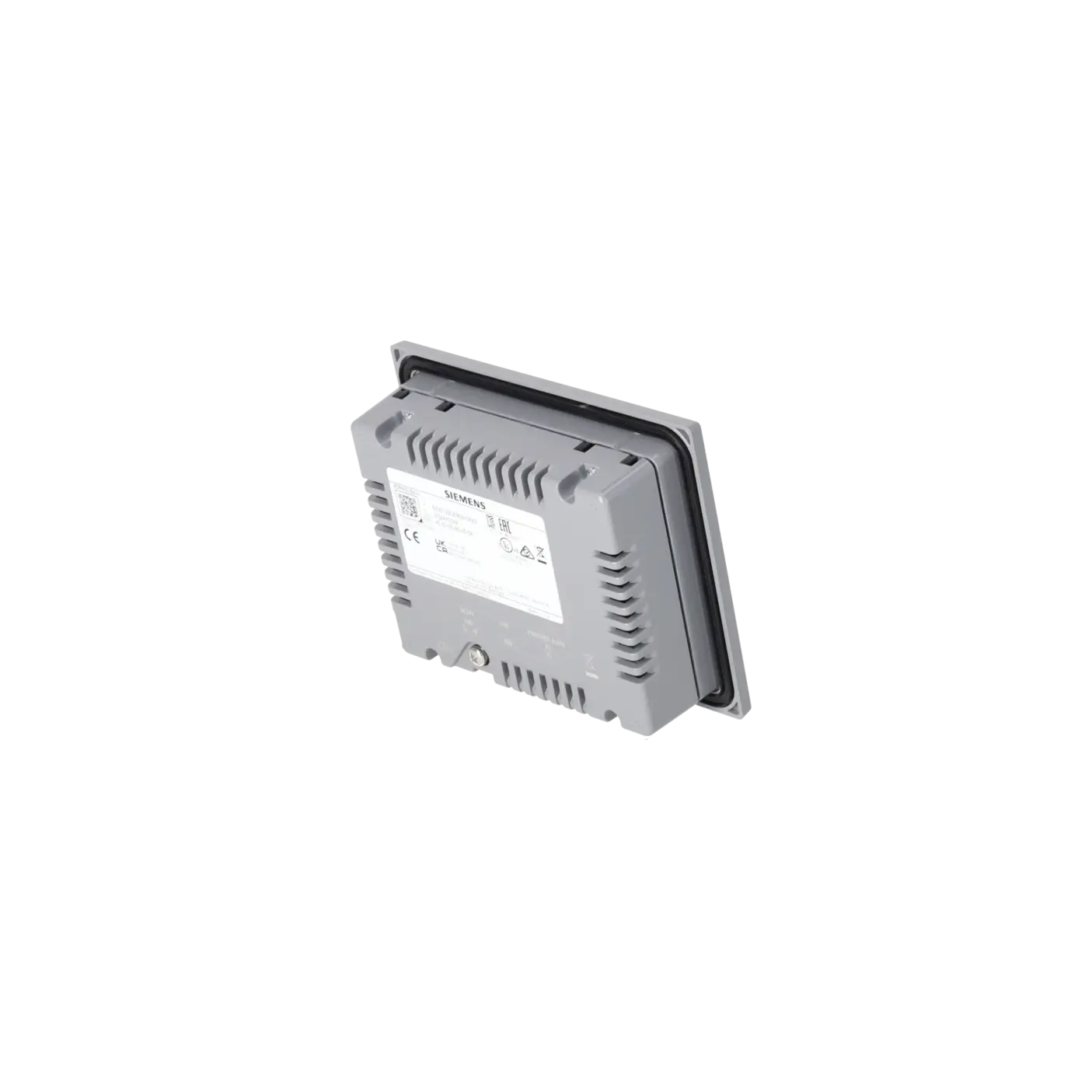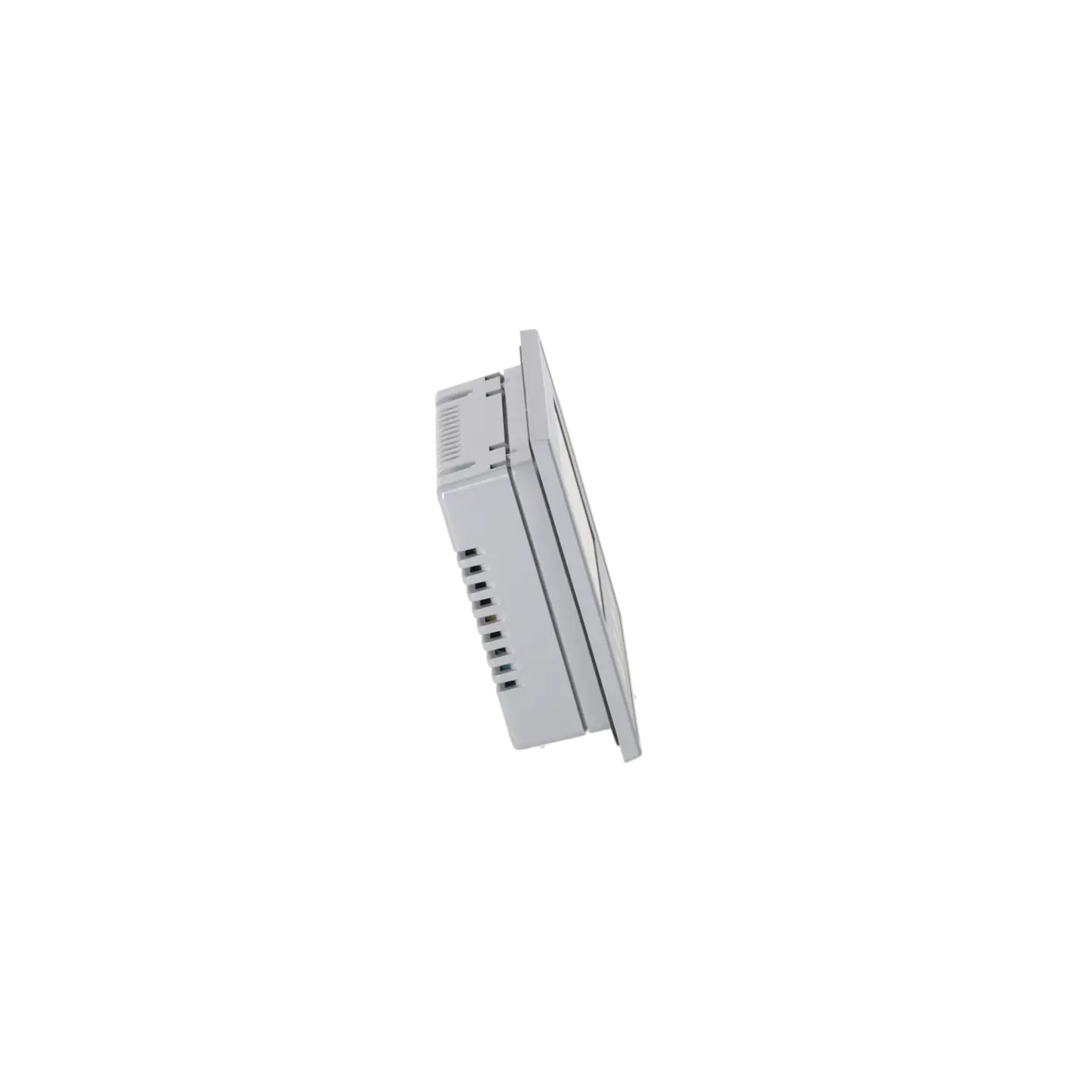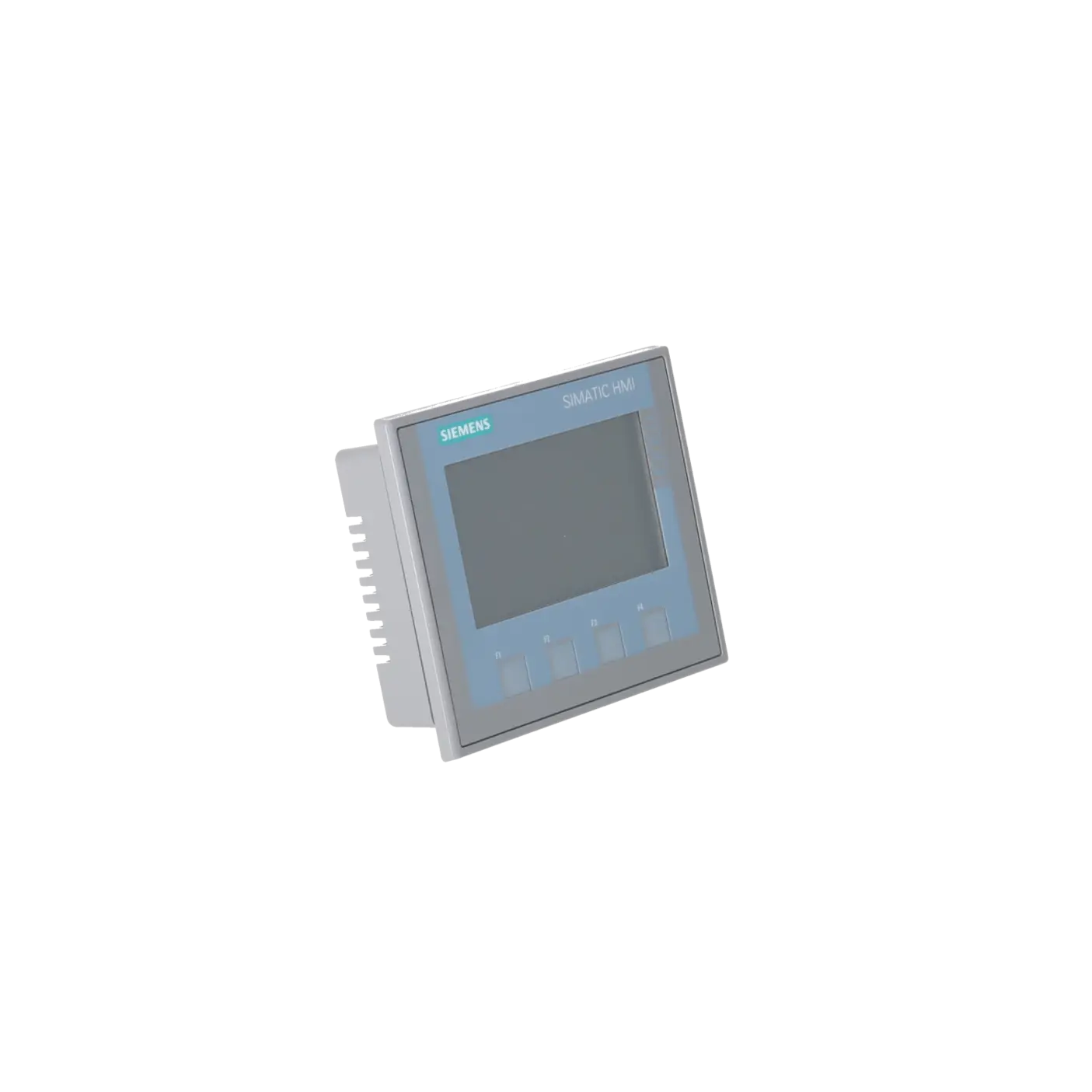


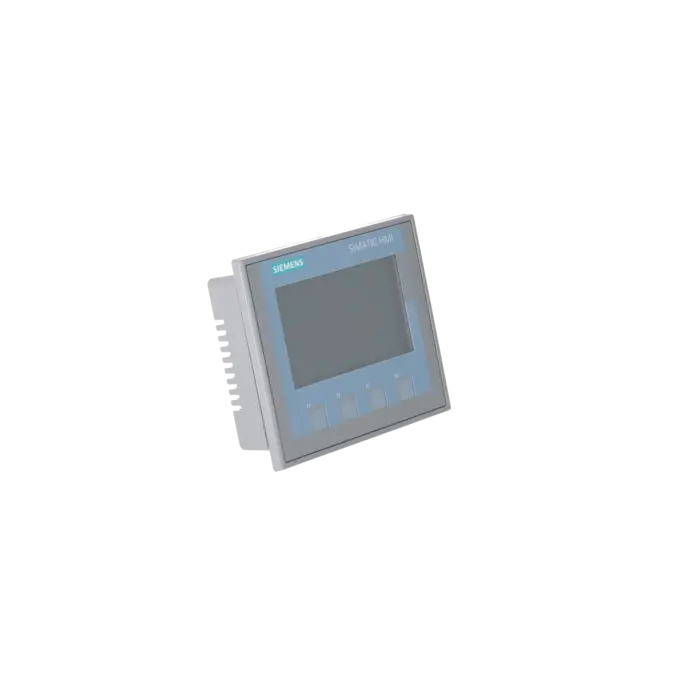


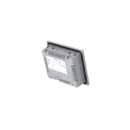


SIEMENS 6AV2123-2DB03-0AX0
- EICHLER-art.no.: K0369229
- EAN: 4034106029203
- UPC: 887621830281
Product description
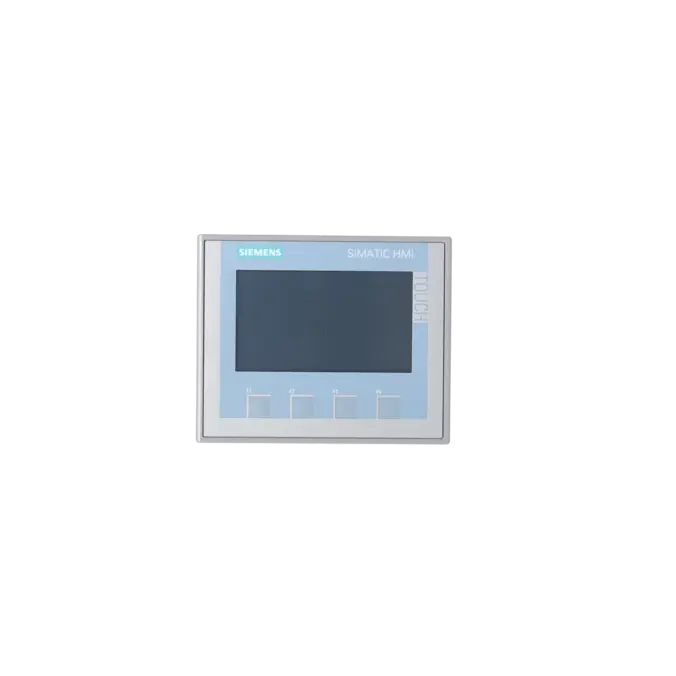
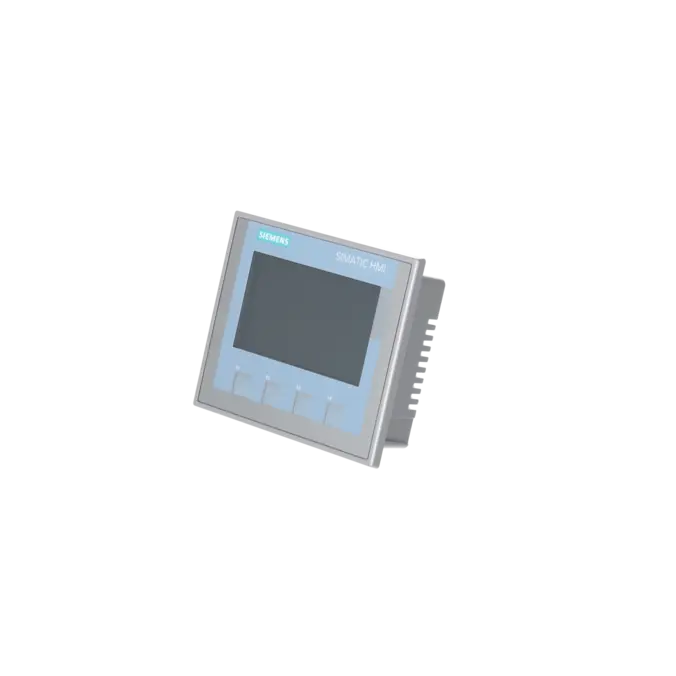
SIMATIC HMI, KTP400 BASIC, BASIC PANEL, KEY AND TOUCH OPERATION, 4 TFT DISPLAY, 65536 COLORS, PROFINET INTERFACE, CONFIGURATION FROM WINCC BASIC V13/ STEP7 BASIC V13, CONTAINS OPEN SOURCE SW WHICH IS PROVIDED FREE OF CHARGE FOR DETAILS SEE CD
Services for SIEMENS 6AV2123-2DB03-0AX0
Repair
from 536,25 €
to 965,25 €
Replacement
367,20 €
348,84 €
Used
408,00 €
387,60 €
New
455,21 €
432,45 €
SIEMENS |
6AV2123-2DB03-0AX0 –
additional product information
| Delivery information | |||
|---|---|---|---|
| Export identifier | AL: N ECCN: EAR99H | ||
| Net weight | 0.458 | ||
| Quantity | 1 Stück | ||
| Packaging quantity | 1 | ||
| Additional product information | |||
|---|---|---|---|
| Product status | |||
| EAN | 4034106029203 | ||
| UPC | 887621830281 | ||
| Static lot number | 85371091 | ||
| List indicator | ST80.1J | ||
| Product group | 2263 | ||
| Country of origin | CN | ||
| Compliance with the substance restrictions according to RoHS directive | Since: 20140319 | ||
| Product classifications | Version | Classification | |
|---|---|---|---|
| eClass | 4 | / | |
| eClass | 5.1 | 27-24-23-02 | |
| eClass | 6.0 | 27-24-23-02 | |
| ETIM | 3 | / | |
| ETIM | 4 | EC001412 | |
| ETIM | 5 | EC001412 | |
What is 6AV2123-2DB03-0AX0 and where is it used?
The 6AV2123-2DB03-0AX0 refers to the Siemens SIMATIC HMI KTP400 Basic, a compact 4.3-inch operator panel designed for simple to medium-level visualisation and machine operation tasks directly at the machine. The device combines touch operation with four function keys and is intended for typical HMI functions such as displaying messages, acknowledging faults, entering setpoints, operating simple recipes and visualising machine states.
Thanks to its PROFINET interface, the panel is particularly suitable for compact machine concepts, retrofit projects, and replacing existing operator panels. Siemens specifies compatibility with systems such as S7-1200, S7-1500, S7-300/400, LOGO!, SIMOTION, and other Ethernet-based controllers.
Overview of key technical data and what it means
The panel features a 4.3-inch TFT widescreen display (480 × 272 pixels, 65,536 colours). In practical terms, this provides a clear and compact representation of process values, messages and operator screens within a small footprint.
It uses a resistive analog touchscreen, which is robust and can often be operated with gloves or in harsh industrial environments. In addition, it includes four function keys, a 24 V DC power supply, a typical power consumption of only 3 W, one Industrial Ethernet/PROFINET interface, and one USB interface.
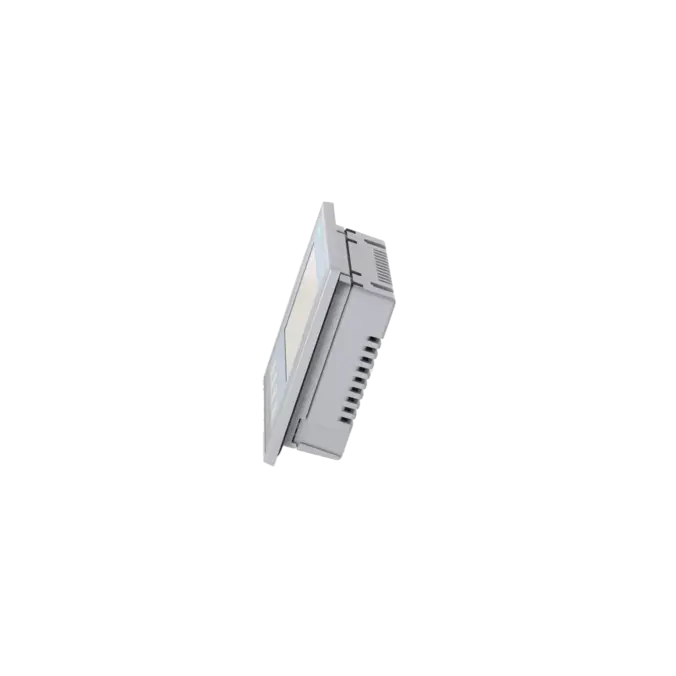
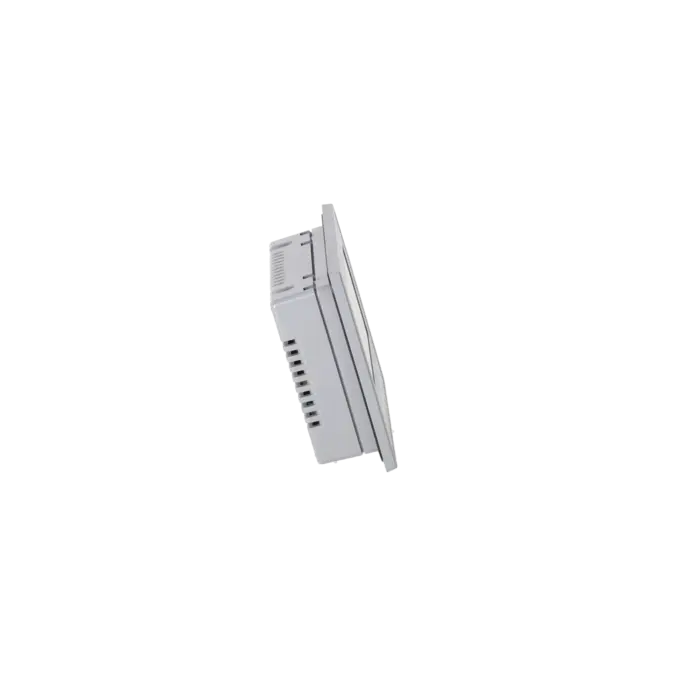
With IP65 front protection and IP20 rear protection, the device is designed for panel or cabinet front mounting in industrial indoor environments. For maintenance and device replacement, it supports manual backup/restore and device switchover functions.
Product status, life cycle status and obsolescence
Siemens currently classifies the 6AV2123-2DB03-0AX0 as a PM300 / Active Product within the Standard devices 2nd generation portfolio. PM300 indicates that the product is in its active phase and is fully available for ordering.
No official end-of-life or obsolescence status is currently specified for this order number.
For modernisation projects, Siemens also notes that the transition from KTP400 Basic to MTP400 Unified Basic is mechanically compatible in terms of panel cut-out, meaning no change to the mounting opening is required. However, this is considered a modernisation option rather than a direct 1:1 successor, and therefore requires project-specific evaluation.
Available EICHLER services and when they are relevant in practice
For the 6AV2123-2DB03-0AX0, EICHLER offers repair, replacement, used units and new devices. This is particularly relevant when production downtime is critical and not only availability but also the fastest possible return to operation is required.
Repair is suitable when the existing project, mechanical installation and machine logic are to be preserved. EICHLER combines this with technical cleaning, preventive maintenance, full functional testing, and at least a 24-month warranty.
Replacement services are especially valuable under high time pressure. Used units can be economically attractive, while new units support standardised spare parts strategies and planned stockkeeping.
| Attribut | Wert |
|---|---|
| Product type designation | KTP400 Basic |
| Display | |
| Design of display | TFT widescreen display, LED backlighting |
| Screen diagonal | 4.3 in |
| Display width | 95 mm |
| Display height | 53.9 mm |
| Number of colors | 65 536 |
| Resolution (pixels) | |
| ● Horizontal image resolution | 480 pixel |
| ● Vertical image resolution | 272 pixel |
| Backlighting | |
| ● MTBF backlighting (at 25 °C) | 20 000 h |
| ● Backlight dimmable | Yes |
| Control elements | |
| Keyboard fonts | |
| ● Function keys | |
| — Number of function keys | 4 |
| — Number of function keys with LEDs | 0 |
| ● Keys with LED | No |
| ● System keys | No |
| ● Numeric keyboard | Yes; Onscreen keyboard |
| ● alphanumeric keyboard | Yes; Onscreen keyboard |
| Touch operation | |
| ● Design as touch screen | Yes; Analog-resistive |
| Installation type/mounting | |
| Mounting position | vertical |
| Wall mounting/direct mounting | No |
| Mounting in portrait format possible | Yes |
| Mounting in landscape format possible | Yes |
| maximum permissible angle of inclination without external ventilation | 35° |
| Supply voltage | |
| Type of supply voltage | DC |
| Rated value (DC) | 24 V |
| permissible range, lower limit (DC) | 19.2 V |
| permissible range, upper limit (DC) | 28.8 V |
| Input current | |
| Current consumption (rated value) | 125 mA |
| Starting current inrush I²t | 0.2 A²·s |
| Power | |
| Active power input, typ. | 3 W |
| Processor | |
| Processor type | ARM |
| Memory | |
| Flash | Yes |
| RAM | Yes |
| Memory available for user data | 10 Mbyte |
| Type of output | |
| Acoustics | |
| ● Buzzer | Yes |
| ● Speaker | No |
| Time of day | |
| Clock | |
| ● Hardware clock (real-time) | Yes |
| ● Software clock | Yes |
| ● retentive | Yes; Back-up duration typically 6 weeks |
| ● synchronizable | Yes |
| Interfaces | |
| Number of industrial Ethernet interfaces | 1 |
| Number of RS 485 interfaces | 0 |
| Number of RS 422 interfaces | 0 |
| Number of RS 232 interfaces | 0 |
| Number of USB interfaces | 1; Up to 16 GB |
| Number of 20 mA interfaces (TTY) | 0 |
| Number of parallel interfaces | 0 |
| Number of other interfaces | 0 |
| Number of SD card slots | 0 |
| With software interfaces | No |
| Industrial Ethernet | |
| ● Industrial Ethernet status LED | 2 |
| Protocols | |
| PROFINET | Yes |
| Supports protocol for PROFINET IO | No |
| IRT | No |
| PROFIBUS | No |
| EtherNet/IP | Yes |
| MPI | No |
| Protocols (Ethernet) | |
| ● TCP/IP | Yes |
| ● DHCP | Yes |
| ● DCP | Yes |
| ● LLDP | Yes |
| WEB characteristics | |
| ● HTTP | No |
| ● HTML | No |
| Redundancy mode | |
| Media redundancy | |
| — MRP | No |
| Further protocols | |
| ● CAN | No |
| ● MODBUS | Yes; Modicon (MODBUS TCP/IP) |
| Interrupts/diagnostics/status information | |
| Diagnoses | |
| ● Diagnostic information readable | No |
| EMC | |
| Emission of radio interference acc. to EN 55 011 | |
| ● Limit class A, for use in industrial areas | Yes |
| ● Limit class B, for use in residential areas | No |
| Degree and class of protection | |
| IP (at the front) | IP65 |
| IP (rear) | IP20 |
| NEMA (front) | |
| ● Enclosure Type 4 at the front | Yes |
| ● Enclosure Type 4x at the front | Yes |
| Standards, approvals, certificates | |
| CE mark | Yes |
| cULus | Yes |
| RCM (formerly C-TICK) | Yes |
| KC approval | Yes |
| Use in hazardous areas | |
| ● ATEX Zone 2 | No |
| ● ATEX Zone 22 | No |
| ● IECEx Zone 2 | No |
| ● IECEx Zone 22 | No |
| ● cULus Class I Zone 1 | No |
| ● cULus Class I Zone 2, Division 2 | No |
| ● FM Class I Division 2 | No |
| Marine approval | |
| ● Germanischer Lloyd (GL) | Yes |
| ● American Bureau of Shipping (ABS) | Yes |
| ● Bureau Veritas (BV) | Yes |
| ● Det Norske Veritas (DNV) | Yes |
| ● Lloyds Register of Shipping (LRS) | Yes |
| ● Nippon Kaiji Kyokai (Class NK) | Yes |
| ● Polski Rejestr Statkow (PRS) | No |
| ● Chinese Classification Society (CCS) | No |
| Ambient conditions | |
| Suited for indoor use | Yes |
| Suited for outdoor use | No |
| Ambient temperature during operation | |
| Operation (vertical installation) | |
| — For vertical installation, min. | 0 °C |
| — For vertical installation, max. | 50 °C |
| Operation (max. tilt angle) | |
| — At maximum tilt angle, min. | 0 °C |
| — At maximum tilt angle, max. | 40 °C |
| Operation (vertical installation, portrait format) | |
| — For vertical installation, min. | 0 °C |
| — For vertical installation, max. | 40 °C |
| Operation (max. tilt angle, portrait format) | |
| — At maximum tilt angle, min. | 0 °C |
| — At maximum tilt angle, max. | 35 °C |
| Ambient temperature during storage/transportation | |
| ● min. | -20 °C |
| ● max. | 60 °C |
| Relative humidity | |
| ● Operation, max. | 90 %; no condensation |
| Operating systems | |
| proprietary | Yes |
| pre-installed operating system | |
| ● Windows CE | No |
| Configuration | |
| Message indicator | Yes |
| Alarm system (incl. buffer and acknowledgment) | Yes |
| Process value display (output) | Yes |
| Process value default (input) possible | Yes |
| Recipe management | Yes |
| Configuration software | |
| ● STEP 7 Basic (TIA Portal) | Yes; via integrated WinCC Basic (TIA Portal) |
| ● STEP 7 Professional (TIA Portal) | Yes; via integrated WinCC Basic (TIA Portal) |
| ● WinCC flexible Compact | No |
| ● WinCC flexible Standard | No |
| ● WinCC flexible Advanced | No |
| ● WinCC Basic (TIA Portal) | Yes |
| ● WinCC Comfort (TIA Portal) | Yes |
| ● WinCC Advanced (TIA Portal) | Yes |
| ● WinCC Professional (TIA Portal) | Yes |
| Languages | |
| Online languages | |
| ● Number of online/runtime languages | 10 |
| Project languages | |
| ● Languages per project | 32 |
| Functionality under WinCC (TIA Portal) | |
| Libraries | Yes |
| Applications/options | |
| ● Web browser | Yes |
| ● SIMATIC WinCC Sm@rtServer | Yes; Available with WinCC (TIA Portal) V14 or higher |
| Number of Visual Basic Scripts | No |
| Task planner | Yes |
| ● time-controlled | No |
| ● task-controlled | Yes |
| Help system | Yes |
| ● Number of characters per info text | 500 |
| Message system | |
| ● Number of alarm classes | 32 |
| ● Bit messages | |
| — Number of bit messages | 1 000 |
| ● Analog messages | |
| — Number of analog messages | 25 |
| ● S7 alarm number procedure | No |
| ● System messages HMI | Yes |
| ● System event, more (SIMATIC S7, SINUMERIK, SIMOTION, ... ) | Yes; System message buffer of the SIMATIC S7-1200 and S7-1500 |
| ● Number of characters per message | 80 |
| ● Number of process values per message | 8 |
| ● Acknowledgment groups | Yes |
| ● Message indicator | Yes |
| ● Message buffer | |
| — Number of entries | 256 |
| — Circulating buffer | Yes |
| — retentive | Yes |
| — maintenance-free | Yes |
| Recipe management | |
| ● Number of recipes | 50 |
| ● Data records per recipe | 100 |
| ● Entries per data record | 100 |
| ● Size of internal recipe memory | 256 kbyte |
| ● Recipe memory expandable | No |
| Variables | |
| ● Number of variables per device | 800 |
| ● Number of variables per screen | 100 |
| ● Limit values | Yes |
| ● Multiplexing | Yes |
| ● Structures | No |
| ● Arrays | Yes |
| Images | |
| ● Number of configurable images | 250 |
| ● Permanent window/default | Yes |
| ● Global image | Yes |
| ● Pop-up images | No |
| ● Slide-in images | No |
| ● Image selection by PLC | Yes |
| ● Image number in the PLC | Yes |
| Image objects | |
| ● Number of objects per image | 100 |
| ● Text fields | Yes |
| ● I/O fields | Yes |
| ● Graphic I/O fields (graphics list) | Yes |
| ● Symbolic I/O fields (text list) | Yes |
| ● Date/time fields | Yes |
| ● Switches | Yes |
| ● Buttons | Yes |
| ● Graphic display | Yes |
| ● Icons | Yes |
| ● Geometric objects | Yes |
| Complex image objects | |
| ● Number of complex objects per screen | 10 |
| ● Alarm view | Yes |
| ● Trend view | Yes |
| ● User view | Yes |
| ● Status/control | No |
| ● Sm@rtClient view | No |
| ● Recipe view | Yes |
| ● f(x) trend view | No |
| ● System diagnostics view | Yes; System message buffer of the SIMATIC S7-1200 and S7-1500 |
| ● Media Player | No |
| ● HTML browser | Yes |
| ● PDF display | No |
| ● IP camera display | No |
| ● Bar graphs | Yes |
| ● Sliders | No |
| ● Pointer instruments | No |
| ● Analog/digital clock | No |
| Lists | |
| ● Number of text lists per project | 300 |
| ● Number of entries per text list | 100 |
| ● Number of graphics lists per project | 100 |
| ● Number of entries per graphics list | 100 |
| Archiving | |
| ● Number of archives per device | 2; One message and one process value archive |
| ● Number of entries per archive | 10 000 |
| ● Message archive | Yes |
| ● Process value archive | Yes |
| ● Archiving methods | |
| — Sequential archive | Yes |
| — Short-term archive | Yes |
| ● Memory location | |
| — Memory card | No |
| — USB memory | Yes |
| — Ethernet | No |
| ● Data storage format | |
| — CSV | No |
| — TXT | Yes |
| — RDB | No |
| Security | |
| ● Number of user groups | 50 |
| ● Number of user rights | 32 |
| ● Number of users | 50 |
| ● Password export/import | Yes |
| ● SIMATIC Logon | No |
| Character sets | |
| ● Keyboard fonts | |
| — US English | Yes |
| Transfer (upload/download) | |
| ● MPI/PROFIBUS DP | No |
| ● USB | No |
| ● Ethernet | Yes |
| ● using external storage medium | Yes |
| Process coupling | |
| ● S7-1200 | Yes |
| ● S7-1500 | Yes |
| ● S7-200 | Yes |
| ● S7-300/400 | Yes |
| ● LOGO! | Yes |
| ● WinAC | Yes |
| ● SINUMERIK | Yes; No access to NCK data |
| ● SIMOTION | Yes |
| ● Allen Bradley (EtherNet/IP) | Yes |
| ● Allen Bradley (DF1) | No |
| ● Mitsubishi (MC TCP/IP) | Yes |
| ● Mitsubishi (FX) | No |
| ● OMRON (FINS TCP) | No |
| ● OMRON (LINK/Multilink) | No |
| ● Modicon (Modbus TCP/IP) | Yes |
| ● Modicon (Modbus) | No |
| Service tools/configuration aids | |
| ● Backup/Restore manually | Yes |
| ● Backup/Restore automatically | No |
| ● Simulation | Yes |
| ● Device switchover | Yes |
| Peripherals/Options | |
| Printer | No |
| SIMATIC HMI MM memory card: Multi Media Card | No |
| SIMATIC HMI SD memory card: Secure Digital memory card | No |
| SIMATIC HMI CF memory card Compact Flash Card | No |
| USB memory | Yes |
| SIMATIC IPC USB Flashdrive (USB stick) | Yes |
| SIMATIC HMI USB stick | Yes |
| Mechanics/material | |
| Enclosure material (front) | |
| ● Plastic | Yes |
| ● Aluminum | No |
| ● Stainless steel | No |
| Dimensions | |
| Width of the housing front | 140 mm |
| Height of housing front | 116 mm |
| Mounting cutout, width | 124 mm |
| Mounting cutout, height | 100 mm |
| mounting depth | 34.9 mm |
| Weights | |
| Weight (without packaging) | 360 g |
| Weight (with packaging) | 470 g |
| Fault description | Possible solution |
|---|---|
| Why does TIA Portal show “operator device image not available” when downloading? | In most cases, the installed TIA/WinCC environment is missing the correct HMI image for the configured Basic Panels 2nd Generation. Install the appropriate panel images matching your TIA version via the Siemens image setup or official image downloads. Then verify that the correct device type KTP400 Basic / 6AV2123-2DB03-0AX0 is selected in the project and restart the download process. If a version upgrade is planned, a matching OS update should also be considered. |
| Why does TIA Portal show an incompatible CPU or wrong device version for the KTP400 Basic? | This usually happens when the panel has been configured using the wrong device generation or when the engineering environment does not support the selected version. Check that 6AV2123-2DB03-0AX0 is correctly selected as KTP400 Basic, that the used TIA version supports the panel version, and that CPU and HMI are correctly integrated in the same PROFINET/IE network. Then recompile the project and reconnect using extended download. |
| Why does the KTP400 Basic not recognise my USB stick or why does backup/restore fail? | The device supports manual backup/restore, but not automatic procedures. USB issues are usually caused by the medium itself, formatting, file structure, or incorrect image files. Siemens specifies a USB interface and recommends using the official USB recovery package for restoration. Support cases also recommend using a small, properly prepared USB stick. For recovery or factory reset, the correct recovery files and image structure must be stored on the USB device. |
| Why can the project not be transferred to the panel or why is the panel not detected as reachable? | At least one transfer channel must be enabled on the KTP400 Basic, otherwise transfer mode will not function correctly. Activate transfer mode on the panel, check IP address, device name and PROFINET assignment, and use TIA Portal’s function to search for reachable devices in the correct subnet. If network name, subnet or transfer channel are not correctly configured, the panel may not be detected despite a physical connection. |
| Why are only “####” displayed on the HMI or why do buttons and variables not respond? | In such cases, the panel itself is usually not faulty; instead, the HMI communication to the PLC is incorrect. Check the selected communication driver, the configured HMI connection, assigned variables, and whether the referenced DBs or tags in the PLC still match the project. Even a wrong driver or changed address layout can cause values not to be read and operator functions to stop responding. |
Is 6AV2123-2DB03-0AX0 still an active Siemens product?
Yes. Siemens currently lists 6AV2123-2DB03-0AX0 as an Active Product with lifecycle status PM300. This means the panel is still in its active sales phase and is not in any end-of-life or spare parts-only stage.
For procurement and maintenance, this is important because the article number is still regularly available on the market. However, for long-term plant strategies, it is still worth considering migration paths, as Siemens documents a mechanically compatible transition to the MTP400 Unified Basic for the 4-inch class. “Active” therefore does not automatically mean that future migration planning can be ignored.
Can I still engineer 6AV2123-2DB03-0AX0 with WinCC flexible?
For this specific article number, you should plan with WinCC Basic / STEP 7 Basic (TIA Portal V13 or higher). Siemens defines this panel within the TIA Portal engineering environment.
This is important for engineering and service because older HMI generations in the field are often still associated with different engineering tools. Anyone migrating or maintaining an existing project should therefore first check the exact order number and installed engineering version, as the article number determines the correct software path.
Which software is required for engineering and OS updates?
For engineering, Siemens specifies WinCC Basic / STEP 7 Basic from TIA Portal V13 onwards. For service tasks such as operating system updates or factory reset, Siemens uses the TIA Portal service environment and the corresponding image handling tools.
In practice, this means:First ensure the correct device version is selected in the TIA project, then verify panel images and software versions, and only then perform download or OS update. Engineering version, device image and project state must match, otherwise typical download and compatibility errors occur.
Which controllers and protocols can the KTP400 Basic communicate with?
The panel is designed for more than a single PLC family. Siemens lists supported systems including S7-1200, S7-1500, S7-300/400, LOGO!, SIMOTION, and other Siemens controllers.
On the protocol side, relevant communication options include PROFINET, TCP/IP, EtherNet/IP and Modbus TCP/IP. For maintenance engineers, this makes the KTP400 Basic suitable for mixed machine environments. For procurement, it reduces the risk of stocking an HMI that is tied to only a very narrow application range.
Can a KTP400 Basic be mechanically replaced by an MTP400 Unified Basic?
Mechanically, yes: Siemens documents the transition from KTP400 Basic to MTP400 Unified Basic as installation-compatible, meaning no change to the mounting cut-out is required.
However, from a project perspective, this is not a simple one-to-one replacement. Siemens provides dedicated migration tools for the Unified platform and also highlights changes such as the higher resolution of the MTP series. For decision-makers, this is crucial: mechanical compatibility does not automatically solve software migration requirements. For unplanned downtime scenarios, a like-for-like replacement is usually the faster option.
Is the panel suitable for harsh industrial environments?
For typical indoor machine environments, yes. Siemens specifies IP65 front protection and IP20 rear protection, a 24 V DC supply, a typical power consumption of around 3 W, and operating conditions up to 50 °C in landscape mounting.
This makes the panel suitable for machine fronts or control cabinet doors. However, Siemens still classifies it as an indoor industrial device. Dust, moisture and operator interaction are considered on the front side, but the rear installation area must still be adequately protected.
Is repair, replacement or new purchase the best option in case of failure?
This depends heavily on downtime pressure, project constraints and spare parts strategy. If the existing HMI project must remain unchanged and the machine installation should not be modified, repair is often the most economical option.
If downtime is critical, a replacement unit is usually the fastest way back into production. For planned spare parts strategies or standardisation, new units may be the most consistent solution.
For this article number, EICHLER offers repair, replacement, used units and new devices. The repair service typically includes cleaning, preventive maintenance, full functional testing, and a minimum 24-month warranty.