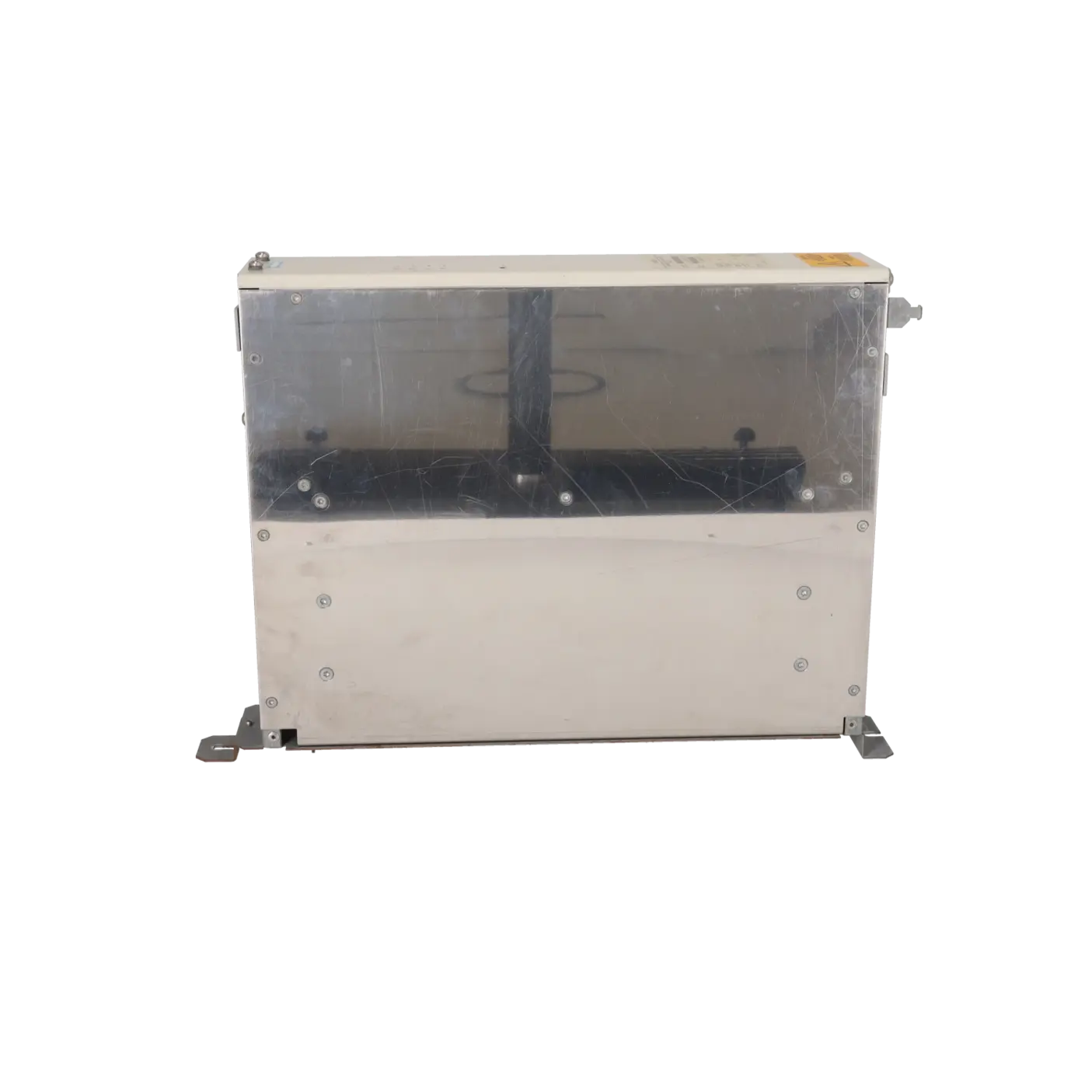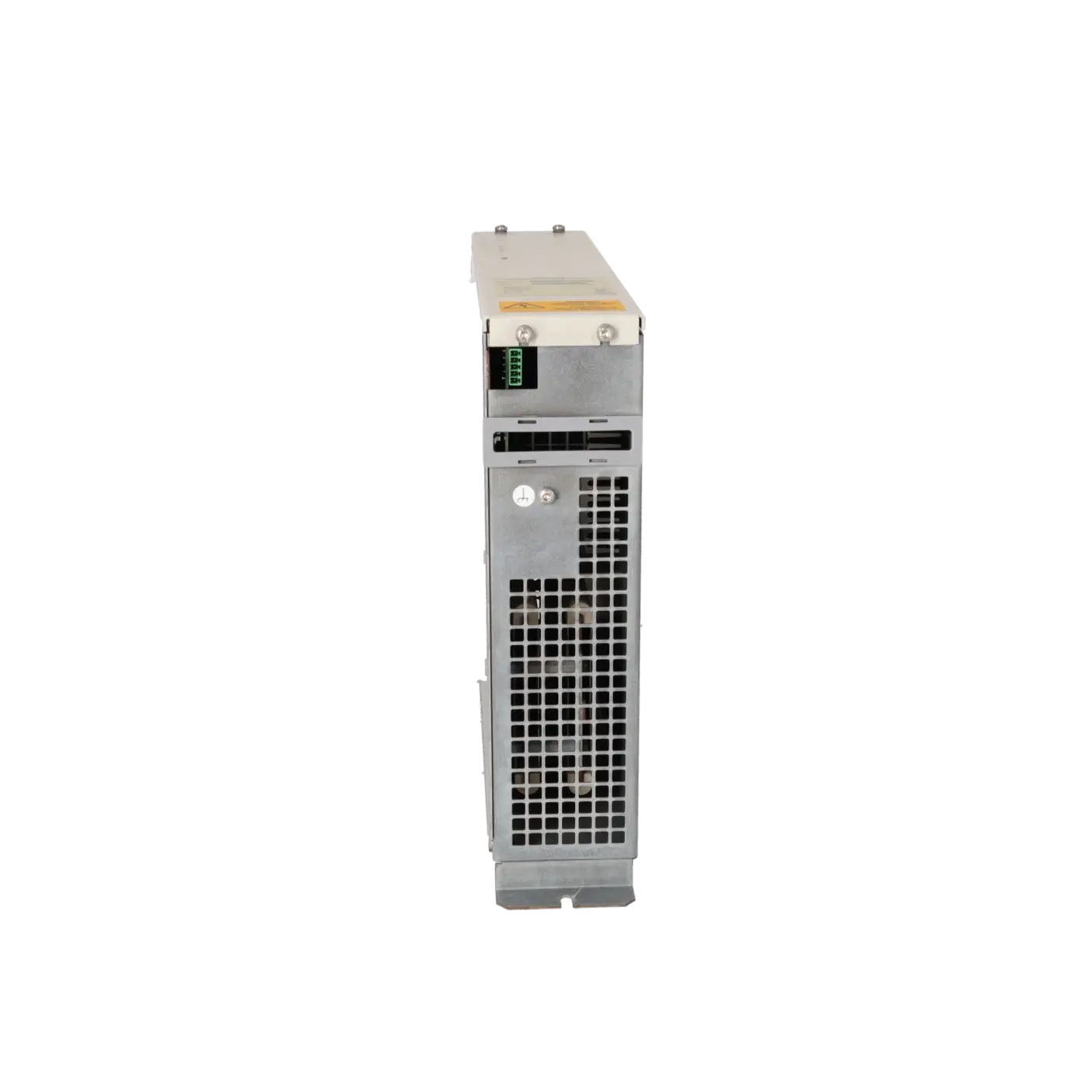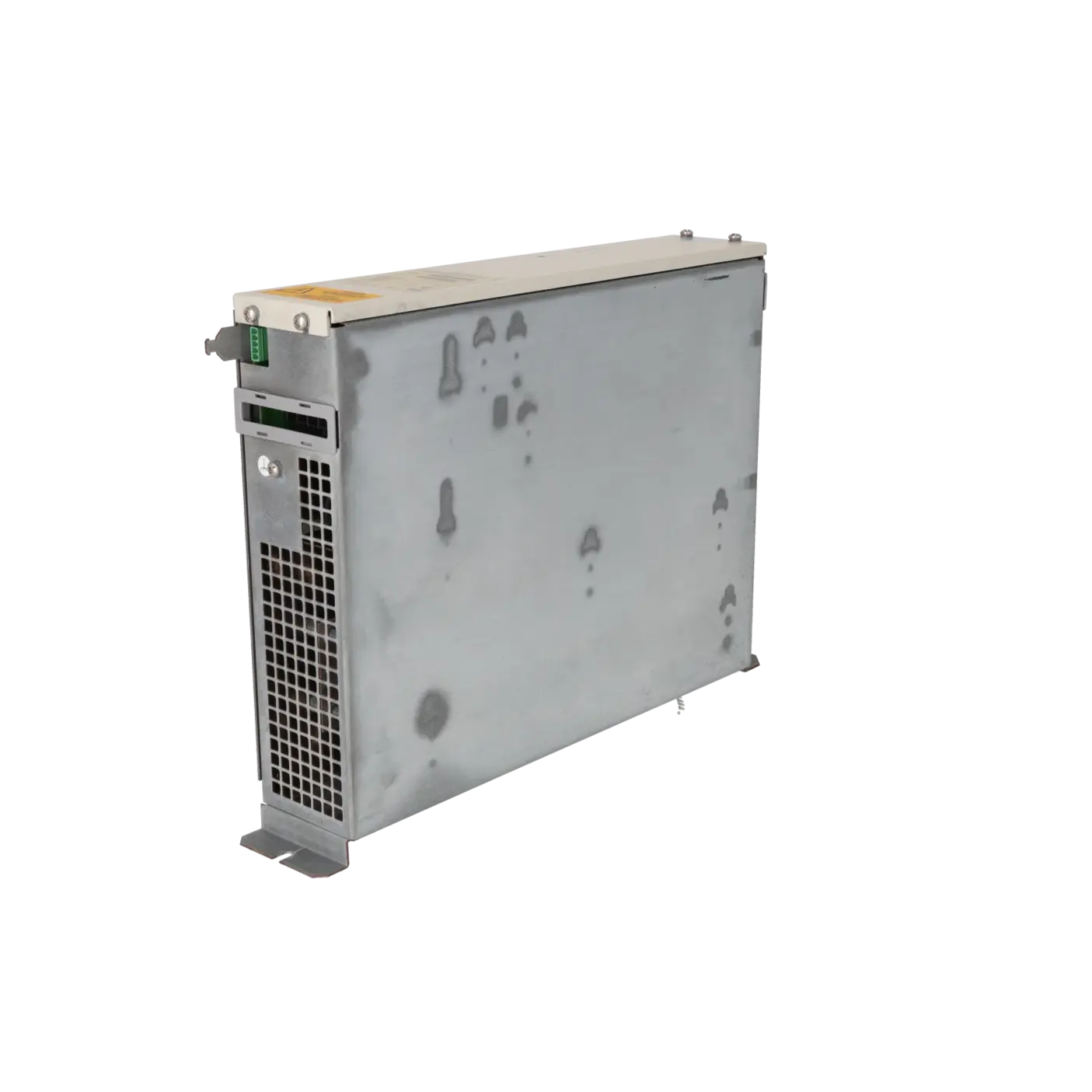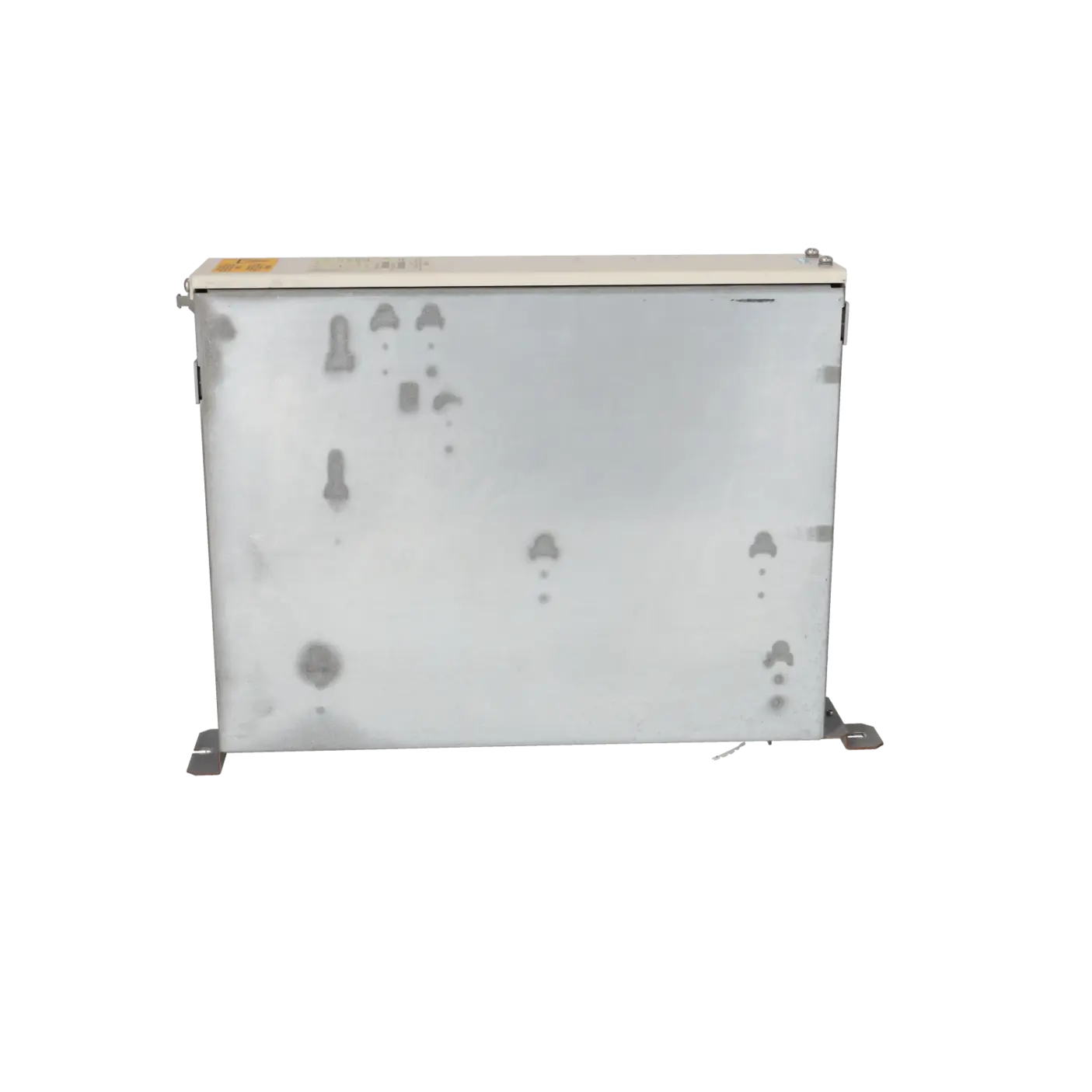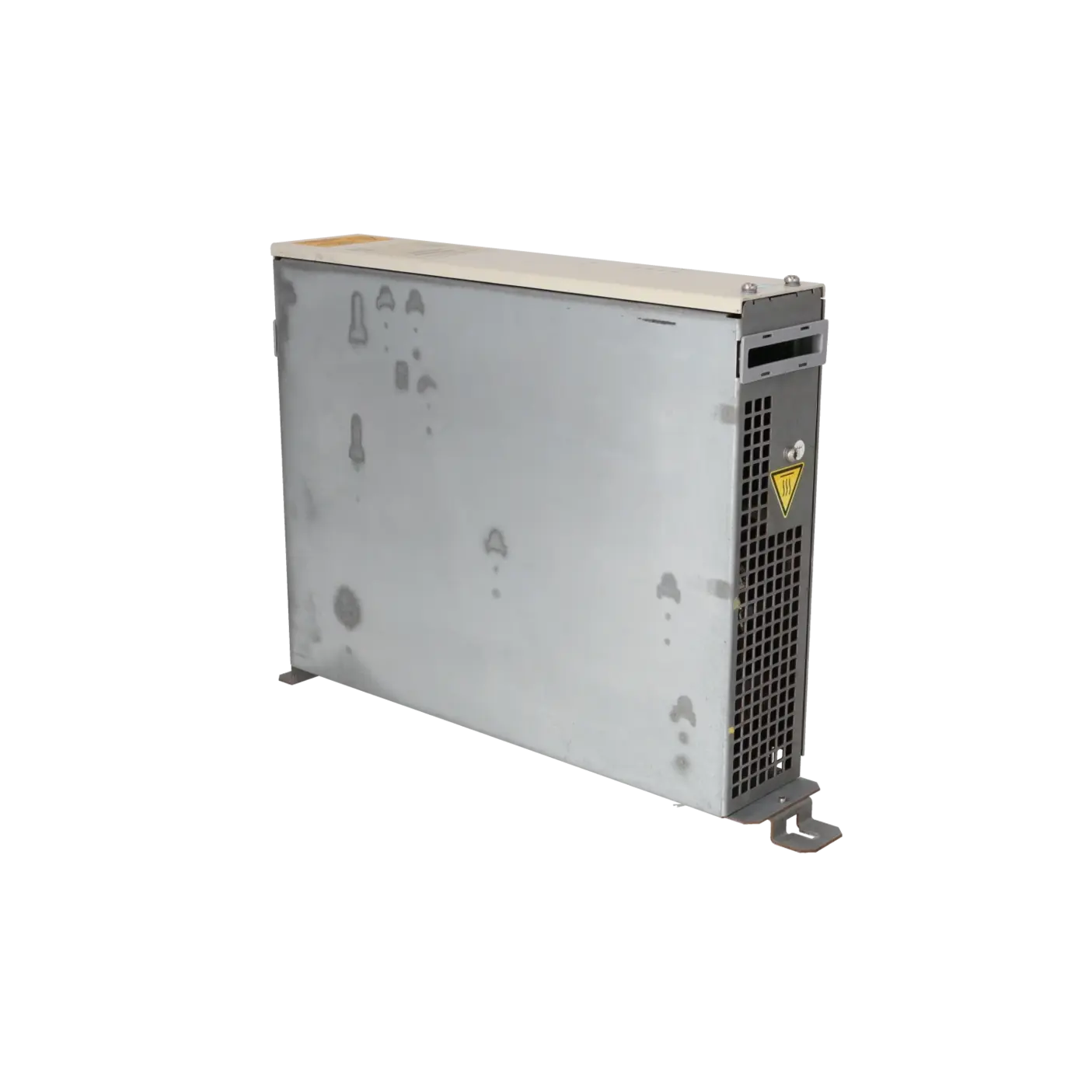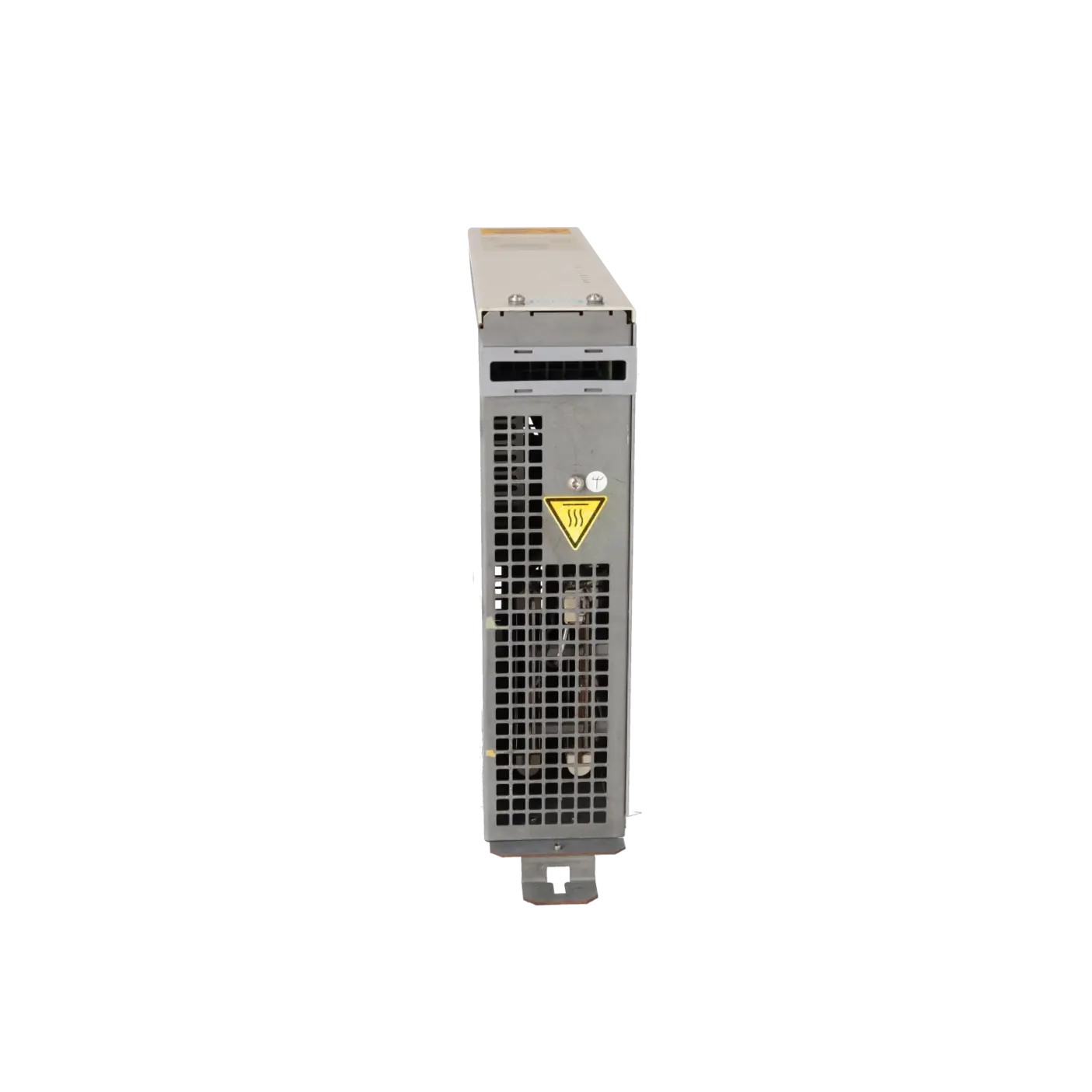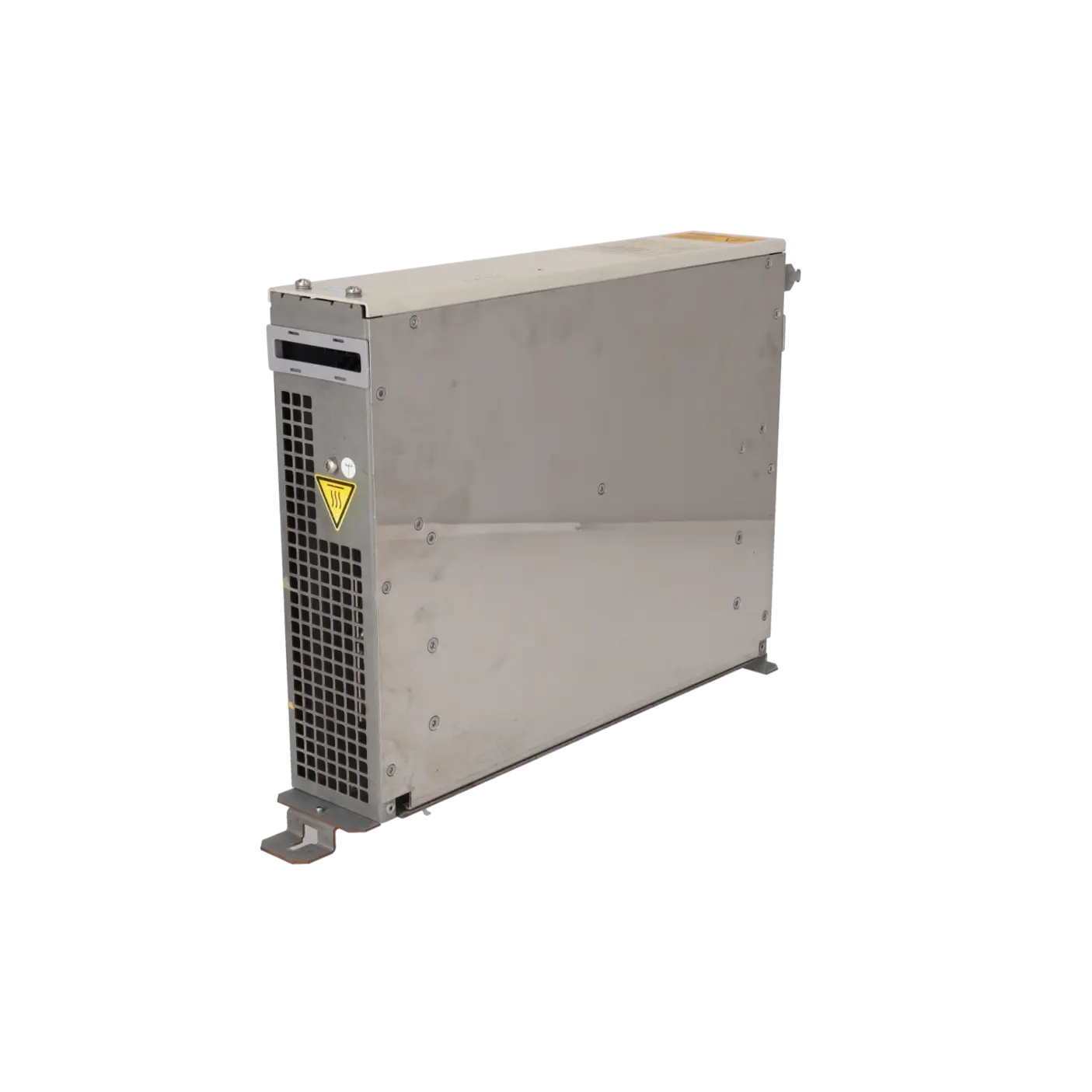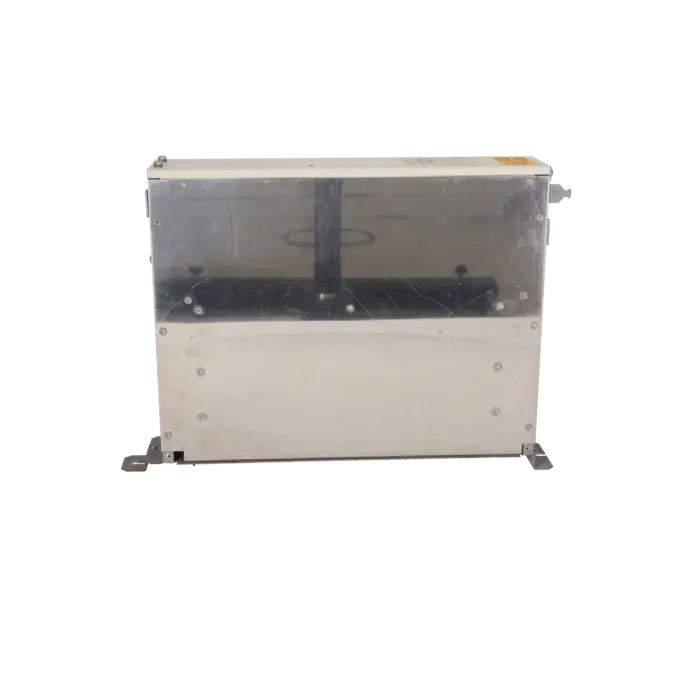
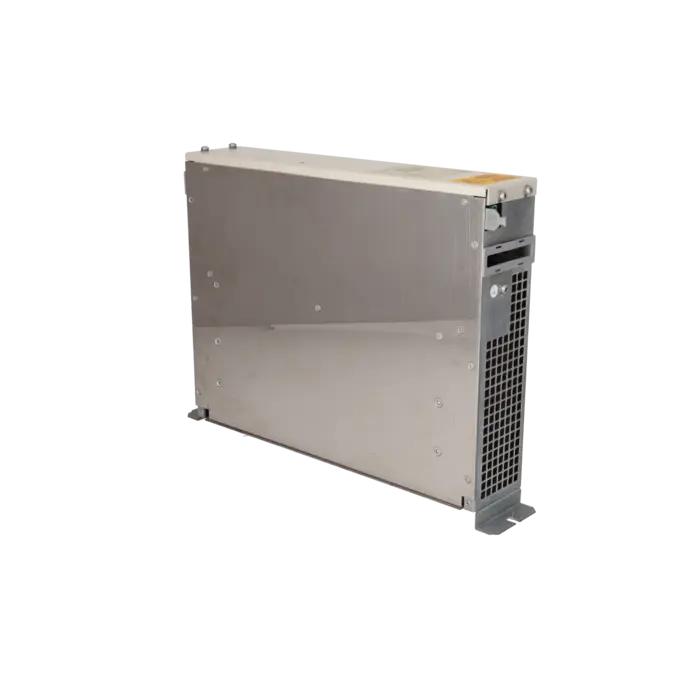
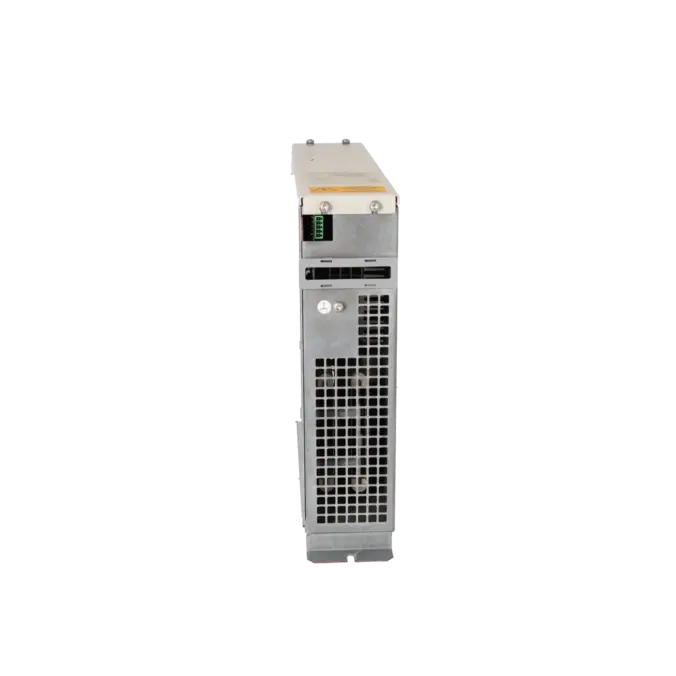
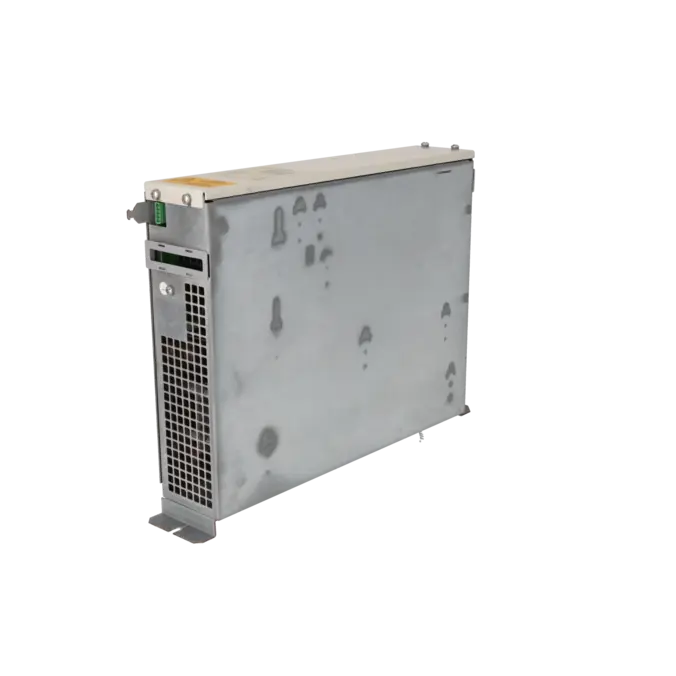
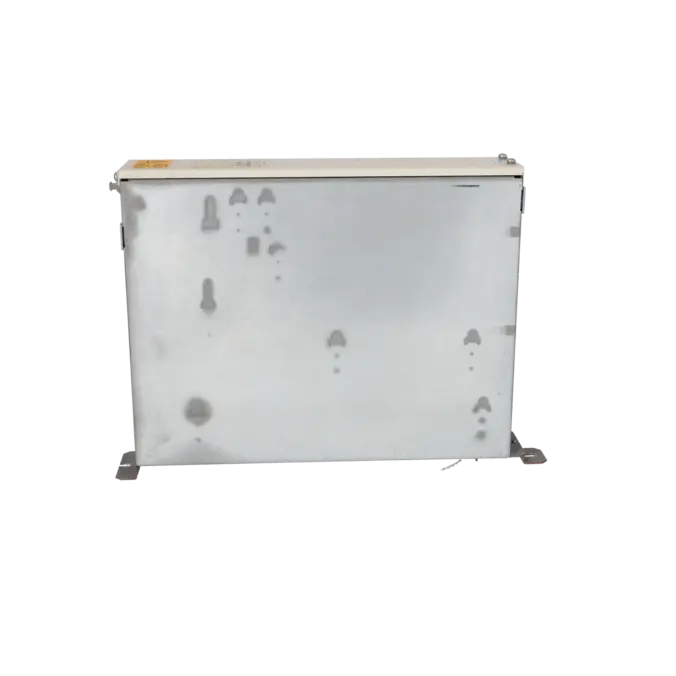

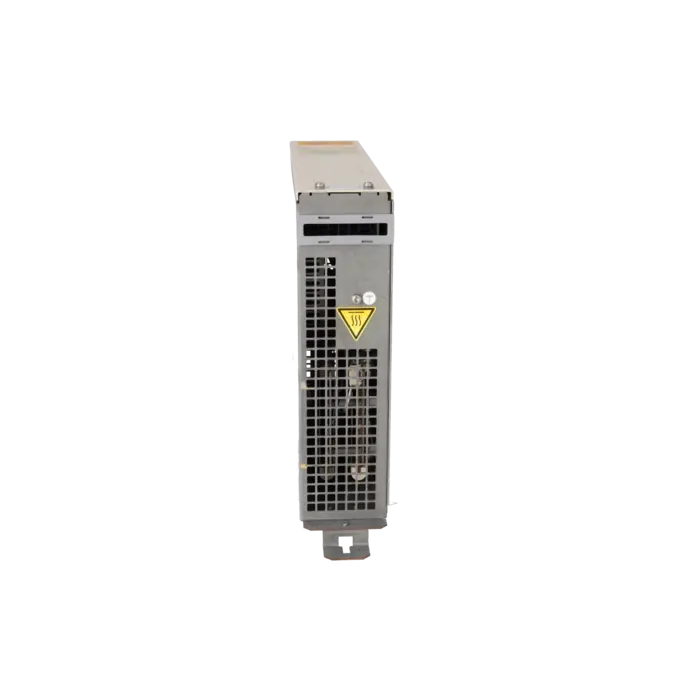
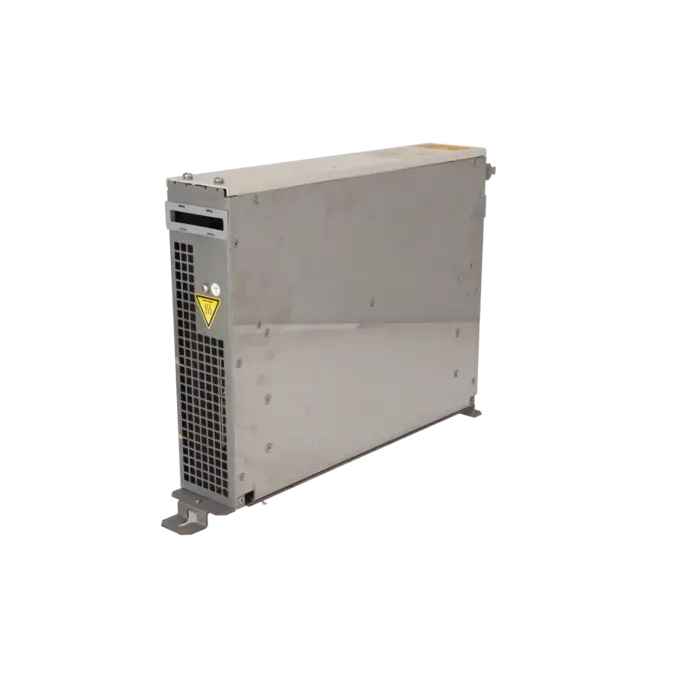

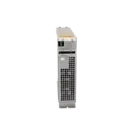
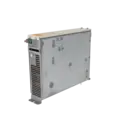

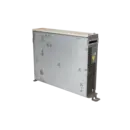

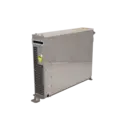
SIEMENS 6SE7023-2EA87-2DA0
- EICHLER-art.no.: K0061592
Product description
SIMOVERT MASTERDRIVES BRAK. UNIT DEGR.OF P. IP20 510-620V DC, 20KW
Services for SIEMENS 6SE7023-2EA87-2DA0
SIEMENS |
6SE7023-2EA87-2DA0 –
additional product information
| Delivery information | |||
|---|---|---|---|
| Export identifier | AL: ECCN: | ||
| Net weight | 11.179 | ||
| Quantity | 1 Stück | ||
| Packaging quantity | 1 | ||
| Additional product information | |||
|---|---|---|---|
| Product status | EOSR: 2011-10-18 | ||
| EAN | / | ||
| UPC | / | ||
| Static lot number | 85044088 | ||
| List indicator | / | ||
| Product group | 9659 | ||
| Country of origin | DE | ||
| Compliance with the substance restrictions according to RoHS directive | Since: / | ||
| Product classifications | Version | Classification | |
|---|---|---|---|
| eClass | 4 | / | |
| eClass | 5.1 | / | |
| eClass | 6.0 | / | |
| ETIM | 3 | / | |
| ETIM | 4 | / | |
| ETIM | 5 | / | |
What is 6SE7023-2EA87-2DA0 and where is it used?
6SE7023-2EA87-2DA0 is a SIEMENS SIMOVERT MASTERDRIVES braking unit used in drive technology applications. In the EICHLER shop, it is assigned to the Power Supplies / Braking Modules product group and is specified with IP20 protection, DC 510–620 V and a 20 kW power rating. This makes it a clearly defined component for existing MASTERDRIVES drive systems, where the complete MLFB must match exactly for procurement, replacement and repair purposes. For maintenance and purchasing departments, this is particularly important because confusion with similar braking modules can quickly lead to installation problems, unnecessary downtime or incorrect spare-parts allocation.
Overview of the key technical data and what it means
The key specifications of this module are 20 kW, IP20 and the specified DC link voltage range of 510–620 V. EICHLER additionally lists a net weight of 11.179 kg. In Siemens documentation, the power ratings of MASTERDRIVES braking units are defined as P20 for rated power, P3 = 1.5 × P20 for peak power and PDB = 0.25 × P20 for continuous braking power. In practice, this means that the 20 kW rating describes the permissible duty cycle capability and not merely a short-duration braking pulse. For the 10–20 kW frame size, Siemens also specifies an internal braking resistor for short-term braking duty. Where higher braking energy is required, an external braking resistor becomes necessary.
Product status, life-cycle status and obsolescence
The life-cycle status is a critical factor for procurement planning. EICHLER lists 6SE7023-2EA87-2DA0 with a product status of EOSR dated 18 October 2011. Siemens identifies 6SE7023-2ES87-2DA1 as the verified successor. However, Siemens explicitly describes this successor as a smaller frame-size version without an internal braking resistor. As a result, although a designated successor exists, a direct 1:1 replacement should only be considered after reviewing the braking resistor concept, wiring, thermal design and installation conditions. For broader modernisation projects, Siemens generally points MASTERDRIVES users towards SINAMICS retrofit solutions when long-term availability and future-proofing are priorities.
Available EICHLER services and when they are relevant
For operators of obsolete MASTERDRIVES systems, several procurement and service options remain available. EICHLER offers repair services for this MLFB with a typical turnaround time of 7–10 days, including technical cleaning, preventive maintenance, comprehensive functional testing and a minimum 24-month warranty. When downtime costs exceed the acceptable repair period, exchange units and used equipment with delivery times of 1–3 days become particularly attractive. New units are available on request. For maintenance teams, these options help minimise unplanned downtime. For purchasing and management, they provide flexibility between budget, delivery time and risk management. Especially after a product has been discontinued, professionally tested repair and exchange solutions are often the most effective way to maintain machine availability without relying on new manufacturer stock.
| Fault description | Possible solution |
|---|---|
| Why is the Overcurrent LED illuminated on the 6SE7023-2EA87-2DA0? | According to Siemens, Overcurrent indicates a short circuit on the output side. The short circuit must be eliminated before acknowledgement; the reset is then performed by applying and removing the Inhibit signal. Therefore, first check the wiring, terminals, braking resistor and its cables for short circuit or earth fault before enabling the module again. |
| Why is the Overload LED illuminated on the braking unit? | Overload means that the I²t monitoring has responded and the permissible ratio between on-time and off-time has been exceeded. Typical corrective actions include longer braking ramps, reduced braking frequency, checking the actual duty cycle and verifying whether the installed braking resistor is correctly rated thermally and electrically. If the fault returns, the combination of braking energy, resistor sizing and installation conditions should be checked in detail. |
| Why does the 6SE7023-2EA87-2DA0 report Overtemp? | Siemens describes Overtemp as a response to excessive ambient temperature or restricted cooling-air supply. Therefore, check the airflow paths, control cabinet temperature, contamination and free heat dissipation. For external braking resistors, Siemens also recommends installing them outside the control cabinet so that electronic components are not additionally heated. Once the temperature falls back below the critical range, the fault resets automatically. |
| Why is the Ready LED off or why does it flash? | The Ready LED is only illuminated when the operating voltage is present and neither Inhibit, Overtemp nor Overcurrent is active. If it is off, check the supply voltage, the Inhibit signal at X38 and the listed fault states. If the LED flashes, Siemens describes this as an internal fault of the braking unit; in that case, the module is defective and should be repaired or replaced. |
| Why does the SIMOVERT MASTERDRIVES report F006 or F010 during braking? | These faults indicate DC-link overvoltage in the MASTERDRIVES inverter. Siemens lists typical causes such as regenerative operation without feedback capability, a faulty or unsuitable braking resistor, or an incorrectly configured braking unit. Check the supply voltage, braking resistor and braking ramp. In the relevant application, the lower response threshold of the braking unit may also be required. |
| Why does F151 appear in the drive after connecting the braking unit? | F151 is assigned in the MASTERDRIVES inverter to an active fault at binector U064. Siemens provides parameter examples for the wiring between MASTERDRIVES and the braking unit, including P575, U064, U237, U302, U951 and U952. If F151 is active, check the wiring, BICO assignment and the feedback signal from the braking unit together, not only the power terminals. |
Which braking resistor is suitable for the 6SE7023-2EA87-2DA0?
Siemens assigns the 6SE7023-2ES87-2DC0 braking resistor with 20 Ω to this 20 kW braking unit. In addition, a 2.5 mm² copper conductor cross-section and the 3NE4102 fuse are specified. For procurement, this is important because the resistance value and thermal rating directly determine whether the braking energy can be dissipated safely. An incorrectly selected resistor can reduce braking performance or place an unacceptable load on the unit. Therefore, the part number, resistance value and fuse protection should always be checked together.
Is there a successor for the 6SE7023-2EA87-2DA0?
Yes. Siemens specifies 6SE7023-2ES87-2DA1 as the successor type. At the same time, Siemens points out that this successor has no internal braking resistor and features a smaller design size. For operators of older MASTERDRIVES systems, this means that the successor is not a direct 1:1 replacement without prior verification. Before ordering, the mechanical installation conditions, braking resistor concept, wiring and the required response threshold should be checked to ensure that the replacement works as intended during downtime.
What should I consider if the braking unit has been in storage for a long time?
Siemens requires the reforming of the DC-link capacitors if the unit has been out of service for more than one year. This is not a minor detail but an important step before recommissioning. The operating instructions describe a reforming circuit for this purpose; the characteristic curve provides a rough guideline of approximately 1 to 5 hours of reforming time for 1 to 5 years of storage. For purchasing and maintenance teams, this means that a long-stored spare unit is not automatically ready for immediate use and requires a controlled electrical recommissioning procedure before installation.
How long may the cables between the inverter, braking unit and braking resistor be?
Siemens specifies a maximum cable length of 3 m between the drive inverter and the braking unit. Between the braking unit and the braking resistor, a maximum length of 15 m is permitted. These limits are important for reliable operation because they influence electrical losses, switching behaviour and EMC performance. During a retrofit or replacement project, not only the part number but also the actual installation conditions in the control cabinet or machine should be checked. Excessive cable lengths can unnecessarily complicate commissioning.
Can I change the response threshold of the braking unit to 673 V?
Yes. Siemens describes a changeover for the E variants from the factory-set response threshold of 774 V to 673 V. This is particularly relevant when operating on a 380/400 V supply, as it can reduce the voltage stress on the motor and DC link. However, Siemens also states that at the lower response threshold, the achievable P3, P20 and PDB values are reduced by 25%. Therefore, this change is not merely a convenience feature but affects the braking design and must be considered when making service and spare-parts decisions.
When is repair more appropriate than replacement?
Repair is particularly worthwhile when the existing unit is already correctly integrated into the machine both mechanically and electrically and a technically verified restoration is sufficient. Replacement is generally the stronger option when the machine must be returned to operation as quickly as possible and downtime costs are the primary concern. At EICHLER, repair is specified with a turnaround time of 7–10 days, while exchange and used units are listed with 1–3 days. Since this part number has officially been discontinued, this combination of repair, exchange and tested used units is often the most economical way for operators to manage both obsolescence and downtime risk.
Is there a modernisation option for MASTERDRIVES instead of sourcing spare parts?
Yes. Siemens explicitly recommends migration from the discontinued MASTERDRIVES platform to SINAMICS as a retrofit strategy. While this is not a direct solution to every immediate fault, it is an important option for decision-makers when spare-parts risks, availability concerns and recurring failures increase. In practice, repair, exchange units and used equipment remain important for short-term availability, whereas a planned retrofit can provide a more robust long-term solution. For critical production systems in particular, this evaluation should be carried out proactively rather than during an unplanned shutdown.