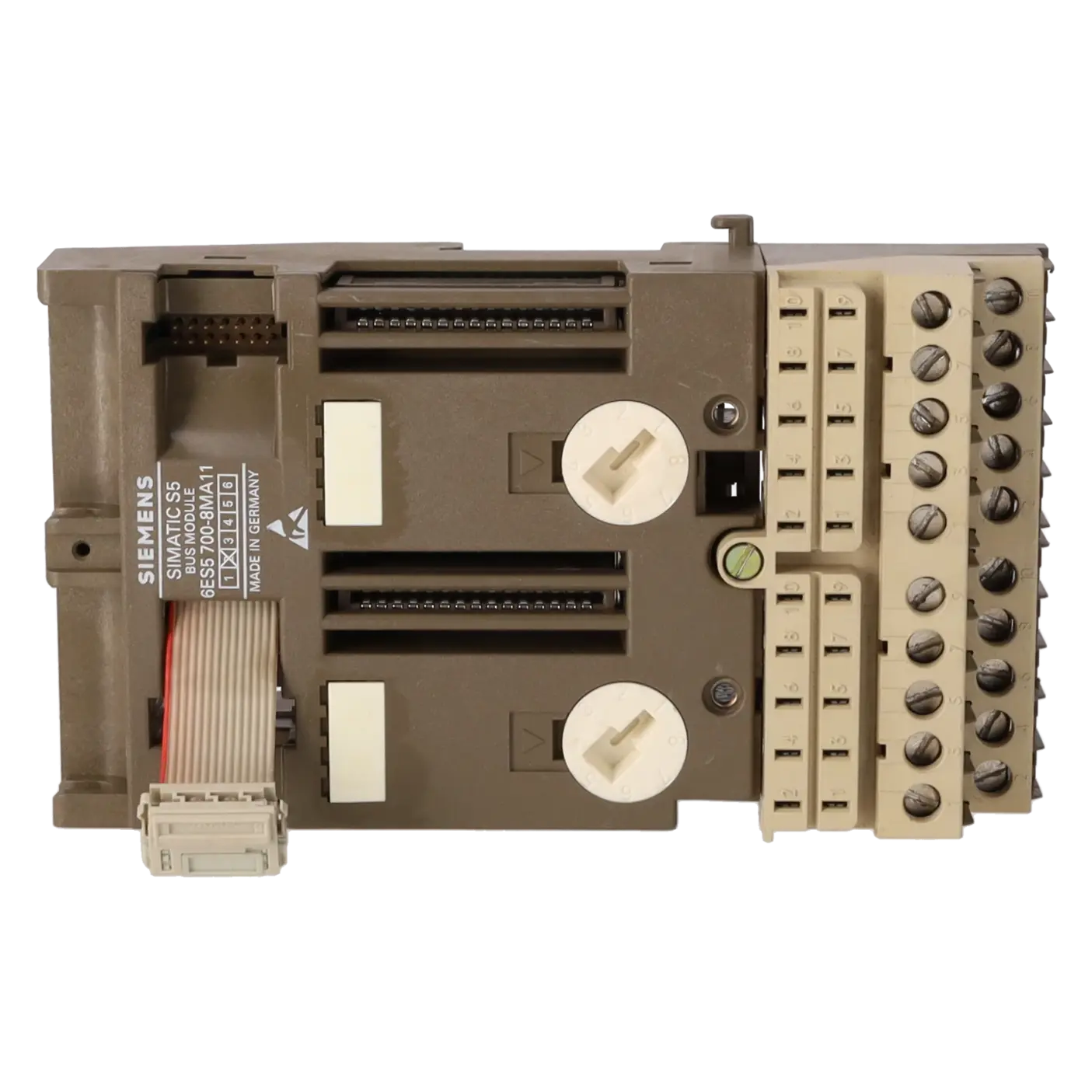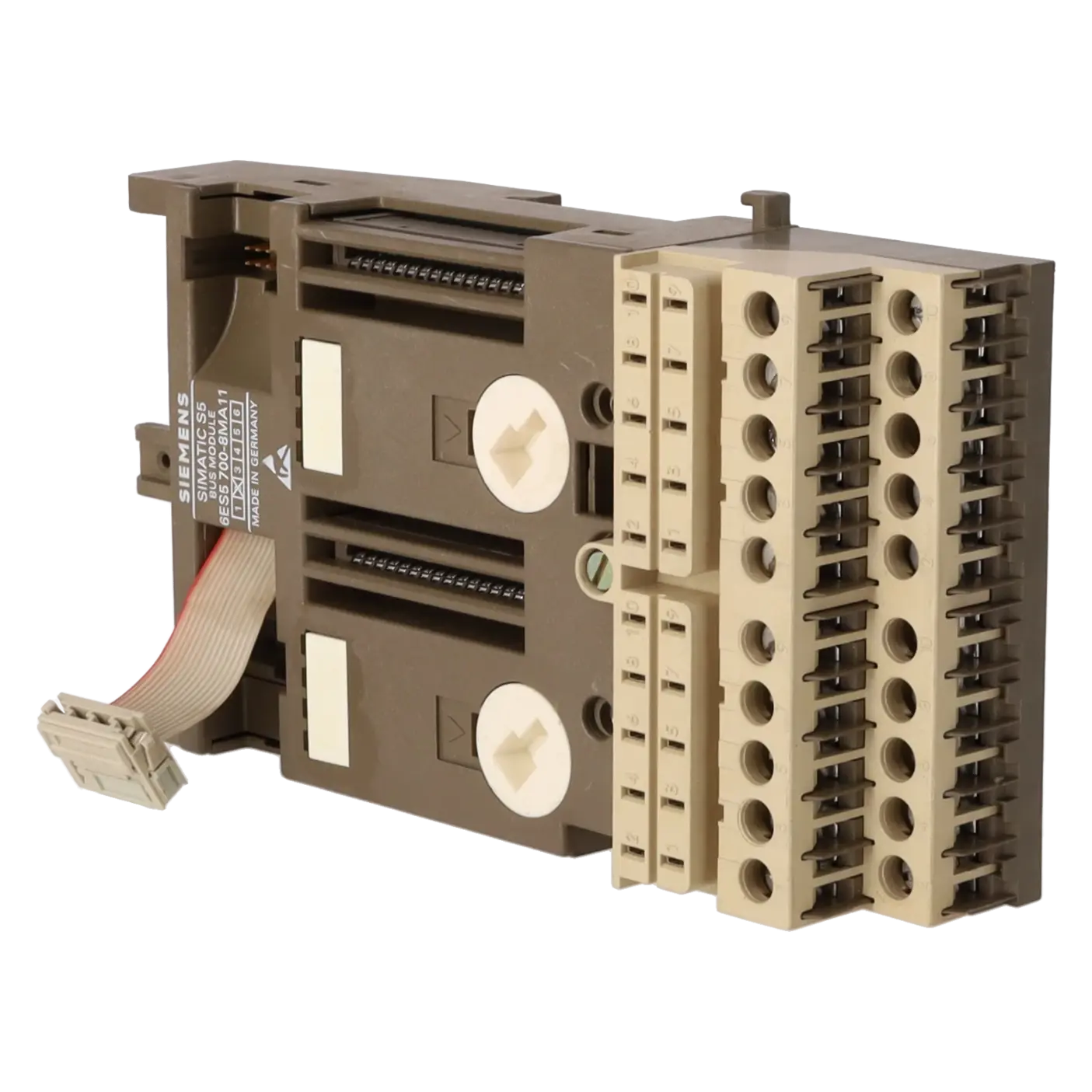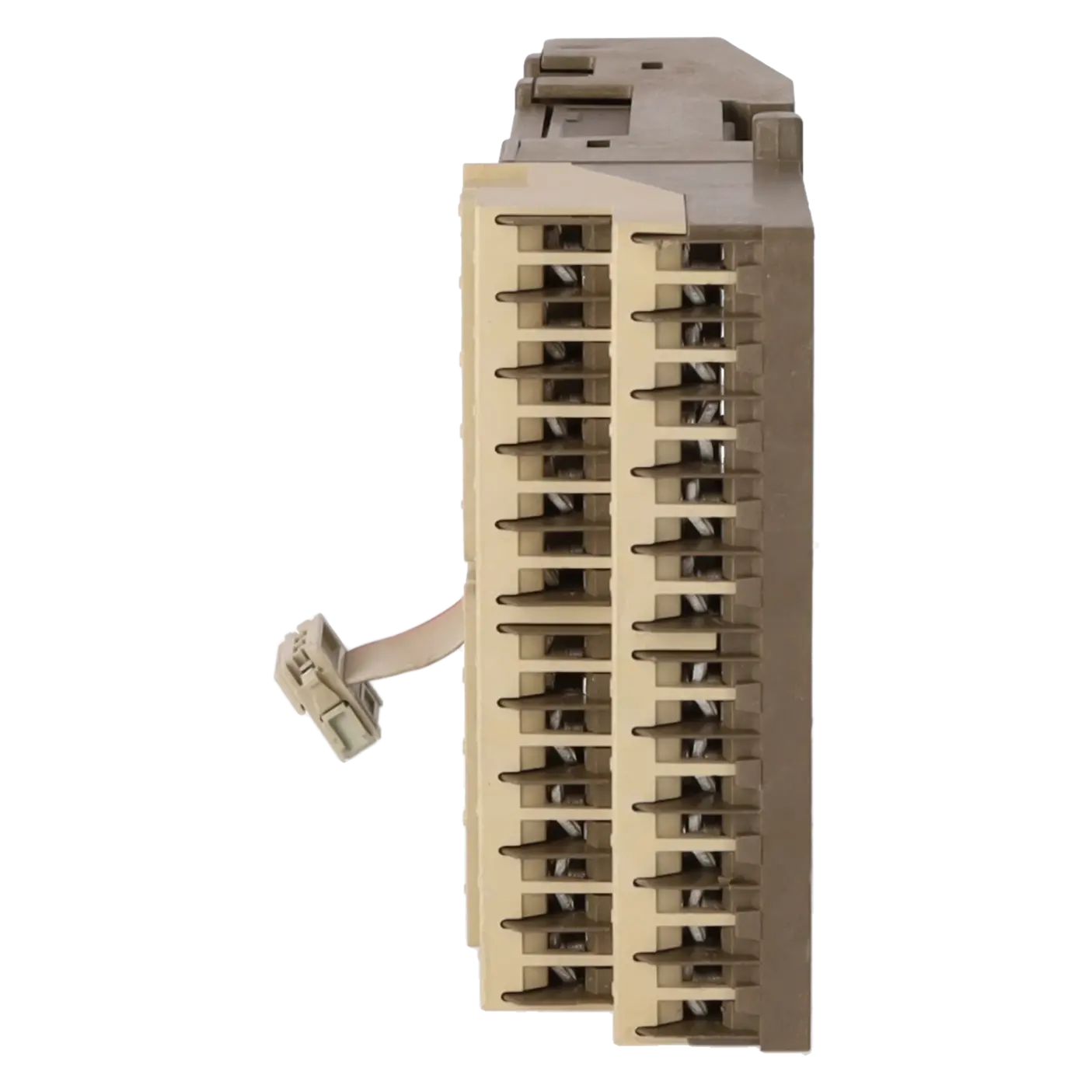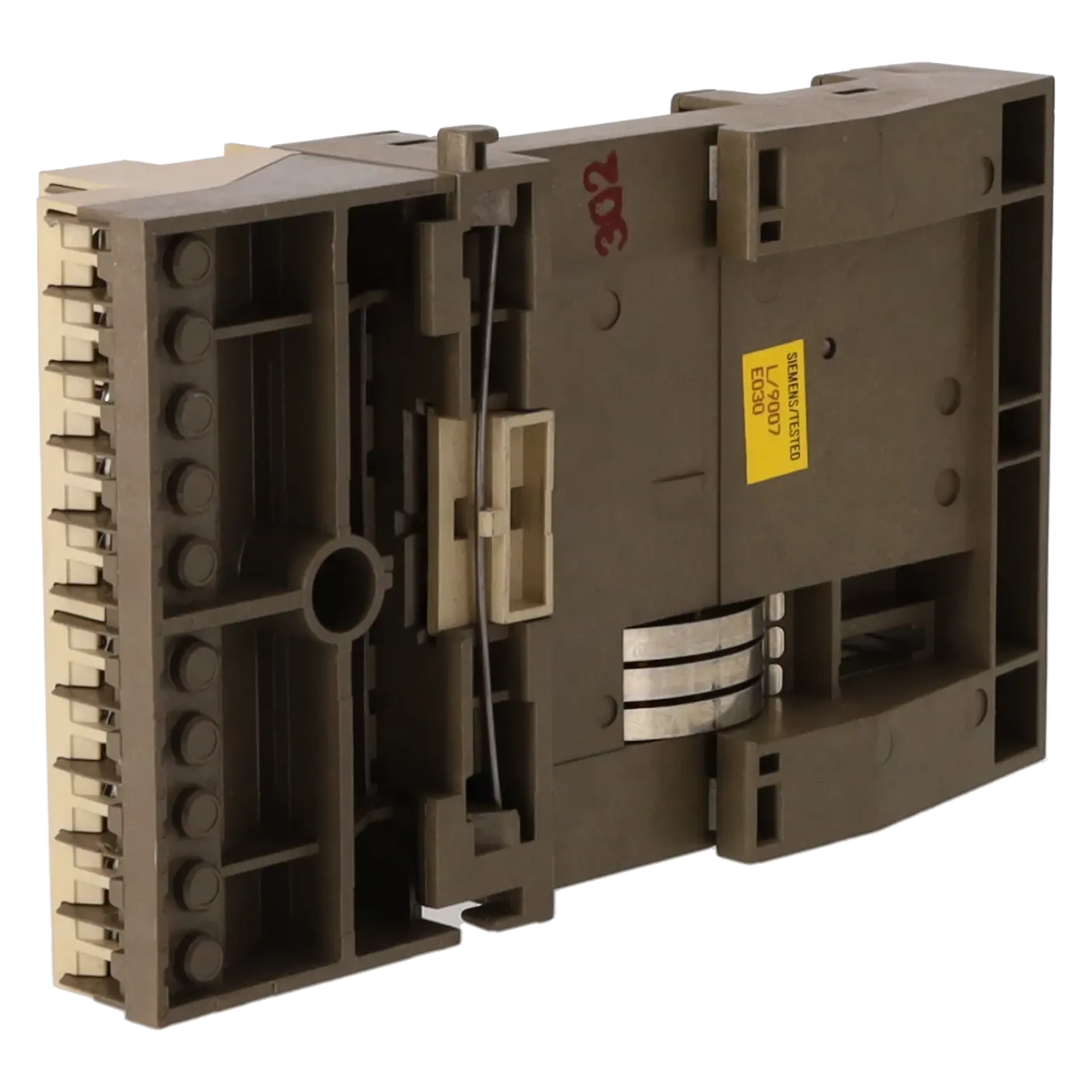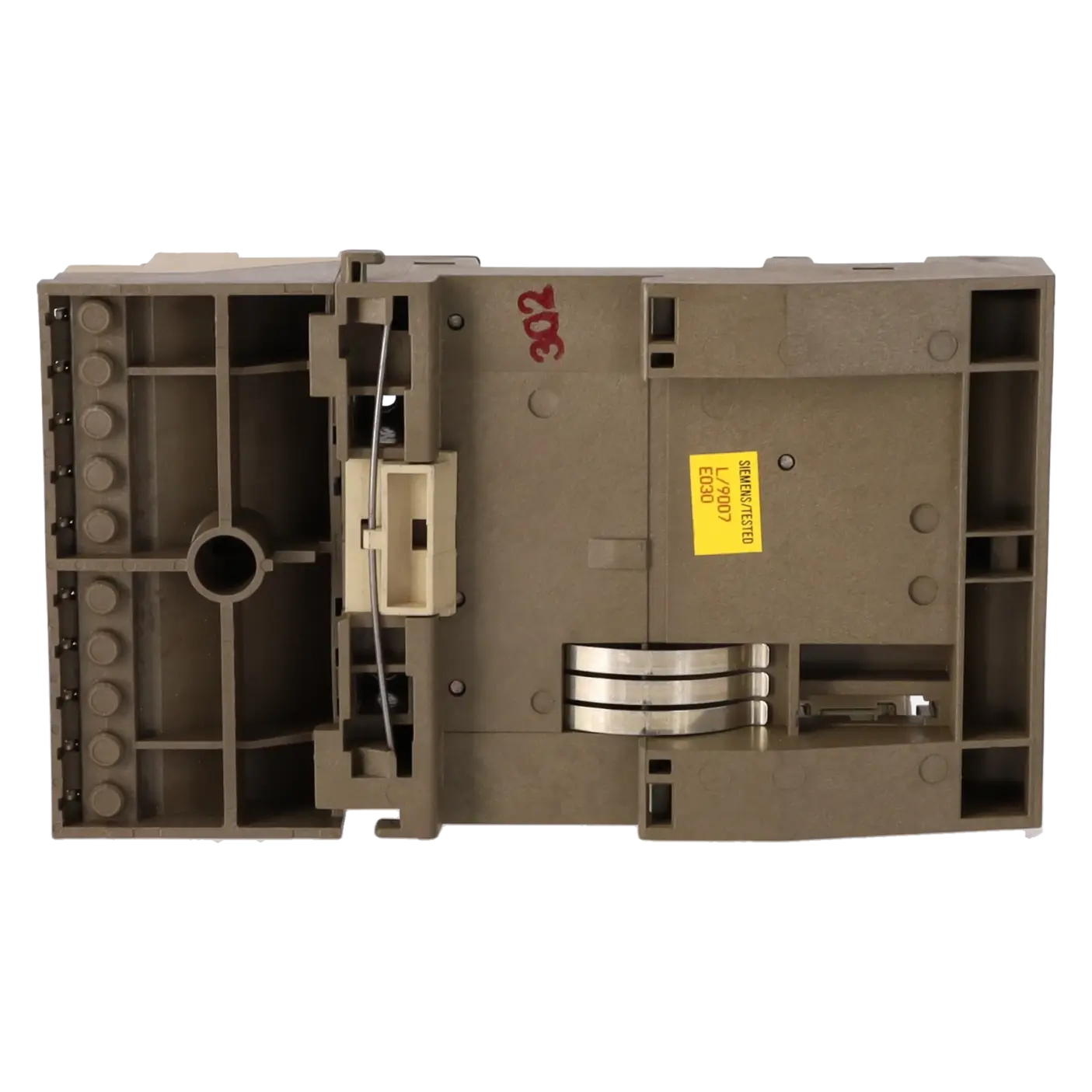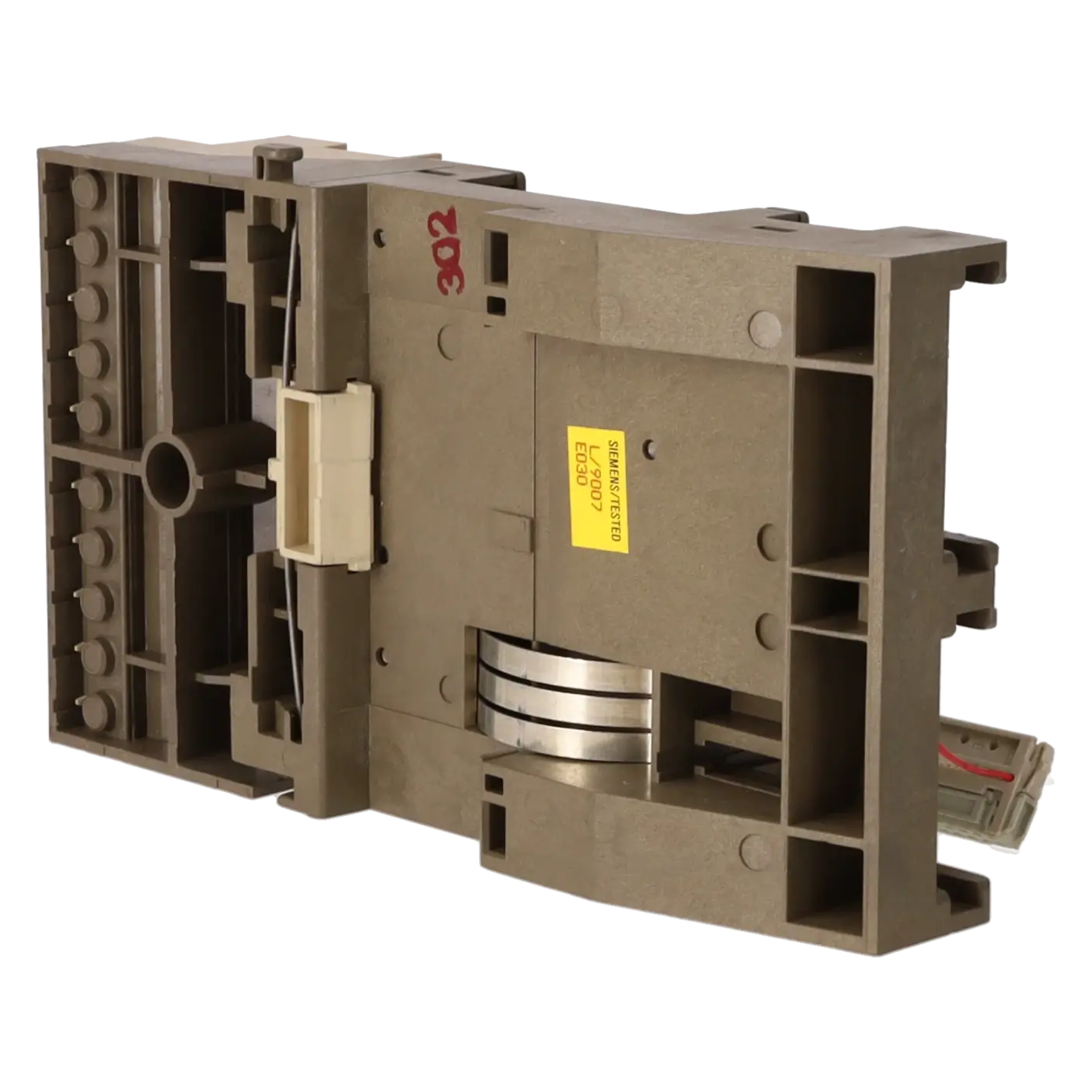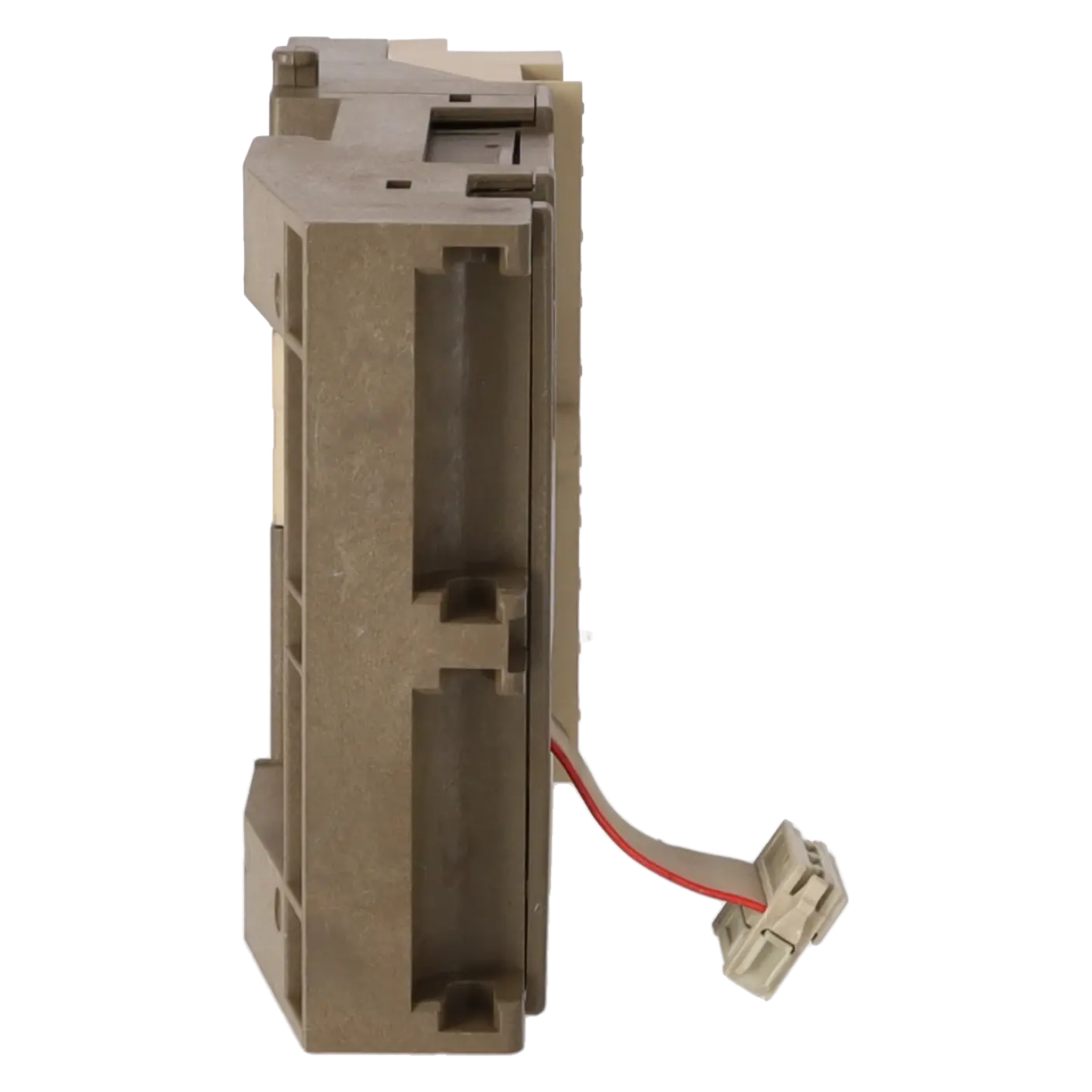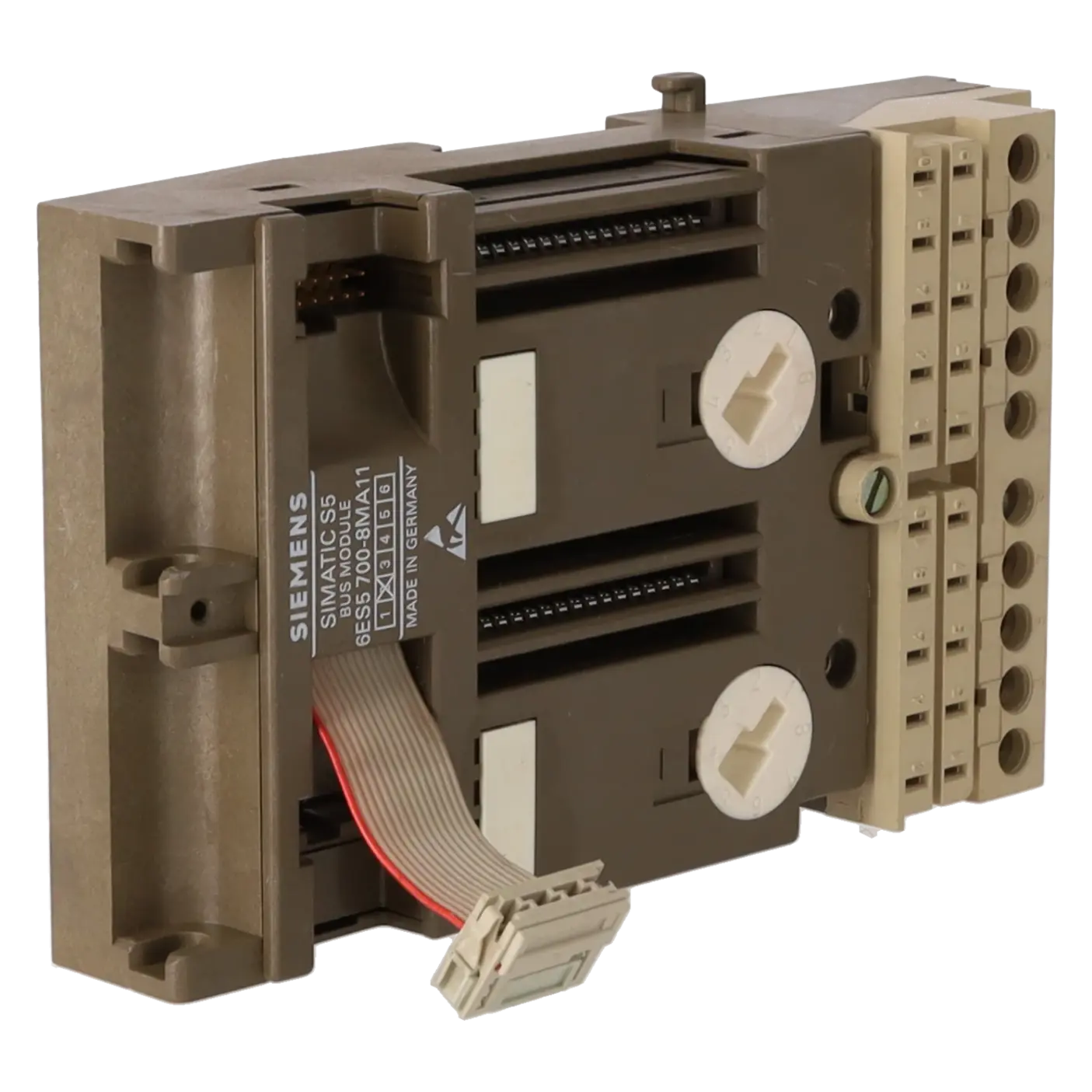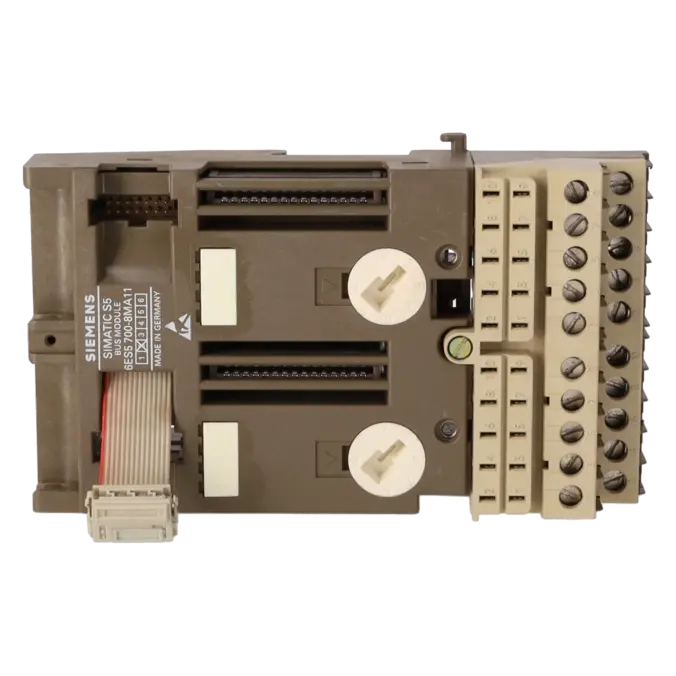
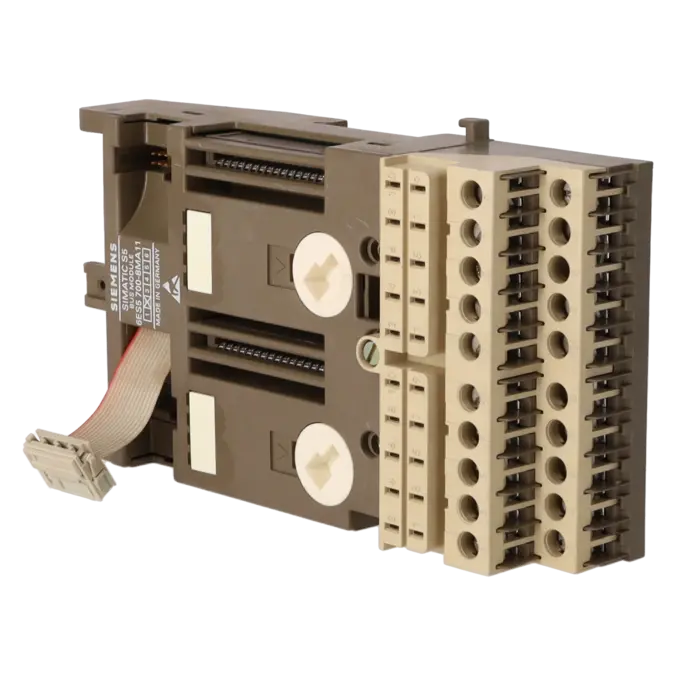
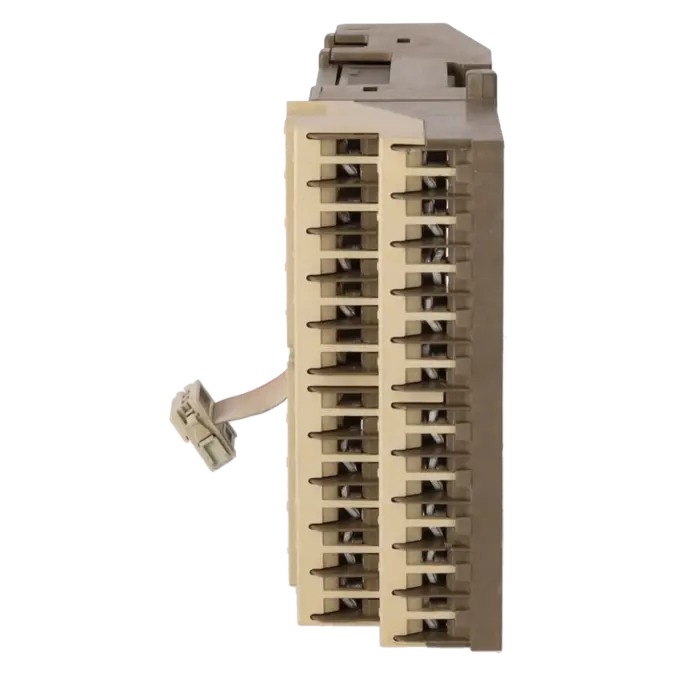
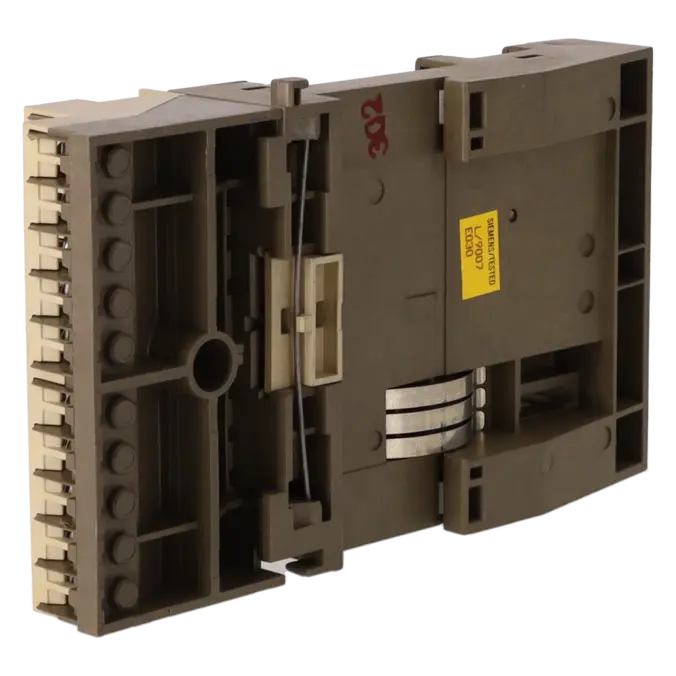
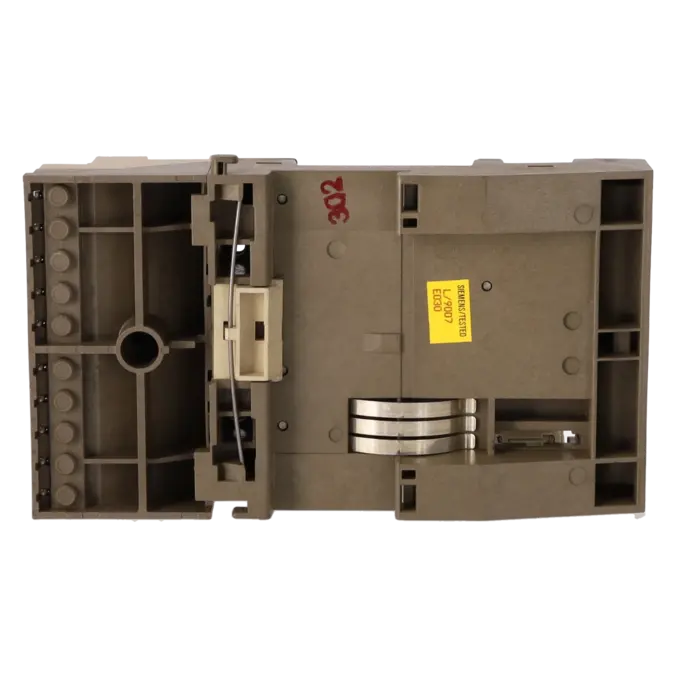
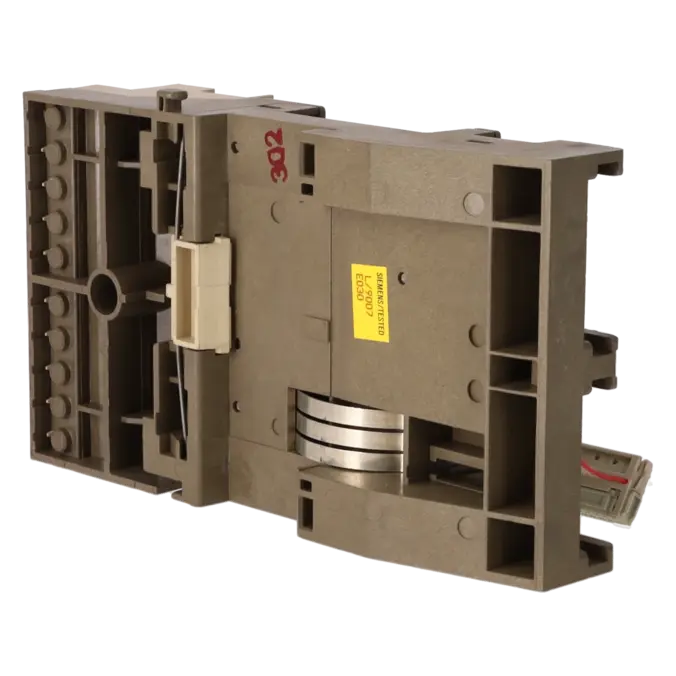
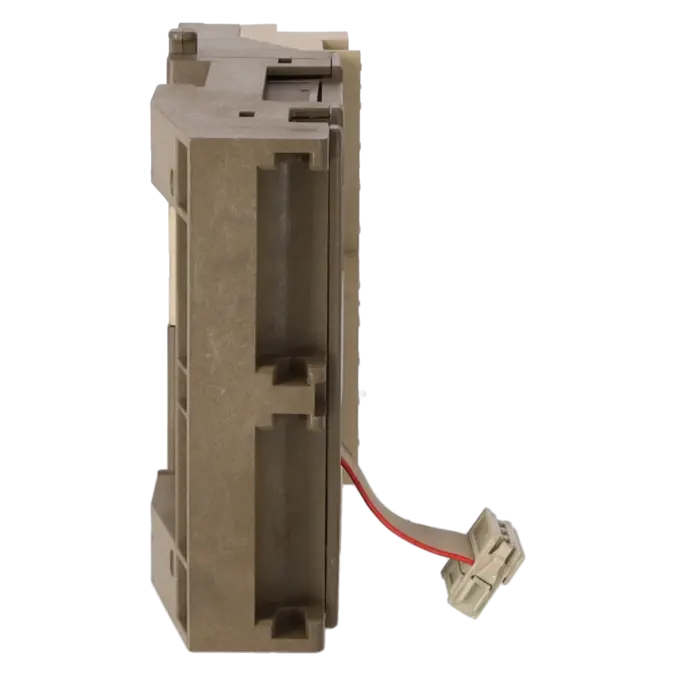
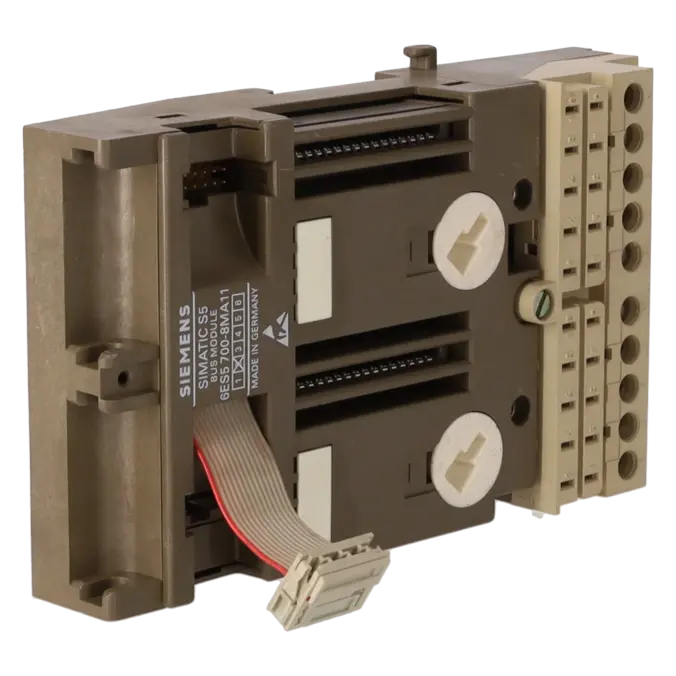
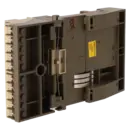
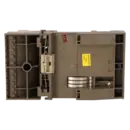
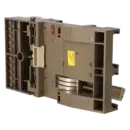
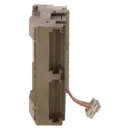
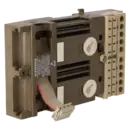
SIEMENS 6ES5700-8MA11
- EICHLER-art.no.: K0117645
- EAN: 4025515054863
Product description
SIMATIC S5, BUS MODULE FOR S5-100U/ET 100U/ET 200U W. TERMINAL BLOCK F SCREW TERMINAL
Services for SIEMENS 6ES5700-8MA11
SIEMENS |
6ES5700-8MA11 –
additional product information
| Delivery information | |||
|---|---|---|---|
| Export identifier | AL: ECCN: | ||
| Net weight | 0.239 | ||
| Quantity | 1 Stück | ||
| Packaging quantity | 1 | ||
| Additional product information | |||
|---|---|---|---|
| Product status | EOP: 2004-10-01 | ||
| EAN | 4025515054863 | ||
| UPC | / | ||
| Static lot number | 85389091 | ||
| List indicator | / | ||
| Product group | 4234 | ||
| Country of origin | DE | ||
| Compliance with the substance restrictions according to RoHS directive | Since: / | ||
| Product classifications | Version | Classification | |
|---|---|---|---|
| eClass | 4 | / | |
| eClass | 5.1 | / | |
| eClass | 6.0 | / | |
| ETIM | 3 | / | |
| ETIM | 4 | / | |
| ETIM | 5 | / | |
What is 6ES5700-8MA11 and where is it used?
6ES5700-8MA11 is a SIEMENS SIMATIC S5 bus module designed for S5-100U, ET 100U and ET 200U systems. It is not an active input/output module, but rather the mechanical and electrical base onto which two peripheral modules can be mounted. The bus module provides the signal connection between the CPU or interface module and the plug-in I/O modules, includes a terminal block for field wiring, and is mounted on a standard 35 mm DIN rail.
It is primarily used in existing SIMATIC S5 installations where existing I/O structures need to be maintained, expanded or repaired. This is particularly important for operators who need to support modifications, spare-parts procurement or rapid recommissioning of older machines and systems.
Overview of the key technical data and what it means
From a technical perspective, the most important feature is that the bus module uses SIGUT screw-terminal technology and can accommodate two plug-in modules. In ET 200U configurations, up to 16 bus modules per automation system can be used.
Communication between multiple bus modules is achieved via a flat ribbon cable. This is particularly relevant during troubleshooting, as connection faults often occur at these interconnections. Each slot provides 10 terminals for field wiring. Permissible conductor cross-sections are 0.5 to 1.5 mm² for flexible conductors and 0.5 to 2.5 mm² for solid conductors.
With dimensions of 91.5 × 162 × 39 mm, the module remains compact and fits typical S5 and ET 200U installations. Its very low power consumption underlines its role as a carrier and connection unit rather than an active processing module.
Product status, life-cycle status and obsolescence
For procurement and lifecycle management, one point is particularly important: the EICHLER product page lists the module with an EOP (End of Production) date of 01 October 2004.
Siemens also categorises this article number as a discontinued product. Within the Siemens product portal, the module is described as having been discontinued without a replacement product. Siemens-related product information additionally lists the status as PM500: Discontinued Product or End of PLM & Support.
For operators, this means that 6ES5700-8MA11 is obsolete, and there is no verified official Siemens successor that can be generally recommended. In practice, reliable supply therefore depends on tested stock, exchange solutions and specialised repair services.
Available EICHLER services and when they are relevant
For companies operating S5-based systems, four service options are particularly relevant for 6ES5700-8MA11: repair, exchange, refurbished and new on request.
According to EICHLER, repairs include technical cleaning, preventive maintenance, comprehensive functional testing and a minimum 24-month warranty. Exchange services are particularly valuable when unexpected downtime occurs and the machine must be returned to operation quickly while maintaining the existing installation layout.
Tested refurbished modules are often the most practical solution when obsolescence prevents normal procurement channels. New units on request can be relevant for purchasing departments that need to evaluate availability, pricing and spare-parts stocking strategies.
For operators of older S5 systems, these service options help ensure continued functionality despite product discontinuation and support both technical and organisational lifecycle management.
| Fault description | Possible solution |
|---|---|
| Why does my S5-100U go into STOP with a PEU fault as soon as a 6ES5700-8MA11 or an expansion module is connected? | The PEU message on an S5-100U indicates Peripheral Unclear. First check whether at least one bus module is connected correctly. Then inspect the first bus module, the peripheral bus connection, the termination or expansion configuration, and any incorrectly positioned or unsupported modules. With CPU 100, CPU 102 and CPU 103, even a missing or faulty peripheral bus connection can cause the CPU to enter STOP. |
| Why does the last I/O module remain inactive even though the module itself works in another slot? | In this situation, the cause is often not the I/O module itself but the bus module, the 24 V module supply, or the bus connection between the sockets. Check the supply voltage at the terminals of the affected slot, then swap the bus module and slot position with a known working location and observe whether the fault follows the module. If the problem remains at the same location, the socket, backplane bus or ribbon-cable connection becomes the primary suspect. |
| Why do only some inputs or outputs work on the right-hand slot even though the wiring is correct? | This is frequently caused by an incorrect interpretation of the slot-based addressing scheme rather than an actual hardware fault. With expansion modules, empty slots are included in the addressing structure, and the assignment of the upper and lower byte may differ from what is expected based on the onboard I/Os. Before replacing the bus module, systematically verify the slot number, byte assignment and program addresses. |
| Why does the CPU go into STOP when I install a 16-channel or 32-channel module on the 6ES5700-8MA11? | On the S5-100U, certain 16-channel and 32-channel modules are handled by the system as if they were analogue modules from an addressing perspective. These modules may only be installed in slots 0 to 7. If such a module is installed outside the permitted range or in the wrong position, a PEU fault and subsequent STOP condition may occur. Always check the module type, slot position and address range together. |
| Why do intermittent peripheral faults occur after moving or modifying the installation? | The bus modules are interconnected using flat ribbon cables. Even a slightly loose or mechanically stressed connector can disrupt communication between the CPU and the peripheral modules. Siemens specifically describes the interconnection via ribbon-cable connectors and has issued service information regarding connector-related issues and revised bus-module versions. If the fault occurs intermittently, inspect the connectors, locking mechanisms and the affected bus module carefully, or replace the suspected module temporarily for testing purposes. |
Is 6ES5700-8MA11 still available from the manufacturer?
Based on the currently available Siemens product information, 6ES5700-8MA11 is no longer available as a regular Siemens product. Siemens classifies the article number as discontinued, and the EICHLER product page additionally lists an EOP (End of Production) date of 01 October 2004.
For purchasing departments, this is a clear indication that supply is no longer supported through the normal manufacturer lifecycle. Availability therefore depends on existing stock, exchange units, refurbishment services and specialised aftermarket suppliers rather than standard Siemens procurement channels.
Is there an official Siemens successor to 6ES5700-8MA11?
No verified official Siemens successor is available for this article number. The Siemens product portal explicitly states that the product was discontinued without a replacement product.
For plant operators, this is an important distinction because modernisation planning should not be confused with a simple 1:1 replacement strategy. Continued operation of existing installations therefore requires a spare-parts and lifecycle strategy rather than a search for a direct successor article number.
What is the difference between 6ES5700-8MA11 and 6ES5700-8MA21?
The most significant difference is the connection technology.
- 6ES5700-8MA11 uses SIGUT screw terminals.
- 6ES5700-8MA21 uses crimp snap-in terminals.
Both versions provide two module slots and are interconnected with additional bus modules via flat ribbon cables.
For maintenance and purchasing teams, this distinction is important because it directly affects wiring methods, retrofit effort, spare-parts stocking and compatibility with the existing control cabinet installation.
Which modules can be operated on a 6ES5700-8MA11?
The bus module is designed as a carrier for two plug-in modules and belongs to the S5-100U, ET 100U and ET 200U peripheral environment.
Siemens documentation for these systems includes support for:
- Digital input and output modules
- Analogue input and output modules
- Ex modules
- Function modules
- Intelligent I/O modules
- Diagnostic modules
- Simulation modules
However, compatibility always depends on the specific combination of CPU type, slot position and module type, as certain modules are only permitted within defined slot ranges.
In practice, compatibility is determined not only by mechanical fit but also by addressing requirements and system expansion limits.
Can 6ES5700-8MA11 only be used in ET 200U systems?
No. The product description explicitly identifies S5-100U, ET 100U and ET 200U as supported environments.
In addition, Siemens documentation explains that S5-95U systems can be expanded using modules from the S5-100U range, with bus modules serving as the basis for external I/O expansion.
For procurement purposes, this is useful because the same article number frequently appears in several different legacy automation architectures and is therefore relevant beyond the ET 200U environment alone.
Is repair, exchange or purchasing a refurbished unit the best option?
The best option depends mainly on downtime requirements, spare-parts strategy and the condition of the existing module.
Because the product is obsolete and has no official successor, exchange units and tested refurbished modules are often the fastest way to restore operation.
A repair is particularly attractive when the existing module fits the machine perfectly from both a mechanical and system perspective and the current configuration should remain unchanged.
For this article number, EICHLER offers exactly these options:
- Repair
- Exchange
- Refurbished
- New on request
For long-term operation of legacy S5 systems, the most effective strategy is often a combination of repair capability, available exchange stock and planned spare-parts inventory management rather than relying on ad-hoc procurement after a failure occurs.