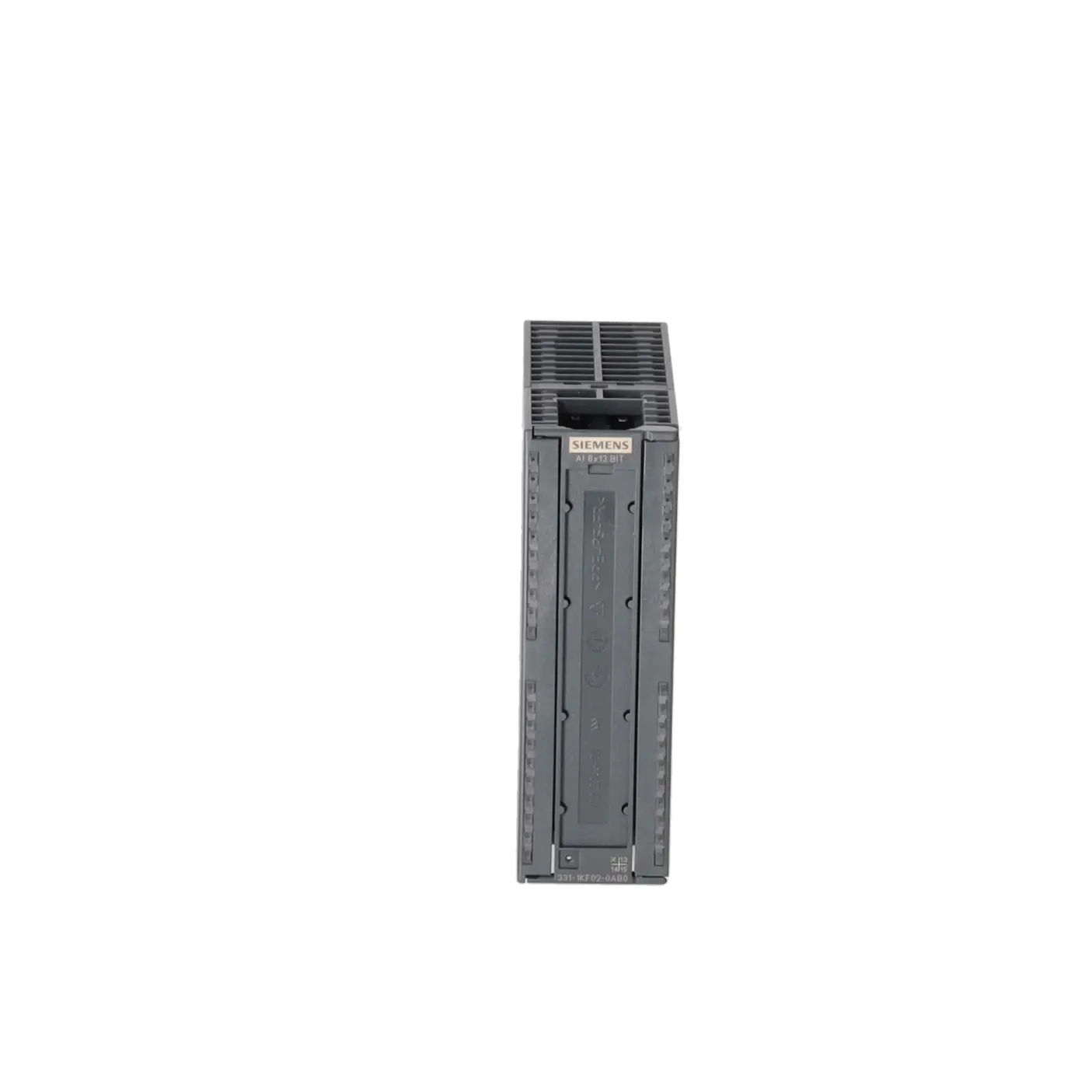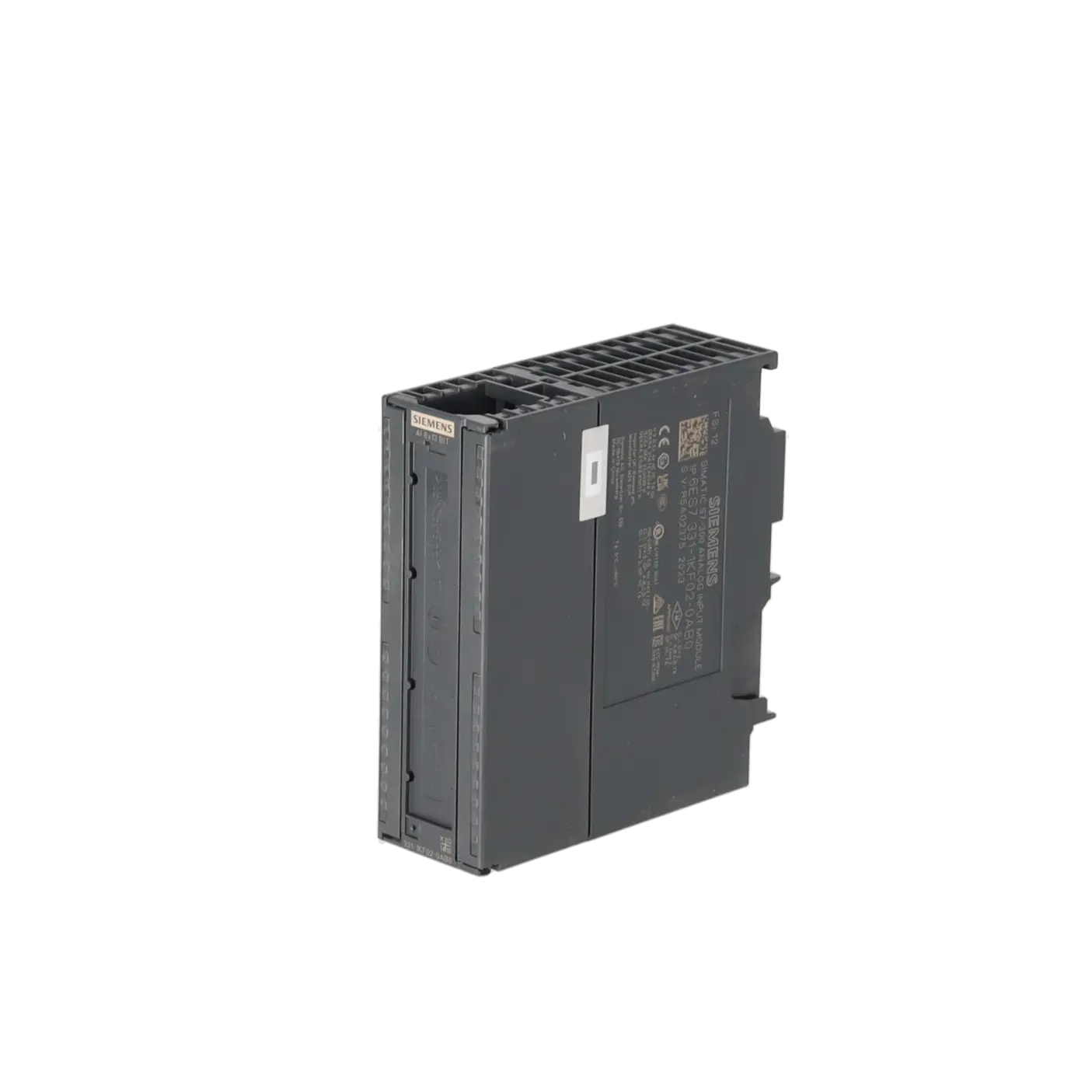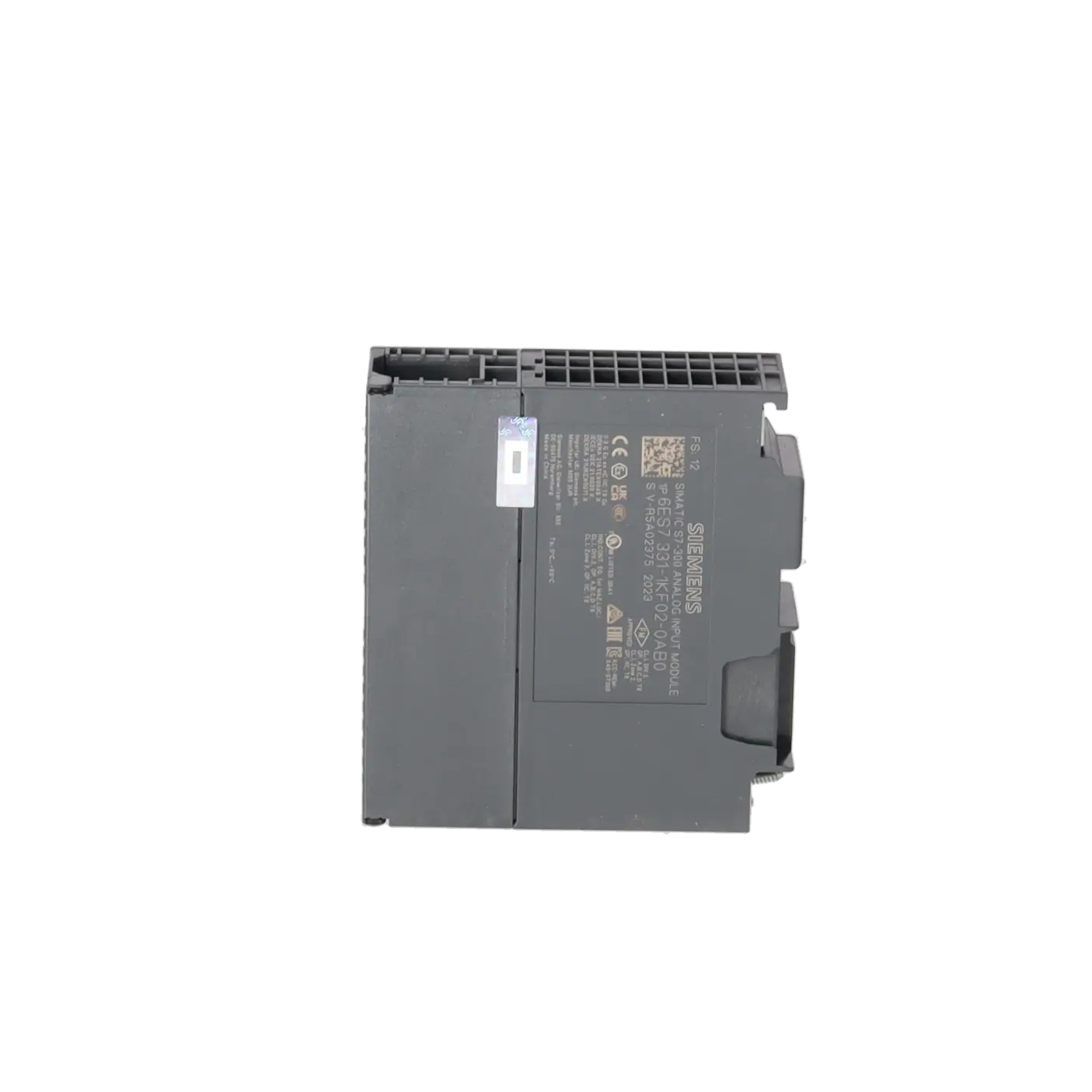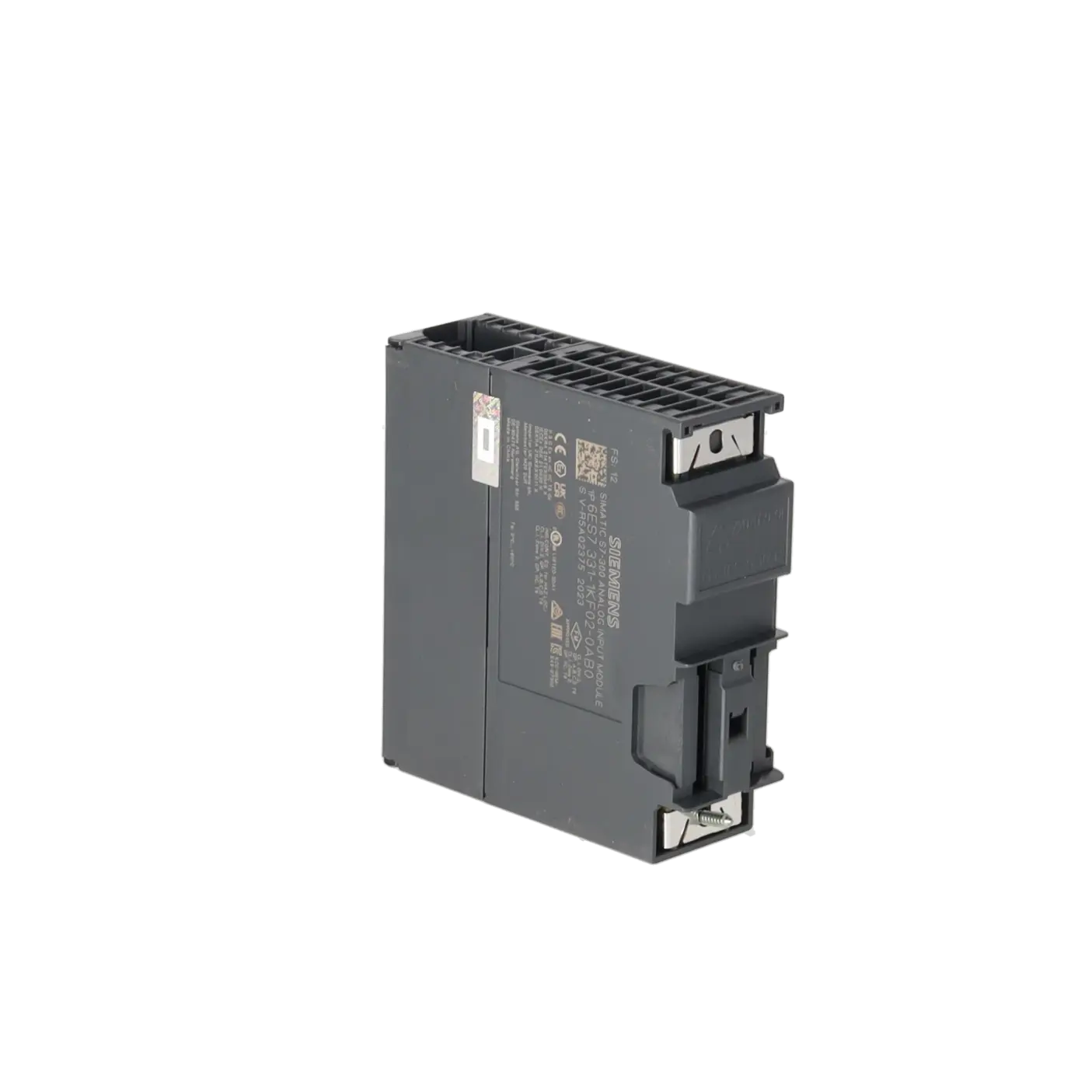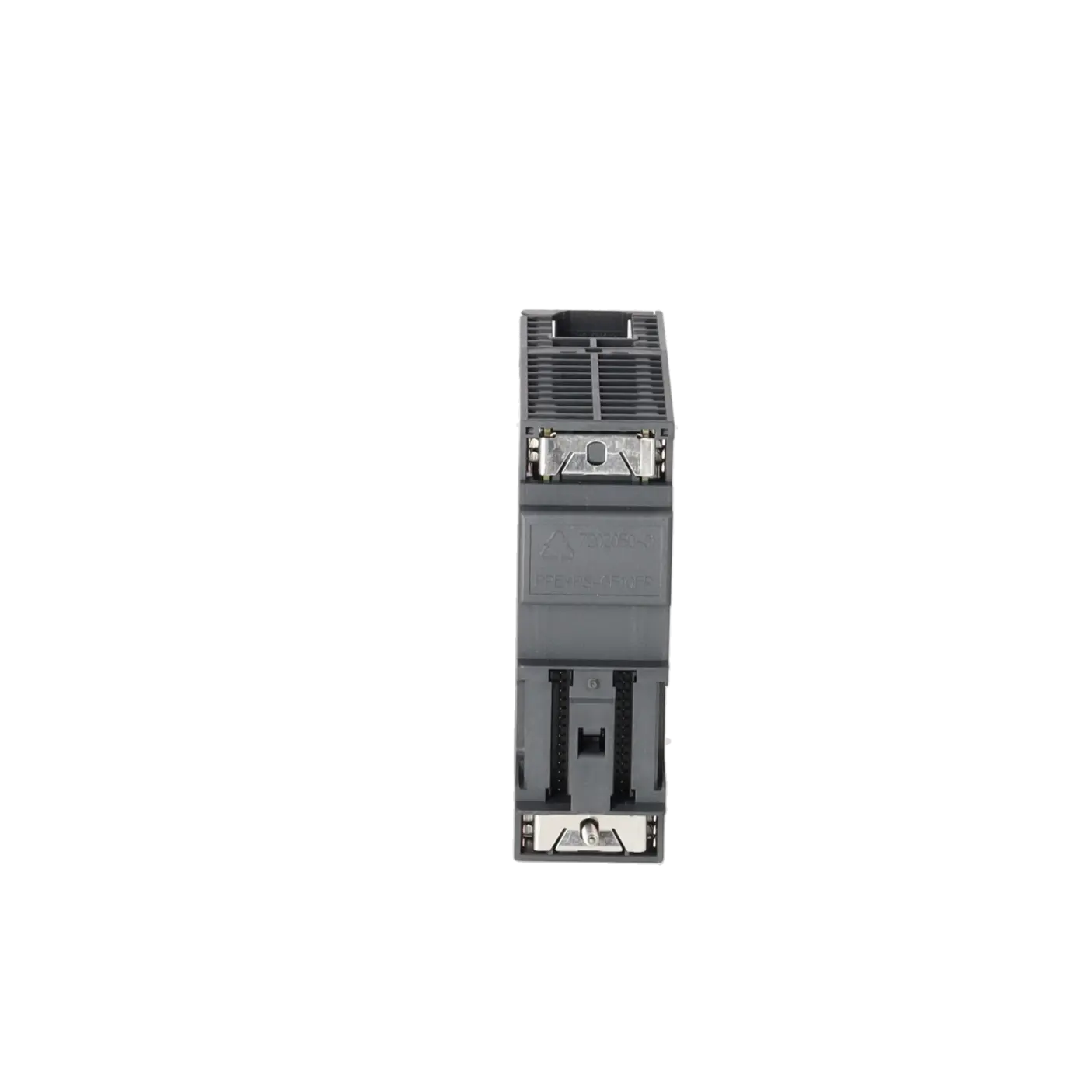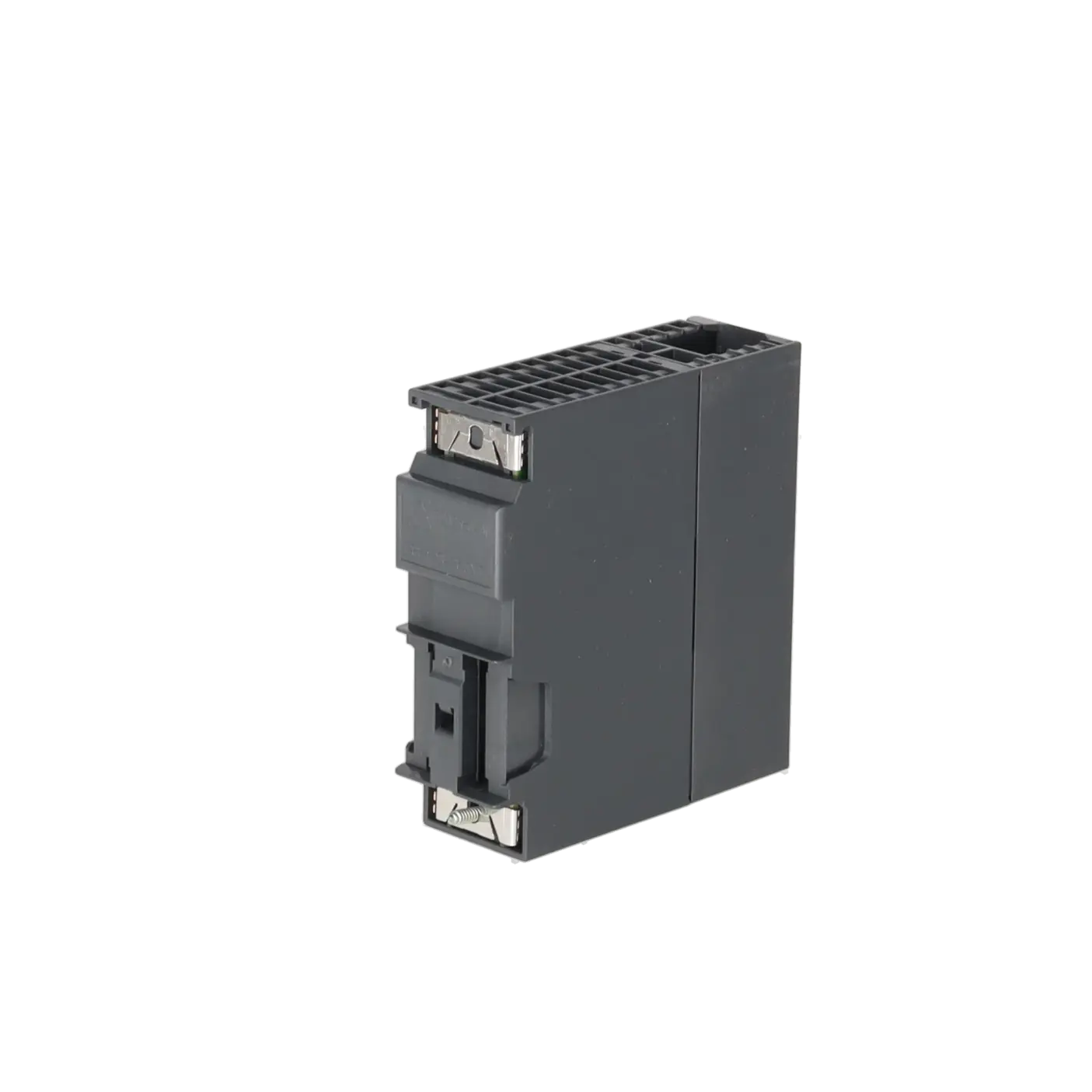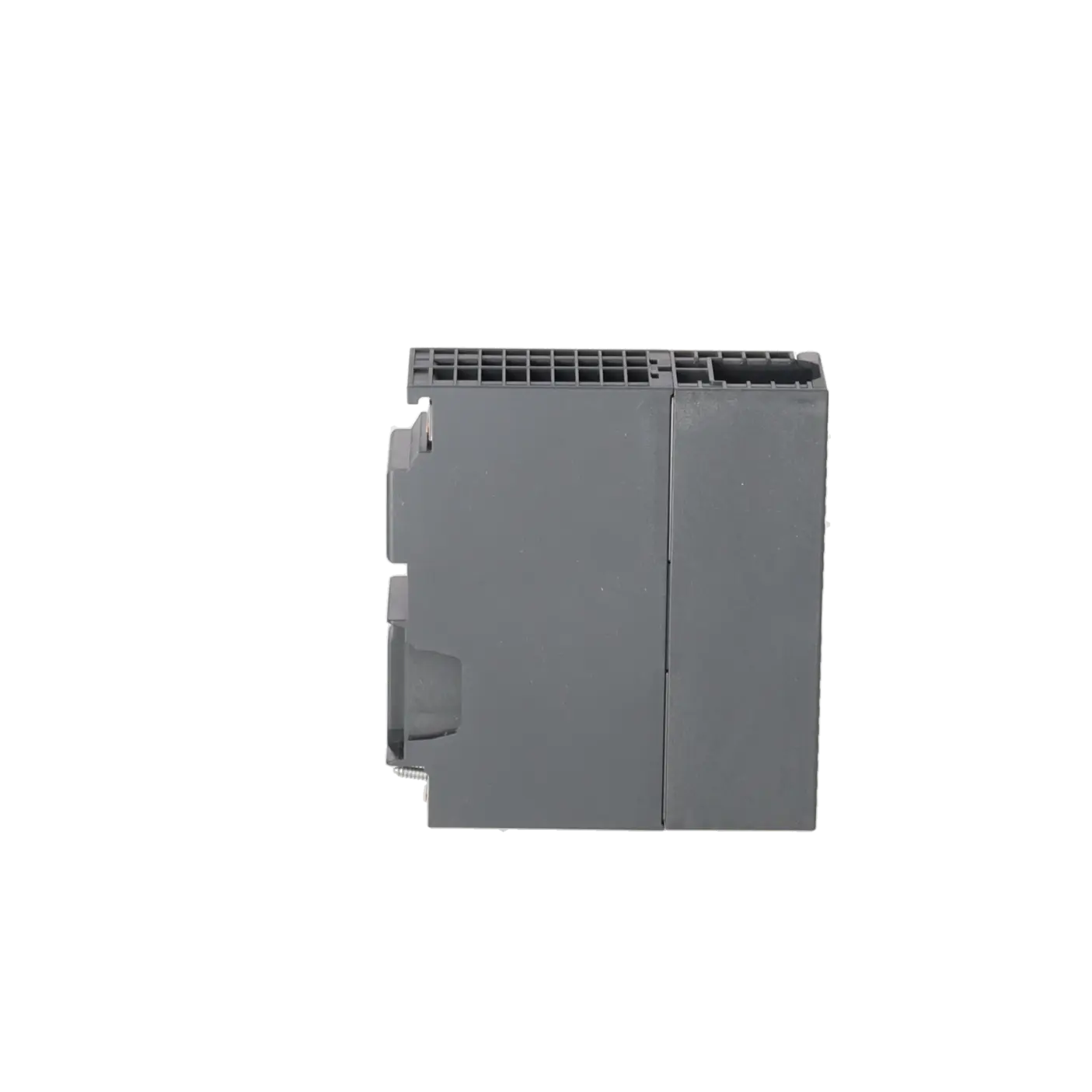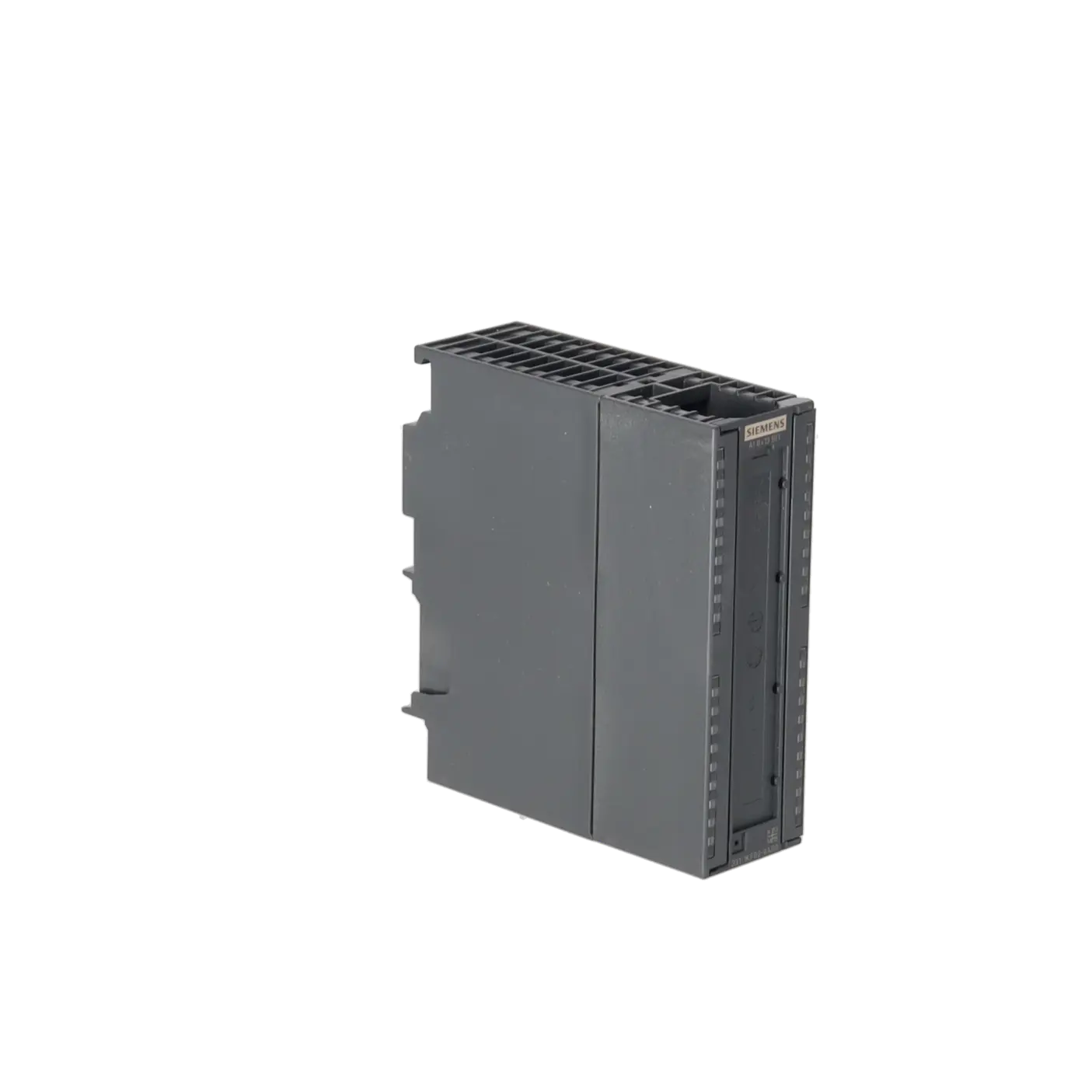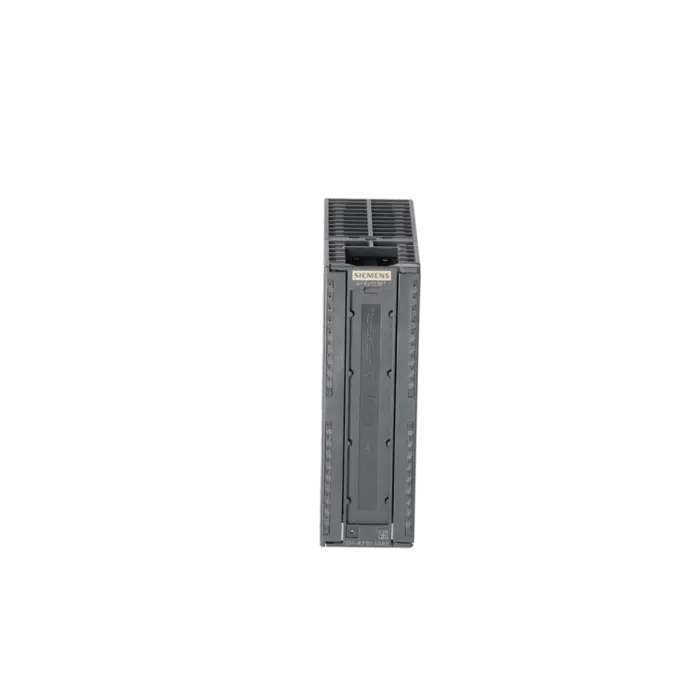
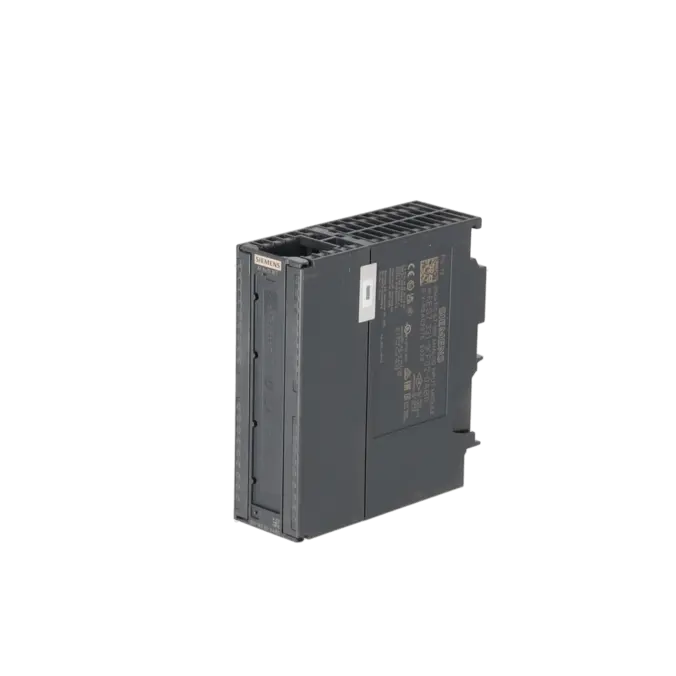
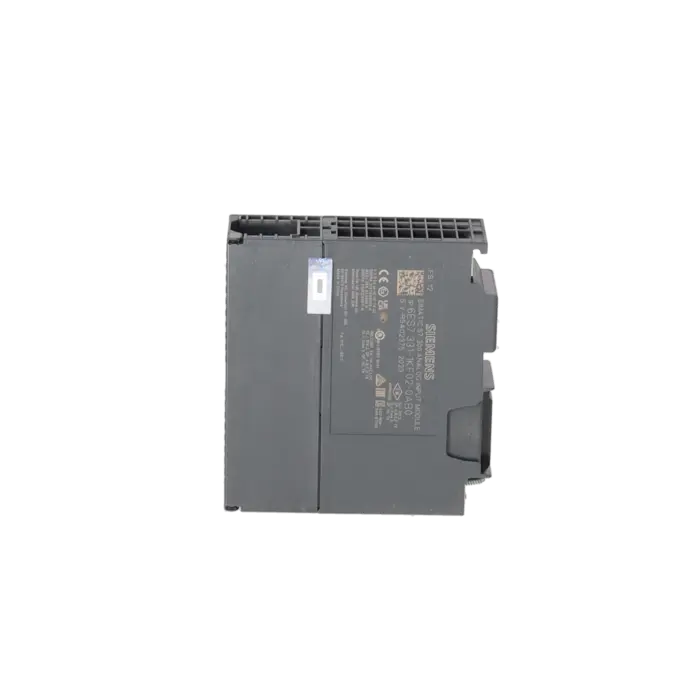
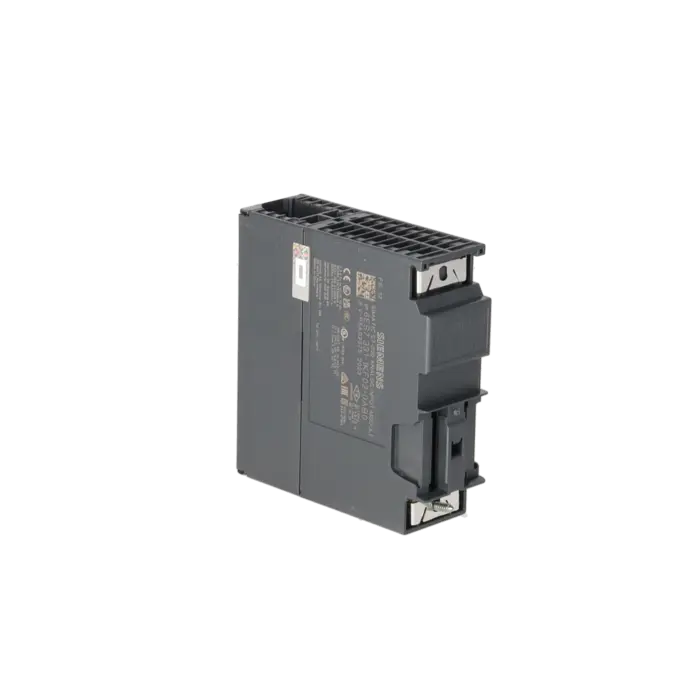
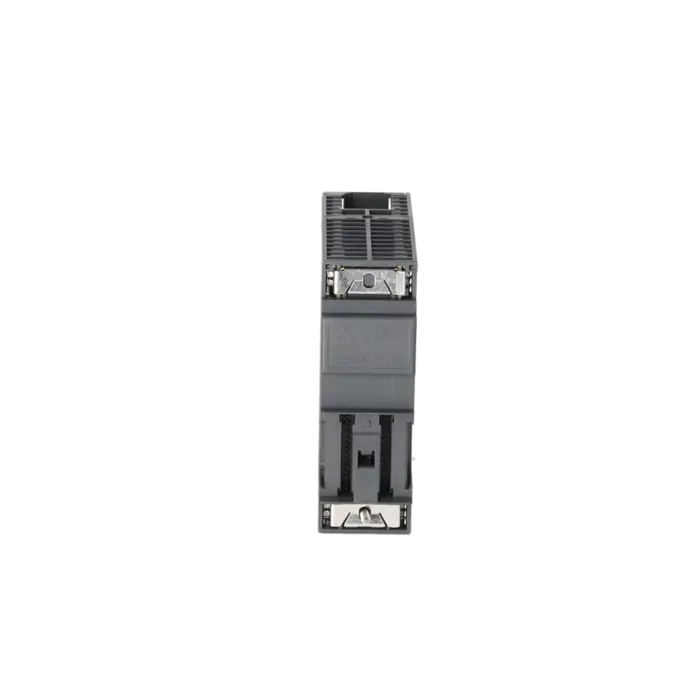
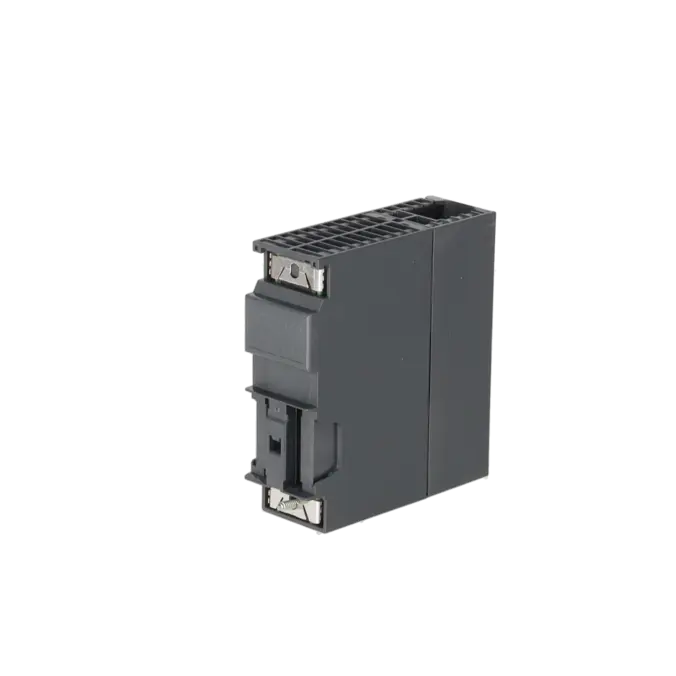
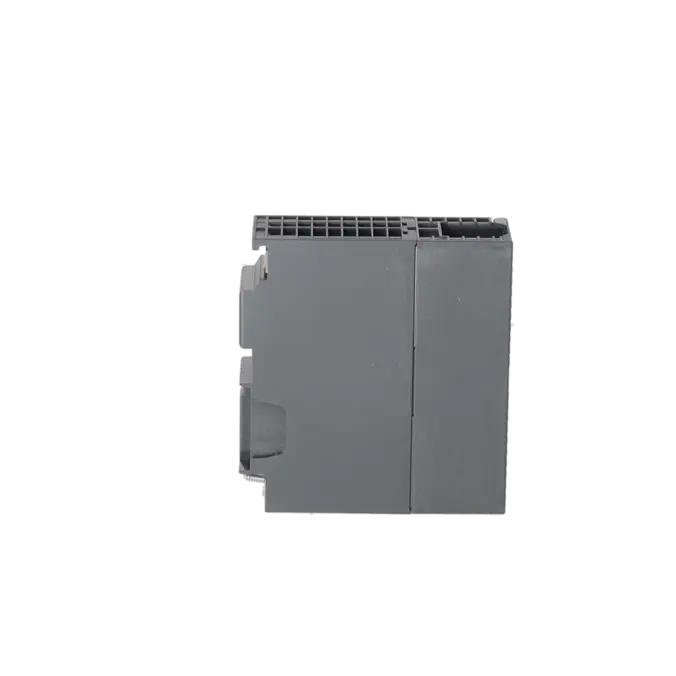
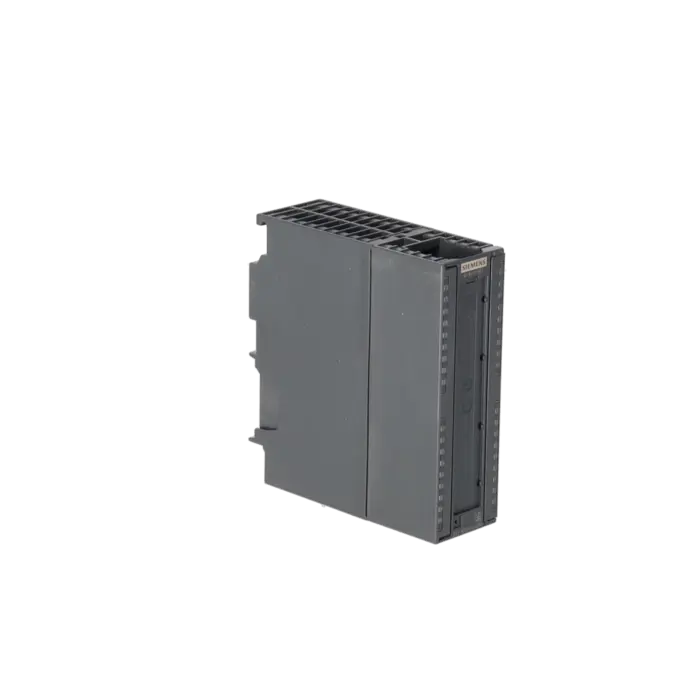
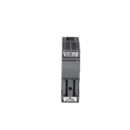
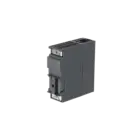
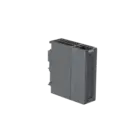
SIEMENS 6ES7331-1KF02-0AB0
- EICHLER-art.no.: K0138518
- EAN: 4025515078425
- UPC: 662643523676
Product description
SIMATIC S7-300, analog input SM 331, isolated 8 AI, resolution 13 bit U/I/resistance/Pt100, NI100, NI1000, LG-NI1000, PTC/KTY, 66 ms conversion time; 1x 40-pole
Services for SIEMENS 6ES7331-1KF02-0AB0
SIEMENS |
6ES7331-1KF02-0AB0 –
additional product information
| Delivery information | |||
|---|---|---|---|
| Export identifier | AL: N ECCN: EAR99H | ||
| Net weight | 0.296 | ||
| Quantity | 1 Stück | ||
| Packaging quantity | 1 | ||
| Additional product information | |||
|---|---|---|---|
| Product status | EOP: 2025-10-01 | ||
| EAN | 4025515078425 | ||
| UPC | 662643523676 | ||
| Static lot number | 85389091 | ||
| List indicator | ST73 | ||
| Product group | 4561 | ||
| Country of origin | DE | ||
| Compliance with the substance restrictions according to RoHS directive | Since: 20100104 | ||
| Product classifications | Version | Classification | |
|---|---|---|---|
| eClass | 4 | 27-24-03-05 | |
| eClass | 5.1 | 27-24-22-01 | |
| eClass | 6.0 | 27-24-22-01 | |
| ETIM | 3 | / | |
| ETIM | 4 | EC001420 | |
| ETIM | 5 | EC001420 | |
What is 6ES7331-1KF02-0AB0 and where is it used?
The 6ES7331-1KF02-0AB0 is a SIMATIC S7-300 SM 331 analogue input module from Siemens with 8 analogue inputs. It is designed for systems where analogue process values from field sensors must be reliably transferred to the PLC, such as in mechanical engineering, conveyor systems, water treatment, process plants, furnace technology, and test equipment. The module can process voltage, current, resistance, and resistance temperature detectors (RTDs) such as Pt100, Ni100, Ni1000, and LG-Ni1000; however, it does not support thermocouples. For maintenance personnel, it becomes relevant when analogue measuring points fail or provide incorrect values. For purchasing departments, it is a typical spare part when an existing S7-300 or ET 200M installation must be kept operational quickly and without extensive modifications.
Overview of the key technical specifications and what they mean
Technically, the module provides 8 analogue inputs, 13-bit resolution with sign, a basic conversion time of 66/55 ms, and a 40-pin front connector. Supported voltage ranges include 0…10 V, 1…5 V, ±1 V, ±5 V, ±10 V, ±50 mV, and ±500 mV, while supported current ranges include 0…20 mA, 4…20 mA, and ±20 mA. For resistance and RTD measurements, 2-wire, 3-wire, and 4-wire connections are supported. An important practical consideration is that the module is isolated between the backplane bus and the inputs, but the channels are not individually isolated from one another. In addition, the module has no diagnostic functions, no diagnostic alarms, and no SF LED. This means that correct parameterisation and proper wiring are even more important than with modules that provide advanced self-diagnostics.
Product status, life-cycle status, and obsolescence
Siemens lists the 6ES7331-1KF02-0AB0 in its current product information as a spare part with the life-cycle status Product Cancellation. The EICHLER product page additionally specifies EOP: 2025-10-01. For operators, this clearly places the module within the areas of obsolescence management, strategic spare-parts stocking, and service-supported maintenance. Siemens does not identify a direct plug-compatible successor in the reviewed sources. For modernisation projects, however, Siemens provides migration paths to ET 200SP HA solutions, depending on the measurement task, for example 6DL1134-6AF00-0PH1 for voltage measurement or 6DL1134-6JH00-0PH1 for RTD applications, together with suitable I/O adapters. These are migration solutions rather than 1:1 drop-in replacements.
Available EICHLER services and when they are relevant in practice
For maintenance, purchasing, and production departments, the services offered by EICHLER are particularly valuable when downtime costs exceed component costs or when a legacy system must continue operating without re-engineering. Currently, repair, exchange, used, and new units are available. Repair is specified with a turnaround time of 2–5 days and includes technical cleaning, preventive maintenance, comprehensive functional testing, and a minimum 24-month warranty. Exchange, used, and new units are each listed with 1–3 day availability. In addition, an optional test report for analogue inputs and outputs is available. For operators of ageing S7-300 systems, these services are especially valuable because they help ensure functionality, availability, and supply security despite increasing obsolescence.
| Attribute | Value |
|---|---|
| General information | |
| Product function | |
| ● Isochronous mode | No |
| Input current | |
| from backplane bus 5 V DC, max. | 90 mA |
| Power loss | |
| Power loss, typ. | 0.4 W |
| Analog inputs | |
| Number of analog inputs | 8 |
| ● For resistance measurement | 8 |
| permissible input voltage for voltage input (destruction limit), max. | 30 V; 12 V continuous, 30 V for max. 1 s |
| permissible input current for current input (destruction limit), max. | 40 mA |
| Input ranges | |
| ● Voltage | Yes |
| ● Current | Yes |
| ● Thermocouple | No |
| ● Resistance thermometer | Yes |
| ● Resistance | Yes |
| Input ranges (rated values), voltages | |
| ● 0 to +10 V | Yes |
| — Input resistance (0 to 10 V) | 100 kΩ |
| ● 1 V to 5 V | Yes |
| — Input resistance (1 V to 5 V) | 100 kΩ |
| ● 1 V to 10 V | No |
| ● -1 V to +1 V | Yes |
| — Input resistance (-1 V to +1 V) | 100 kΩ |
| ● -10 V to +10 V | Yes |
| — Input resistance (-10 V to +10 V) | 100 kΩ |
| ● -2.5 V to +2.5 V | No |
| ● -250 mV to +250 mV | No |
| ● -5 V to +5 V | Yes |
| — Input resistance (-5 V to +5 V) | 100 kΩ |
| ● -50 mV to +50 mV | Yes |
| — Input resistance (-50 mV to +50 mV) | 100 kΩ |
| ● -500 mV to +500 mV | Yes |
| — Input resistance (-500 mV to +500 mV) | 100 kΩ |
| ● -80 mV to +80 mV | No |
| Input ranges (rated values), currents | |
| ● 0 to 20 mA | Yes |
| — Input resistance (0 to 20 mA) | 100 Ω |
| ● -10 mA to +10 mA | No |
| ● -20 mA to +20 mA | Yes |
| — Input resistance (-20 mA to +20 mA) | 100 Ω |
| ● -3.2 mA to +3.2 mA | No |
| ● 4 mA to 20 mA | Yes |
| — Input resistance (4 mA to 20 mA) | 100 Ω |
| Input ranges (rated values), thermocouples | |
| ● Type B | No |
| ● Type C | No |
| ● Type E | No |
| ● Type J | No |
| ● Type K | No |
| ● Type L | No |
| ● Type N | No |
| ● Type R | No |
| ● Type S | No |
| ● Type T | No |
| ● Type U | No |
| ● Type TXK/TXK(L) to GOST | No |
| Input ranges (rated values), resistance thermometer | |
| ● Cu 10 | No |
| ● Ni 100 | Yes; Standard/climate |
| — Input resistance (Ni 100) | 100 MΩ |
| ● Ni 1000 | Yes |
| — Input resistance (Ni 1000) | 100 MΩ |
| ● LG-Ni 1000 | Yes; Standard/climate |
| — Input resistance (LG-Ni 1000) | 100 MΩ |
| ● Ni 120 | No |
| ● Ni 200 | No |
| ● Ni 500 | No |
| ● Pt 100 | Yes; Standard/climate |
| — Input resistance (Pt 100) | 100 MΩ |
| ● Pt 1000 | No |
| ● Pt 200 | No |
| ● Pt 500 | No |
| Input ranges (rated values), resistors | |
| ● 0 to 150 ohms | No |
| ● 0 to 300 ohms | No |
| ● 0 to 600 ohms | Yes |
| — Input resistance (0 to 600 ohms) | 100 MΩ |
| ● 0 to 6000 ohms | Yes |
| — Input resistance (0 to 6000 ohms) | 100 MΩ |
| Thermocouple (TC) | |
| Temperature compensation | |
| — parameterizable | No |
| — internal temperature compensation | No |
| — external temperature compensation with compensations socket | No |
| Characteristic linearization | |
| ● parameterizable | Yes |
| — for thermocouples | No |
| — for resistance thermometer | yes; Pt100 standard/air con.; Ni100 standard/air con.; Ni1000 standard/air con.; LG-Ni1000 standard/air con. |
| Cable length | |
| ● shielded, max. | 200 m; max. 50 m at 50 mV |
| Analog value generation for the inputs | |
| Integration and conversion time/resolution per channel | |
| ● Resolution with overrange (bit including sign), max. | 13 bit |
| ● Integration time, parameterizable | Yes; 60 / 50 ms |
| ● Basic conversion time (ms) | 66 / 55 ms |
| ● Interference voltage suppression for interference frequency f1 in Hz | 50 / 60 Hz |
| Encoder | |
| Connection of signal encoders | |
| ● for voltage measurement | Yes |
| ● for current measurement as 2-wire transducer | Yes; with external supply |
| ● for current measurement as 4-wire transducer | Yes |
| ● for resistance measurement with two-wire connection | Yes |
| ● for resistance measurement with three-wire connection | Yes |
| ● for resistance measurement with four-wire connection | Yes |
| Errors/accuracies | |
| Operational error limit in overall temperature range | |
| ● Voltage, relative to input range, (+/-) | 0.6 %; ±0.6 % (±5 V, 10 V, 1 to 5 V, 0 to 10 V); ±0.5 % (±50 mV, 500 mV, 1 V) |
| ● Current, relative to input range, (+/-) | 0.5 %; ±20 mA, 0 to 20 mA, 4 to 20 mA |
| ● Resistance, relative to input range, (+/-) | 0.5 %; 0 to 6 kohms, 0 to 600 kohms |
| ● Resistance thermometer, relative to input range, (+/-) | 1 Kelvin (Pt100, Ni100, climatic; Ni1000, LG-Ni1000, standard; Ni1000, LG-Ni1000, climatic); 1.2 Kelvin (Pt100, Ni100, standard) |
| Basic error limit (operational limit at 25 °C) | |
| ● Voltage, relative to input range, (+/-) | 0.4 %; 0.4% (±5 V, 10 V, 1 to 5 V, 0 to 10 V); 0.3% (±50 mV, 500 mV, 1 V) |
| ● Current, relative to input range, (+/-) | 0.3 %; ±20 mA, 0 to 20 mA, 4 to 20 mA |
| ● Resistance, relative to input range, (+/-) | 0.3 %; 0 to 6 kohms, 0 to 600 kohms |
| ● Resistance thermometer, relative to input range, (+/-) | 1 Kelvin (Pt100, Ni100, standard); 0.8 Kelvin (Pt100, Ni100, climatic; Ni1000, LG-Ni1000, standard; Ni1000, LG-Ni1000, climatic) |
| Interrupts/diagnostics/status information | |
| Diagnostics function | No |
| Alarms | |
| ● Diagnostic alarm | No |
| ● Limit value alarm | No |
| Diagnoses | |
| ● Diagnostic information readable | No |
| Diagnostics indication LED | |
| ● Group error SF (red) | No |
| Potential separation | |
| Potential separation analog inputs | |
| ● between the channels | No |
| ● between the channels and backplane bus | Yes |
| Isolation | |
| Isolation tested with | 500 V DC |
| Connection method | |
| required front connector | 40-pin |
| Dimensions | |
| Width | 40 mm |
| Height | 125 mm |
| Depth | 117 mm |
| Weights | |
| Weight, approx. | 250 g |
| Fault description | Possible solution |
|---|---|
| Why does the 6ES7331-1KF02-0AB0 only display 7FFF or 32767? | These values indicate an overflow in Siemens systems. First check whether the configured measuring range and signal type actually match the connected signal, whether the hardware configuration entry in the project is correct, and whether the coding and parameterisation correspond to the installed module. In 4…20 mA applications, the sensor power supply, return conductor, and the actual current loop should also be checked. |
| Why do I read -32768 or 8000 from a channel? | This value indicates an underflow. Typical causes include an open circuit, an implausible or unsupported measuring range, wiring faults at the front connector, or a problem with the sensor power supply. If several channels are affected at the same time, it is advisable to check the front connector, power supply, module seating, and the parameterisation of the entire module. |
| Why is my Pt100 value incorrect by a factor of 10 or 100? | With Siemens RTD measurements, the temperature is not scaled to 27648 like a standard analogue signal but is already encoded as a temperature value. A common source of error is confusing Pt100 Standard with Pt100 Climate. In the Standard range, the raw value typically represents 0.1 °C per count, whereas in the Climate range it represents 0.01 °C per count. Therefore, the measuring range and the evaluation logic in the PLC program must match exactly. |
| Why is the Pt100 temperature measurement 1 to 2 °C too low or too high? | Check the 2-wire, 3-wire, or 4-wire connection method, the assignment of the conductors, and the resistance of cables, terminals, ferrules, and connection points. Even small additional resistances can cause noticeable deviations in RTD measurements. A useful test is to connect the sensor directly to the front connector or move it to another channel in order to distinguish wiring faults from a module fault. |
Is the 6ES7331-1KF02-0AB0 still available or only as a spare part?
Siemens classifies the module as a spare part and lists its life-cycle status as Product Cancellation. From a procurement perspective, this means that the module is no longer considered a future-oriented product, but it can still remain available and relevant within service and spare-parts environments. The EICHLER product page currently offers repair, exchange, used, and new units. For operators of existing S7-300 installations, this is important because it helps ensure short-term system availability even though the platform has already reached an advanced stage of obsolescence.
What is the difference between 6ES7331-1KF01-0AB0 and 6ES7331-1KF02-0AB0?
Siemens describes the -1KF02-0AB0 as a version with enhanced functionality. Siemens also states that the older -1KF01-0AB0 can be replaced by the -1KF02-0AB0 without requiring any changes to the wiring or hardware configuration. For maintenance personnel, this is particularly valuable because failures in existing systems can often be resolved with minimal commissioning risk. For purchasing departments, it reduces the amount of verification required during spare-parts approval.
Which sensors and signal types are supported by the 6ES7331-1KF02-0AB0?
The module supports voltage, current, resistance, and resistance temperature detector (RTD) measurements. Siemens specifies support for 0…10 V, 1…5 V, ±1 V, ±5 V, ±10 V, 0…20 mA, 4…20 mA, ±20 mA, Pt100, Ni100, Ni1000, LG-Ni1000, PTC, and KTY sensors. Thermocouples are not supported by this module. Therefore, when thermocouple measurement is required, it is important to verify not only the part number but also the exact measurement task in order to avoid selecting the wrong module.
Is there a direct successor to the 6ES7331-1KF02-0AB0?
The reviewed manufacturer sources do not identify a direct 1:1 plug-compatible successor for the same installation environment. Instead, Siemens provides migration paths towards ET 200SP HA solutions. Depending on the application, different target modules are recommended, such as 6DL1134-6AF00-0PH1 for voltage measurement or 6DL1134-6JH00-0PH1 for RTD applications, together with suitable I/O adapters. For decision-makers, this means that a successor concept exists, but it should be regarded as a modernisation project rather than a simple component replacement.
When is repair more economical than exchange or purchasing a new unit?
Repair is often the best option when the existing system is intended to continue operating without modification, when the current parameterisation and wiring should remain unchanged, or when the risk of introducing errors during a system modification exceeds the repair costs. EICHLER specifies a repair turnaround time of 2–5 days and describes the service as including technical cleaning, preventive maintenance, comprehensive functional testing, and a minimum 24-month warranty. Exchange or new units are generally the better choice when downtime must be reduced to an absolute minimum and immediate availability is more important than returning the original module to service.