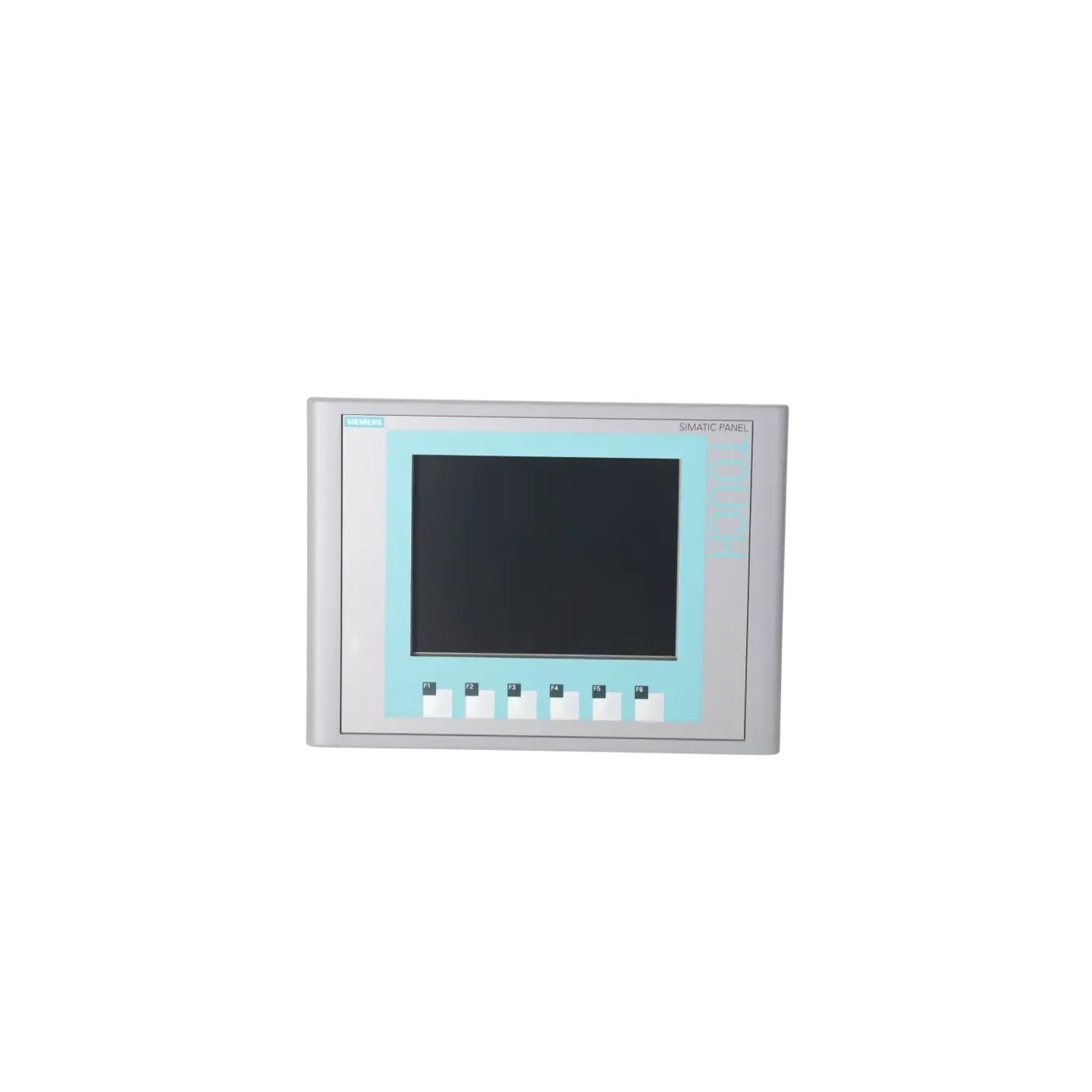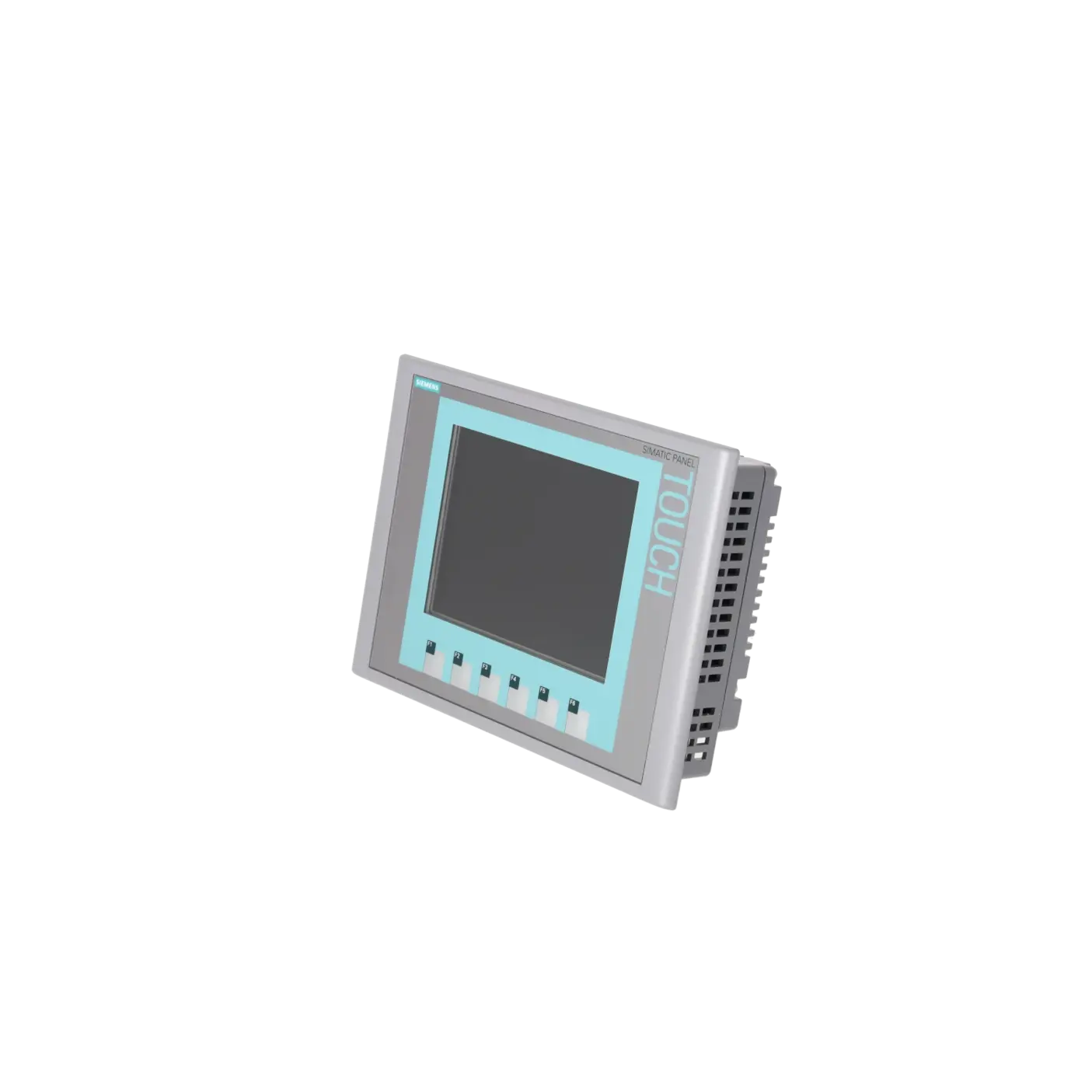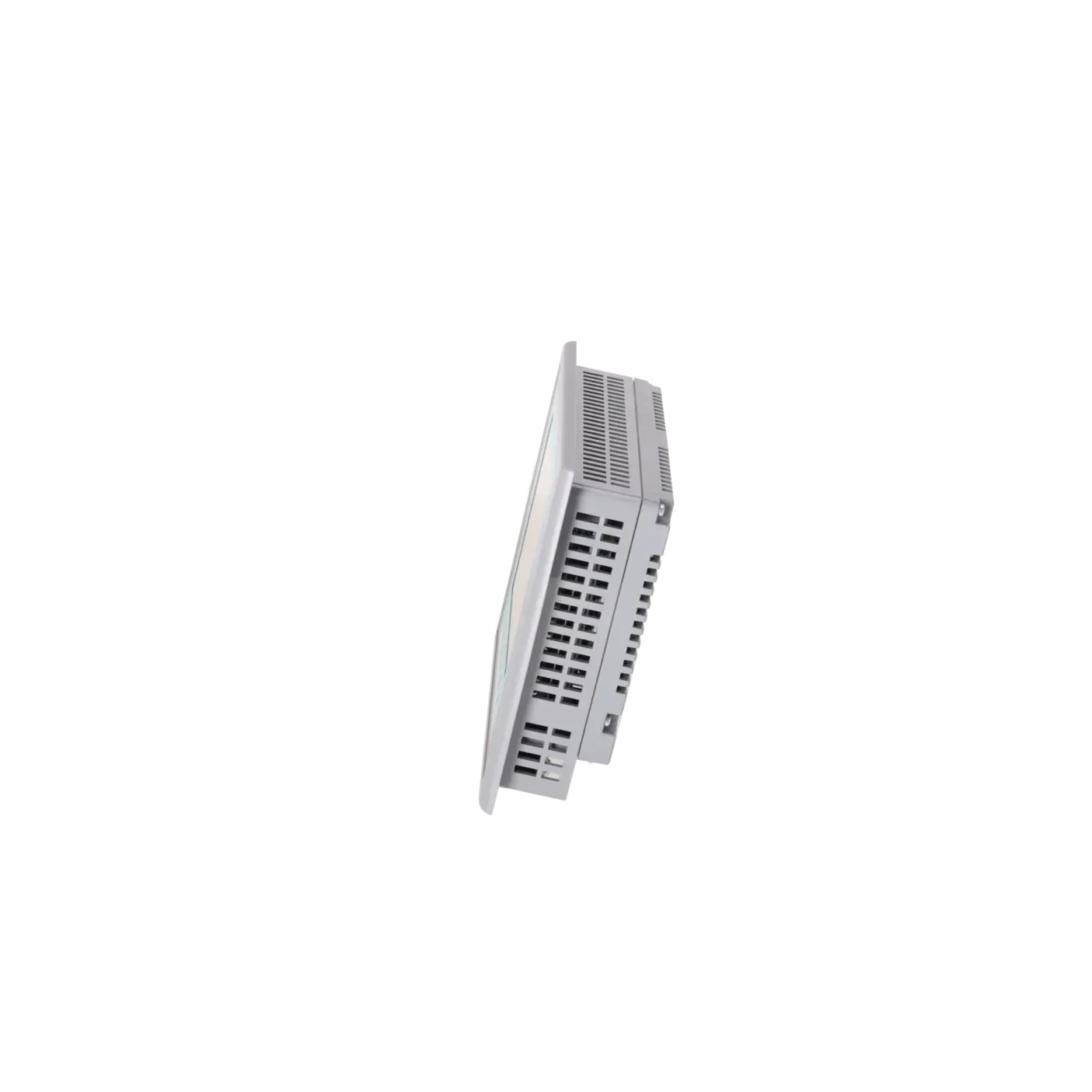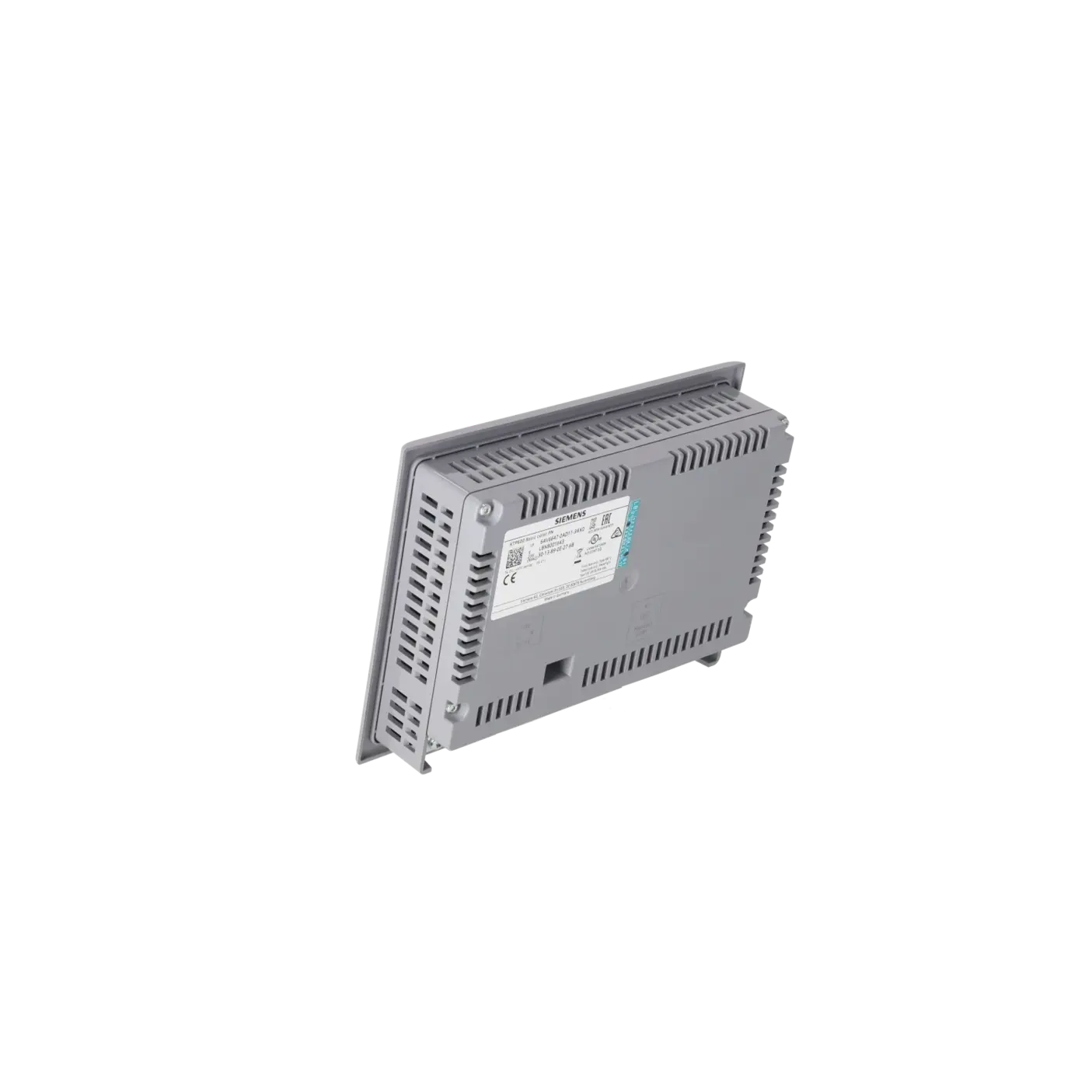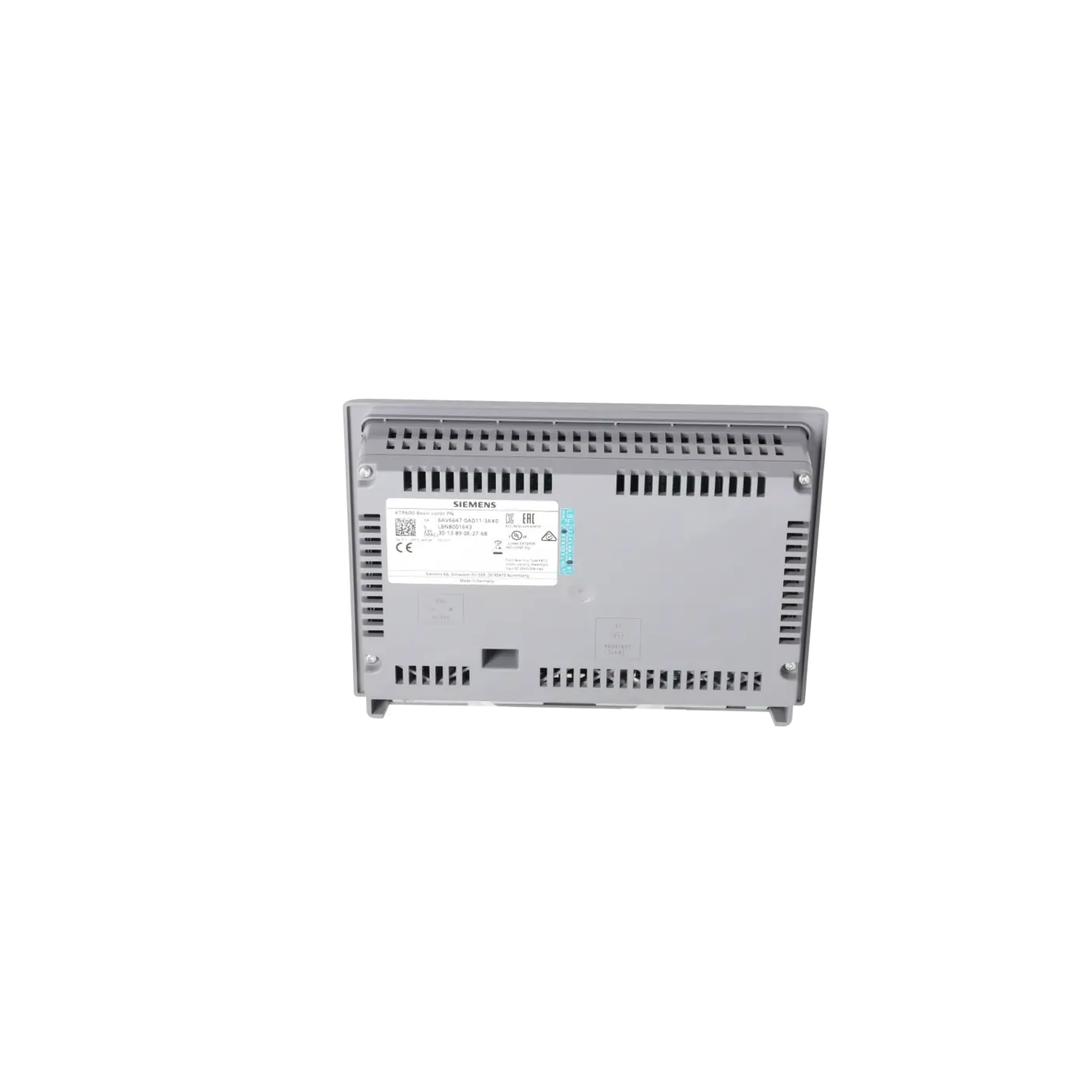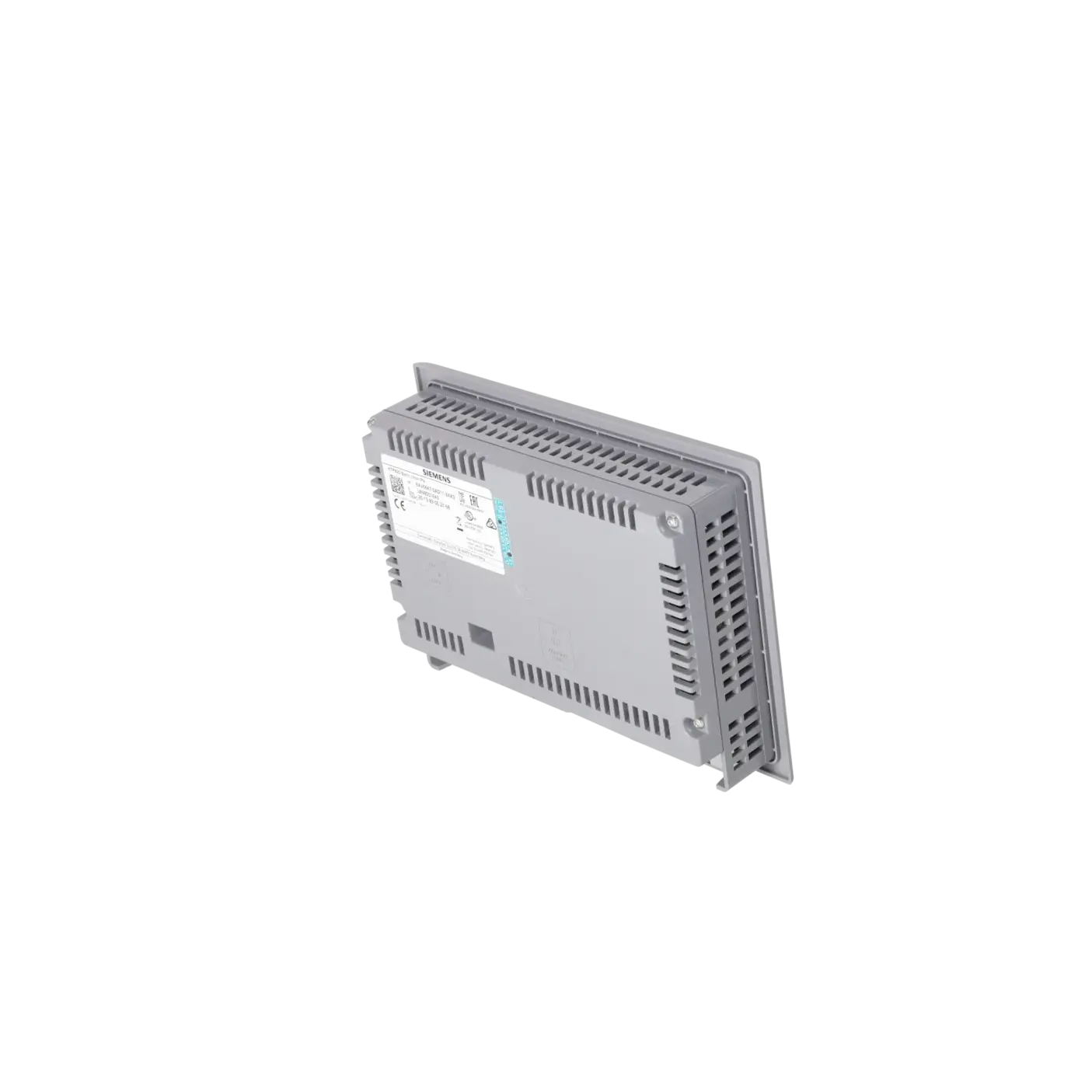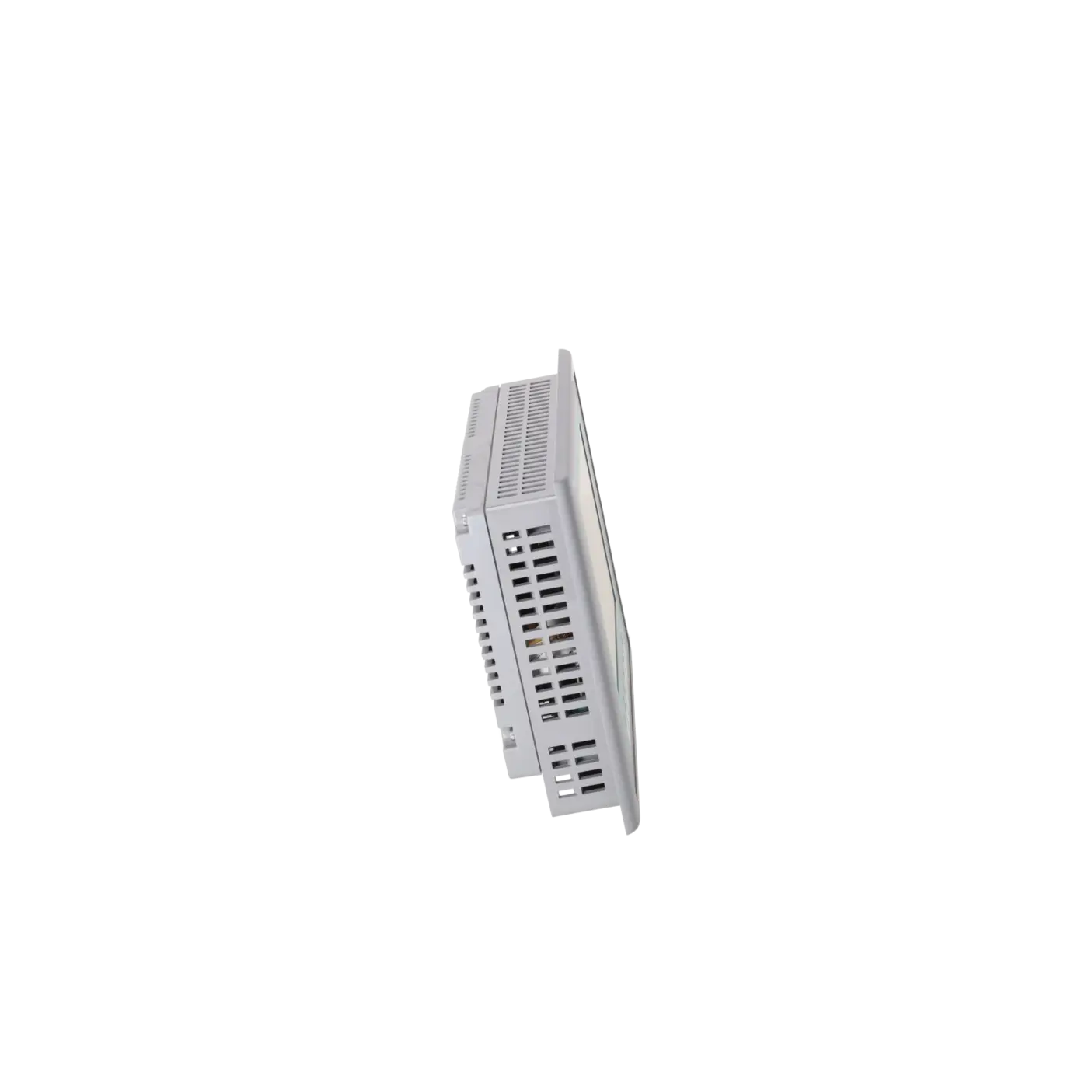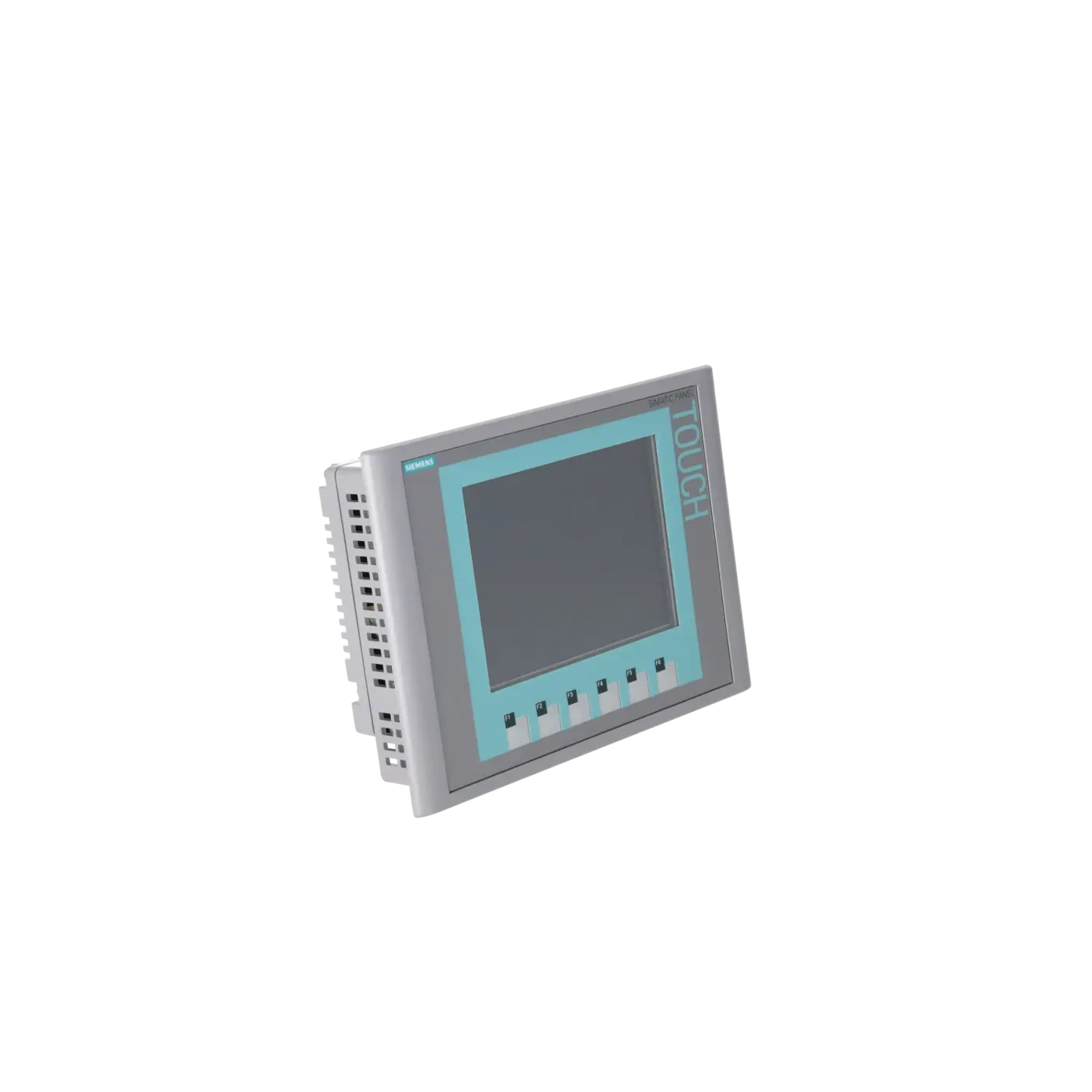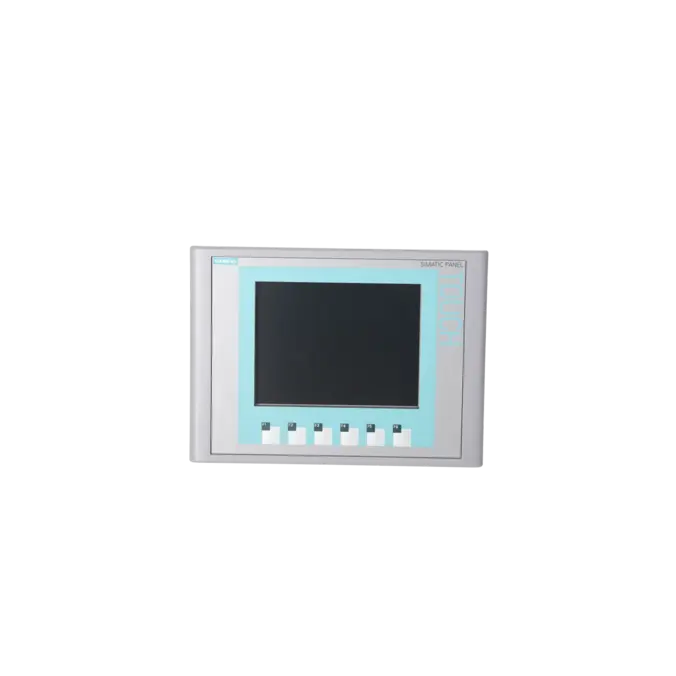
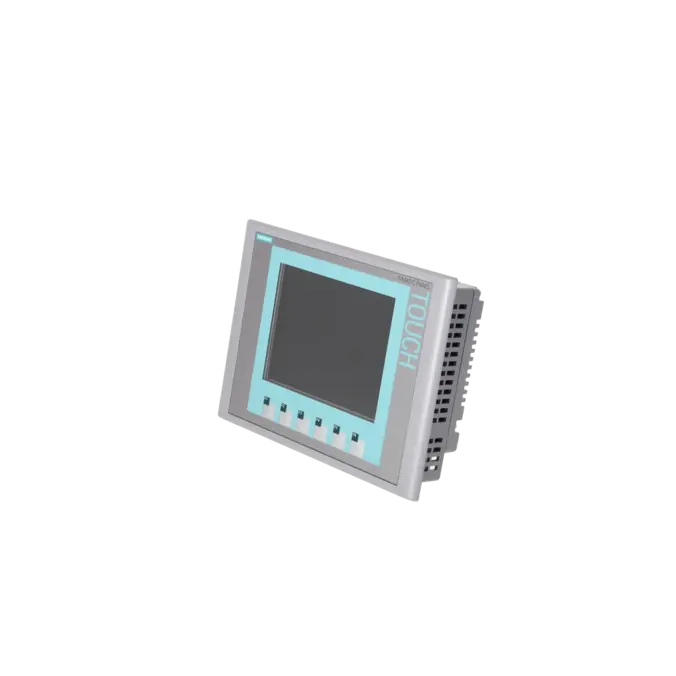
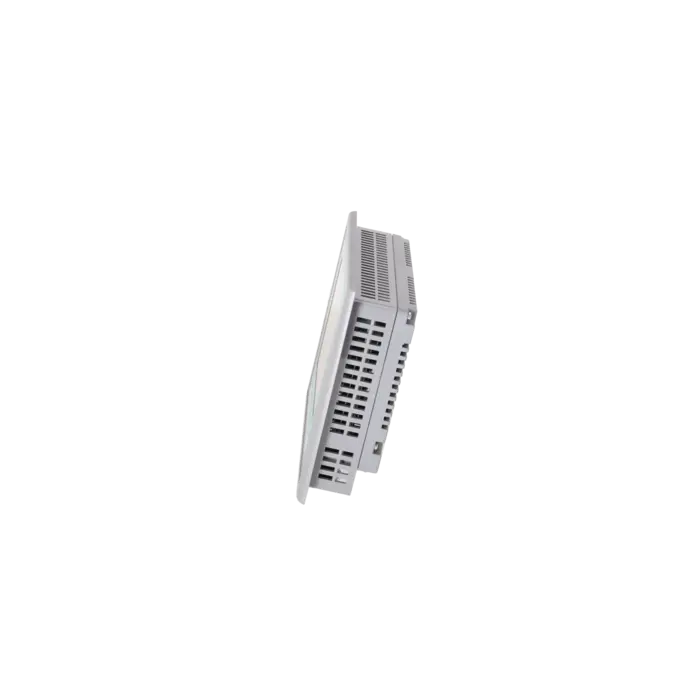
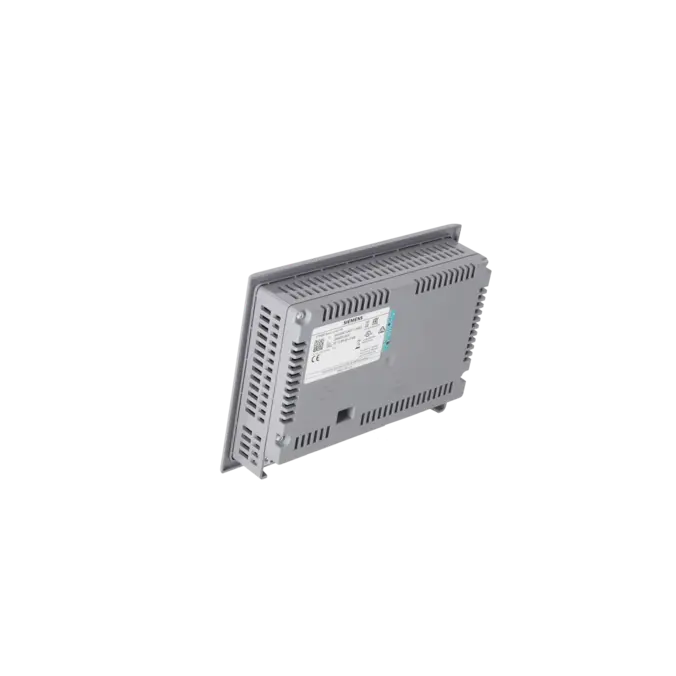
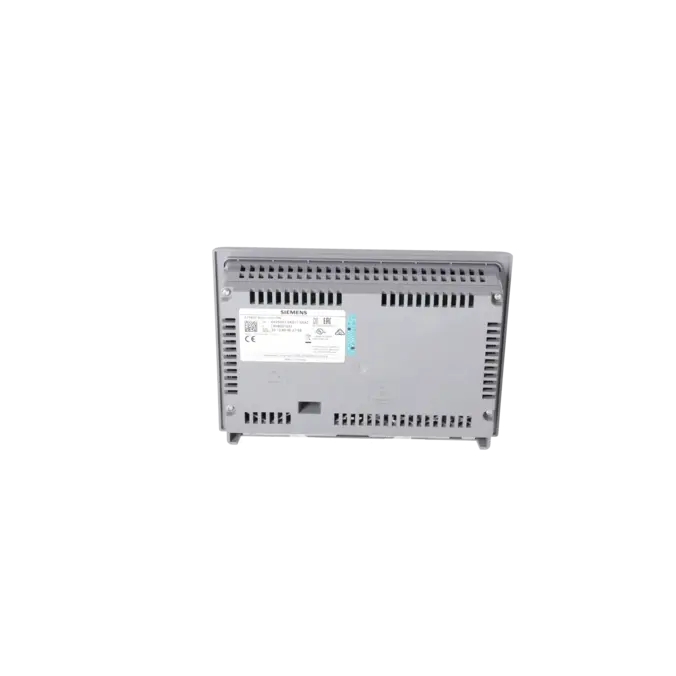
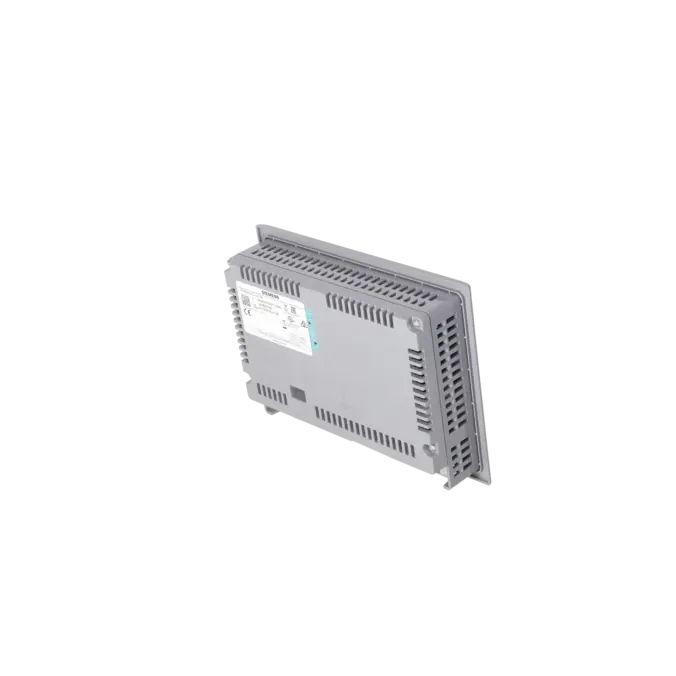
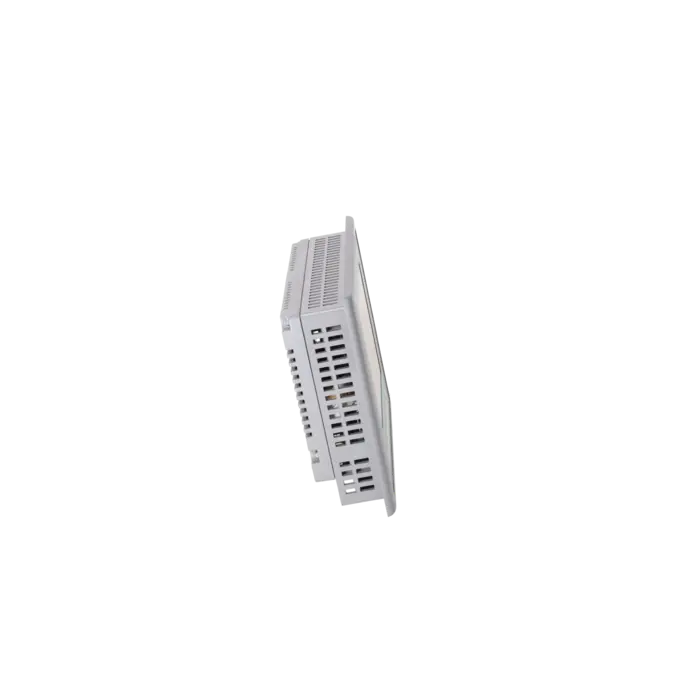
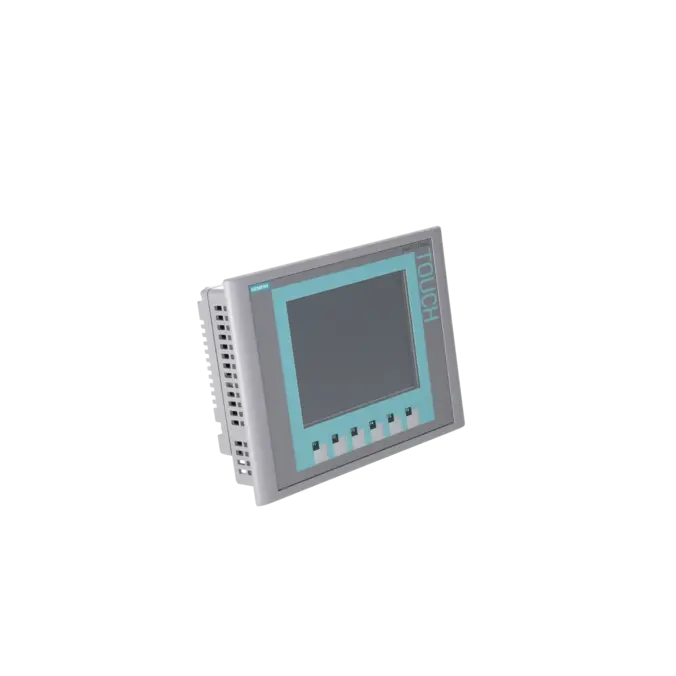
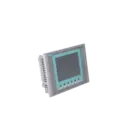
SIEMENS 6AV6647-0AD11-3AX0
- EICHLER-art.no.: K0251652
- EAN: 6940408100565
- UPC: 040892549317
Product description
SIMATIC HMI KTP600 BASIC COLOR PN, BASIC PANEL, KEY/TOUCH OPERATION, 6" TFT DISPLAY, 256 COLORS, PROFINET INTERFACE, CONFIGURABLE AS OF WINCC FLEXIBLE 2008 SP2 COMPACT/ WINCC BASIC V10.5/ STEP 7 BASIC V10.5, CONTAINS OPEN-SOURCE SOFTWARE, WHICH IS PROVIDE
Services for SIEMENS 6AV6647-0AD11-3AX0
Repair
from 1.079,78 €
to 1.943,60 €
Replacement
887,40 €
843,03 €
Used
986,00 €
936,70 €
New
SIEMENS |
6AV6647-0AD11-3AX0 –
additional product information
| Delivery information | |||
|---|---|---|---|
| Export identifier | AL: N ECCN: EAR99H | ||
| Net weight | 1.362 | ||
| Quantity | 1 Stück | ||
| Packaging quantity | 1 | ||
| Additional product information | |||
|---|---|---|---|
| Product status | EOP: 2022-02-22 | ||
| EAN | 6940408100565 | ||
| UPC | 040892549317 | ||
| Static lot number | 85371091 | ||
| List indicator | ST9.80 | ||
| Product group | 4548 | ||
| Country of origin | CN | ||
| Compliance with the substance restrictions according to RoHS directive | Since: 20090331 | ||
| Product classifications | Version | Classification | |
|---|---|---|---|
| eClass | 4 | 27-36-01-02 | |
| eClass | 5.1 | 27-24-23-02 | |
| eClass | 6.0 | 27-24-23-02 | |
| ETIM | 3 | / | |
| ETIM | 4 | EC001412 | |
| ETIM | 5 | EC001412 | |
What is the 6AV6647-0AD11-3AX0 and where is it used?
The 6AV6647-0AD11-3AX0 is a SIMATIC HMI KTP600 Basic Color PN from Siemens, a compact Basic Panel designed for operator control and visualisation tasks on machines and industrial systems. The device combines touch operation and function keys and is intended for simple to medium-complexity HMI applications where operators need to enter setpoints, acknowledge alarms, select recipes or monitor machine states. Typical applications include packaging machinery, conveyor systems, assembly cells, water and utility systems, as well as retrofit projects within existing SIMATIC environments. Thanks to its PROFINET interface, the panel is particularly suited to installations that already use Ethernet-based PLC communication and require a robust, compact operator interface.
Overview of the key technical specifications and their significance
The panel belongs to the 6-inch class, although the detailed specifications state an actual screen size of 5.7 inches, with a resolution of 320 × 240 pixels and 256 colours. In practical terms, this is sufficient for status displays, alarm messages, simple process screens and setpoint entry masks, but it is not intended for highly detailed visualisations.
Operation is provided via an analogue resistive touchscreen combined with six function keys, which is advantageous when operators wear gloves or when fixed operating sequences are required. Electrically, the unit operates from 24 V DC with a permissible range of 19.2 to 28.8 V DC and has a typical power consumption of 9 W.
For procurement and replacement planning, it is important to note that the device provides one Industrial Ethernet interface, but no USB port and no SD card slot. The protection rating is IP65 at the front and IP20 at the rear.
Product status, life-cycle status and obsolescence
For operators of existing installations, the product status is particularly important. The EICHLER product page lists the device with EOP (End of Product) status dated 22 February 2022. Siemens additionally classifies the MLFB under PLM PM410: Product cancellation.
At the same time, Siemens identifies 6AV6647-0AD11-3AX1 as the verified successor, representing a follow-on material number within the same device class. A current Siemens status document also lists a PM490 target date of 01 October 2026 for the 6AV6647-0AD11-3AX0.
For maintenance and purchasing departments, this means the panel should clearly be regarded as an obsolescence-related product. Organisations wishing to avoid unplanned downtime should proactively establish repair options, replacement-device strategies and spare-parts planning rather than waiting until a failure occurs.
Available EICHLER services and when they are relevant
For discontinued HMIs, repair, exchange, used devices and, where available, new units on request serve different operational requirements.
For maintenance teams, repair is often the preferred option when the existing panel should remain mechanically and project-wise unchanged within the machine. EICHLER states that repairs include technical cleaning, preventive maintenance, comprehensive functional testing and a minimum 24-month warranty.
For purchasing departments, an exchange unit can be advantageous when downtime must be minimised and approval processes need to be accelerated. Used devices are particularly valuable when legacy systems must continue operating unchanged and the exact hardware series is required.
The optional test certificate supports documentation, quality assurance and internal approval procedures. This combination of services helps ensure continued operational availability even when the manufacturer's product status has already reached a critical stage.
| Attribute | Value |
|---|---|
| Product type designation | KTP600 Basic color PN |
| Display | |
| Design of display | TFT |
| Screen diagonal | 5.7 in |
| Display width | 115.2 mm |
| Display height | 86.4 mm |
| Number of colors | 256 |
| Resolution (pixels) | |
| ● Horizontal image resolution | 320 pixel |
| ● Vertical image resolution | 240 pixel |
| Backlighting | |
| ● MTBF backlighting (at 25 °C) | 50 000 h |
| ● Backlight dimmable | No |
| Control elements | |
| Keyboard fonts | |
| ● Function keys | |
| — Number of function keys | 6 |
| — Number of function keys with LEDs | 0 |
| ● Keys with LED | No |
| ● System keys | No |
| ● Numeric keyboard | Yes; Onscreen keyboard |
| ● alphanumeric keyboard | Yes; Onscreen keyboard |
| Touch operation | |
| ● Design as touch screen | Yes; Analog-resistive |
| Installation type/mounting | |
| Mounting position | vertical |
| Rack mounting | No |
| Wall mounting/direct mounting | No |
| Mounting in portrait format possible | Yes |
| Mounting in landscape format possible | Yes |
| maximum permissible angle of inclination without external ventilation | 35° |
| Supply voltage | |
| Type of supply voltage | DC |
| Rated value (DC) | 24 V |
| permissible range, lower limit (DC) | 19.2 V |
| permissible range, upper limit (DC) | 28.8 V |
| Input current | |
| Current consumption (rated value) | 0.35 A |
| Starting current inrush I²t | 0.5 A²·s |
| Power | |
| Active power input, typ. | 9 W |
| Processor | |
| Processor type | RISC 32 bit |
| Memory | |
| Flash | Yes |
| RAM | Yes |
| Memory available for user data | 1 Mbyte |
| Type of output | |
| Acoustics | |
| ● Buzzer | Yes |
| ● Speaker | No |
| Time of day | |
| Clock | |
| ● Hardware clock (real-time) | No |
| ● Software clock | Yes |
| ● retentive | No |
| ● synchronizable | Yes |
| Interfaces | |
| Number of industrial Ethernet interfaces | 1 |
| Number of RS 485 interfaces | 0 |
| Number of RS 422 interfaces | 0 |
| Number of RS 232 interfaces | 0 |
| Number of USB interfaces | 0 |
| Number of 20 mA interfaces (TTY) | 0 |
| Number of parallel interfaces | 0 |
| Number of other interfaces | 0 |
| Number of SD card slots | 0 |
| With software interfaces | No |
| Industrial Ethernet | |
| ● Industrial Ethernet status LED | 2 |
| Protocols | |
| PROFINET | Yes |
| Supports protocol for PROFINET IO | No |
| IRT | No |
| PROFIBUS | No |
| EtherNet/IP | Yes |
| MPI | No |
| Protocols (Ethernet) | |
| ● TCP/IP | Yes |
| ● DHCP | Yes |
| ● SNMP | Yes |
| ● DCP | Yes |
| ● LLDP | Yes |
| WEB characteristics | |
| ● HTTP | No |
| ● HTML | No |
| Further protocols | |
| ● CAN | No |
| ● MODBUS | Yes; Modicon (MODBUS TCP/IP) |
| Interrupts/diagnostics/status information | |
| Diagnoses | |
| ● Diagnostic information readable | No |
| Degree and class of protection | |
| IP (at the front) | IP65 |
| IP (rear) | IP20 |
| NEMA (front) | |
| ● Enclosure Type 4 at the front | Yes |
| ● Enclosure Type 4x at the front | Yes |
| Standards, approvals, certificates | |
| CE mark | Yes |
| cULus | Yes |
| RCM (formerly C-TICK) | Yes |
| KC approval | Yes |
| Use in hazardous areas | |
| ● ATEX Zone 2 | No; valid only when stated on the device nameplate! |
| ● ATEX Zone 22 | No; valid only when stated on the device nameplate! |
| ● IECEx Zone 2 | No; valid only when stated on the device nameplate! |
| ● IECEx Zone 22 | No; valid only when stated on the device nameplate! |
| ● cULus Class I Zone 1 | No; valid only when stated on the device nameplate! |
| ● cULus Class I Zone 2, Division 2 | No; valid only when stated on the device nameplate! |
| ● cULus Class II Division 2 | No; valid only when stated on the device nameplate! |
| ● FM Class I Division 2 | No; valid only when stated on the device nameplate! |
| ● FM Class II Division 2 | No; valid only when stated on the device nameplate! |
| Marine approval | |
| ● Germanischer Lloyd (GL) | Yes; valid only when stated on the device nameplate! |
| ● American Bureau of Shipping (ABS) | Yes |
| ● Bureau Veritas (BV) | Yes |
| ● Det Norske Veritas (DNV) | Yes |
| ● Korean Register of Shipping (KRS) | No |
| ● Lloyds Register of Shipping (LRS) | Yes |
| ● Nippon Kaiji Kyokai (Class NK) | Yes |
| ● Polski Rejestr Statkow (PRS) | Yes |
| ● Chinese Classification Society (CCS) | No |
| Ambient conditions | |
| Suited for indoor use | Yes |
| Suited for outdoor use | No |
| Ambient temperature during operation | |
| Operation (vertical installation) | |
| — For vertical installation, min. | 0 °C |
| — For vertical installation, max. | 50 °C |
| Operation (max. tilt angle) | |
| — At maximum tilt angle, min. | 0 °C |
| — At maximum tilt angle, max. | 40 °C |
| Operation (vertical installation, portrait format) | |
| — For vertical installation, min. | 0 °C |
| — For vertical installation, max. | 50 °C |
| Operation (max. tilt angle, portrait format) | |
| — At maximum tilt angle, min. | 0 °C |
| — At maximum tilt angle, max. | 40 °C |
| Ambient temperature during storage/transportation | |
| ● min. | -20 °C |
| ● max. | 60 °C |
| Relative humidity | |
| ● Operation, max. | 90 %; no condensation |
| Operating systems | |
| proprietary | Yes |
| pre-installed operating system | |
| ● Windows CE | No |
| Configuration | |
| Message indicator | Yes |
| Alarm system (incl. buffer and acknowledgment) | Yes |
| Process value display (output) | Yes |
| Process value default (input) possible | Yes |
| Recipe management | Yes |
| Configuration software | |
| ● STEP 7 Basic (TIA Portal) | Yes; via integrated WinCC Basic (TIA Portal) |
| ● STEP 7 Professional (TIA Portal) | Yes; via integrated WinCC Basic (TIA Portal) |
| ● WinCC flexible Compact | Yes |
| ● WinCC flexible Standard | Yes |
| ● WinCC flexible Advanced | Yes |
| ● WinCC Basic (TIA Portal) | Yes |
| ● WinCC Comfort (TIA Portal) | Yes |
| ● WinCC Advanced (TIA Portal) | Yes |
| ● WinCC Professional (TIA Portal) | Yes |
| Languages | |
| Online languages | |
| ● Number of online/runtime languages | 5 |
| Project languages | |
| ● Languages per project | 32 |
| Functionality under WinCC (TIA Portal) | |
| Libraries | Yes |
| Applications/options | none |
| ● Web browser | No |
| ● SIMATIC WinCC Sm@rtServer | No |
| Task planner | |
| ● time-controlled | No |
| ● task-controlled | Yes |
| Help system | |
| ● Number of characters per info text | 320 |
| Message system | |
| ● Number of alarm classes | 32 |
| ● Bit messages | Yes |
| — Number of bit messages | 200 |
| ● Analog messages | Yes |
| — Number of analog messages | 15 |
| ● System messages HMI | Yes |
| ● System event, more (SIMATIC S7, SINUMERIK, SIMOTION, ... ) | No |
| ● Number of characters per message | 80 |
| ● Number of process values per message | 8 |
| ● Message indicator | Yes |
| ● Message buffer | |
| — Number of entries | 256 |
| — Circulating buffer | Yes |
| — retentive | Yes |
| — maintenance-free | Yes |
| Recipe management | |
| ● Number of recipes | 5 |
| ● Data records per recipe | 20 |
| ● Entries per data record | 20 |
| ● Size of internal recipe memory | 40 kbyte |
| ● Recipe memory expandable | No |
| Variables | |
| ● Number of variables per device | 500 |
| ● Number of variables per screen | 30 |
| ● Limit values | Yes |
| ● Multiplexing | Yes |
| ● Structures | No |
| ● Arrays | Yes |
| Images | |
| ● Number of configurable images | 50 |
| ● Permanent window/default | Yes |
| ● Global image | Yes |
| ● Image selection by PLC | Yes |
| ● Image number in the PLC | Yes |
| Image objects | |
| ● Number of objects per image | 30 |
| ● Text fields | Yes |
| ● I/O fields | Yes |
| ● Graphic I/O fields (graphics list) | Yes |
| ● Symbolic I/O fields (text list) | Yes |
| ● Date/time fields | Yes |
| ● Switches | Yes |
| ● Buttons | Yes |
| ● Graphic display | Yes |
| ● Icons | Yes |
| ● Geometric objects | Yes |
| Complex image objects | |
| ● Number of complex objects per screen | 5 |
| ● Alarm view | Yes |
| ● Trend view | Yes |
| ● User view | Yes |
| ● Status/control | No |
| ● Sm@rtClient view | No |
| ● Recipe view | Yes |
| ● f(x) trend view | No |
| ● System diagnostics view | No |
| ● Media Player | No |
| ● Bar graphs | Yes |
| ● Sliders | No |
| ● Pointer instruments | No |
| ● Analog/digital clock | No |
| Lists | |
| ● Number of text lists per project | 150 |
| ● Number of entries per text list | 30 |
| ● Number of graphics lists per project | 100 |
| ● Number of entries per graphics list | 30 |
| Archiving | |
| ● Number of archives per device | 0 |
| Security | |
| ● Number of user groups | 50 |
| ● Number of user rights | 32 |
| ● Number of users | 50 |
| ● Password export/import | No |
| ● SIMATIC Logon | No |
| Character sets | |
| ● Keyboard fonts | |
| — US English | Yes |
| Transfer (upload/download) | |
| ● MPI/PROFIBUS DP | No |
| ● USB | No |
| ● Ethernet | Yes |
| ● using external storage medium | No |
| Process coupling | |
| ● S7-1200 | Yes |
| ● S7-1500 | Yes |
| ● S7-200 | Yes |
| ● S7-300/400 | Yes |
| ● LOGO! | Yes |
| ● WinAC | Yes |
| ● SINUMERIK | No |
| ● SIMOTION | No |
| ● Allen Bradley (EtherNet/IP) | Yes |
| ● Allen Bradley (DF1) | No |
| ● Mitsubishi (MC TCP/IP) | Yes |
| ● Mitsubishi (FX) | No |
| ● OMRON (FINS TCP) | No |
| ● OMRON (LINK/Multilink) | No |
| ● Modicon (Modbus TCP/IP) | Yes |
| ● Modicon (Modbus) | No |
| Service tools/configuration aids | |
| ● Backup/Restore manually | Yes |
| ● Backup/Restore automatically | No |
| ● Simulation | Yes |
| ● Device switchover | Yes |
| Peripherals/Options | |
| Printer | No |
| SIMATIC HMI MM memory card: Multi Media Card | No |
| SIMATIC HMI SD memory card: Secure Digital memory card | No |
| USB memory | No |
| Mechanics/material | |
| Enclosure material (front) | |
| ● Plastic | Yes |
| ● Aluminum | No |
| ● Stainless steel | No |
| Dimensions | |
| Width of the housing front | 214 mm |
| Height of housing front | 158 mm |
| Mounting cutout, width | 197 mm |
| Mounting cutout, height | 141 mm |
| mounting depth | 44 mm |
| Weights | |
| Weight (without packaging) | 1.07 kg |
| Weight (with packaging) | 1.32 kg |
| Fault description | Possible solution |
|---|---|
| Why do I get the message “No online connection” or no connection to the PG/PC on the KTP600 Basic PN? | First check whether the panel responds to a ping, whether the Ethernet data channel or transfer channel is enabled, and whether the panel has been manually switched to Transfer mode in the Loader. During the initial download, this step is often required. In addition, the PC and panel must be correctly addressed and located within the same network. |
| Why does the project transfer to the 6AV6647-0AD11-3AX0 fail? | A common cause is a version mismatch between the engineering software and the HMI image installed on the panel. Siemens states that the transfer will be aborted in this situation. The panel operating system or image must then be updated, or an image version compatible with the engineering software must be used. |
| Why does the KTP600 Basic remain in the bootloader after an OS update? | If an OS update is interrupted, the panel may remain in the bootloader. Siemens describes recovery via ProSave using Reset to factory settings. For this procedure, a static IP address within the same subnet, the panel's MAC address and the correct image file (*.img) are required. After successful recovery, the project must be downloaded again. |
| Why does the panel fail to start correctly or remain blank after power-up? | According to Siemens, the 24 V DC power supply should be checked first whenever start-up problems occur. Reversed supply wiring can prevent the HMI from starting correctly. Therefore, verify L+ and M, the quality of the supply voltage and the wiring at the device before taking further action. |
| Why does the touchscreen respond inaccurately after a recovery or update? | Siemens notes that after an OS update or a factory reset, a new touchscreen calibration may be required. Following recommissioning, the touchscreen should therefore be recalibrated via the Control Panel before the device is returned to operation. |
Is the 6AV6647-0AD11-3AX0 still available or has it been discontinued?
The device is clearly classified as a discontinued and obsolescent product. EICHLER lists an EOP date of 22 February 2022, while Siemens classifies the MLFB with PM410 Product Cancellation and additionally documents a PM490 target date of 01 October 2026. For purchasing and maintenance departments, this means that planning should not focus solely on new-unit availability, but also on repair, exchange services and spare-parts strategies.
Which software is required for the 6AV6647-0AD11-3AX0?
For this panel, Siemens and the product documentation specify project engineering with WinCC flexible 2008 SP2 Compact, WinCC Basic V10.5 and STEP 7 Basic V10.5. Industry forums also confirm that first-generation Basic Panels such as the KTP600 can still be engineered with WinCC flexible. This is particularly important for service applications because the engineering version directly affects project transfer, OS image compatibility and migration effort.
Is there a verified successor for the 6AV6647-0AD11-3AX0?
Yes. Siemens explicitly identifies 6AV6647-0AD11-3AX1 as the successor in the Industry Mall. This is the most reliable successor designation for the specific MLFB. For plant operators, however, project compatibility, machine approval status and the exact material number should always be verified before replacement to avoid unexpected modifications during commissioning.
Is repair or replacement the better option in the event of a failure?
The answer depends primarily on downtime costs, time pressure and approval requirements. Repair is generally the preferred option when the existing panel should remain mechanically and project-wise unchanged within the machine and no re-engineering is desired. Replacement is advantageous when the system must be returned to operation as quickly as possible. EICHLER offers both options for this MLFB and complements repairs with technical cleaning, preventive maintenance, functional testing and a minimum 24-month warranty, helping to reduce risk in ageing installations.
How can I determine whether the PN version is the correct choice for my application?
The article number 6AV6647-0AD11-3AX0 identifies the PN version, meaning the model with PROFINET / Industrial Ethernet communication. The technical specifications list one Industrial Ethernet interface, while PROFIBUS, RS232, RS422, RS485 and USB interfaces are not available on this variant. Therefore, the panel is suitable for installations using Ethernet-based SIMATIC communication. In traditional PROFIBUS DP or serial environments, the appropriate alternative MLFB should be checked carefully.
Can I restore my project to a replacement unit after a failure?
In principle, yes, but the exact procedure depends on the device condition and software version. Siemens describes Backup/Restore procedures using ProSave or WinCC, and also notes that an OS update may be required first if a version conflict exists. It is important that the panel is placed in Transfer mode and that, for Ethernet-based recovery, a static IP address, the correct MAC address and the appropriate image file are used. Following this process allows a replacement device to be recommissioned in a structured and reliable manner.