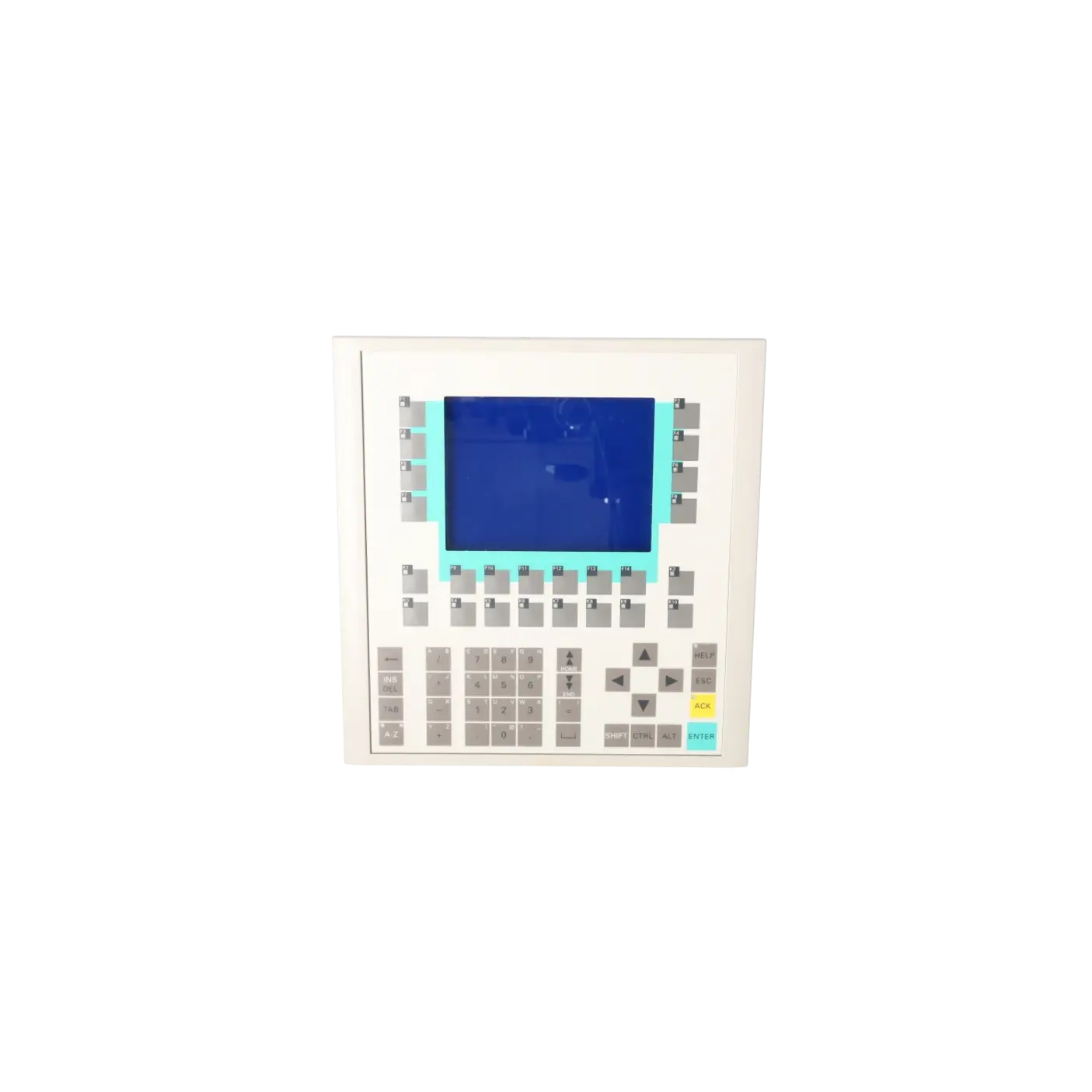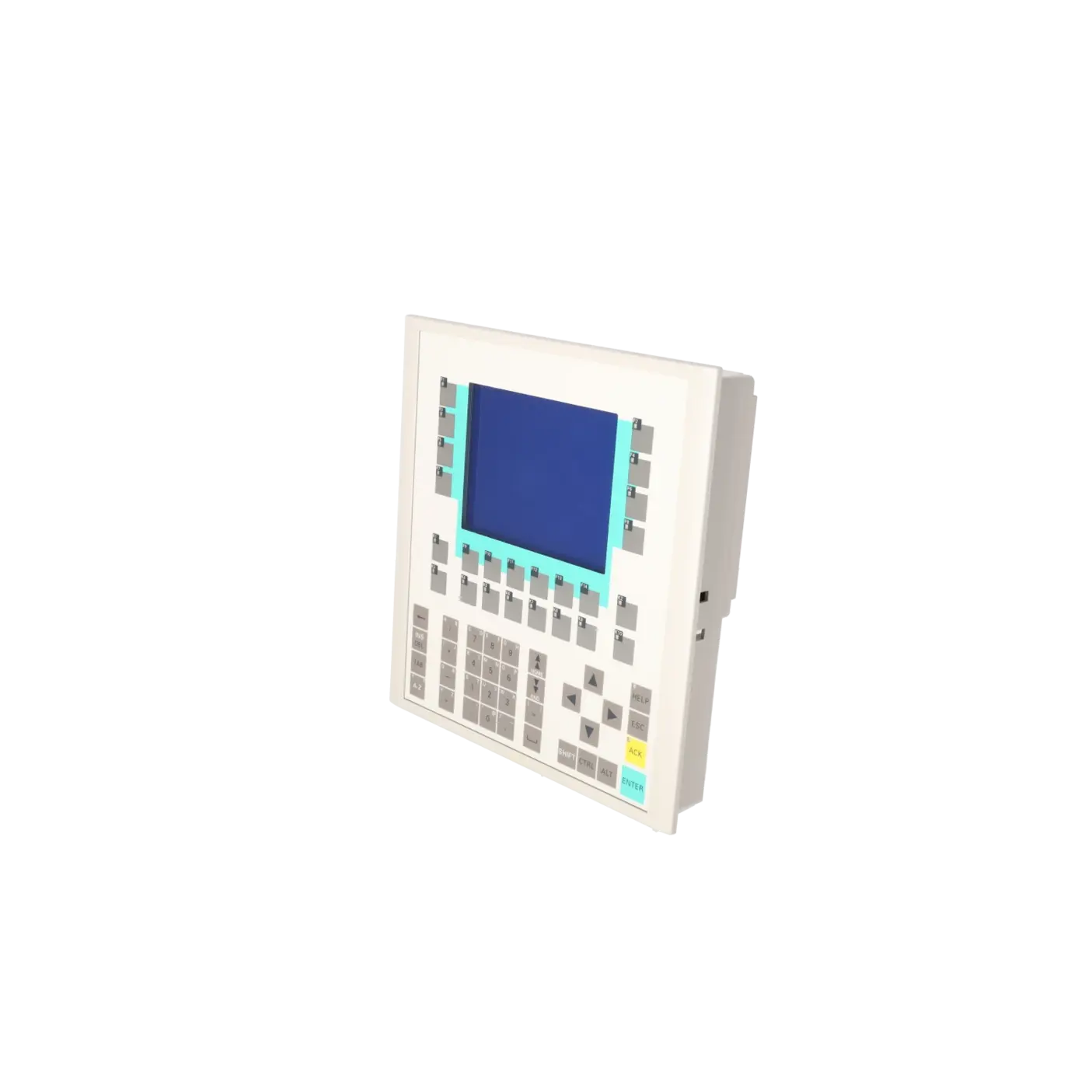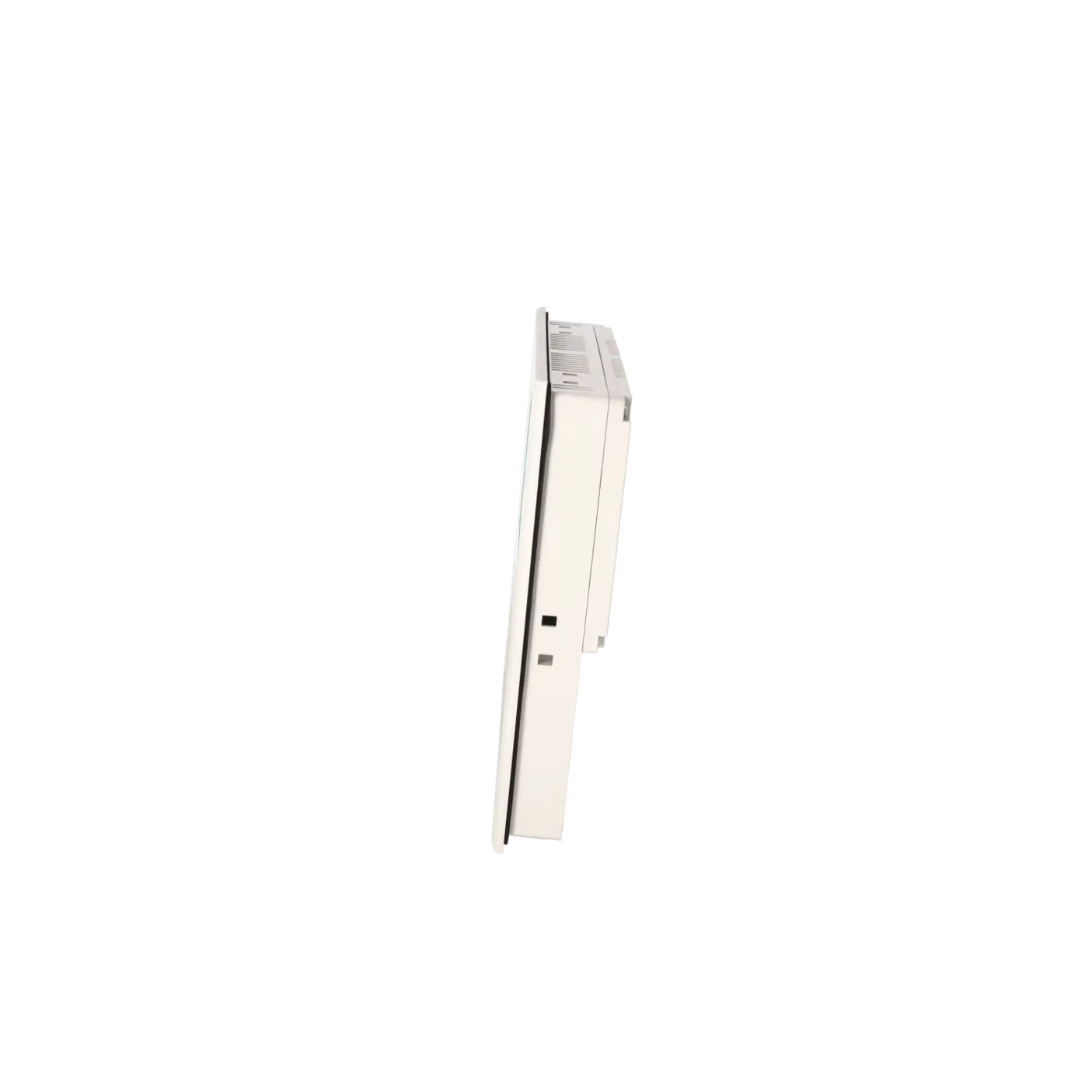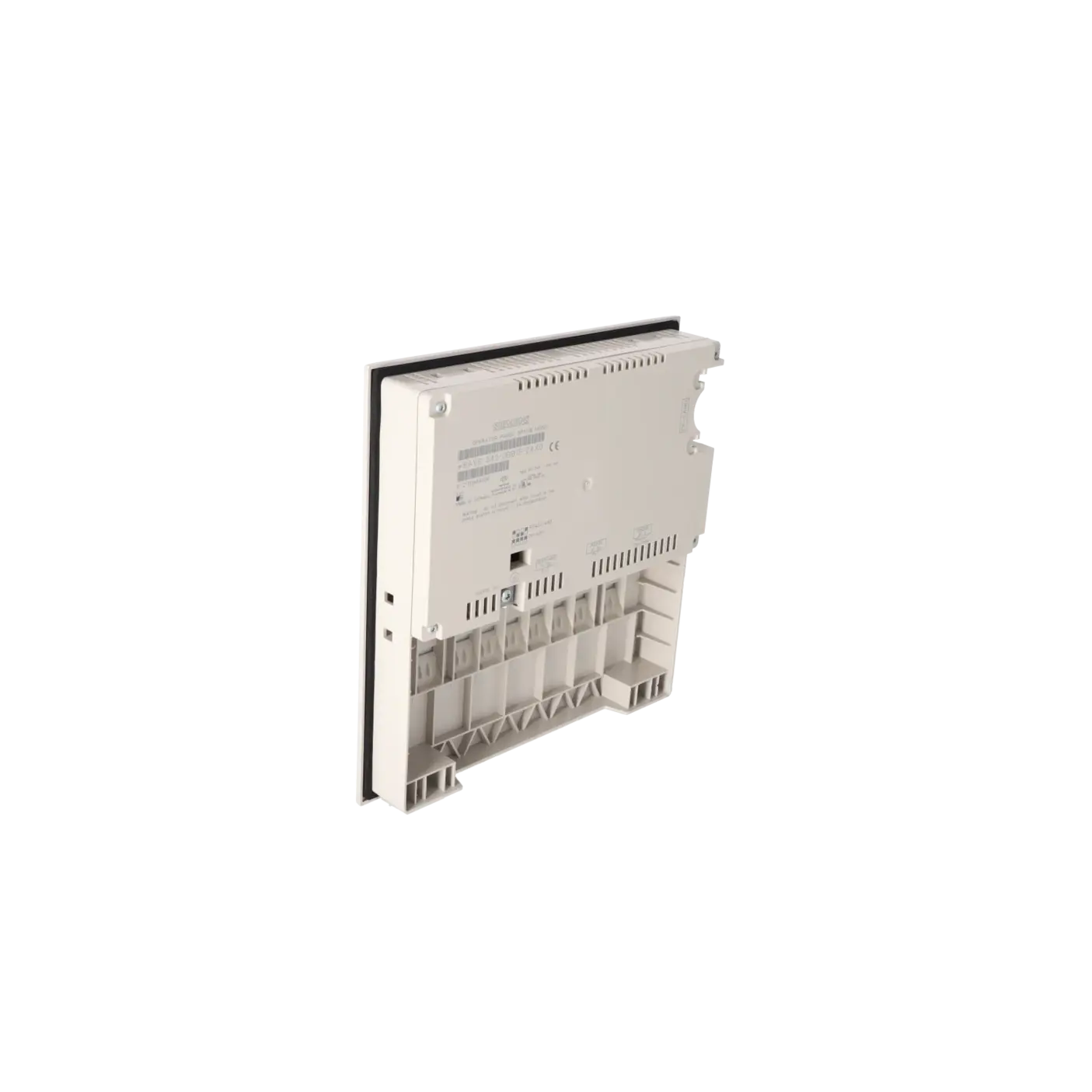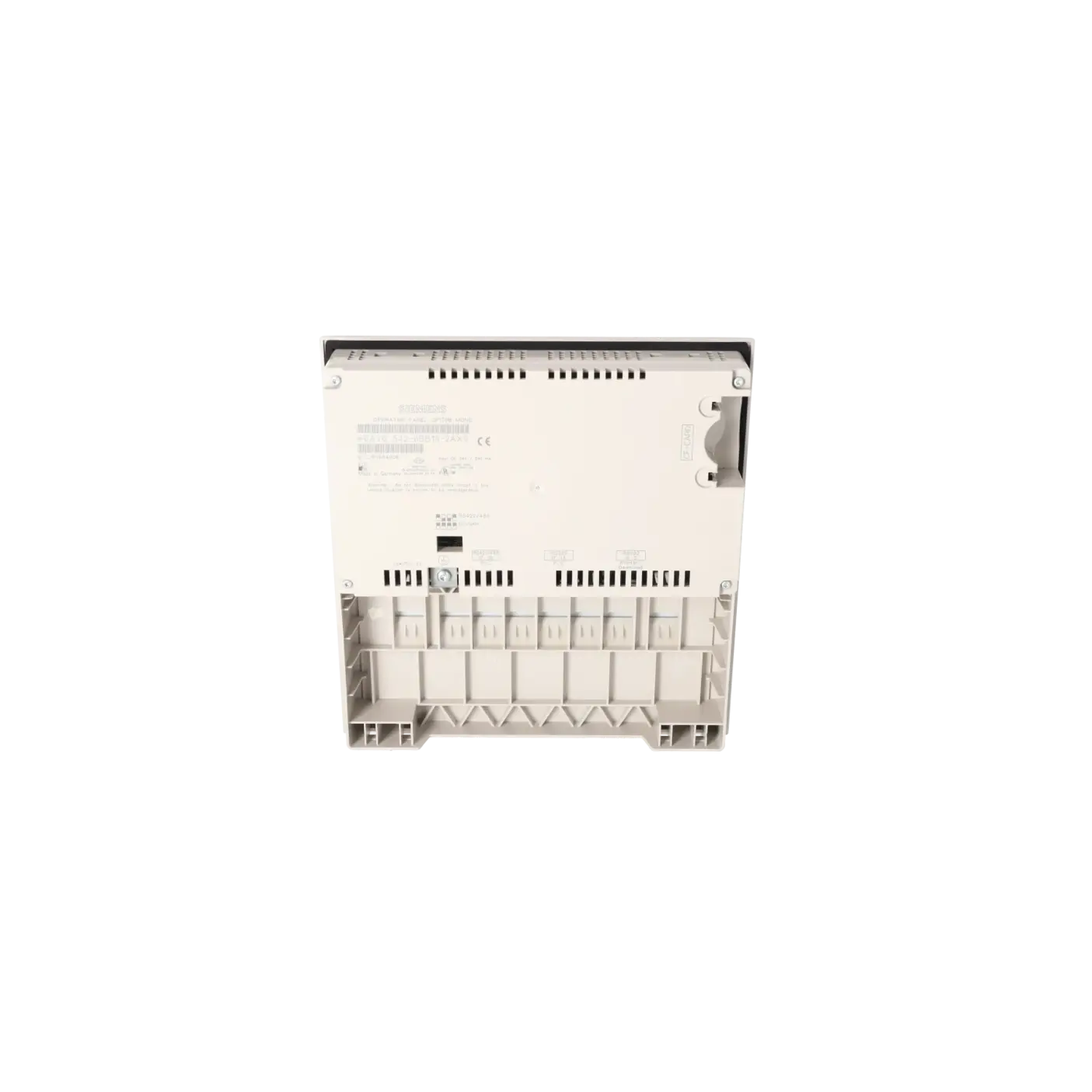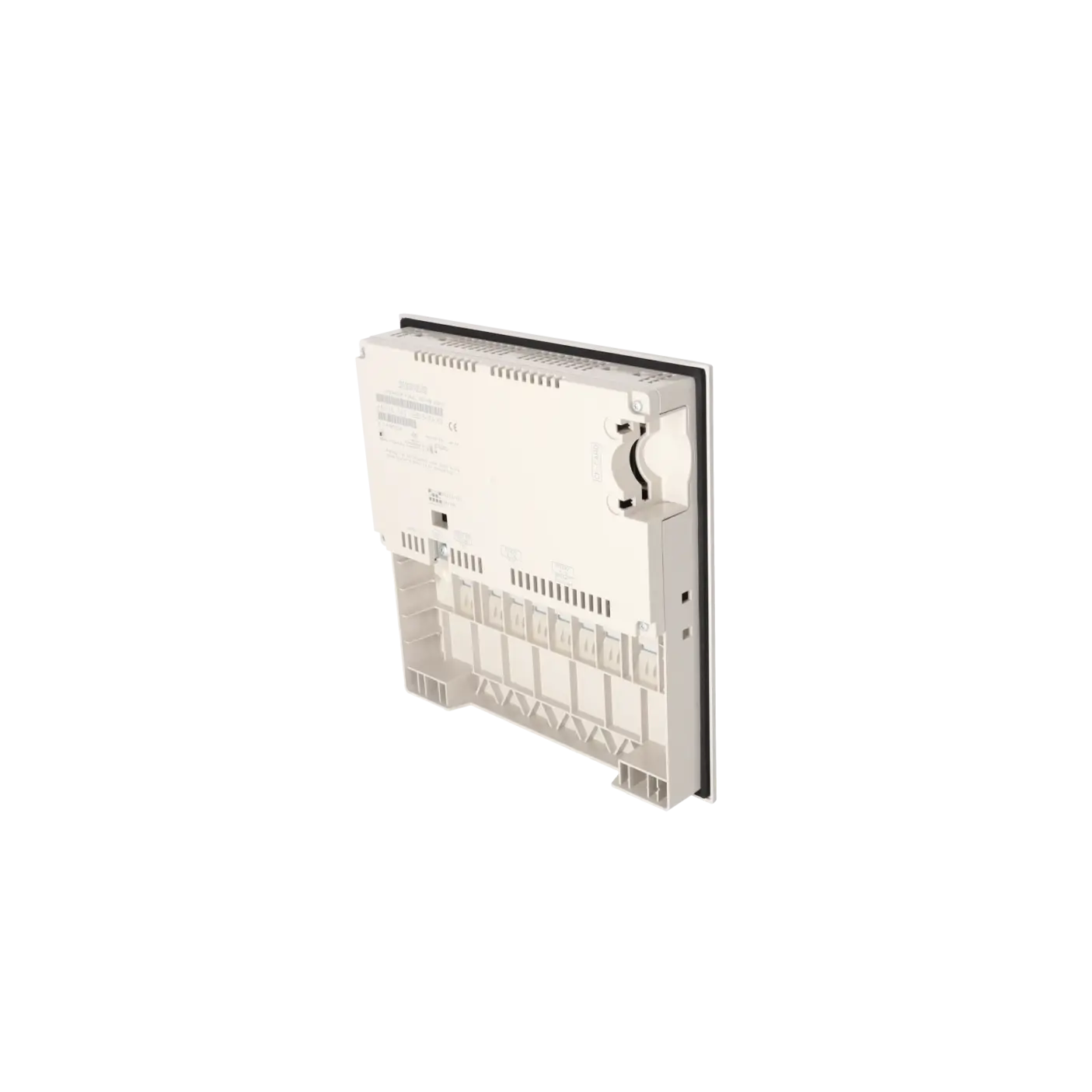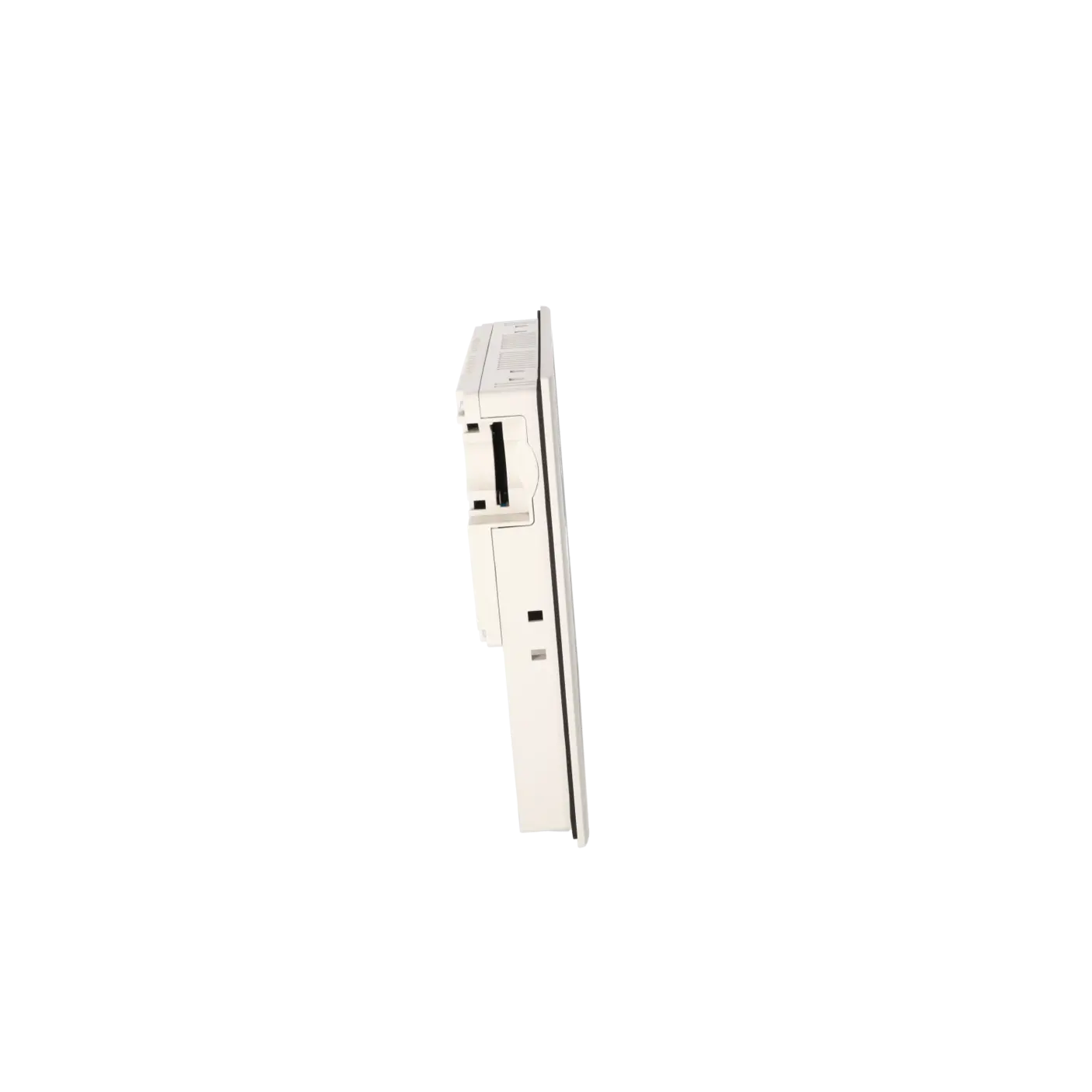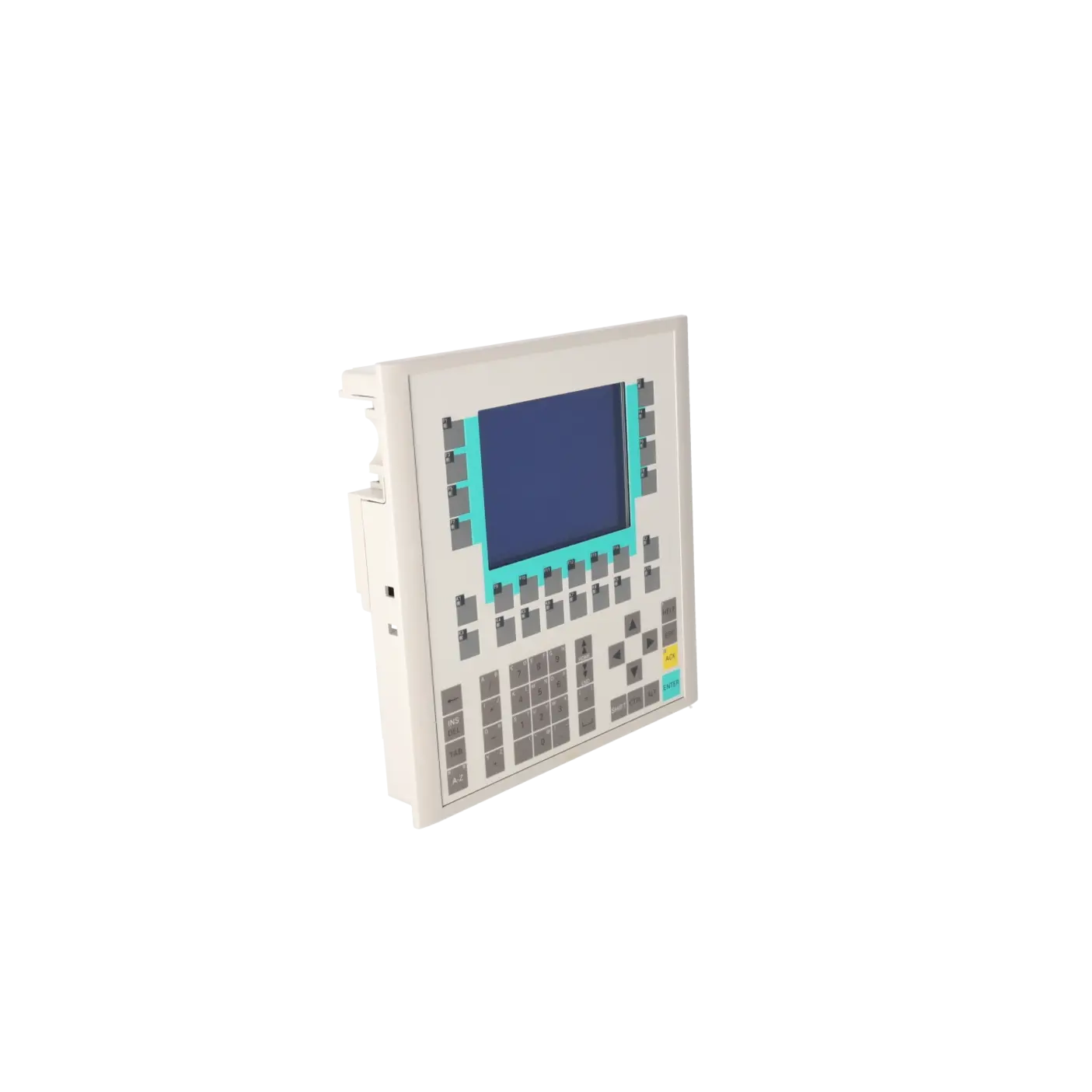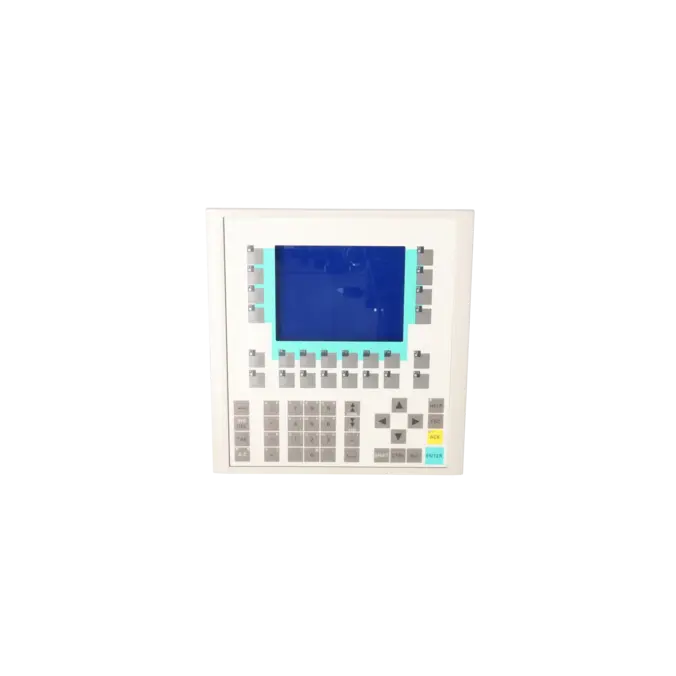
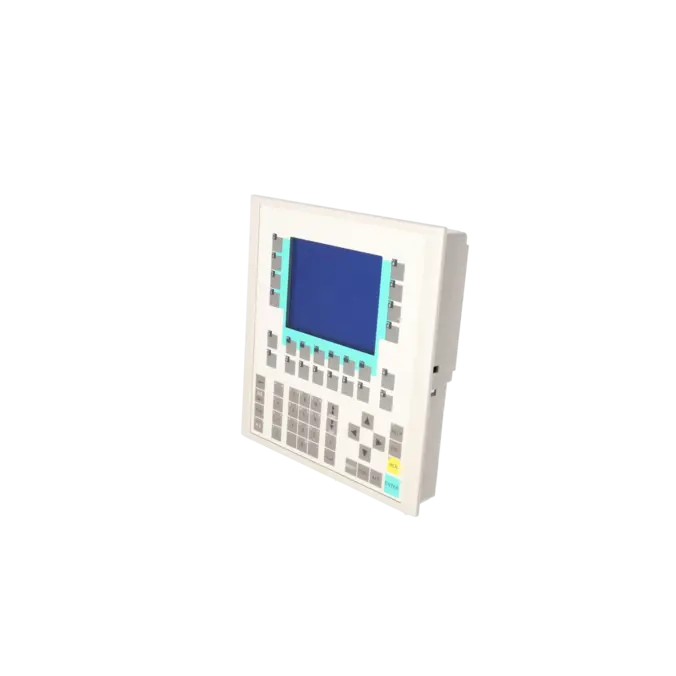
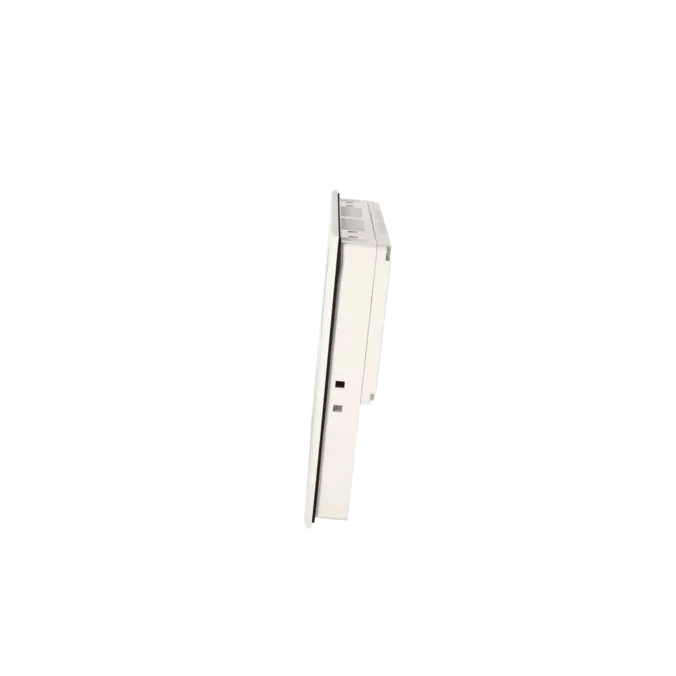
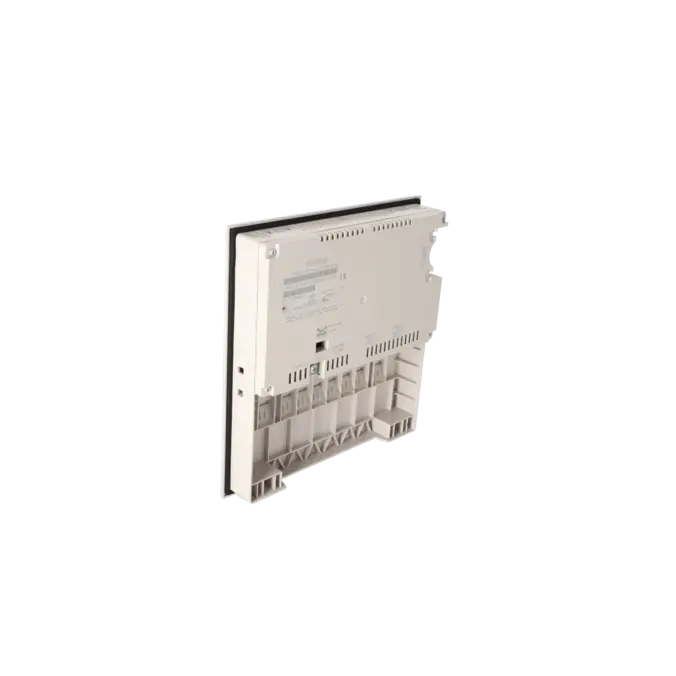
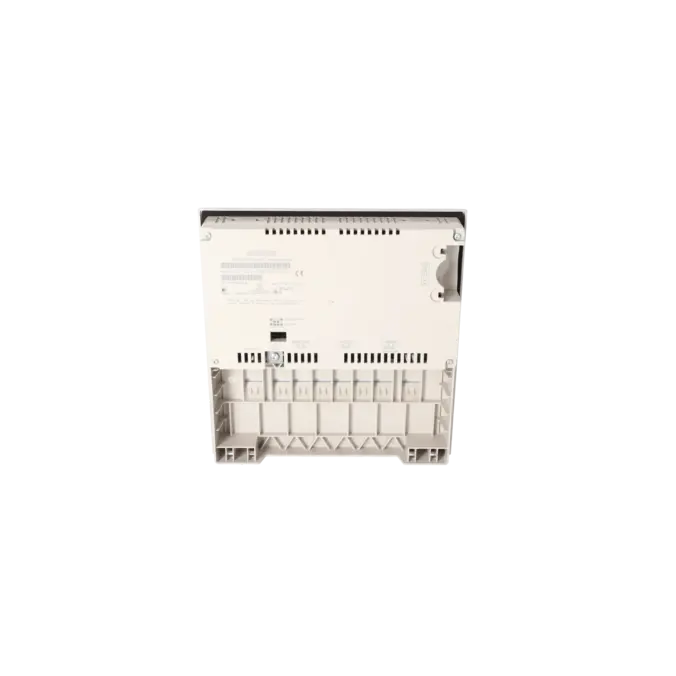
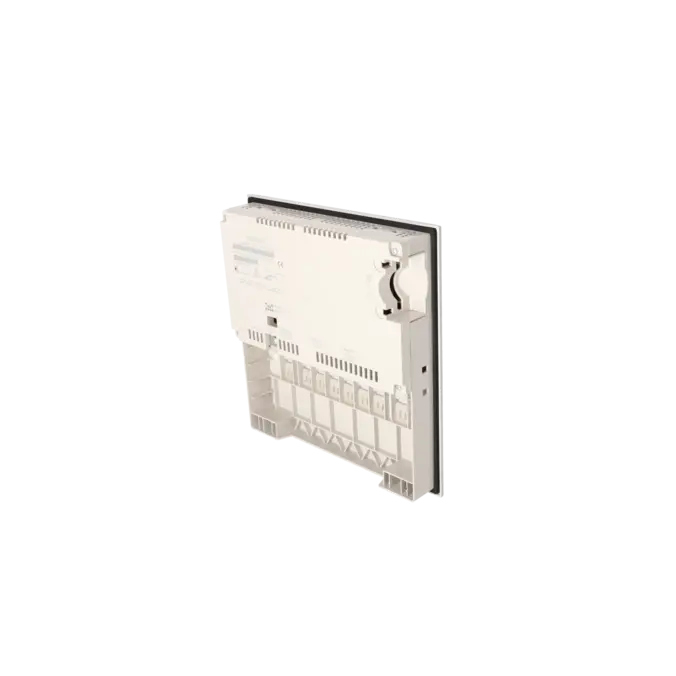
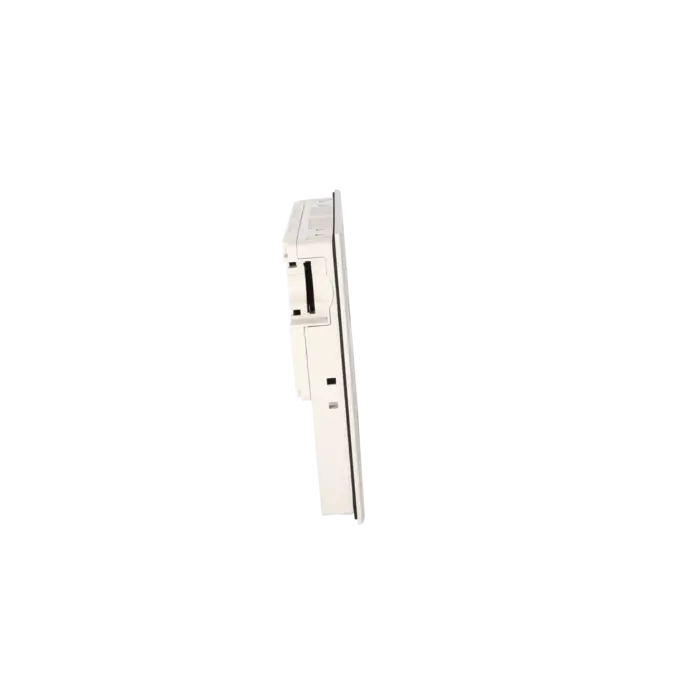



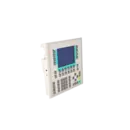
SIEMENS 6AV6542-0BB15-2AX0
- EICHLER-art.no.: K0116916
- EAN: 4025515066149
Product description
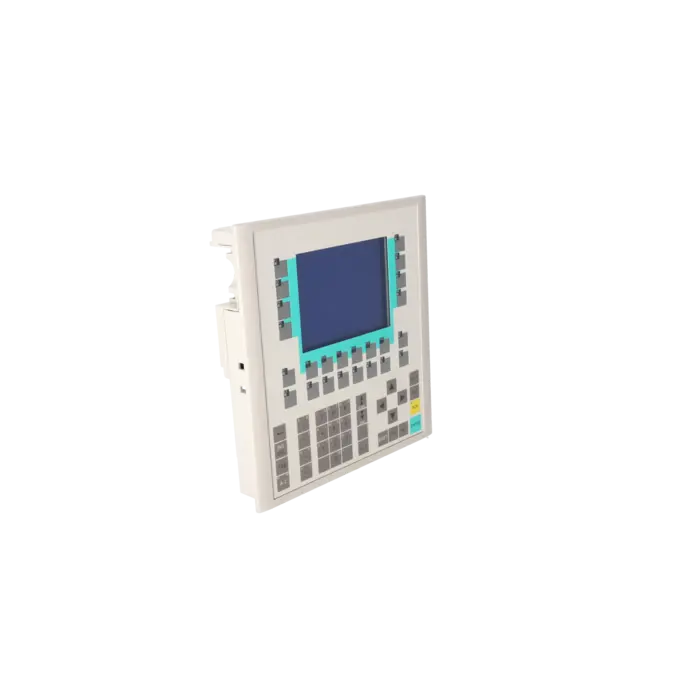
SIMATIC PANEL OP170B BLUE MODE STN-DISPLAY MPI-/PROFIBUS-DP -SCHNITTSTELLE DRUCKERSCHNITTSTELLE SLOT FUER CF-CARD PROJEKTIERBAR MIT PROTOOL/LITE AB VERSION V5.2+SP2
Services for SIEMENS 6AV6542-0BB15-2AX0
SIEMENS |
6AV6542-0BB15-2AX0 –
additional product information
| Delivery information | |||
|---|---|---|---|
| Export identifier | AL: ECCN: | ||
| Net weight | 1.1 | ||
| Quantity | 1 Stück | ||
| Packaging quantity | 1 | ||
| Additional product information | |||
|---|---|---|---|
| Product status | EOP: 2008-04-01 | ||
| EAN | 4025515066149 | ||
| UPC | / | ||
| Static lot number | 85371099 | ||
| List indicator | / | ||
| Product group | / | ||
| Country of origin | DE | ||
| Compliance with the substance restrictions according to RoHS directive | Since: / | ||
| Product classifications | Version | Classification | |
|---|---|---|---|
| eClass | 4 | / | |
| eClass | 5.1 | / | |
| eClass | 6.0 | / | |
| ETIM | 3 | / | |
| ETIM | 4 | / | |
| ETIM | 5 | / | |
What is the 6AV6542-0BB15-2AX0 and where is it used?
The 6AV6542-0BB15-2AX0 is a SIEMENS SIMATIC OP170B with keypad operation, designed for classic HMI tasks in machine and industrial automation. The device features a 5.7-inch Blue Mode STN display, communicates via MPI/PROFIBUS-DP, and also provides a printer interface and a CF card slot. Typical applications include existing installations with SIMATIC S5, S7-200 or S7-300/400 controllers, where operator screens, alarms, recipes and basic diagnostic functions are required. For maintenance and purchasing departments, the panel is particularly relevant when an existing unit must be replaced on a like-for-like basis, repaired, or kept available for the remaining service life of a legacy system without completely redesigning the visualisation.
Technical specifications at a glance and what they mean
The OP170B is powered by 24 V DC, typically consumes only 6 W, and has a nominal current draw of 0.25 A. The 320 × 240 pixel monochrome display is robust and well suited to traditional operating and alarm functions, although it is not intended for modern graphics-intensive user interfaces. The 24 function keys, including 18 LED-equipped keys, are important for reliable and repeatable operation in production environments.
The panel is rated IP65 on the front and IP20 on the rear. Usable memory for user data is 768 KB, which limits the overall project size. Communication interfaces include optional TTY, 2 × RS232, 1 × RS422 and 1 × RS485 with speeds up to 12 Mbit/s. A CF card slot is also provided for backup and restore functions.
Product status, life-cycle status and obsolescence
For the 6AV6542-0BB15-2AX0, Siemens lists the product status as EOP (End of Product) as of 1 April 2008. Siemens documentation identifies the OP177B Blue Mode and OP177B Colour as successor options. At the same time, Siemens documentation also indicates that there is no direct one-to-one replacement.
In practice, this means that a replacement decision should not be based solely on the product family. Before replacing the panel, the engineering software, communication interfaces, key layout, installation dimensions and the existing machine communication architecture should all be reviewed. For operators of older machines, this makes not only spare-parts procurement important, but also a strategy covering repairs, replacement units and protection of the installed base against unplanned failures.
EICHLER services for the 6AV6542-0BB15-2AX0 in practice
For this panel, repair, exchange and used equipment are particularly relevant because the product has been discontinued while many legacy systems still need to remain operational. Repair is often the preferred option when the original panel already matches the machine mechanically and project-wise, and where the costs and risks of re-engineering should be avoided.
EICHLER specifies short turnaround or delivery times for repair, exchange and used units. Repairs include technical cleaning, preventive maintenance, comprehensive functional testing and a minimum 24-month warranty. An exchange unit is particularly valuable when production must resume as quickly as possible. A used unit can be a practical solution when a compatible panel is urgently required to keep a legacy system running. New units are listed as available on request only.
| Attribute | Value |
|---|---|
| Display | |
| Design of display | STN, 4 blue levels |
| Screen diagonal | 5.7 in |
| Resolution (pixels) | |
| ● Horizontal image resolution | 320 Pixel |
| ● Vertical image resolution | 240 Pixel |
| Backlighting | |
| ● MTBF backlighting (at 25 °C) | 50 000 h |
| Control elements | |
| Control elements | Membrane keyboard |
| Keyboard fonts | |
| ● Membrane keyboard | Yes |
| — user-definable label membrane keys | Yes |
| ● Function keys | |
| — Number of function keys | 24 |
| — Number of function keys with LEDs | 18 |
| ● System keys | |
| — Number of system keys | 35 |
| ● Numeric keyboard | Yes |
| ● alphanumeric keyboard | Yes |
| ● hexadecimal keyboard | Yes |
| ● Multi-key operation | Yes |
| Connection type | |
| ● Type of connection for mouse/keyboard/barcode reader | - / - / - |
| Installation type/mounting | |
| Mounting position | vertical |
| maximum permissible angle of inclination without external ventilation | 35° |
| Supply voltage | |
| UPS connectable (serial) | No |
| Input current | |
| Current consumption (rated value) | 0.25 A |
| Power | |
| Active power input, typ. | 6 W |
| Processor | |
| Processor type | RISC 32 bit, 66 MHz |
| Memory | |
| Type of memory | Flash / RAM |
| Memory available for user data | 768 kbyte |
| Type of output | |
| Info LED | Yes |
| Power LED | No |
| Error LED | No |
| Time of day | |
| Clock | |
| ● Type | Software clock, synchronizable, no battery backup |
| ● retentive | No |
| ● synchronizable | Yes |
| Interfaces | |
| Interfaces/bus type | TTY optional, 2x RS 232, 1x RS 422, 1x RS 485 (max. 12 Mbit/s) |
| CF card slot | 1x CF card slot |
| Degree and class of protection | |
| IP (at the front) | IP65 |
| IP (rear) | IP20 |
| Standards, approvals, certificates | |
| Certificate of suitability | CE, FM Class I Div. 2, UL, CSA |
| Ambient conditions | |
| Ambient temperature during storage/transportation | |
| ● min. | -20 °C |
| ● max. | 60 °C |
| Relative humidity | |
| ● Operation, max. | 85 % |
| Operating systems | |
| pre-installed operating system | Windows CE |
| Configuration | |
| Configuration software | |
| ● Configuration tool | ProTool / Lite, Version 5.2 SP 2 or higher or WinCC flexible Compact Version 2004 or higher (to be ordered separately) |
| Languages | |
| Online languages | |
| ● Number of online/runtime languages | 5 |
| Project languages | |
| ● Languages per project | 32 |
| Functionality under WinCC (TIA Portal) | |
| Libraries | Yes |
| Task planner | Yes |
| Help system | Yes |
| ● Number of characters per info text | 70 |
| ● Number of tooltips | 0 |
| Message system | |
| ● Number of alarm classes | 32 |
| ● Number of messages | 2 000 |
| ● Bit messages | Yes |
| — Number of bit messages | 2 000 |
| ● Analog messages | Yes |
| — Number of analog messages | 2 000 |
| ● Telegram message procedure Alarm S | No |
| ● System messages HMI | Yes |
| ● System messages PLC | No |
| ● System messages, other (SIMATIC S7, Sinumerik, Simotion, etc.) | No |
| ● Lines | 1 |
| ● Number of characters per message | 80 |
| ● Number of process values per message | 8 |
| ● Acknowledgment groups | |
| — Number of acknowledgement groups | 99 |
| ● Message indicator | Yes |
| ● acoustic feedback | No |
| ● First/last value | Yes |
| Recipe management | |
| ● Number of recipes | 100 |
| ● Data records per recipe | 200 |
| ● Entries per data record | 200 |
| ● Recipe memory | 32 KB integrated Flash, expandable |
| Variables | |
| ● Number of variables per device | 1 000 |
| ● Number of variables per screen | 50 |
| ● Number of variables | 1 000 |
| ● Initial values | 1 000 |
| ● Type Date & Time | 1 000 |
| ● Limit values | Yes |
| ● Multiplexing | Yes |
| ● Structures | No |
| Images | |
| ● Number of configurable images | 100 |
| ● Permanent window/default | Yes |
| ● Start screen configurable | Yes |
| ● Image selection by PLC | Yes |
| ● Image number in the PLC | Yes |
| Image objects | |
| ● Text objects | 2 000 text elements |
| ● Number of I/O fields per image | 0 |
| ● Number of date/time fields | 30 |
| ● Index of screen context | No |
| ● Return | Yes |
| ● Graphics object | Bit maps, icons, icon (full-screen) |
| — Icons | 500 |
| — Icon (full screen) | 50 |
| Complex image objects | |
| ● Status/control | Not possible |
| ● dynamic objects | Diagrams, bar graphs, invisible buttons |
| — Number of objects per project | 500 |
| — Number of curve diagrams per image | 5 |
| ● Methods | Trend |
| ● Bar graphs | |
| — Number of bars per chart | 5 |
| ● Sliders | |
| — Number of slides per image | 0 |
| ● Pointer instruments | |
| — Number of analog indicators per image | 0 |
| ● Limit value lines | Yes |
| ● Number of alphanumerical fields | 1 000 |
| — alphanumeric fields per image | 100 |
| ● Number of numerical fields | 1 000 |
| — numerical fields per image | 100 |
| ● Number of password fields | 1 000 |
| ● Number of visible switches per project | 1 000 |
| — visible switches per image | 100 |
| — hidden switches per image | 100 |
| ● Number of status switches per project | 1 000 |
| — Number of status switches per image | 100 |
| ● Number of selector switches per project | 1 000 |
| — Selector switches per image | 100 |
| ● Number of decade switches per project | 0 |
| — Decade switches per image | 0 |
| ● Number of signal lamps per project | 1 000 |
| — Signal lamps per image | 100 |
| Attributes for dynamic objects | |
| ● Color change | Yes |
| ● X/Y movement | Yes |
| ● Hide | Yes |
| ● Angle of rotation | No |
| Lists | |
| ● Number of text lists per project | 300 |
| ● Number of text lists per image | 10 |
| ● Number of entries per text list | 256 |
| ● Number of graphics lists per project | 100 |
| ● Number of graphic lists per image | 10 |
| ● Number of entries per graphics list | 255 |
| Security | |
| ● Number of user groups | 10 |
| ● Password export/import | Yes |
| Data carrier support | |
| ● PC card | No |
| ● CF card | Yes |
| ● Diskette drive | No |
| ● Hard disk | No |
| ● CD-ROM | No |
| Logging through printer | |
| ● Recording/Printing | Alarms, report (shift report) |
| Transfer (upload/download) | |
| ● Transfer of configuration | MPI/PROFIBUS DP, serial, automatic transfer recognition |
| Process coupling | |
| ● Connection to controller | S5, S7-200, S7- 300/400, TI 505, Win AC, SINUMERIK, SIMOTION, Allen Bradley (DF1), Mitsubishi (FX), Telemecanique (ADJUST), Modicon (Modbus), for further non-Siemens drivers, see section on "System interfaces" |
| ● S7-200 | Yes |
| — PPI (point-to-point) | Yes |
| — PPI network | No |
| — MPI | Yes |
| — PROFIBUS DP | Yes |
| ● S7-300/400 | Yes |
| — MPI | Yes |
| — PROFIBUS DP | Yes |
| — PROFINET | No |
| ● S5 | Yes |
| — serial | Yes |
| — PROFIBUS DP | Yes |
| ● TI 505 | Yes |
| ● Allen Bradley (DF1) | Yes |
| ● Allen Bradley (DF485) | No |
| ● Mitsubishi (FX) | Yes |
| ● Mitsubishi (MP4) | Yes |
| ● Telemecanique (ADJUST) | Yes |
| ● Telemecanique (Uni-Telway) | Yes |
| ● OMRON (LINK/Multilink) | No |
| ● Modicon (Modbus) | Yes |
| ● GE-Fanuc (SNP) | Yes |
| Functions | |
| ● Key repeat | No |
| ● TAB sequence | Yes |
| ● Calculating functions | Yes |
| ● Animate | Yes |
| ● Menu tree editor | No |
| ● Unit switchover | No |
| Service tools/configuration aids | |
| ● Clean screen | No |
| ● Touch calibration | No |
| ● Backup/Restore manually | Yes |
| ● Simulation | Yes |
| ● Device switchover | Yes |
| ● Delta transfer | Yes |
| ● Monitoring function for battery and memory | Yes |
| ● Trace (operation archive) | No |
| Expandability/openness | |
| ● Open Platform Program | Yes |
| Peripherals/Options | |
| Peripherals | Printer |
| SIMATIC HMI MM memory card: Multi Media Card | No |
| SIMATIC HMI SD memory card: Secure Digital memory card | No |
| USB memory | No |
| Dimensions | |
| Width of the housing front | 240 mm |
| Height of housing front | 252 mm |
| Overall depth | 45 mm |
| Weights | |
| Weight (without packaging) | 0.9 kg |
| Fault description | Possible solution |
|---|---|
| Why does the transfer fail with “Configuration file too large”? | The OP170B provides only 768 KB of user data memory. If screens, alarms, recipes, lists or graphics exceed this capacity, the transfer will fail. A genuine project memory expansion is not provided for this device. Therefore, remove unnecessary screens, texts, alarms and variables, clean up obsolete project content and regenerate the project. If the visualisation has grown beyond the device's resource limits, repairing the existing panel or using a technically verified replacement device is often the more practical long-term solution. |
| Why is the OP170B not found via MPI/PROFIBUS-DP during transfer? | First check the transfer parameters on both the panel and the PG/PC. The address must be within the valid range and unique on the network, and the baud rate must match across all connected devices. Siemens also notes that, if a project is already loaded, the MPI/PROFIBUS-DP parameters may be taken from the existing project. Therefore, stop the project, correct the settings in the panel and switch it back into transfer mode. In practice, incorrect DIL switch settings, unsuitable cables or inconsistent bus parameters can also prevent the panel from being reached reliably during runtime. |
| Why does Backup/Restore via the CF card not work? | On the OP170B, the CF card must be inserted correctly and the procedure must be started via Control Panel > Backup/Restore. Siemens explicitly describes the backup and restore process using a memory card. During a restore, the internal flash memory is completely erased and the operating system is reloaded before the remaining data is restored. If no card is inserted or an incompatible card is used, the process cannot start. For service applications, the CF card is particularly useful when a prepared backup needs to be restored to a compatible replacement unit. |
| Why does ProSave not find the panel even though participants are detected? | If network diagnostics can see the panel but ProSave cannot establish a connection, the issue is often related to the selected device type, interface selection, transfer mode or the connection method itself. Siemens explicitly identifies ProSave as the tool for transfer and backup/restore operations. However, practical experience shows that with older OP170B configurations, a serial connection or a correctly configured null-modem connection is often the more reliable approach. Verify the correct device selection in ProSave, activate transfer mode on the panel, and consider using a CF card or serial connection if MPI/PROFIBUS communication is not operating reliably in the field. |
Is the 6AV6542-0BB15-2AX0 still available directly from the manufacturer?
No. Siemens classifies the device as EOP (End of Product). Consequently, it is not generally offered as a standard new stock item and is typically supported through repair, exchange, used units and new units on request. For operators of legacy systems, this is important because procurement today is less about purchasing new equipment and more about maintaining availability through service, spare-parts strategies and short-term replacement options within the same device class.
Which successor is suitable for the OP170B?
The Siemens documentation lists the OP177B Blue Mode and OP177B Colour as successor options. At the same time, Siemens documentation also indicates that there is no direct one-to-one replacement. In practice, the successor designation alone is not decisive. The key question is whether the engineering environment, communication interfaces, key functions, mechanical dimensions and the behaviour within the existing machine application are compatible. For legacy systems, any replacement device should therefore be technically evaluated before implementation.
Which software can be used to configure the 6AV6542-0BB15-2AX0?
For the OP170B, Siemens specifies ProTool/Lite from Version 5.2 SP2 and WinCC flexible Compact from Version 2004. This is particularly important for maintenance and retrofit projects because the available engineering environment often determines whether a project can be modified, backed up or transferred to a replacement device quickly. Before carrying out service work, it is therefore advisable to identify the available project files and the software version with which they were last maintained.
Which controllers and communication interfaces are supported?
According to Siemens, the device supports communication with S5, S7-200, S7-300/400, TI 505, SINUMERIK, SIMOTION, as well as systems such as Allen Bradley (DF1), Mitsubishi (FX/MP4), Telemecanique and Modicon (Modbus). From a communications perspective, the primary interfaces are MPI and PROFIBUS DP. PROFINET is not supported on this model. For procurement and replacement projects, this means the panel is particularly well suited to legacy installations using serial or fieldbus-based communication rather than modern Ethernet-based HMI architectures without additional modifications.
Can an existing project be transferred to a replacement device without complete re-engineering?
Yes. Provided that a compatible device platform is used, this can generally be achieved through Backup/Restore via CF card or by using ProSave. Siemens describes both methods for this device class. A restore process not only reloads the project data but also resets the panel's internal memory and restores the previously saved configuration. This is particularly valuable in service situations where production needs to resume quickly and the existing visualisation should remain unchanged wherever possible. Before performing a restore, however, it should be verified whether recipes or device-specific settings will also be overwritten.
When is repair more appropriate than exchange or purchasing a used unit?
Repair is usually the preferred option when the original device fits the machine perfectly, the panel is still able to start up or communicate, and project migration or mechanical modifications are to be avoided. Exchange is often the better option when production must be restored as quickly as possible and a compatible replacement device is immediately required. Used units can be attractive when a legacy installation needs to remain operational without investing in a complete visualisation upgrade. With discontinued HMIs, the decision is therefore influenced not only by the purchase price but also by how quickly the machine can be returned to safe and reliable operation.