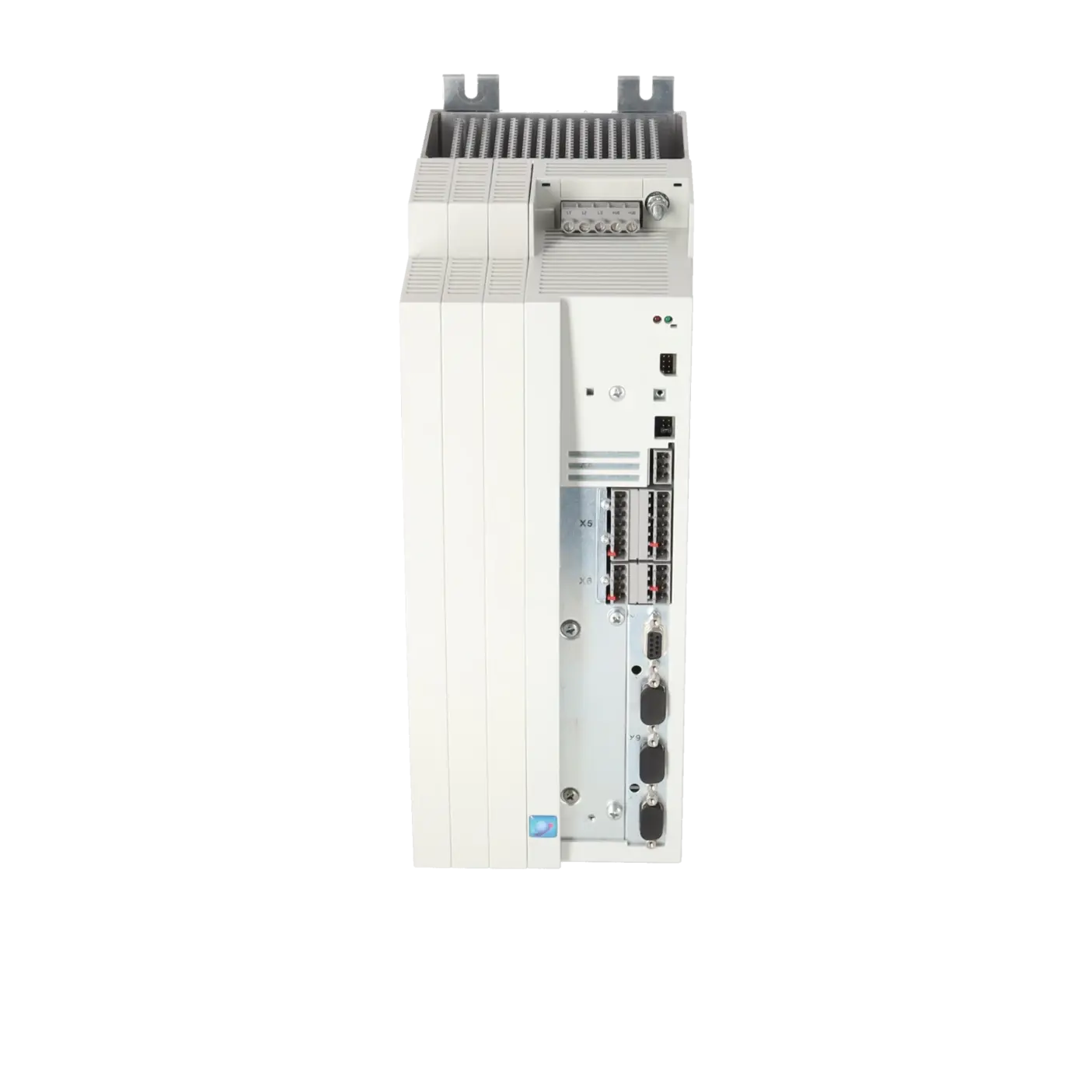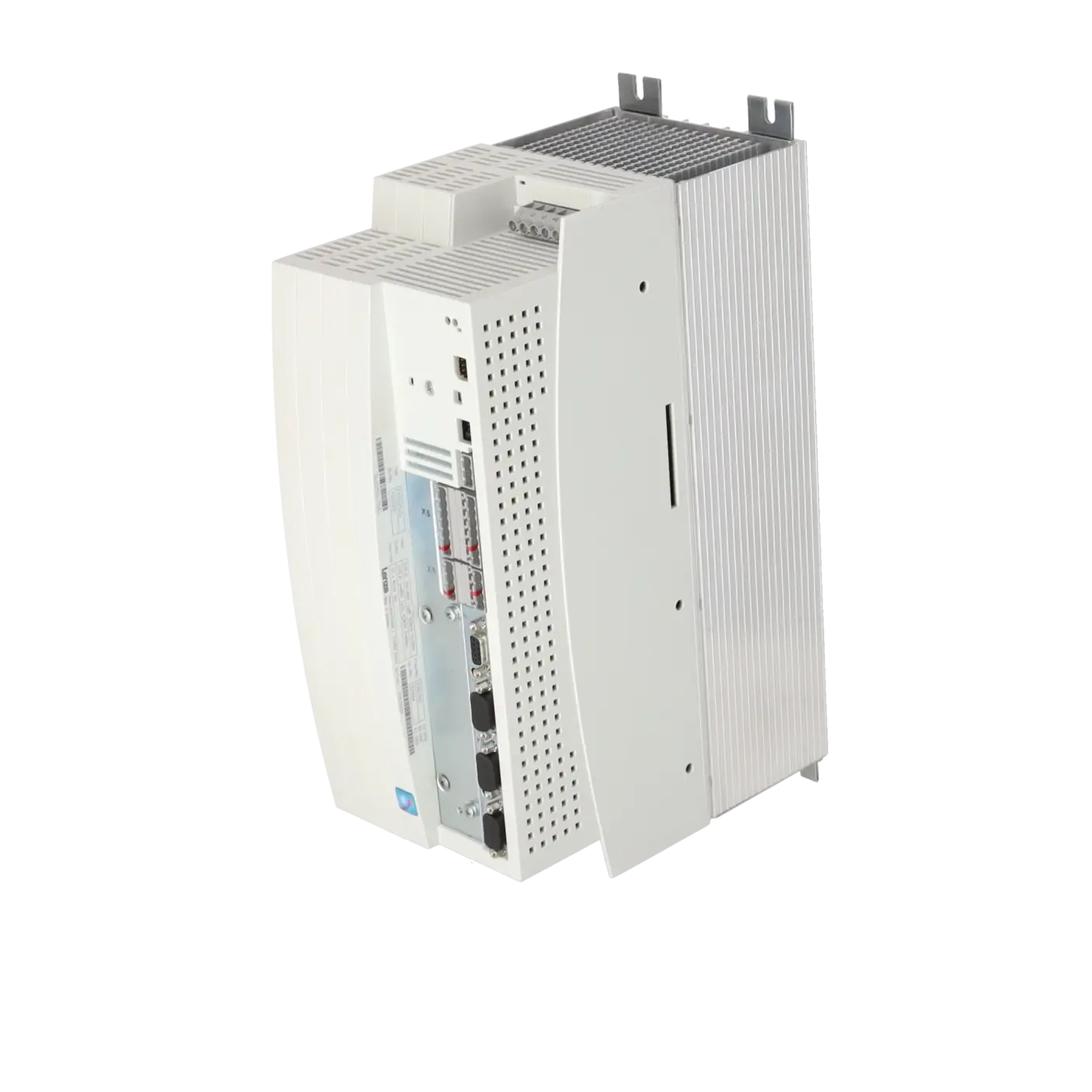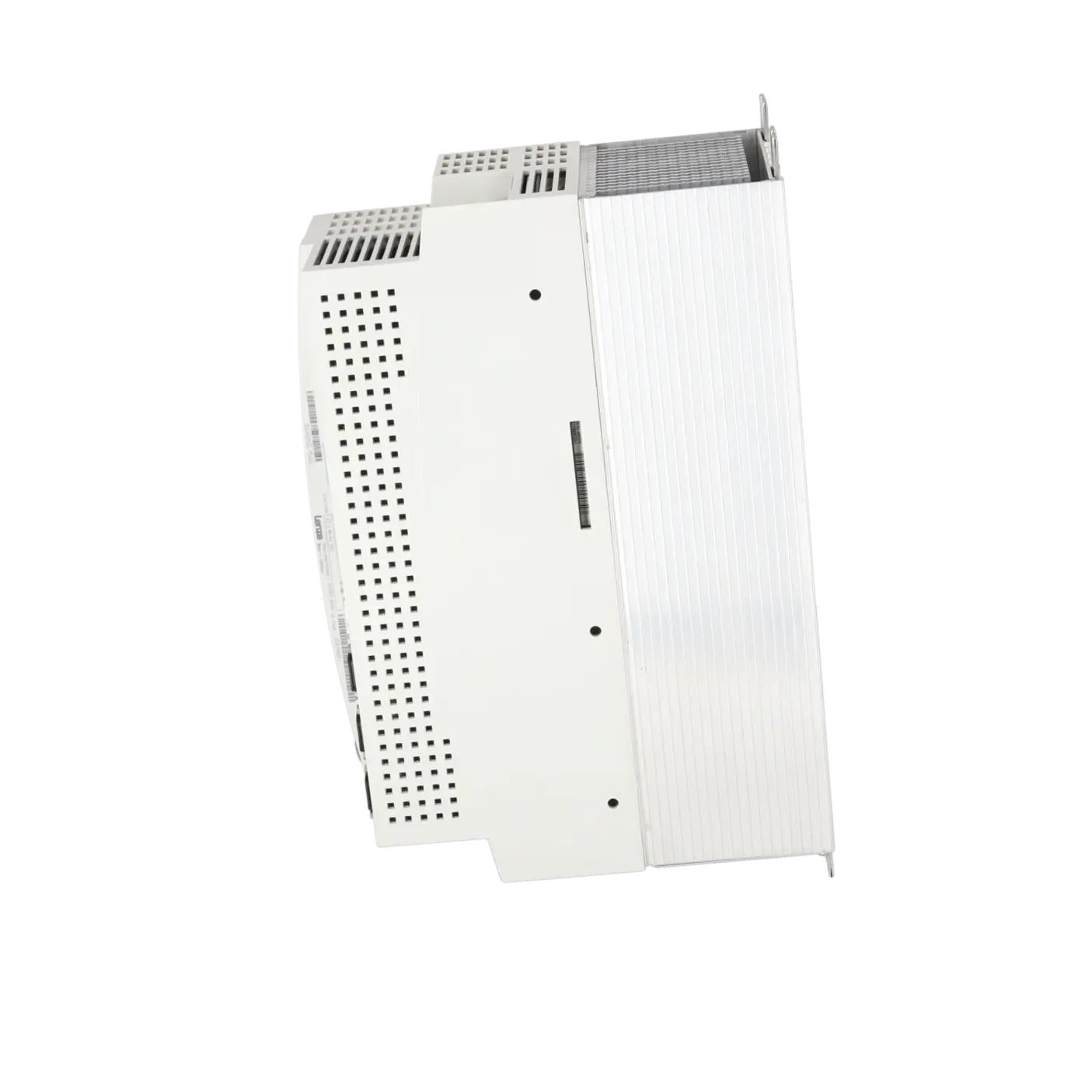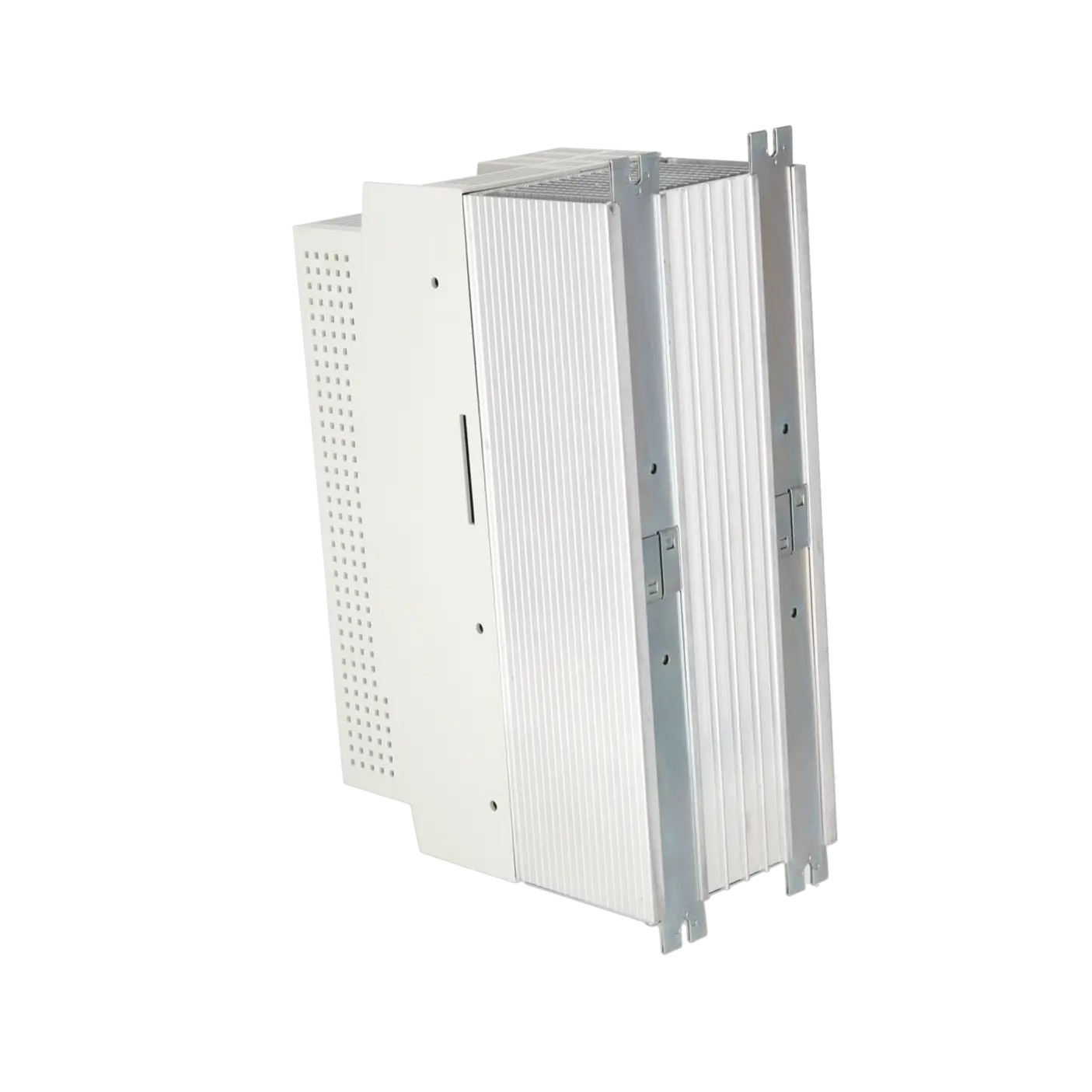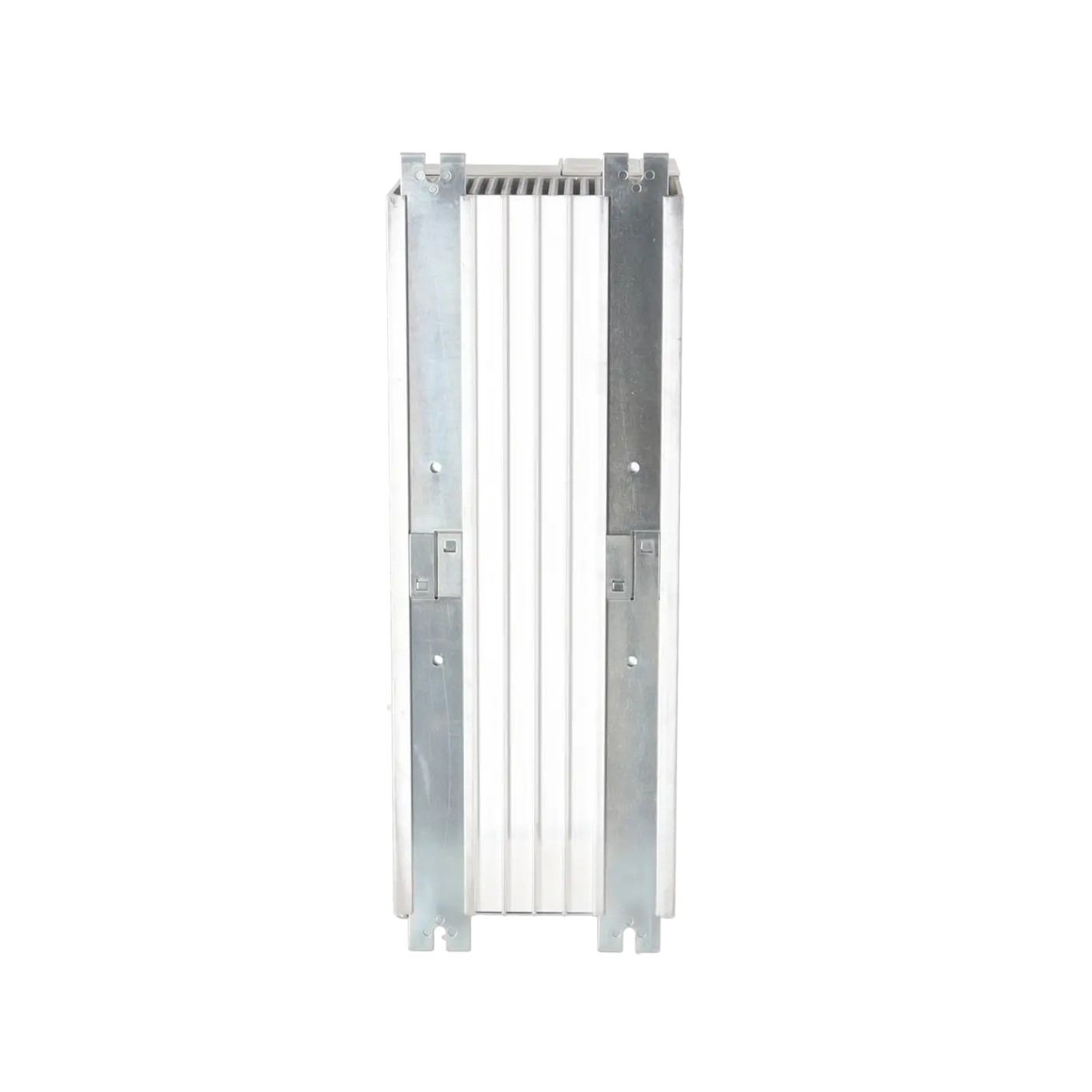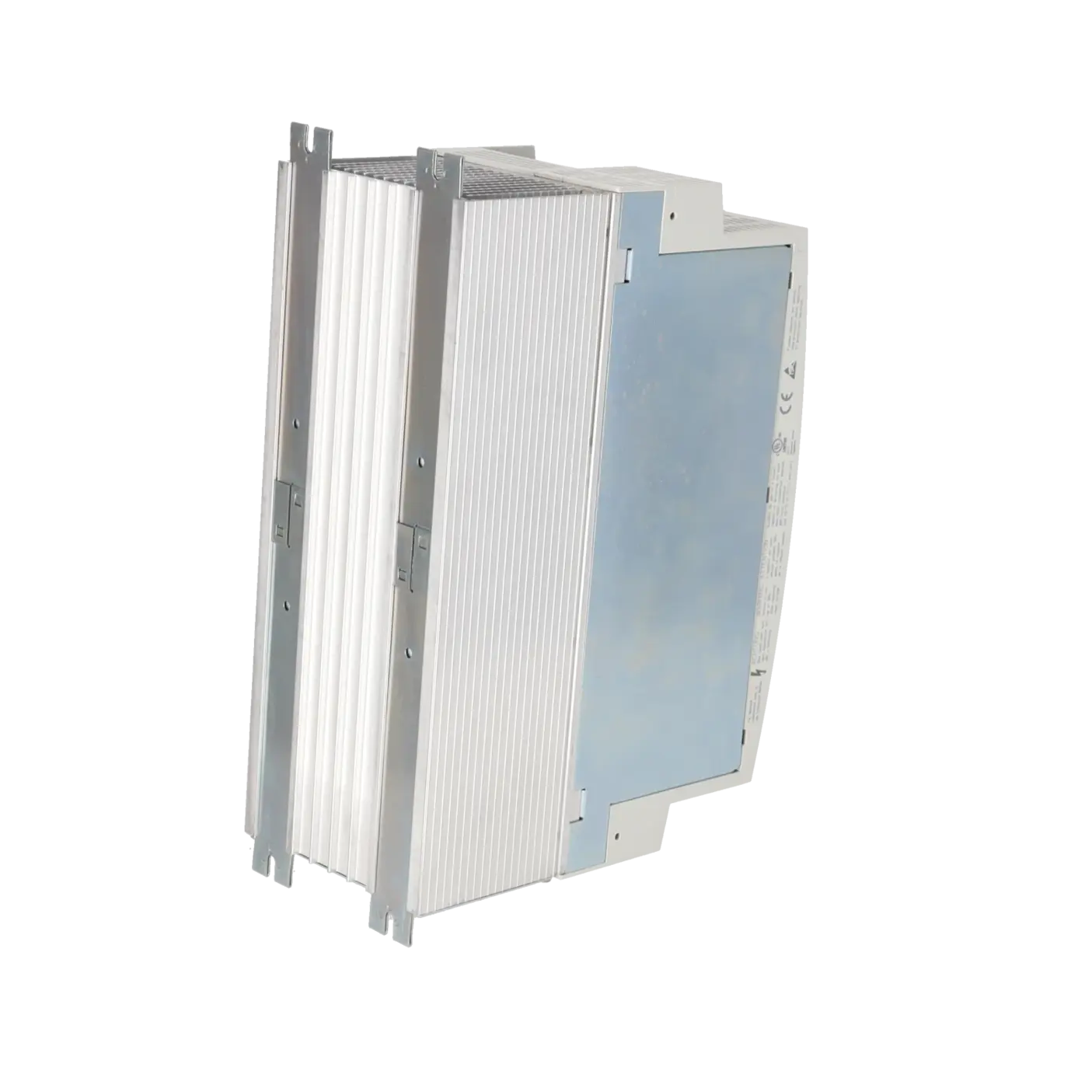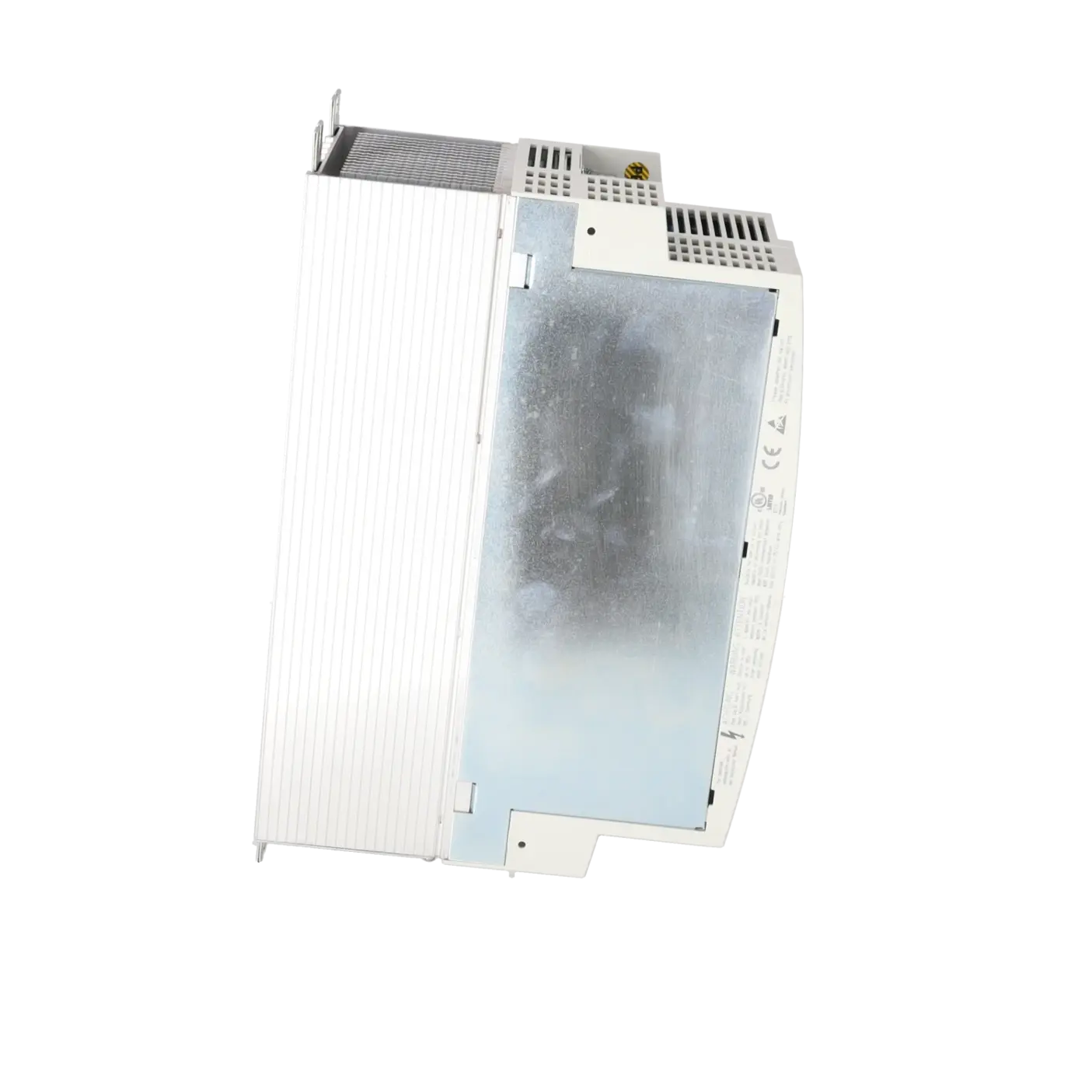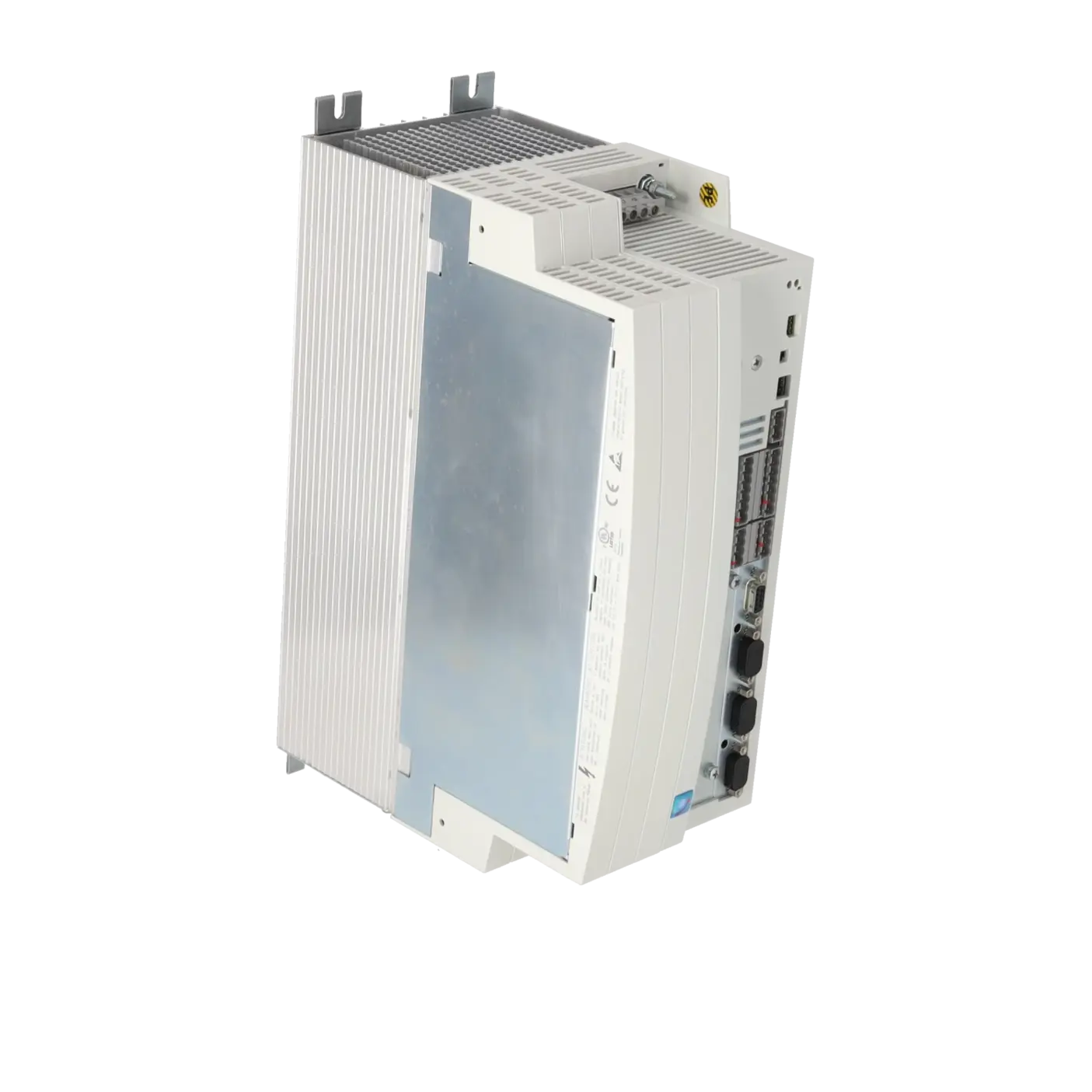
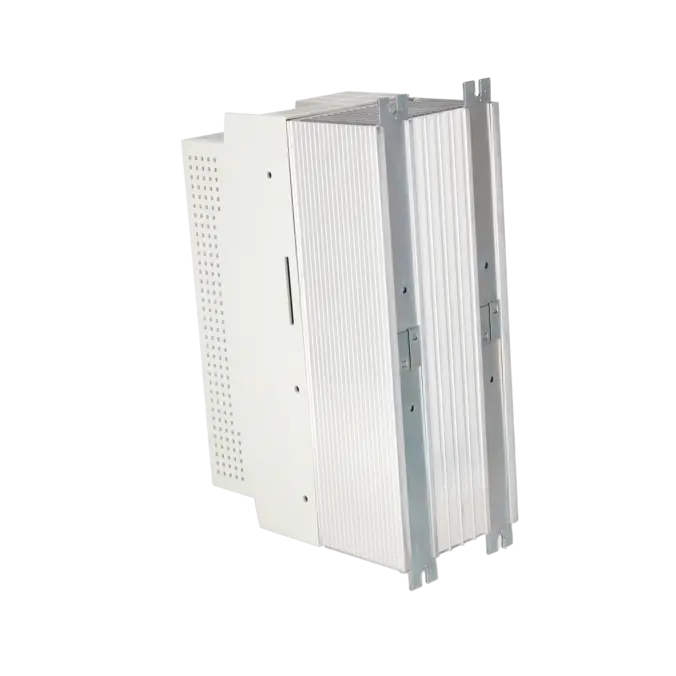
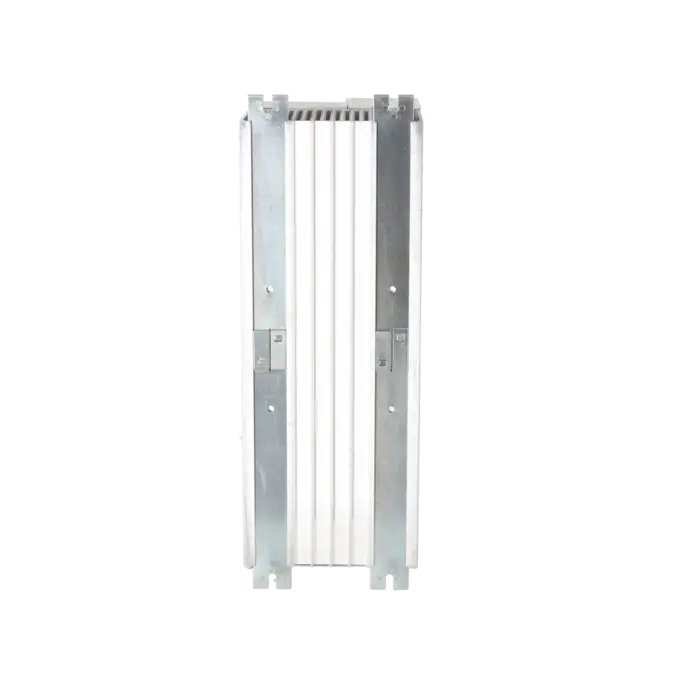
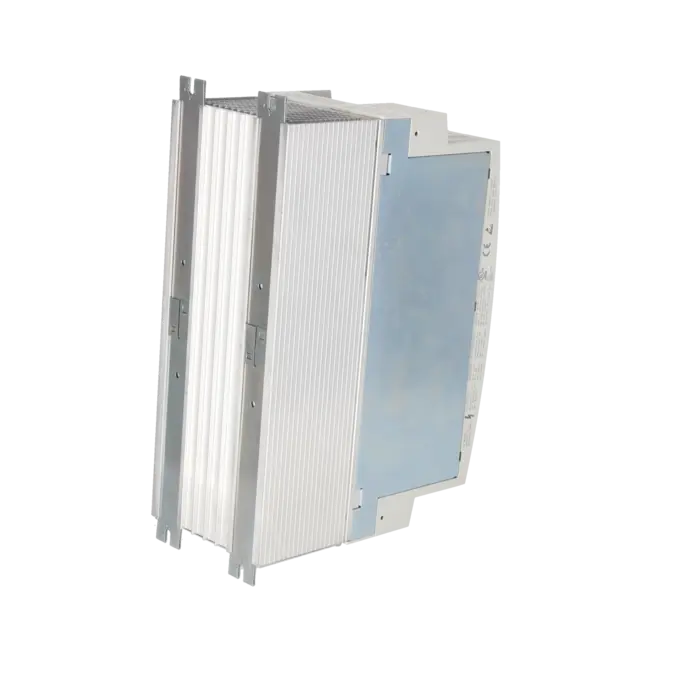
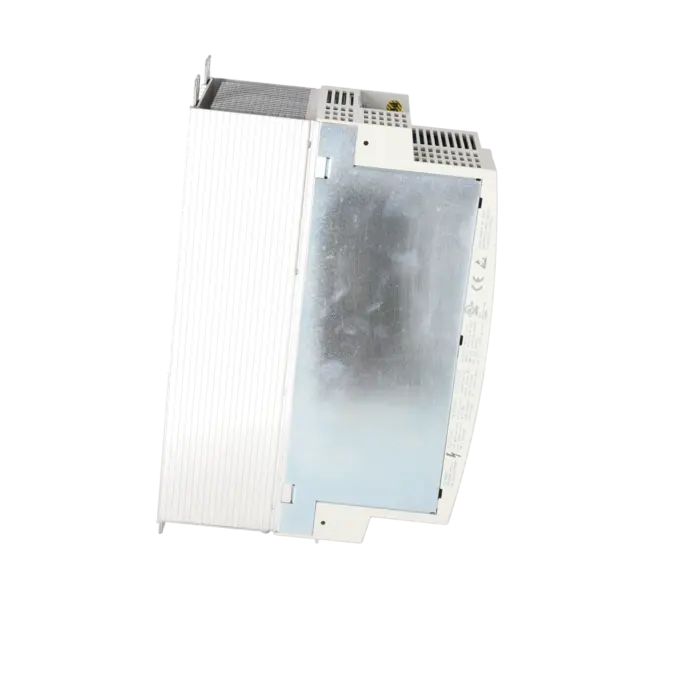
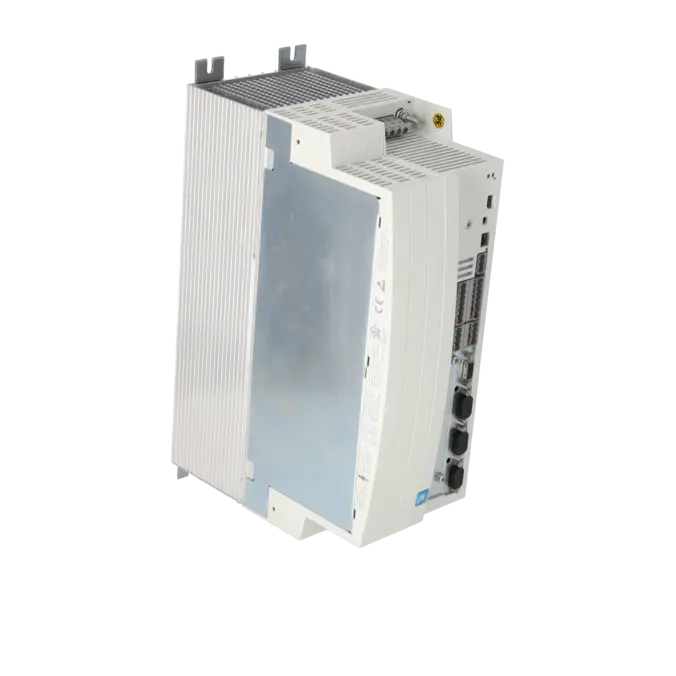
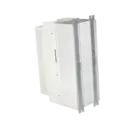
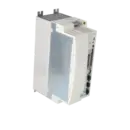
Lenze EVS9325-ES
-
Lenze | Drive Technology | Frequency Converter
- EICHLER-art.no.: K0332903
Product description
LENZE Servo-Umrichter 9300 5,5 KW
Services for Lenze EVS9325-ES
Lenze |
EVS9325-ES –
additional product information
| Delivery information | |||
|---|---|---|---|
| Export identifier | AL: ECCN: | ||
| Net weight | 7 | ||
| Quantity | 1 Stück | ||
| Packaging quantity | 1 | ||
| Additional product information | |||
|---|---|---|---|
| Product status | EOP: 2019-04-30 | ||
| EAN | / | ||
| UPC | / | ||
| Static lot number | 85044087 | ||
| List indicator | / | ||
| Product group | / | ||
| Country of origin | / | ||
| Compliance with the substance restrictions according to RoHS directive | Since: / | ||
| Product classifications | Version | Classification | |
|---|---|---|---|
| eClass | 4 | / | |
| eClass | 5.1 | / | |
| eClass | 6.0 | / | |
| ETIM | 3 | / | |
| ETIM | 4 | / | |
| ETIM | 5 | / | |
What is EVS9325-ES and where is it used?
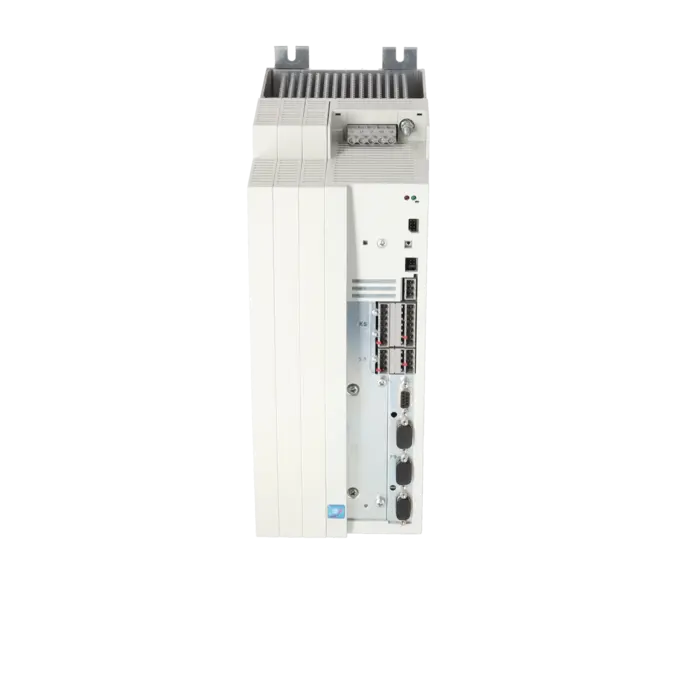
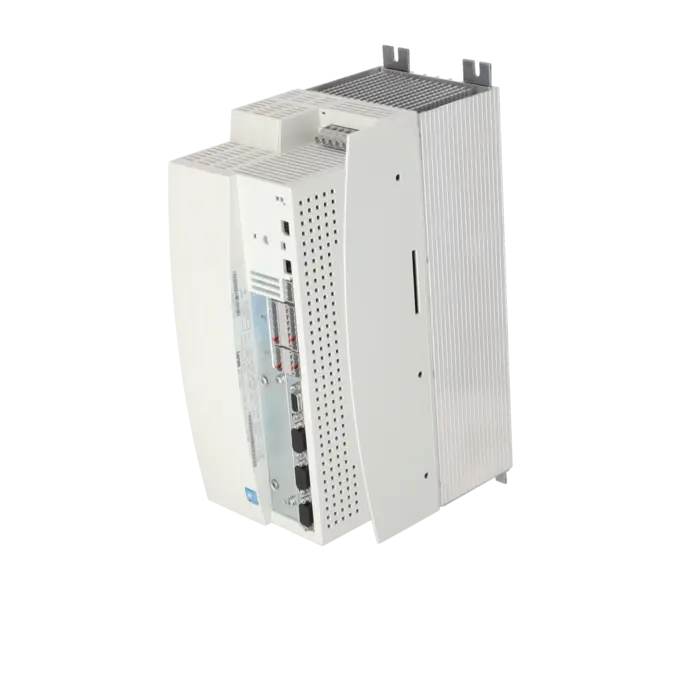
The EVS9325-ES is a Lenze 9300 Standard Servo drive controller in panel-mount design. Within the 9300 series, the designation 9325 identifies the 5.5 kW power class, E indicates the panel-mounted version, and S denotes the servo drive variant. Lenze positions the 9300 series as a drive solution for modular machinery where individual processes are controlled independently. Typical applications therefore include servo axes, positioning tasks, conveyor and handling systems, winding applications, and dynamic legacy installations in packaging, textile, logistics and general machine-building industries. For maintenance teams and purchasing departments, the drive is particularly relevant when an existing 9300 installation needs to be maintained with minimal modification, avoiding costly retrofits and reducing downtime.
What are the key technical specifications and what do they mean?
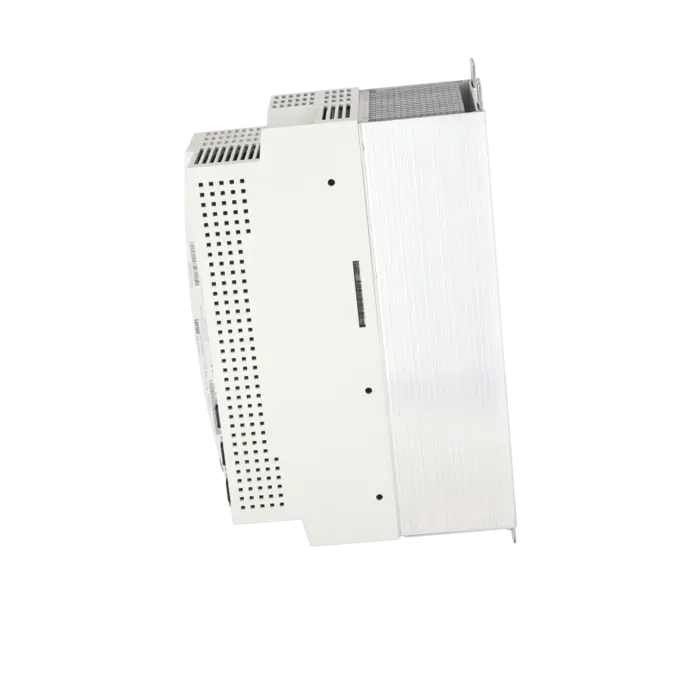
Technically, the EVS9325-ES operates in the 400 V range with a 3/PE AC supply of 320 to 440 V at 45 to 65 Hz, or alternatively from a DC bus voltage of 450 to 620 V. At 8 kHz, Lenze specifies a mains current of 12.0 A with a line reactor and 16.8 A without a line reactor, a typical motor rating of 5.5 kW, an output power of 9.0 kVA, and a rated output current of 13.0 A, with short-term peaks of up to 19.5 A. In practice, these values determine motor selection, cable sizing, thermal reserves and control cabinet design. Additional features include a resolver input, incremental encoder interface, and integrated digital and analogue I/O. The standard housing dimensions are approximately 135 mm wide, 384 mm high and 365 mm deep, with a weight of around 7.4 kg.
What communication options and commissioning tools are available?
The EVS9325-ES is particularly attractive for integration into existing machinery because the 9300 platform uses a uniform operating concept and can be adapted to different fieldbus environments via plug-in AIF communication modules. Lenze supports communication options including LECOM RS232/RS485, LON, INTERBUS, PROFIBUS-DP, and DeviceNet/CANopen. For operation, diagnostics and data backup, the XT keypad and Global Drive Control (GDC) / GDC easy software are available. An important point for service and spare-parts management is that the 9300 Standard Servo ES is primarily parameterised rather than freely programmed. This allows existing parameter sets, base configurations and communication modules to be backed up and transferred in a controlled manner during repair or replacement.
What is the product life-cycle and obsolescence status?
From a life-cycle perspective, the EVS9325-ES is clearly a legacy product. The specific article number carries an EOP (End of Product) date of 30 April 2019, and Lenze now classifies the entire 9300 series as a predecessor product range. This is important for operators because, while new machine designs based on this platform are generally no longer recommended, many existing installations will continue operating for years to come. Lenze identifies the i950 Servo Drive as the current migration platform and explicitly positions it as a solution for modernising and replacing 9300 devices, including applications in existing PROFIBUS environments. However, whether it represents a true replacement for a specific axis must be verified by reviewing power ratings, feedback systems, wiring, fieldbus requirements and parameterisation.
What EICHLER services are available and when are they relevant?
For maintenance teams, purchasing departments and production managers, the available EICHLER services are particularly valuable when downtime costs, supply risks and obsolescence become the main concern. For the EVS9325-ES, EICHLER offers repair, exchange, used units, and new units on request. Repair is especially attractive when the machine should continue operating with its existing parameters, connections and mounting dimensions, avoiding the need for a retrofit. According to EICHLER, repairs include technical cleaning, preventive maintenance, comprehensive functional testing and a minimum 24-month warranty. In addition, tested used units with short delivery times are available. For operators of obsolete drive systems, these options provide a practical way to maintain spare-parts availability, reduce downtime and make informed repair-versus-replacement decisions.
| Fault description | Possible solution |
|---|---|
| Why does my Lenze EVS9325-ES display the OC5 fault? | OC5 indicates an I x t overload condition. Common causes are excessively long acceleration ramps with overcurrent or continuous operation above the permissible current limits. Check the load profile, acceleration and deceleration ramps, motor data and the sizing of the complete drive system. If OC5 occurs repeatedly, the drive is often undersized for the application or the duty cycle places excessive load on the system. |
| Why does the EVS9325-ES report the OU fault? | OU indicates DC bus overvoltage. This is typically caused by excessive braking energy during rapid deceleration or by an incorrectly designed braking solution. Check the braking resistor, braking chopper, deceleration ramps and whether the braking or regenerative system is correctly dimensioned. This is particularly critical with high inertia loads and short stopping ramps. |
| Why does the EVS9325-ES display the LU message? | LU indicates DC bus undervoltage. Check the mains supply voltage, supply cables, terminals, incoming power supply and whether voltage dips occur under load. If LU appears only intermittently, also inspect for loose connections, damaged supply components or an unstable power supply within the control cabinet. |
| Why does my EVS9325-ES report LP1? | LP1 indicates a motor phase failure or a current limit set too low. Check the motor, motor cable, terminals and the configured current limit. If the mechanical system is operating correctly, the current limit parameter should also be verified, as an excessively low setting can trigger this fault. |
| Why does the Lenze 9300 display the OH fault? | OH indicates heatsink overtemperature. Allow the drive to cool down and check the control cabinet temperature, airflow, heatsink contamination and mounting position. In older systems, blocked ventilation paths or heavily contaminated cooling surfaces are often the root cause rather than the drive itself. |
| Why does my Lenze EVS9325-ES report CE0? | CE0 indicates a communication fault on the Automation Interface. Check that the plug-in communication module or the XT keypad is properly seated, securely fastened and making good electrical contact. If the fault reoccurs during operation, also verify the communication monitoring settings and inspect the complete communication link. |
Is the Lenze EVS9325-ES still a current product?
No, the EVS9325-ES is now clearly part of the spare-parts and legacy-support market. The specific article number carries an EOP (End of Product) date of 30 April 2019, and Lenze officially classifies the 9300 series as a predecessor product range. For operators of existing machinery, the drive nevertheless remains highly relevant because these units often continue to run in productive systems for many years. As a result, repair, exchange and spare-parts procurement must be professionally managed to ensure long-term availability.
Is there a successor to the EVS9325-ES?
Lenze currently identifies the i950 Servo Drive as the modern migration platform for replacing 9300 drives. The manufacturer states that existing 9300-based machines can be modernised more easily using this platform and that, particularly in PROFIBUS environments, replacement solutions may be possible without modifications to the Siemens PLC program. In practice, this means that a manufacturer-supported migration path exists, but there is no universal 1:1 replacement approval for every existing machine. Power ratings, motor feedback systems, fieldbus interfaces, wiring and parameter structures should always be verified before migration.
How is the EVS9325-ES parameterised?
The EVS9325-ES is typically commissioned, operated and diagnosed using Global Drive Control (GDC / GDC easy) software or the XT keypad. Lenze explicitly states that the functionality of the 9300 Standard series is stored within the drive itself and is configured by selecting and adjusting parameters. This is particularly important for service and replacement applications because not only the hardware but also parameter sets, basic configurations and communication modules must be transferred correctly during repair or exchange.
Which interfaces and fieldbus systems are supported by the EVS9325-ES?
In addition to the standard power connections, the 9300 platform supports resolver and incremental encoder interfaces, digital and analogue I/O, and plug-in AIF communication modules. Lenze specifies support for LECOM RS232/RS485, LON, INTERBUS, PROFIBUS-DP, and DeviceNet/CANopen. For legacy installations, this is particularly important because replacement or procurement decisions must consider not only the article number but also the specific communication module installed in the machine and its compatibility with the existing control system.
What should I consider when purchasing a used EVS9325-ES?
The most important points are the exact model designation, installed communication modules, parameter configuration, feedback technology and mechanical installation requirements. In existing 9300 applications, it should be verified whether the system uses a resolver or incremental encoder, which fieldbus interface is installed and whether the drive ratings match the connected motor. Dimensions, weight and documented test status are equally important. These verification points are derived directly from the drive's technical specifications, communication options and parameter-based operating concept.
When is repair more sensible than replacement?
Repair is usually the more economical option when the existing machine should continue operating without modification using its current parameters, connections and mounting dimensions. This is especially true for obsolete products where a retrofit would introduce additional risks, longer downtime or extra engineering effort. At EICHLER, repair includes technical cleaning, preventive maintenance, comprehensive functional testing and a minimum 24-month warranty. Replacement is often the better choice when immediate availability is the priority or when a tested used unit can restore production even more quickly.