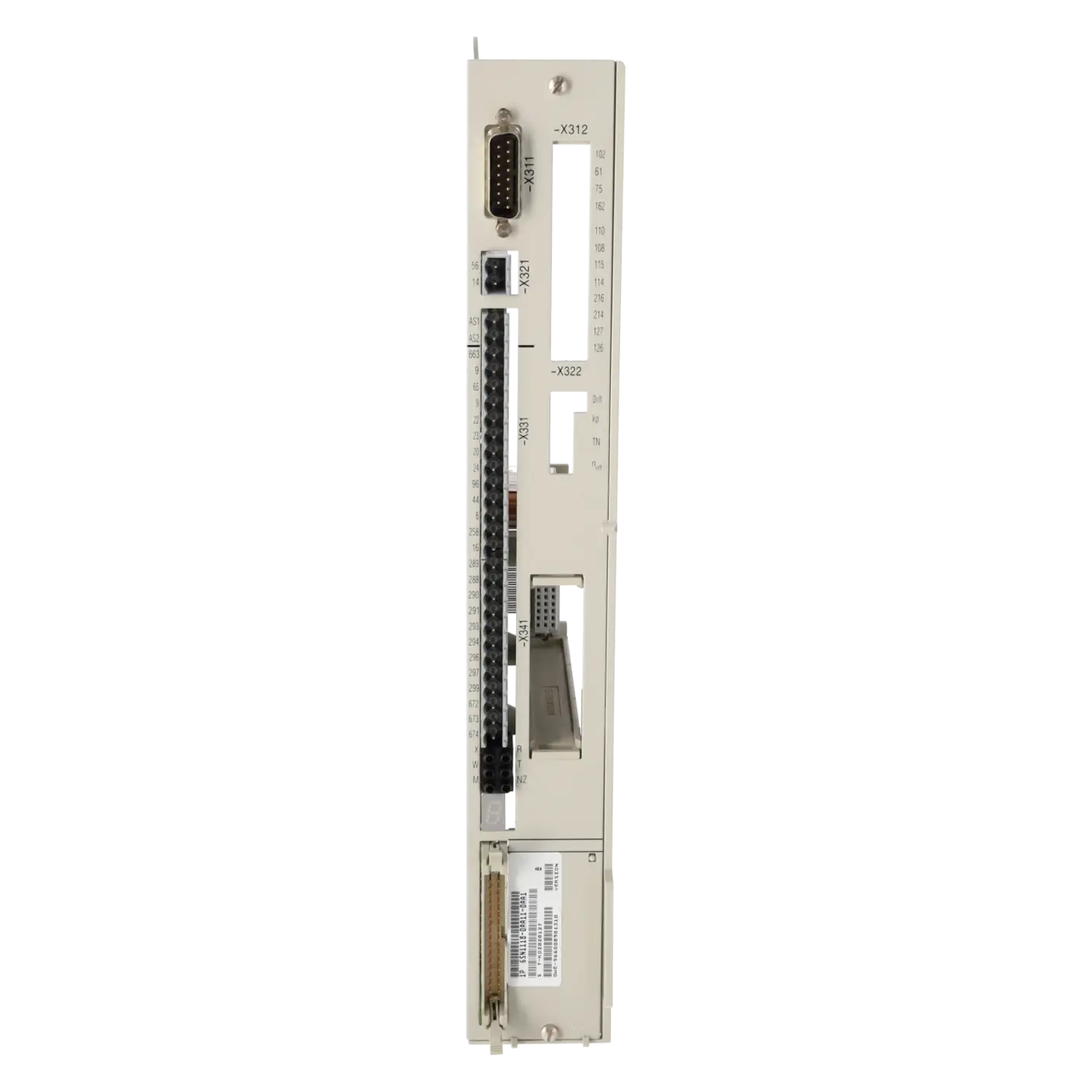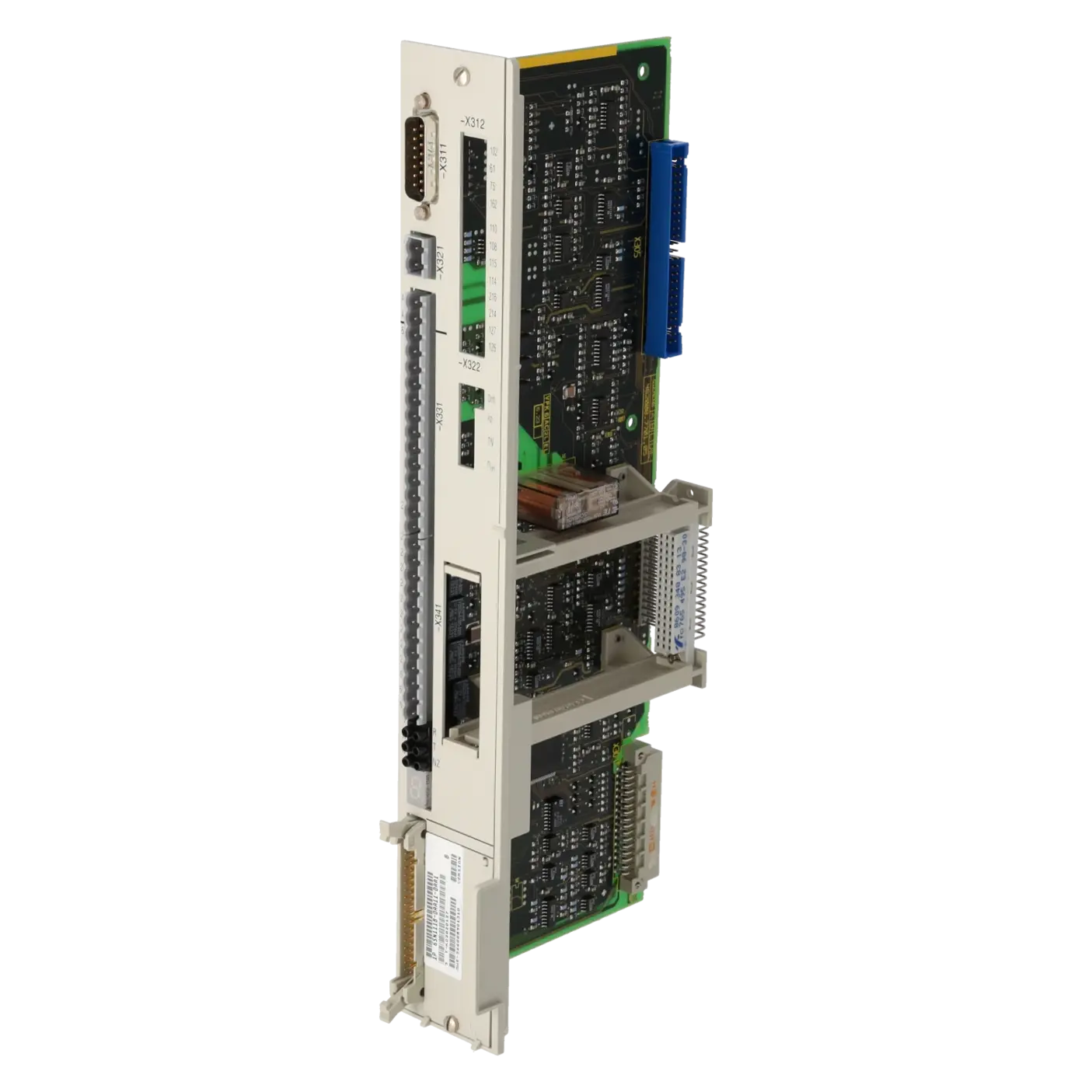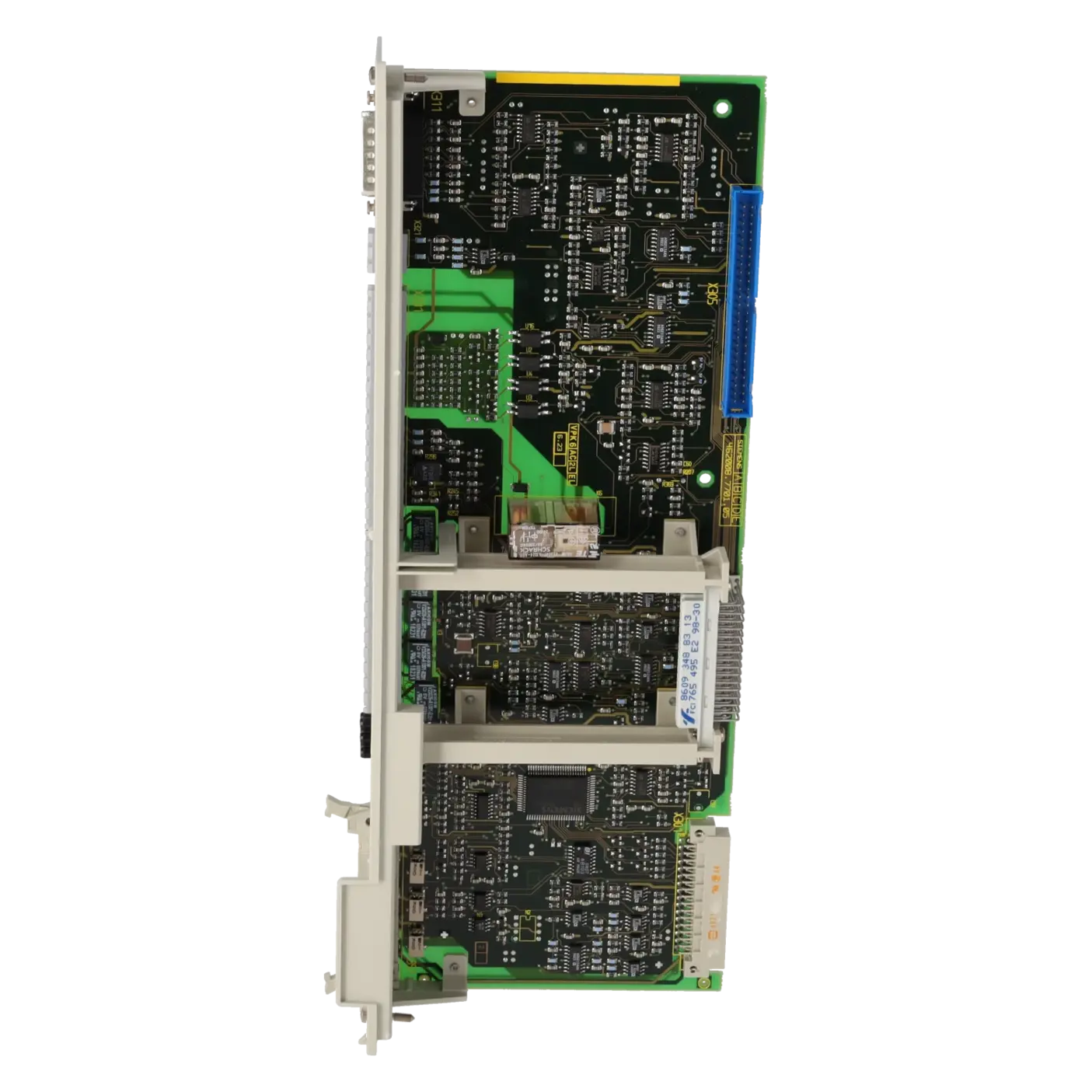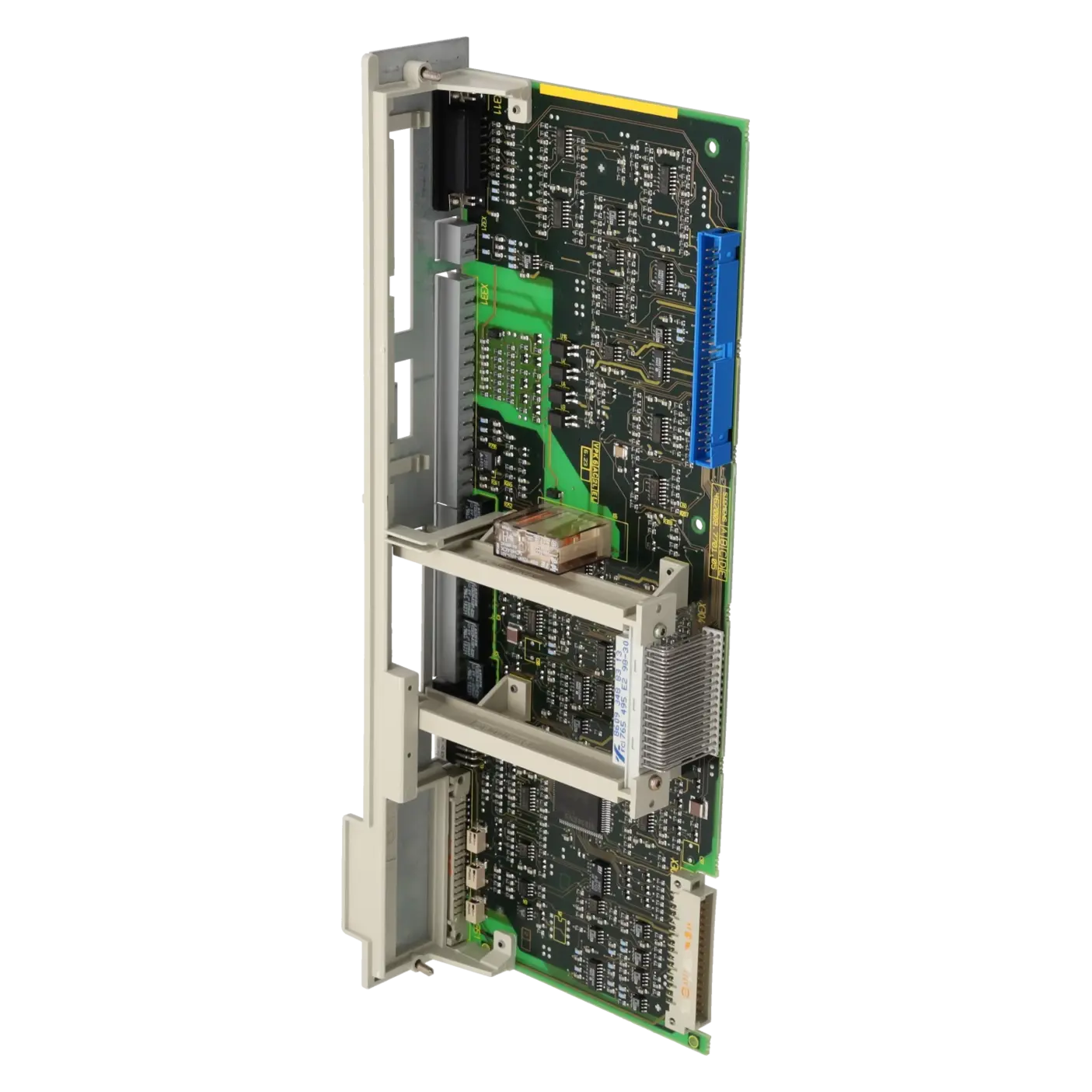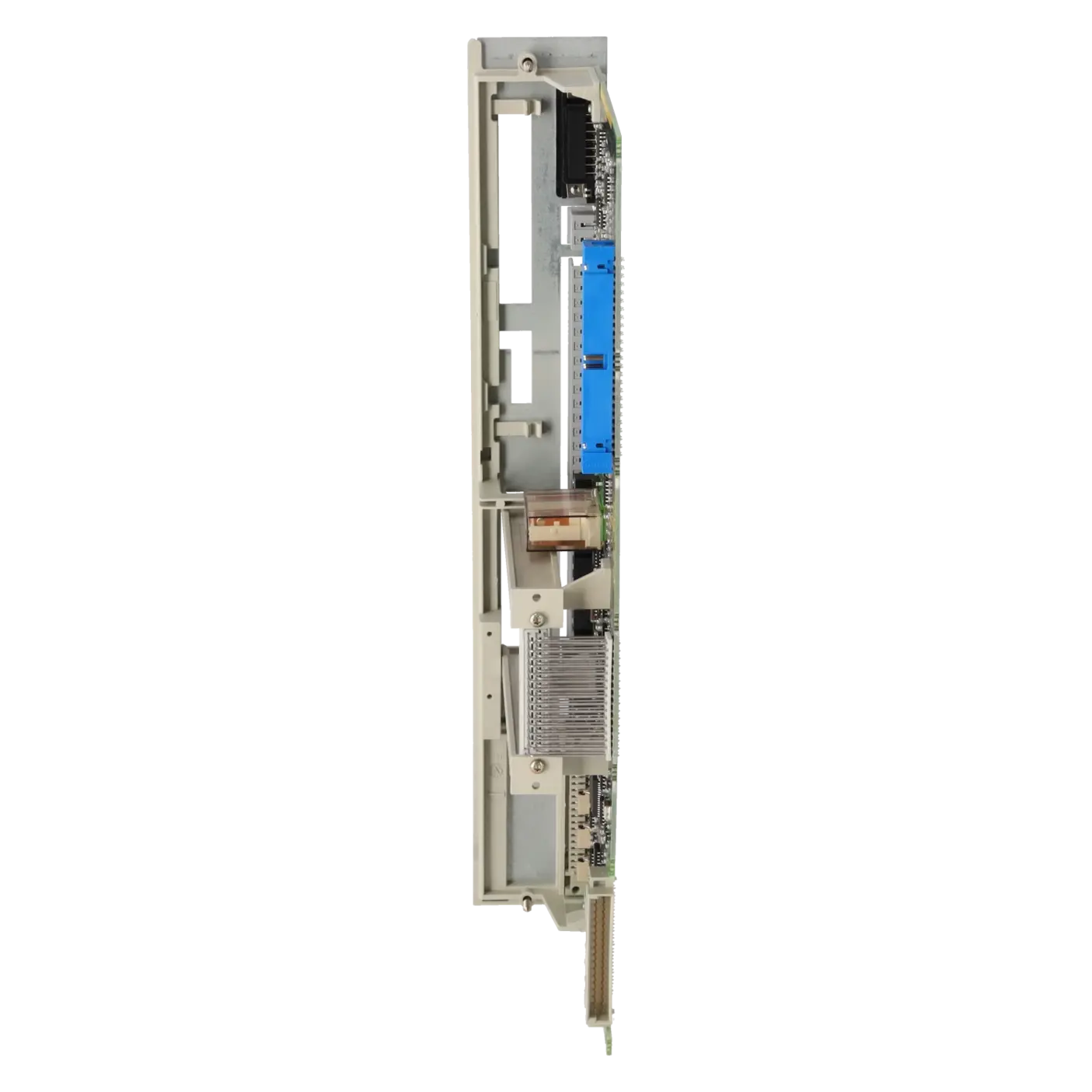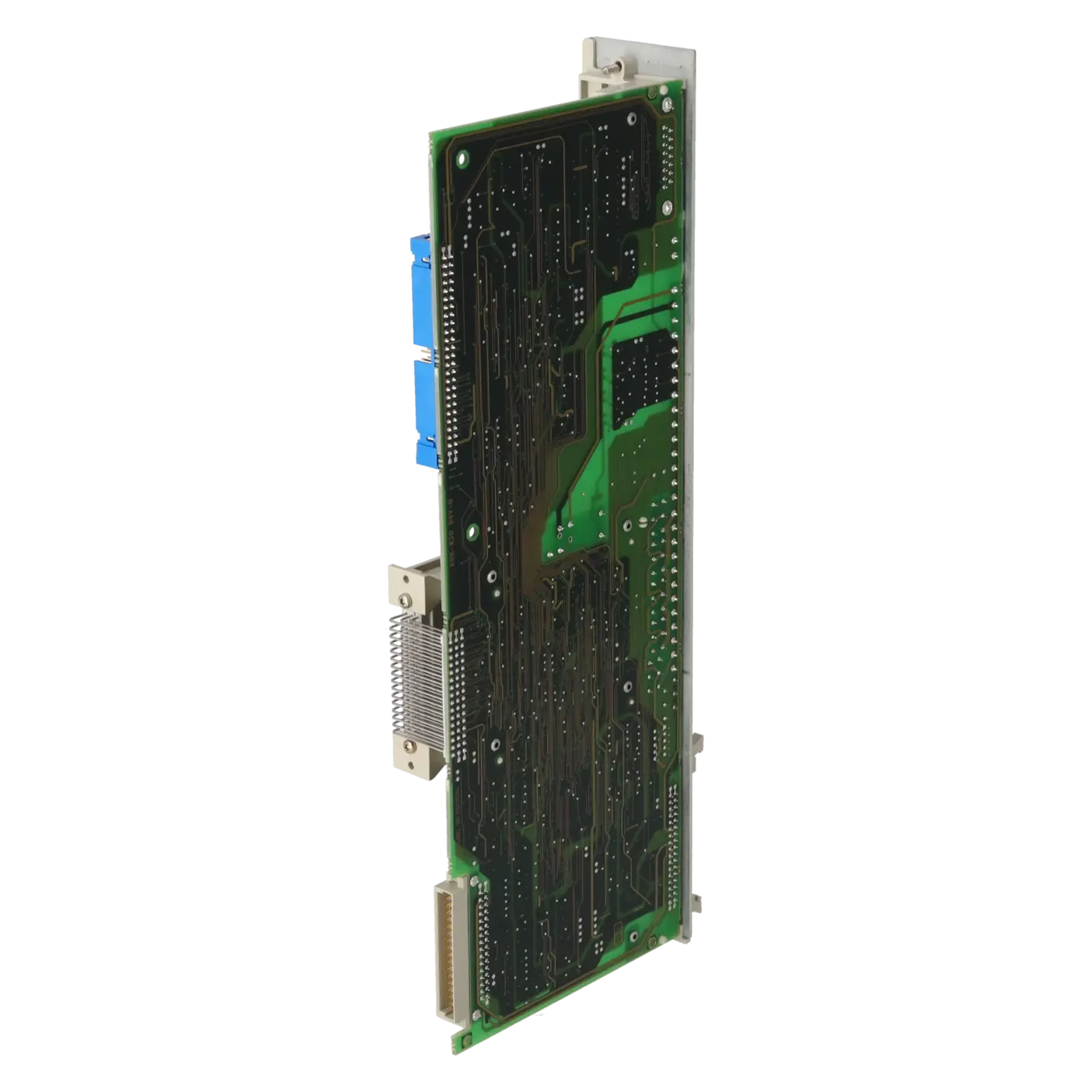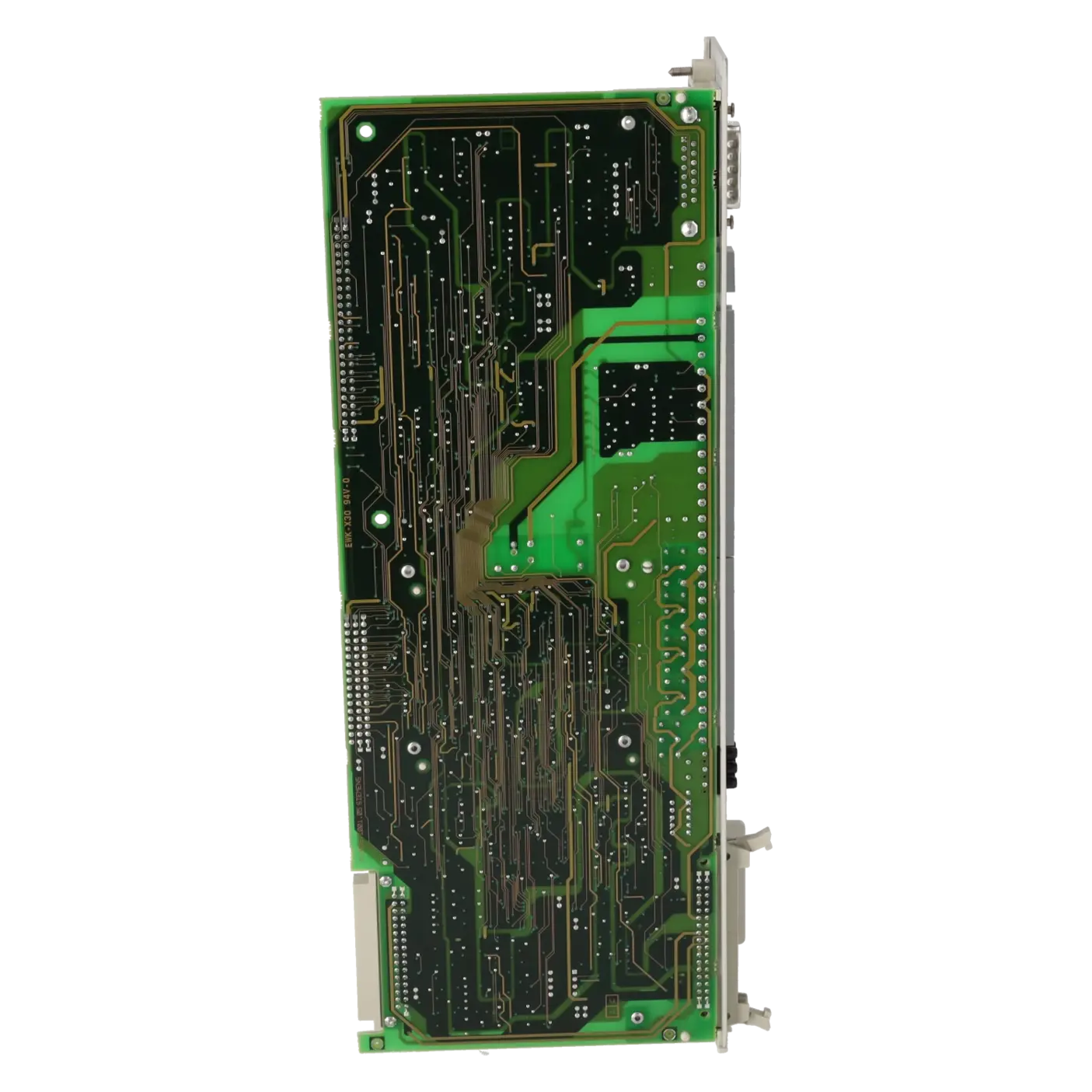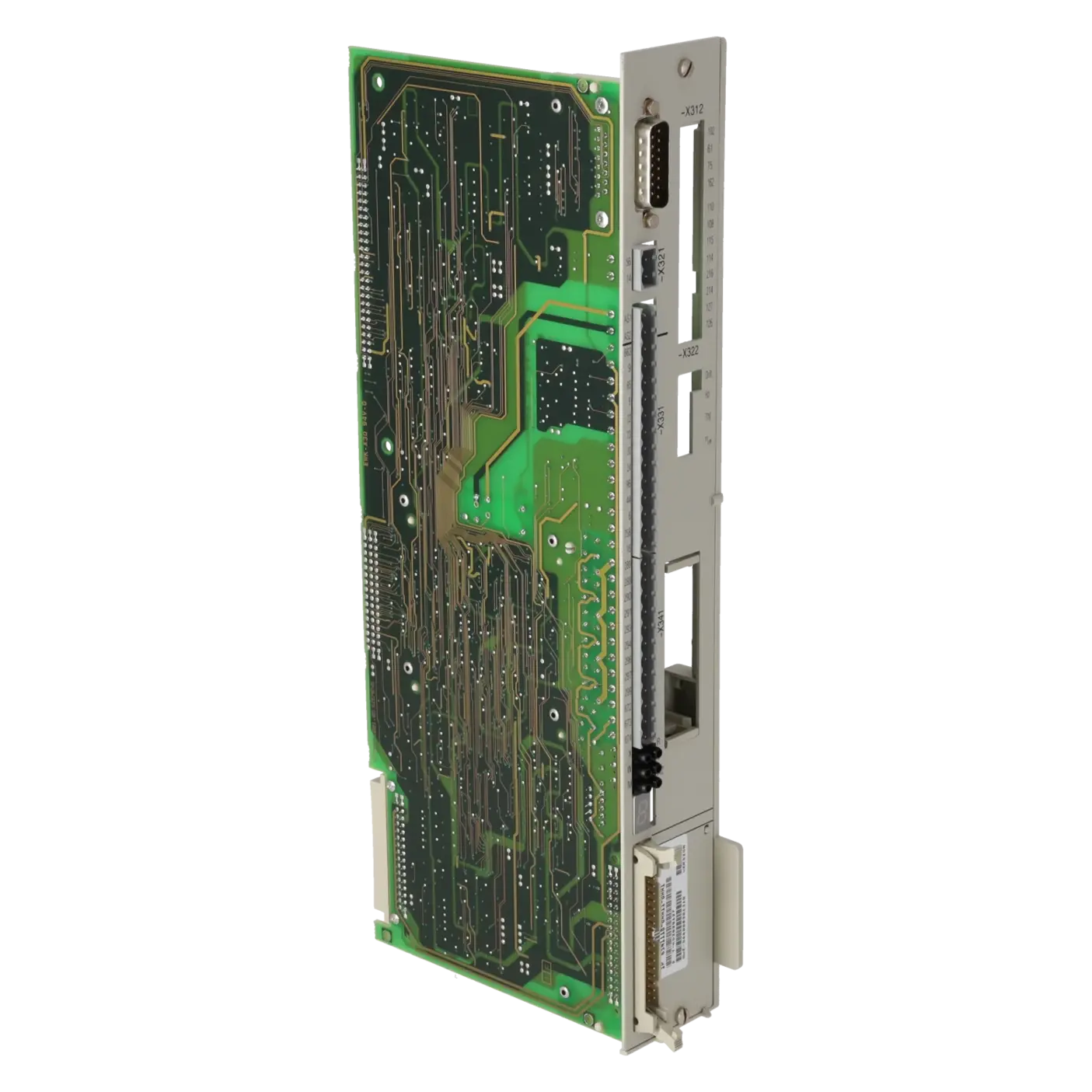
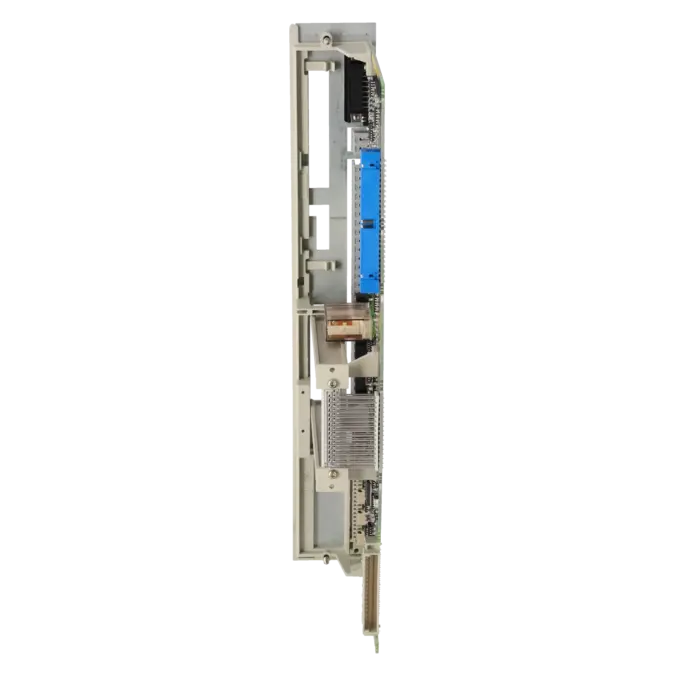
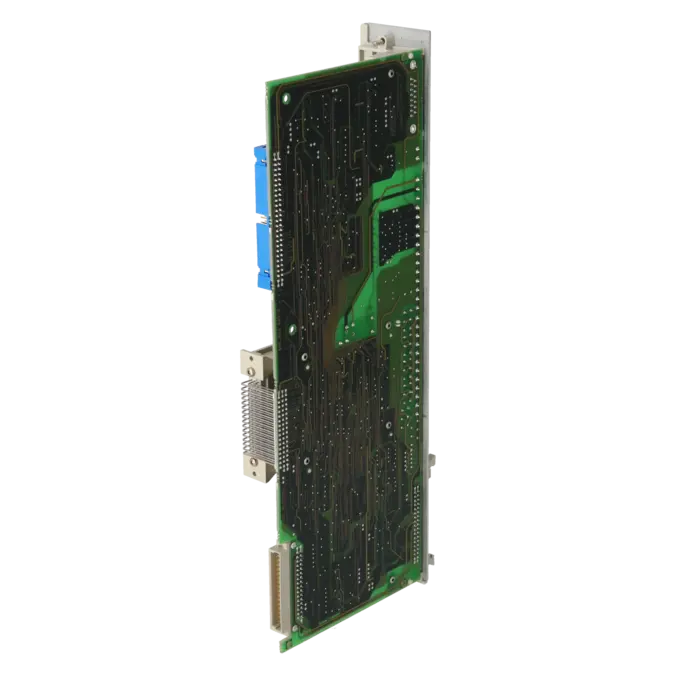
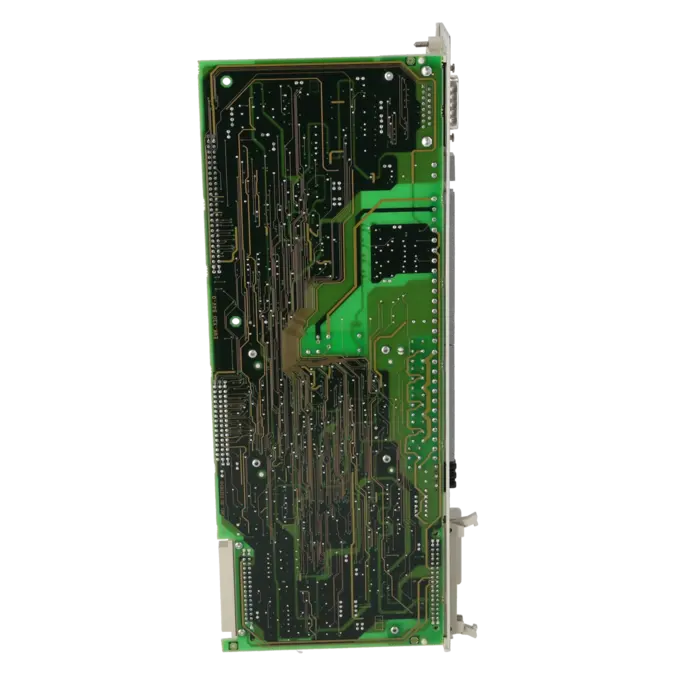
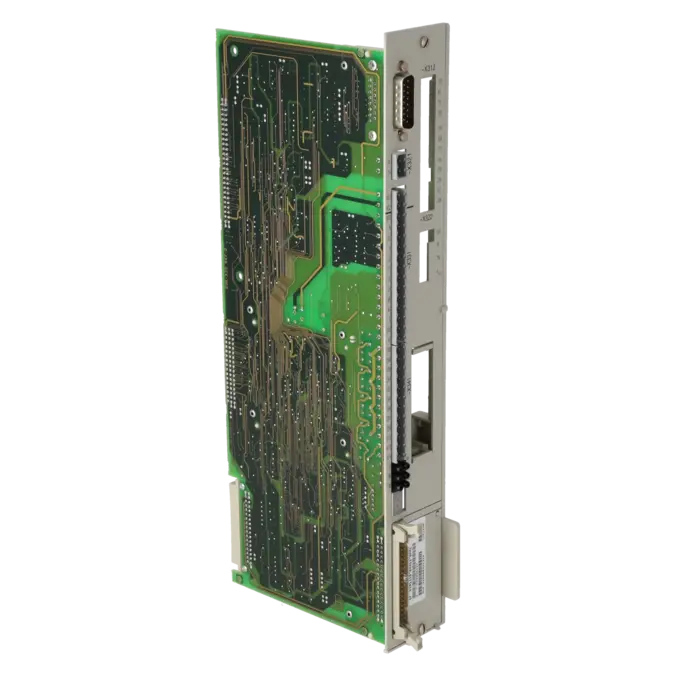
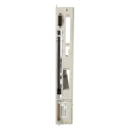
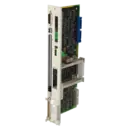
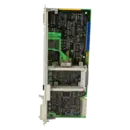
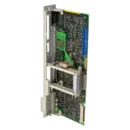
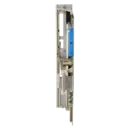
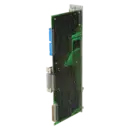
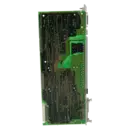

SIEMENS 6SN1118-0AA11-0AA1
-
SIEMENS | Drive Technology | Control and Measuring Plug-In Units
- EICHLER-art.no.: K0063595
- EAN: 4025515013662
Product description
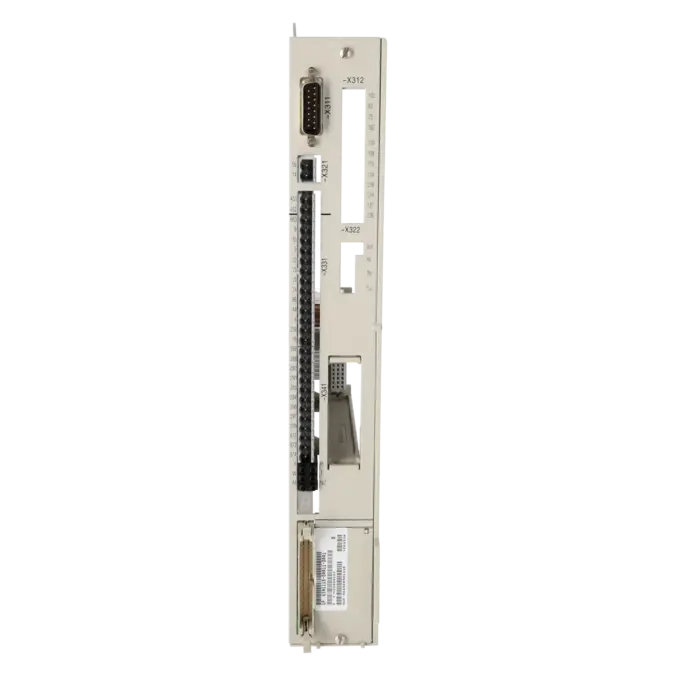
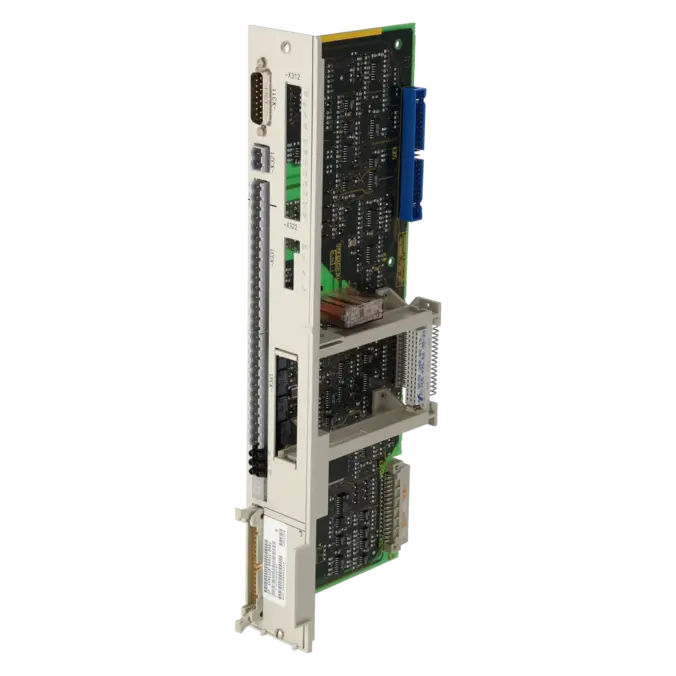
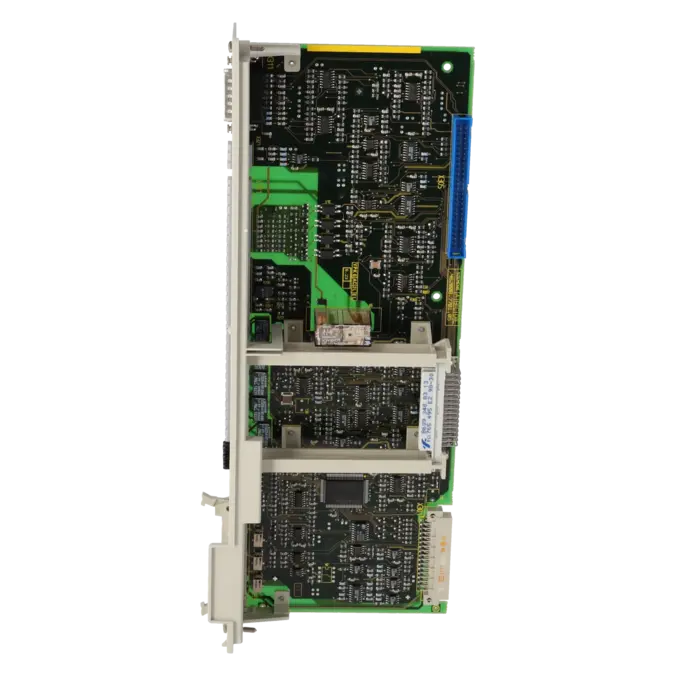
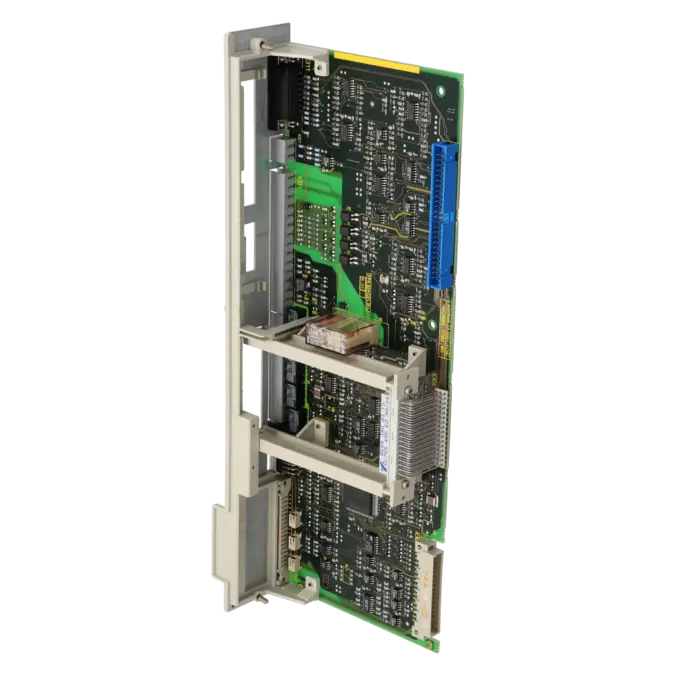
SIMODRIVE 611-A CLOSED-LOOP PLUG-IN CONTROL UNIT, 1 AXIS, FOR FEED DRIVES WITH 1FT5, ENHANCED INTERFACE
Services for SIEMENS 6SN1118-0AA11-0AA1
SIEMENS |
6SN1118-0AA11-0AA1 –
additional product information
| Delivery information | |||
|---|---|---|---|
| Export identifier | AL: ECCN: | ||
| Net weight | 0.43 | ||
| Quantity | 1 Stück | ||
| Packaging quantity | 1 | ||
| Additional product information | |||
|---|---|---|---|
| Product status | EOP: 2004-10-01 | ||
| EAN | 4025515013662 | ||
| UPC | / | ||
| Static lot number | 85049090 | ||
| List indicator | / | ||
| Product group | 9313 | ||
| Country of origin | DE | ||
| Compliance with the substance restrictions according to RoHS directive | Since: / | ||
| Product classifications | Version | Classification | |
|---|---|---|---|
| eClass | 4 | / | |
| eClass | 5.1 | / | |
| eClass | 6.0 | / | |
| ETIM | 3 | / | |
| ETIM | 4 | / | |
| ETIM | 5 | / | |
What is 6SN1118-0AA11-0AA1 and where is it used?
The 6SN1118-0AA11-0AA1 is a SIMODRIVE 611-A control module for one axis. The unit is designed for analogue feed drives and is used in combination with SIEMENS 1FT5 servo motors. Typical applications include machine tools, grinding machines, machining centres and other legacy systems where precise feed-axis control is required. For maintenance personnel, it is important to note that this is not a universal control board, but a dedicated solution for 1FT5-based axis drives within the SIMODRIVE 611 environment. For purchasing and production departments, the exact part number is critical because it helps prevent ordering errors when dealing with obsolete drive systems.
Overview of the key technical data and what it means
The most important technical characteristics are the single-axis design, the analogue feed control system, the Comfort Interface and the dedicated use with 1FT5 motors. The Comfort Interface provides diagnostic and measurement points: R for speed setpoint, NZ for current setpoint, T for auxiliary setpoint, M for actual current value and W for actual speed value. At connector X321, the speed setpoint is processed as a differential input with 0 to ±10 V. Connector X331 carries signals such as pulse enable and controller enable. The motor connection is located at U2/V2/W2 with 3-phase AC 0…450 V. Motor feedback signals, including tachometer, rotor position encoder and PTC signals, are connected via X311/X313. According to the available technical data, the module weighs approximately 0.42 kg.
Product status, life-cycle status and obsolescence
For the 6SN1118-0AA11-0AA1, an EOP (End of Product) date of 1 October 2004 is listed in the researched product data. This clearly identifies the unit as an obsolescence-related spare part within existing installations. For operators, this means the module is primarily relevant in the context of maintenance support, repair, exchange services and spare-parts strategies, rather than for new machine designs. In systems with high downtime costs, it is often advisable to maintain spare stock or establish a reliable repair and exchange process. Based on the publicly available Siemens primary sources reviewed, I could not verify a direct Siemens-approved replacement specifically for 6SN1118-0AA11-0AA1.
Available EICHLER services and when they are relevant
For this module, EICHLER offers repair, exchange, used units and new units on request. Repair is particularly attractive when the original board should remain in service and a technically documented refurbishment is preferred. According to EICHLER, the repair process includes technical cleaning, preventive maintenance, comprehensive functional testing and a minimum 24-month warranty. Exchange services are particularly useful in the event of an urgent machine breakdown, with a stated delivery time of 1–3 days. Tested used modules are also available at short notice. For purchasing departments and decision-makers, these options are important because they help reduce downtime costs, secure spare-parts availability and keep older SIMODRIVE 611 installations operational despite obsolescence.
| Fault description | Possible solution |
|---|---|
| Why does my 6SN1118-0AA11-0AA1 display Fault 1 or H1? | Siemens assigns this fault to an excessive RMS torque or an ambient temperature above 40 °C. First check the mechanics for excessive friction, the axis load, the cooling within the control cabinet and the thermal load on the motor. With 1FT5 drives, the temperature monitoring system indicates a critical winding temperature but does not automatically shut down the motor internally. Therefore, the axis should be unloaded immediately and the thermal cause eliminated. |
| Why does the 6SN1118-0AA11-0AA1 display Fault 2 or H2? | Siemens identifies a faulty feedback cable, incorrect shield connection or a defective motor encoder as possible causes. Inspect the complete encoder cable between the motor and connectors X311/X313 for broken conductors, loose contacts and correct shielding. Pay particular attention to the rotor position encoder, tachometer and PTC signals according to the Siemens pin assignment. Only after the cable, shielding and encoder have been conclusively ruled out should the control module itself be considered suspect. |
| Why does my 6SN1118-0AA11-0AA1 display Fault 6 immediately during startup? | Siemens describes Fault 6 as being caused by an incorrect motor connection, excessive external inertia or excessive RMS torque due to a mechanical blockage. In practice, first check U2/V2/W2, motor direction of rotation, encoder connections and enable signals. Then mechanically decouple the axis and verify that it moves freely. In a PLCtalk case involving this exact module, the motor, encoder cable, tachometer board, power supply and terminal connections were also checked because Fault 6 can occur with both axis-related faults and wiring errors. |
| Why does the 6SN1118-0AA11-0AA1 display Fault 7 after power-up? | Siemens specifies that this fault is caused by an interrupted motor cable, a short circuit or an earth fault in the motor wiring. According to the manual, the fault is not repairable and requires replacement of the module. Before replacing the unit, however, the motor cable, insulation resistance to PE, connectors and the motor itself should be thoroughly checked. In a PLCtalk case involving the same control module, these exact checks were performed before narrowing the fault down to either the module or the motor. If Fault 7 remains after the motor and cabling have been verified, module replacement is the appropriate next step. |
Is 6SN1118-0AA11-0AA1 still available or has it been discontinued?
The module is clearly obsolescence-relevant. An EOP date of 1 October 2004 is associated with this part. In practice, ongoing operation is typically supported today through repair services, exchange units, used modules or new units on request. For operators of older machine tools, the key factor is therefore not new project implementation but a reliable spare-parts strategy with fast response times in the event of a failure.
For which motors and applications is 6SN1118-0AA11-0AA1 intended?
The module is designed for analogue feed drives with 1FT5 servo motors and controls one axis. It is therefore primarily suited to legacy machines within the SIMODRIVE 611-A environment, where a single feed axis must be controlled with high precision. For purchasing departments, it is important to understand that this specification is more restrictive than that of universal SIMODRIVE variants. Anyone looking for a different motor family or a digital solution should not determine compatibility solely from the module type but from the complete part number and the existing drive concept.
Do I need a setting module for 6SN1118-0AA11-0AA1?
Yes. Siemens specifies the 6SN1114-0AA01-0AA0 setting module as a required component for the VSA analogue Comfort version. This is important for maintenance personnel during replacement and troubleshooting because an incomplete or incorrectly configured combination can result in unnecessary diagnostic effort. When purchasing used or exchange units, it should therefore always be verified that the associated setting module is present, compatible and correctly transferred into the machine.
What diagnostic capabilities does the Comfort Interface provide?
The Comfort Interface offers a significant practical advantage because it provides measurement points for important controller variables. These include speed setpoint, current setpoint, auxiliary setpoint, actual current value and actual speed value. Siemens also describes status indications that depend on the setting module, pulse enable and controller enable signals. For service and commissioning, this is valuable because it allows faster differentiation between an enable issue, a signal issue or a genuine power-stage fault.
What should I check before replacing the module?
Before replacing the control module, always verify the 1FT5 motor type, the speed setpoint signal at X321, the enable signals at X331, the encoder and tachometer signals at X311/X313, the PTC monitoring circuit, the motor cable and the mechanical system. Many symptoms that initially appear to indicate a defective control board are actually caused by wiring faults, shielding problems, thermal overloads or mechanical blockages. Only after these points have been conclusively ruled out does replacing the module become the most economical solution.
Which is usually the better option during downtime: repair or exchange?
During an unplanned machine stoppage, an exchange unit is often the faster option, as EICHLER states a delivery time of 1–3 days for this service. If the machine can be stopped in a controlled manner or if the original module is to be retained, repair is often attractive because it includes technical cleaning, preventive maintenance, functional testing and a minimum 24-month warranty. For purchasing and production teams, this is a classic balance between maximum speed in an emergency and long-term maintenance sustainability.