Memory reset of a PLC: Practical Tips for Maintenance Technicians

Safe and efficient PLC memory reset

In modern maintenance, precision determines efficiency. A memory reset of PLCs is a crucial step that can only be carried out successfully with careful preparation. EICHLER demonstrates how technology, safety and sustainability go hand in hand.

What does a memory reset of PLCs mean?

A so-called memory reset describes the complete resetting of a programmable logic controller PLC to its defined initial state. During this process, user programs, parameters, and retentive data are deleted. The controller is then in its delivery state or in the defined basic state according to the system configuration.

In contrast to simply deleting a project or stopping the CPU a memory reset intervenes deeply in the system structure. It affects both the load memory and, depending on the system, parts of the work memory and retentive data areas.

For maintenance technicians, this is not a routine procedure. It is a deliberate intervention with a clear technical justification.

When is a memory reset performed?

In industrial practice, a memory reset only occurs in certain scenarios:

  • During the initial commissioning of a system
  • When setting up a controller again
  • After serious configuration errors
  • In the case of inconsistent memory states

During normal production operation, a memory reset is uncommon. The reason is clear. All production-relevant data are lost. Machine parameters, recipes, or calibration values must then be loaded again.

Particularly in complex automation environments with programs that have developed over many years, an unprepared memory reset can cause considerable breakdown times.

Technical effects on the controller and the system

After a memory reset, the PLC is in a non-operational state. No user program is present. The CPU is in the STOP state. Recommissioning requires:

  1. Loading a complete and up-to-date backup
  2. Transferring the hardware configuration
  3. Loading all technology and safety blocks
  4. Checking the communication interfaces
  5. Validating all machine data

Retentive data are particularly critical. These often contain counter values, production parameters, or safety-relevant values. If these data are not backed up, they must be reconstructed manually. This is time-consuming and prone to errors.

Backup is mandatory - not optional

In maintenance, there is a clear rule. A memory reset may only be performed with an up-to-date backup and complete machine data.

Without data backup, there is a risk of complete data loss. This affects not only the PLC program but also visualisation projects, drive parameters, and communication configurations.

Professional maintenance therefore means:

  • Regular backup of all controller data
  • Version control of projects
  • Documented storage structures
  • Clear approval processes before interventions

A memory reset is not a method for quick problem solving. It is a structured restart.

Considering the life cylce of automation technology

Another aspect is the product life cycle of automation technology. Manufacturers such as Siemens define clear phases from market introduction to discontinuation. Particularly with older controllers, a memory reset can involve additional challenges, for example when software versions or engineering tools are no longer readily available.

This shows how important sustainable maintenance concepts are. Anyone operating automation technology over the long term needs not only spare parts but also in-depth knowledge of system states and data structures.

Sustainability through professional maintenance

EICHLER has stood for the sustainable repair of automation technology for many years. Instead of prematurely replacing functioning systems, they are inspected, analysed and repaired. This saves resources and avoids electronic waste.

Particularly with older PLC generations, specialist knowledge is essential. A properly performed memory reset can help to set up a system again in a clean and controlled way. At the same time, it must never be carried out without preparation.

Technicians and operation managers benefit from clear processes. Buyers gain planning reliability. And companies secure their production capability. 

Conclusion: A targeted intervention with responsibility

A memory reset of PLCs is a powerful tool. It creates clarity in the system but deletes all project-specific data. In practice, it is used almost exclusively during the rebuilding or commissioning of a system.

Anyone taking this step must be prepared. A complete backup is essential. Only in this way can the controller be returned to operation quickly and safely.

Sustainable maintenance means understanding technology instead of replacing it prematurely. EICHLER contributes technical know-how, many years of experience, and a clear focus on value preservation and resource conservation.

Platzhalterbild für Person

About the author

As a student assistant in marketing at EICHLER, she is responsible for translations and editorial content. In doing so, she combines her passion for language with creativity, writing magazine articles that both inform and delight readers. 

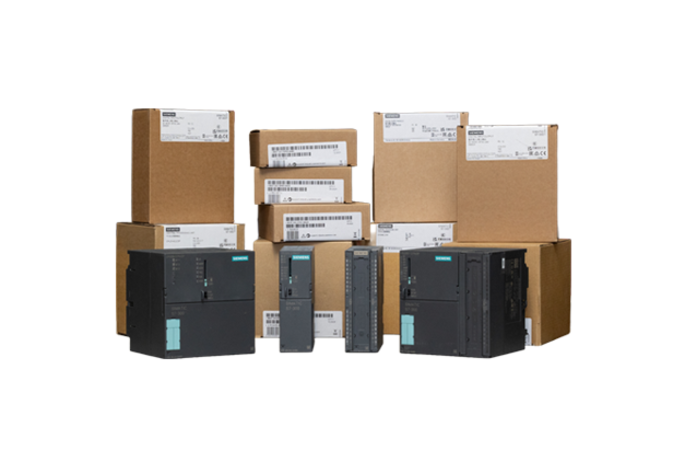
Save 25% on new SIMATIC S7-300 assemblies
EPP Panel Discussion - Obsolescence in Electronics Manufacturing
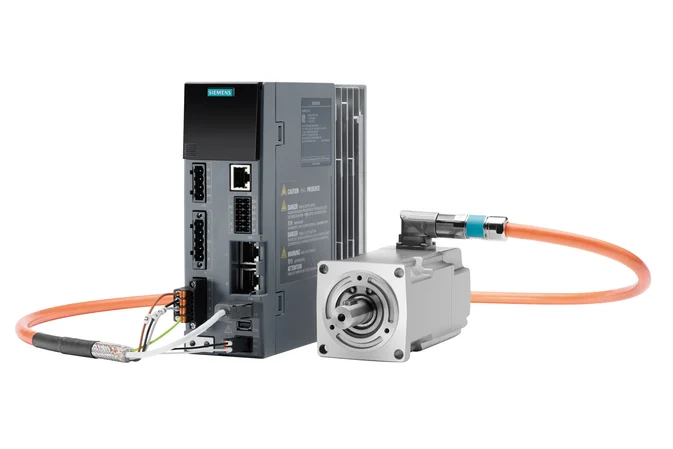
Siemens has announced the discontinuation of Sinamics S210 modules as of October 1, 2025.
SINAMICS S210 (6SL3) – Product discontinuation for Siemens drive technology as of 01.10.2025
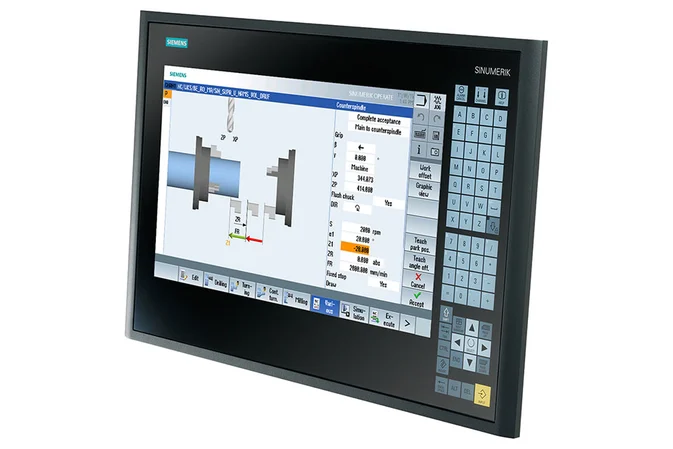
Siemens Sinumerik machine control panel, front view
Update: Discontinuation of SINUMERIK 840D sl HMI Hardware as of 1 October 2025
Important documents

Repair accompanying note

Download the repair accompanying note as a PDF, or use the digital repair registration and send your defective modules to the EICHLER Service Centre for repair.

Laughing Eichler technician points to green PDF with special sale of automation technology

Your shopping basket

There are currently no items in your shopping basket.

Loading shopping basket